Power tools are your trusted partners for every home project, from fixing a loose shelf to building a new garden bench. But have you ever stopped to think about how well you’re taking care of them?
Proper maintenance can make your tools last longer, work better, and save you money on repairs or replacements. You’ll discover simple, practical tips to keep your power tools in top shape. Stick with me, and you’ll learn how a little care goes a long way in making your tools ready whenever you need them.
Choosing The Right Power Tools
Choosing the right power tools is key to maintaining them well at home. The right tool makes work easier and lasts longer. Picking tools that fit your needs helps avoid damage and costly repairs. Spend time to understand which tools suit your tasks best.
Selecting Quality Brands
Quality brands offer durable and reliable power tools. They use better materials and technology. Tools from top brands usually have longer warranties and better support. This helps keep your tools in good shape for years. Avoid cheap tools that break easily or need frequent fixes.
Matching Tools To Tasks
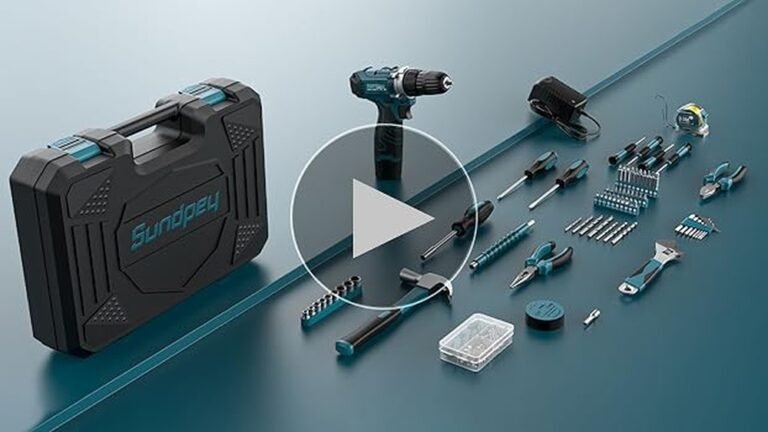
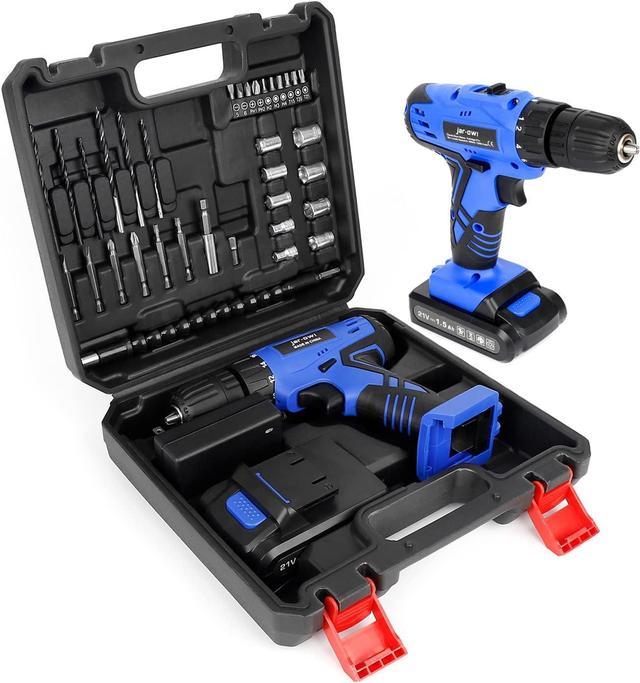
Each task needs a specific type of power tool. Using the wrong tool can cause damage or poor results. Choose tools designed for your projects. For example, use a drill for holes and a sander for smoothing surfaces. Proper tools reduce wear and keep your work safe.
Credit: www.newegg.com
Safe Storage Practices
Safe storage of power tools is key to keeping them in good shape. Proper storage prevents damage, extends tool life, and keeps your workspace tidy. It also reduces the risk of accidents. Simple steps can make a big difference.
Organizing Your Workshop
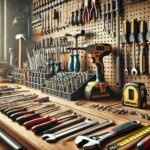
Keep your tools in one place. Use shelves, pegboards, or toolboxes to arrange them neatly. Group similar tools together. Label storage spots for easy finding. This saves time and avoids clutter. A clean workspace helps you work faster and safer.
Protecting Tools From Moisture
Moisture causes rust and damage to power tools. Store tools in dry areas. Use silica gel packs or moisture absorbers inside toolboxes. Avoid keeping tools on damp floors or near windows. Wipe tools dry after use to stop rust. Dry storage keeps tools working well longer.
Regular Cleaning Techniques
Regular cleaning keeps power tools working well and lasting longer. Dirt, dust, and debris can block parts and cause damage. Simple cleaning steps help avoid costly repairs and maintain safety. Clean tools perform better and feel easier to use.
Removing Dust And Debris
Start by unplugging the tool or removing the battery. Use a soft brush or cloth to wipe off dust from the surface. Blow out dust from small crevices with compressed air. Avoid using water to prevent rust and damage. Regular dust removal stops buildup that can slow the tool down.
Cleaning Air Vents And Blades
Air vents keep the tool cool during use. Clear dust and lint using a small brush or compressed air. Check the blades for dirt or sticky residue. Wipe blades with a dry cloth or lightly oiled rag to prevent rust. Clean vents and blades improve tool efficiency and safety.
Routine Inspection
Routine inspection is key to keeping power tools in good shape. Regular checks help spot issues early. This saves money and keeps tools safe to use. Make inspection a simple habit after each project.
Checking For Wear And Tear
Look closely at moving parts. Check for cracks, rust, or broken pieces. Worn gears or belts can cause tool failure. Replace damaged parts quickly to avoid accidents. Clean dirt and debris from tool surfaces. This prevents extra wear and keeps tools working smoothly.
Inspecting Electrical Components
Examine cords and plugs for cuts or frays. Damaged wiring can cause shocks or fires. Test switches and buttons to ensure they work well. Avoid using tools with exposed wires or faulty parts. Keep electrical parts dry and free from dust. This extends tool life and protects your safety.
Lubrication And Parts Replacement
Keeping power tools in good shape needs regular care. Lubrication and parts replacement are key steps. These actions help tools work smoothly and last longer. Proper care prevents breakdowns and saves money on repairs.
Oiling Moving Parts
Moving parts need oil to reduce friction and wear. Use light machine oil for best results. Apply oil to gears, bearings, and joints. Wipe off extra oil to avoid dirt buildup. Oil your tools every few uses or after heavy work.
Check the user manual for oil type and application spots. Well-oiled parts run quieter and cooler. This simple step keeps tools ready for action.
Replacing Worn Accessories
Accessories like blades, bits, and belts wear out over time. Replace them as soon as they show damage or dullness. Sharp blades cut better and safer. Worn belts can slip and reduce power.
Keep spare parts handy for quick changes. Using new accessories improves tool performance. It also lowers the risk of accidents during work.
Battery Care For Cordless Tools
Battery care is essential for cordless power tools. Good battery care helps tools last longer and work better. It also saves money by avoiding early battery replacement. Simple habits can keep batteries healthy and ready to use.
Charging Best Practices
Use the charger made for your battery. Avoid cheap or wrong chargers. Charge batteries in a cool, dry place. Do not charge in very hot or cold areas. Remove the battery from the tool before charging. Avoid overcharging by unplugging once full. Charge batteries before they are completely empty.
Storing Batteries Properly
Store batteries in a dry place with moderate temperature. Keep batteries away from metal objects to prevent short circuits. Store batteries with a half charge for long periods. Avoid leaving batteries fully charged or fully empty when stored. Check batteries regularly and recharge if needed. Proper storage helps keep batteries healthy and ready for use.
Troubleshooting Common Issues
Troubleshooting common issues with power tools helps keep them working longer. Small problems can stop your tool from working well. Knowing how to fix these issues saves time and money. This guide covers two frequent problems: overheating and power failures. Follow these tips to solve these problems quickly.
Dealing With Overheating
Overheating happens when a tool works too hard. It can stop the tool or cause damage. First, turn off the tool and let it cool down. Check for dust or debris blocking air vents. Clean vents with a soft brush or cloth. Avoid using the tool for long periods without breaks. Use the right blade or bit for the job. Overheating often means the tool is overloaded. Lower the speed or pressure during use. Keep the tool well-oiled to reduce friction. This helps prevent heat build-up inside the machine.
Fixing Power Failures
Power failure means the tool does not start or stops suddenly. Check if the tool is plugged in properly. Look for damage in the power cord or plug. Replace damaged cords to avoid safety risks. Test the power outlet with another device to ensure it works. Some tools have a reset button—press it to restore power. Inspect the tool’s switch for dirt or wear. Clean or replace the switch if needed. A blown fuse or tripped circuit breaker can cause failure. Check your home’s electrical panel and reset breakers if necessary. Proper care and checks can keep your power tools running smoothly.

Credit: www.bermuda.ubuy.com
Professional Servicing Tips
Professional servicing keeps power tools safe and working well. It helps catch problems early and extends tool life. Knowing when and where to get expert help is key. This section shares simple tips for professional care.
When To Seek Expert Help
Some issues need a trained technician. Strange noises, smoke, or burning smells mean stop using the tool. Also, if the tool does not start or cuts unevenly, get help. Repairs needing special parts or electrical work require experts. Avoid fixing complex problems yourself to prevent damage or injury.
Finding Reliable Service Centers
Choose service centers with good reviews and certified technicians. Ask about warranty coverage before service. Check if the center uses original parts for repairs. Clear pricing and fast turnaround are important. Local centers save time, but authorized centers ensure quality. Keep contact info handy for quick access when needed.

Credit: www.nytimes.com
Frequently Asked Questions
How Often Should I Clean My Power Tools?
Clean power tools after every use to prevent dust buildup. Wipe surfaces and remove debris from vents for optimal performance.
What Is The Best Way To Store Power Tools?
Store power tools in a dry, cool place. Use cases or shelves to protect them from moisture and damage.
How Do I Lubricate Power Tools Properly?
Use manufacturer-recommended lubricants on moving parts. Apply sparingly to avoid attracting dust and ensure smooth operation.
When Should Power Tool Batteries Be Charged?
Charge batteries before they completely drain. Avoid overcharging by unplugging once fully charged to extend battery life.
Conclusion
Maintaining power tools at home keeps them working well longer. Clean your tools after each use to avoid dirt build-up. Check for loose parts and tighten them regularly. Store tools in a dry, safe place to prevent rust. Sharpen blades and bits to keep cutting smooth.
These small steps save money and time. You get safer and better results every time. Keep your tools ready for the next project. Simple care makes a big difference.

Michael Harris is an experienced woodworker and power tool expert with over 12 years in woodworking. Specializing in functional, high-quality furniture, he offers expert advice on tool selection, maintenance, and sharpening for both beginners and professionals.