Your hand tools are more than just metal and wood—they’re your trusted partners in every project. When you take good care of them, they last longer and work better, saving you time and money.
But neglecting their maintenance can lead to rust, dull edges, and frustrating repairs. You’ll discover simple, effective ways to keep your hand tools in top shape. Ready to protect your investment and make every job easier? Let’s dive in and learn how to maintain your hand tools for a long life.
Choosing Quality Tools
Choosing quality tools is the first step to keep your hand tools lasting long. Good tools save money and effort in the long run. They work better and need less repair or replacement. Picking the right tools means considering what they are made of and how they feel in your hand.
Materials That Last
Tools made from strong metals like steel or chrome vanadium last longer. These materials resist rust and wear. Avoid cheap metals that bend or break easily. Hardened steel blades hold sharp edges better. Handles made from solid wood or reinforced plastic offer durability. Quality materials protect your tools from damage during tough jobs.
Ergonomic Designs
Tools with ergonomic designs reduce hand strain. Comfortable grips help you work longer without pain. Look for handles shaped to fit your hand well. Soft, non-slip grips improve control and safety. Balanced tools feel lighter and easier to use. Ergonomic tools make tasks faster and less tiring.

Credit: yewaik.com
Cleaning After Use
Cleaning your hand tools after each use keeps them working well for years. Dirt and debris can build up and cause damage. Proper cleaning stops rust and wear. Simple steps make a big difference in tool life.
Removing Dirt And Debris
Start by wiping off loose dirt with a dry cloth. Use a brush to clear stuck debris from small parts. For sticky residue, a damp cloth works well. Avoid soaking tools in water to protect metal parts. Clean tools dry before storing to prevent moisture damage.
Preventing Rust
Rust weakens tools and makes them unsafe. After cleaning, dry tools thoroughly with a soft cloth. Apply a thin layer of oil on metal surfaces to block moisture. Store tools in a dry place with good air flow. Use silica gel packs or rust inhibitors for extra protection.
Proper Storage Solutions
Proper storage solutions play a key role in keeping hand tools in good shape. Storing tools correctly prevents damage and extends their life. A neat storage system also makes tools easy to find and use.
Organizing Your Tools
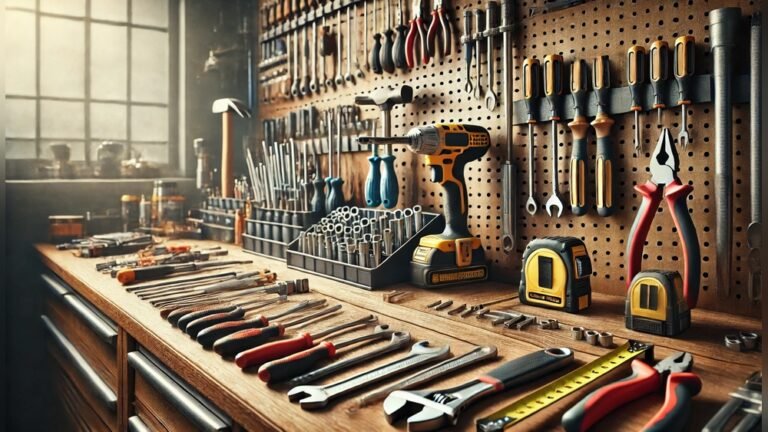
Organize tools by type and size to save time. Use toolboxes, pegboards, or drawers with compartments. Label each section clearly for quick access. Keep frequently used tools within easy reach. Avoid piling tools on top of each other to prevent scratches.
Protecting From Moisture
Moisture causes rust and weakens tools. Store tools in a dry place with good air flow. Use silica gel packs or moisture absorbers inside storage boxes. Wipe tools dry before storing them. Apply a light coat of oil on metal parts to stop rust.

Credit: www.suregrip.com
Regular Maintenance Practices
Regular maintenance keeps your hand tools working well for years. It prevents rust and wear. Simple care helps tools stay sharp and smooth. This section covers key practices to protect your tools.
Sharpening Blades
Dull blades make work harder and damage material. Sharpen blades often to keep cuts clean and easy. Use a sharpening stone or file. Hold the blade at the right angle and move it evenly. Check the blade regularly for nicks or dull spots. A sharp blade saves time and effort.
Oiling Moving Parts
Moving parts can stick or rust without oil. Apply light machine oil to joints and hinges. Wipe off extra oil to avoid dust buildup. Oil helps parts move smoothly and lasts longer. Regular oiling stops squeaks and keeps tools ready for use.
Handling And Usage Tips
Proper handling and use of hand tools help them last longer. Careful use avoids damage and keeps tools working well. Small habits make a big difference in tool life.
Using Tools Correctly
Each tool has a specific use. Using tools for the right job prevents wear and breakage. Hold tools firmly and use steady force. Avoid twisting or bending tools beyond their limits. Keep blades sharp and clean for better cuts. Replace worn parts to maintain performance.
Avoiding Overexertion
Do not push tools harder than they can handle. Overexertion causes parts to bend or snap. Use larger or stronger tools for tough jobs. Take breaks to avoid mistakes from tired hands. Proper effort keeps tools safe and efficient.

Credit: empirelube.wixsite.com
Repair And Replacement
Repair and replacement are key to keeping your hand tools useful for years. Small problems can often be fixed quickly. Some damages need more than a repair and require replacement. Knowing what to fix and when to replace saves time and money. Caring for your tools this way ensures they work well and last longer.
Fixing Minor Damages
Small cracks, loose handles, or dull edges can reduce your tool’s performance. Tighten screws and bolts to secure loose parts. Use sandpaper or a file to smooth rough edges. Clean rust with a wire brush or rust remover. Apply oil to metal parts to stop rust. These simple fixes restore tools quickly and cheaply.
Knowing When To Replace
Tools with deep cracks or broken handles can be unsafe. Blades that are too worn or bent may not work right. When repairs cost more than a new tool, replacement is better. Using damaged tools can cause injury or damage work. Replace tools if they no longer perform well or put you at risk.
Frequently Asked Questions
How Often Should I Clean My Hand Tools?
Clean your hand tools after every use to prevent rust and dirt buildup. Wipe them with a dry cloth and use mild soap if needed. Regular cleaning extends their life and keeps them effective for future tasks.
What Is The Best Way To Prevent Rust On Tools?
Apply a light coat of oil or rust inhibitor on metal surfaces. Store tools in a dry place and use silica gel packs to absorb moisture. These steps protect your tools from corrosion and maintain their functionality.
How Do I Sharpen Hand Tools Properly?
Use a sharpening stone or file suitable for the tool type. Maintain the original bevel angle and sharpen evenly on both sides. Regular sharpening ensures clean cuts and reduces effort during use.
Should I Oil Wooden Handles On Hand Tools?
Yes, oiling wooden handles with linseed or mineral oil prevents drying and cracking. Apply oil regularly to maintain handle strength and comfort. This care enhances grip and prolongs the handle’s lifespan.
Conclusion
Caring for your hand tools keeps them working well for years. Clean tools after each use to stop rust. Store them in a dry place to avoid damage. Sharpen blades and oil moving parts often. Small efforts now save money on replacements later.
Good habits protect your tools and make work easier. Keep tools ready, and they will serve you faithfully. Simple steps make a big difference in tool life.
Michael Harris is an experienced woodworker and power tool expert with over 12 years in woodworking. Specializing in functional, high-quality furniture, he offers expert advice on tool selection, maintenance, and sharpening for both beginners and professionals.