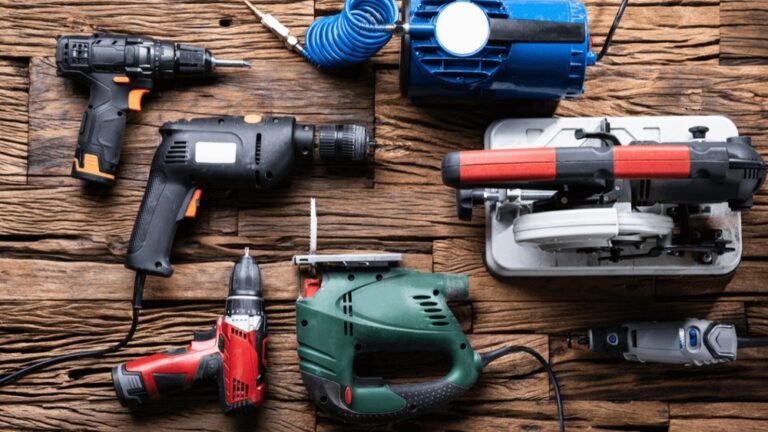
Your power tools are more than just machines—they’re your trusted partners in every project. But have you ever stopped to think about how you’re caring for them?
Keeping your tools in top shape doesn’t have to be complicated or time-consuming. In fact, with a few simple steps, you can extend their life, boost their performance, and save money on repairs. Ready to unlock the secrets to maintaining your power tools like a pro?
Keep reading, and you’ll discover easy tips that make a big difference every time you pick up your drill, saw, or sander.
Choosing The Right Power Tools
Choosing the right power tools makes a big difference in your work. The right tools help you finish tasks faster and safer. Picking the best tools depends on understanding your needs and the jobs you plan to do. This guide helps you find the right balance between tool features, quality, and price.
Matching Tools To Tasks
Each tool fits a specific job. A drill works well for making holes. A saw cuts wood or metal. Choose tools designed for your main tasks. Using the right tool prevents damage and saves time. Avoid buying tools that you will rarely use.
Quality Vs. Price
Cheap tools may save money upfront. But they can break fast and cause delays. High-quality tools last longer and work better. They often come with better warranties and support. Choose tools that offer good value, not just the lowest price. Think about how often you will use the tool before buying.

Credit: www.kennyfuels.ie
Cleaning After Use
Cleaning power tools after use helps keep them in good shape. Dirt, dust, and debris can cause damage and reduce tool life. Simple cleaning steps improve tool performance and safety. Regular care saves money on repairs and replacements.
Removing Dust And Debris
Start by unplugging or removing the battery from the tool. Use a dry brush or compressed air to remove loose dust. Pay attention to vents and moving parts. Avoid using water as it can cause rust or damage. Removing debris prevents clogging and overheating.
Proper Cleaning Materials
Use soft cloths to wipe the tool’s surface. Mild soap and water can clean stubborn dirt but dry immediately. Avoid harsh chemicals that can harm plastic or metal parts. Use lubricants on moving parts to keep them smooth. Proper materials protect your tools and keep them working well.
Regular Inspection
Regular inspection is key to keeping your power tools safe and working well. Small issues can turn into big problems if not caught early. A quick check before and after use helps find wear or damage. It also ensures tools work properly and last longer. Spend a few minutes inspecting your tools to avoid costly repairs or accidents.
Checking For Wear And Damage
Look over your power tools carefully. Check for cracks, rust, or worn parts. Inspect cords for frays or cuts. Loose screws or missing pieces can cause trouble. Replace or fix damaged parts right away. Using tools in poor shape can be dangerous. Pay special attention to moving parts and safety guards.
Testing Functionality
Turn on your power tool to test its function. Listen for strange sounds or vibrations. Make sure switches and buttons work smoothly. Check if the tool runs at the right speed. Test safety features like brakes and guards. Stop using tools that don’t work correctly. Fix or service tools showing signs of trouble.

Credit: tikweld.com
Lubrication Techniques
Lubrication is key to keeping power tools running smoothly. It reduces friction and prevents parts from wearing out quickly. Regular lubrication helps tools last longer and work better. This section explains the best ways to lubricate your power tools.
Types Of Lubricants
Choose the right lubricant for each tool part. Oil is good for small moving parts and bearings. Grease works well for gears and heavy-duty areas. Silicone sprays protect against rust and water damage. Always check the tool manual for recommended lubricants.
Applying Lubricants Safely
Turn off and unplug the tool before applying lubricant. Use a clean cloth or brush to spread oil or grease evenly. Avoid over-lubricating, which can attract dust and dirt. Wear gloves to keep your hands clean and safe. Store lubricants in a cool, dry place away from heat.
Battery Care Tips
Battery care is essential for power tools. Proper care keeps batteries healthy and lasting longer. It also ensures your tools work well every time. Follow simple tips to protect your battery’s life and performance.
Charging Best Practices
Use the charger made for your battery type. Avoid cheap or wrong chargers. Charge batteries in a cool, dry place. Do not overcharge; remove batteries after full charge. Partial charging is better than letting batteries die completely. Charge batteries before storing for a long time.
Storage Guidelines
Store batteries in a dry, cool area away from direct sunlight. Avoid extreme temperatures; heat and cold harm batteries. Keep batteries away from metal objects to stop short circuits. Store batteries with some charge; do not leave them empty. Check stored batteries regularly and recharge if needed.

Credit: www.topdealsonline.shop
Safe Storage Solutions
Safe storage plays a key role in keeping power tools in good shape. Proper storage stops damage and keeps tools ready for use. It also makes your workspace neat and easy to navigate.
Organizing Tools
Arrange tools by type and size for quick access. Use shelves, pegboards, or toolboxes to keep items in place. Label storage spots to find tools fast. Organizing prevents loss and reduces clutter in your work area.
Protecting From Moisture
Moisture causes rust and damages power tools over time. Store tools in a dry place, away from damp floors or walls. Use silica gel packs or moisture absorbers in storage boxes. Cover tools with cloth or plastic to block humidity. Keeping tools dry extends their life significantly.
Sharpening And Replacing Parts
Maintaining power tools involves more than just cleaning. Sharpening blades and replacing worn parts keep tools working well. Sharp blades cut better and safer. Worn parts can cause damage or stop the tool from working. Regular checks help you spot issues early. Fixing or replacing parts saves money and extends tool life.
When To Sharpen Blades
Blades dull after repeated use. Watch for slower cutting or rough edges. If the tool makes more noise, the blade might be dull. Sharpen blades when cuts become uneven or slow. Dull blades can cause the tool to overheat. Check blades often for chips or cracks. Sharpening on time keeps work safe and smooth.
Sourcing Replacement Components
Use parts made for your tool model. Check the manual for part numbers. Buy from trusted stores or official websites. Avoid cheap, generic parts; they may not fit well. Keep old parts to match new ones. Ordering the right part stops downtime. Quality parts improve tool performance and safety.
Professional Servicing
Professional servicing keeps your power tools running smoothly and safely. Experts check parts you cannot reach or test on your own. Regular service helps avoid costly repairs and tool failure. It also extends the life of your tools and improves their performance.
Scheduling Maintenance
Set a regular time for professional maintenance. This can be every six months or after heavy use. Stick to the schedule to catch problems early. Early fixes stop small issues from becoming big. Use a calendar or reminder to keep track.
Choosing Service Providers
Pick a service provider with experience in power tools. Check for certifications and good reviews. Ask about their repair process and parts used. Choose a provider who offers clear pricing and warranty. A trustworthy expert ensures your tools get the best care.
Frequently Asked Questions
How Often Should I Clean My Power Tools?
Clean your power tools after every use. Remove dust, debris, and grease to prevent damage and maintain efficiency. Use a brush or compressed air for thorough cleaning. Regular cleaning extends tool lifespan and ensures safe operation.
What Is The Best Way To Lubricate Power Tools?
Use manufacturer-recommended lubricants for your power tools. Apply oil or grease to moving parts to reduce friction. Lubricate regularly based on usage frequency. Proper lubrication prevents wear and keeps tools running smoothly.
How Do I Store Power Tools Safely?
Store power tools in a dry, cool place away from moisture. Use cases or shelves to avoid damage. Keep tools unplugged and batteries removed if applicable. Proper storage protects tools and extends their life.
When Should I Replace Power Tool Parts?
Replace parts showing wear or damage immediately. Check blades, brushes, and cords regularly. Using worn parts risks tool failure and safety hazards. Follow manufacturer guidelines for part replacement intervals.
Conclusion
Keeping your power tools clean and well-oiled helps them last longer. Check parts often and fix any issues fast. Store tools in a dry, safe place to avoid damage. Regular care saves money and keeps tools ready to work. Small steps make a big difference in tool performance.
Follow these simple tips to protect your investment. Your tools will stay strong and work better every time you need them. Simple habits lead to better results and less hassle.

Michael Harris is an experienced woodworker and power tool expert with over 12 years in woodworking. Specializing in functional, high-quality furniture, he offers expert advice on tool selection, maintenance, and sharpening for both beginners and professionals.