

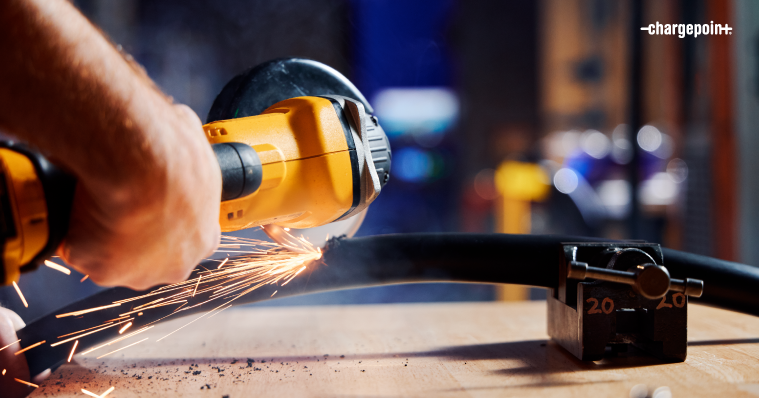
Using an angle grinder can make your work faster and easier, but those sparks flying off can be dangerous and distracting. You might think sparks are just a normal part of grinding, but they can cause injuries or damage if you’re not careful.
What if you could reduce or even prevent those sparks altogether? You’ll discover simple and effective ways to keep sparks under control while using your angle grinder. Keep reading to learn how to protect yourself and your workspace, so you can work smarter and safer every time.
Credit: www.chargepoint.com
Causes Of Sparks In Angle Grinding
Sparks are common during angle grinding. They happen when metal pieces rub against the grinding disc. Understanding why sparks occur helps you reduce their number. Some sparks are normal, but too many can be unsafe.
Material Types That Spark
Hard metals like steel create more sparks. Soft metals like aluminum create fewer sparks. Some metals have small bits that fly off as sparks. Rusty or dirty metal can also increase sparks. Knowing your metal helps control sparks.
Common Grinding Mistakes
Grinding too hard causes many sparks. Using the wrong angle makes sparks worse. Pressing down too much heats the metal quickly. Moving the grinder slowly creates more sparks. Good technique reduces sparks and keeps you safe.
Tool Condition Impact
Dull grinding discs produce more sparks. Damaged or cracked discs are dangerous and spark more. Clean discs work better and create fewer sparks. Regular tool checks lower spark risks. Well-maintained tools improve safety and results.
Choosing The Right Angle Grinder Accessories
Choosing the right angle grinder accessories is key to safety and efficiency. The right tools reduce sparks and prevent accidents. Each accessory must fit the job and the grinder perfectly. Use quality items designed for your specific grinder model. This helps keep control and reduces unwanted sparks during use.
Selecting Proper Discs
Choose discs made for the material you will cut or grind. Different discs suit metal, stone, or wood. Using the wrong disc increases sparks and risks damage. Check the disc size matches your grinder’s specifications. Always pick discs with safety ratings and proper thickness. Thin or worn discs can break and cause sparks.
Using Safety Guards
Safety guards protect you from flying sparks and debris. Always attach the guard that comes with your grinder. It blocks sparks from hitting your hands or body. Adjust the guard to cover the disc side facing you. Never remove or bypass the guard. It is a simple and effective way to reduce sparks.
Inspecting Attachments
Inspect discs and attachments before every use. Look for cracks, chips, or wear signs. Damaged accessories increase spark risks and can break apart. Replace worn or damaged parts immediately. Clean attachments to remove dust and debris. Proper care extends their life and keeps sparks minimal.
Safe Operating Practices
Safe operating practices reduce the risk of sparks when using an angle grinder. Following simple rules keeps you and others safe. It also protects the tool and work area from damage. Understanding how to handle the grinder properly is key. Controlling speed, pressure, and using stable surfaces helps manage sparks effectively.
Correct Handling Techniques
Hold the angle grinder firmly with both hands. Keep your grip steady and controlled. Avoid sudden movements or jerks. Position your body to maintain balance and control. Use the correct disc for the material you are cutting or grinding. Always check the guard is in place before starting.
Controlling Speed And Pressure
Use a moderate speed that matches the task. Too high speed creates more sparks and heat. Apply steady, even pressure. Do not force the grinder into the material. Let the tool do the work. Pressing too hard causes the disc to wear quickly and sparks to increase.
Maintaining Stable Work Surfaces
Secure the workpiece firmly before starting. Use clamps or a vice to hold it steady. A moving or unstable surface increases sparks and risk of injury. Work on a flat, solid surface to maintain control. Keep your workspace clean to avoid fires caused by sparks.
Work Environment Precautions
Creating a safe work environment is key to preventing sparks when using an angle grinder. Sparks can cause fires and injuries if the area is not properly prepared. Taking the right precautions helps reduce risks and keeps everyone safe.
Clearing Flammable Materials
Remove all flammable items near the work area. This includes paper, cloth, wood, and chemicals. Sparks can easily ignite these materials. Keep the space clean and free from anything that can catch fire. Store flammable liquids away from where you grind.
Ensuring Adequate Ventilation
Work in a well-ventilated area. Good airflow helps remove dust and fumes created by grinding. It also reduces the chance of sparks building up in one spot. Open windows or use fans to improve air circulation. Avoid working in small, closed spaces without fresh air.
Setting Up Fire Safety Equipment
Have fire safety tools ready before starting work. Keep a fire extinguisher nearby and make sure it works. A bucket of water or a fire blanket can also help in emergencies. Know how to use these tools quickly if sparks start a fire. Being prepared saves lives and property.
Personal Protective Equipment
Using an angle grinder can create sparks that may cause injuries. Personal protective equipment (PPE) reduces risks and keeps you safe. Always wear the right gear before starting your work. Protecting your eyes, skin, and ears is very important.
Eye And Face Protection
Sparks and debris can easily hit your face and eyes. Safety goggles shield your eyes from flying particles. A full face shield adds extra protection for your face. Choose impact-resistant gear that fits well. Never skip eye protection while grinding.
Protective Clothing
Wear long sleeves and pants made of thick material. Cotton or leather clothes protect your skin from sparks. Avoid synthetic fabrics that can melt and cause burns. Gloves help protect your hands from sharp edges and heat. Closed-toe shoes complete your safety outfit.
Hearing Safety
Angle grinders make loud noises that can harm your ears. Use earplugs or earmuffs to reduce noise levels. Protecting your hearing prevents long-term damage. Keep hearing protection on during all grinding tasks.
Routine Maintenance And Inspection
Routine maintenance and inspection keep your angle grinder safe and efficient. Sparks often come from worn or damaged parts. Regular checks reduce the risk of sparks and accidents. Small efforts make your tool last longer and work better.
Checking Electrical Components
Inspect the power cord for cuts or frays. Damaged cords can cause sparks or electric shocks. Check the plug and switch for loose parts. Make sure all connections are tight and clean. Faulty wiring increases the chance of sparks during use.
Replacing Worn Parts
Look closely at grinding discs and guards. Worn or cracked discs can break and cause sparks. Replace discs that show wear or damage. Check brushes inside the grinder motor. Worn brushes create poor contact and sparks. Changing parts on time keeps the grinder safe.
Cleaning The Grinder
Dirt and metal dust build up inside the grinder. This buildup can cause overheating and spark generation. Use compressed air to blow out dust. Wipe the exterior with a dry cloth. Clean tools reduce spark risks and improve performance.
Emergency Response Tips
Emergency response tips are vital when sparks fly during angle grinder use. Knowing how to act fast can prevent injuries and damage. Prepare yourself by learning key steps to handle surprises safely.
Handling Unexpected Sparks
Stay calm and stop using the grinder immediately. Move away from flammable materials quickly. Alert others nearby about the sparks. Use a fire blanket or heavy cloth to smother small flames. Avoid rushing, which can cause accidents.
Fire Extinguisher Usage
Keep a fire extinguisher close to your workspace. Know how to operate it before starting work. Aim the nozzle at the base of the fire, not the flames. Squeeze the handle and sweep side to side. Call emergency services if the fire grows.
First Aid Basics
Cool burns with cold water for at least ten minutes. Cover the burn with a clean, non-stick dressing. Do not apply creams or break blisters. Seek medical help for serious injuries. Keep calm and reassure the injured person.

Credit: www.ebay.com

Credit: www.shutterstock.com
Frequently Asked Questions
How Can I Reduce Sparks When Using An Angle Grinder?
To reduce sparks, use a clean, sharp disc and avoid grinding on hard surfaces. Wear proper safety gear and work slowly for better control. Position the grinder at the correct angle to minimize sparks and always check the workspace for flammable materials before starting.
What Safety Gear Prevents Sparks From Angle Grinders?
Wear safety goggles, gloves, and long sleeves to protect from sparks. Use a face shield for extra protection. Non-flammable clothing helps prevent injuries. Ensure your workspace has a fire extinguisher nearby to quickly manage any accidental sparks or fires.
Why Do Angle Grinders Produce Sparks While Grinding?
Sparks occur when the grinder’s abrasive disc removes metal particles rapidly. These hot particles ignite due to friction and air exposure. Sparks are common but can be minimized by using the right disc, proper technique, and working on clean, appropriate surfaces to reduce excessive sparking.
Can The Type Of Disc Affect Spark Production?
Yes, different discs produce varying spark amounts. Grinding discs create more sparks compared to cutting discs. Using a disc designed for the material you are working on helps reduce sparks. Always select the correct disc type to improve safety and performance.
Conclusion
Preventing sparks when using an angle grinder keeps you safe and work efficient. Always wear protective gear like gloves and goggles. Choose the right grinding disc for your task. Work slowly and avoid forcing the tool. Keep your work area clean and free of flammable materials.
Regularly check your grinder for damage or wear. Small steps make a big difference in safety. Stay alert and focused while grinding. These tips help reduce sparks and accidents. Safety should always come first in every job.
Michael Harris is an experienced woodworker and power tool expert with over 12 years in woodworking. Specializing in functional, high-quality furniture, he offers expert advice on tool selection, maintenance, and sharpening for both beginners and professionals.

