
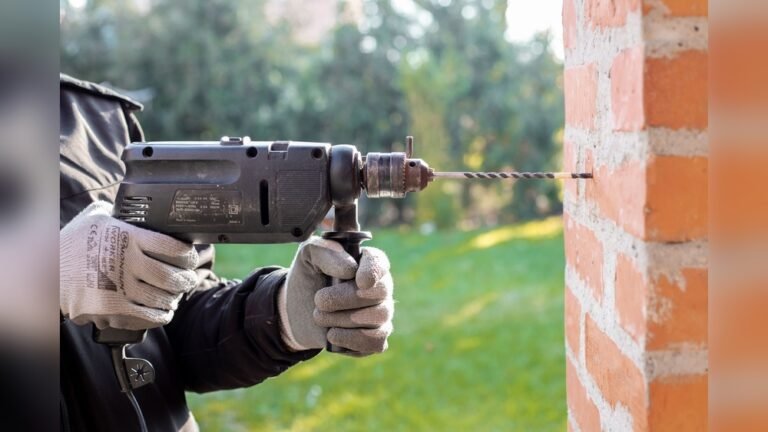

If you’ve ever faced the challenge of drilling into brick, stone, or concrete, you know it’s not as simple as using a regular drill. That’s where a hammer drill comes in.
But how do you use this powerful tool safely and effectively? You’ll discover easy-to-follow steps that turn a tough job into a quick win. By the end, you’ll feel confident handling your hammer drill like a pro, saving time and avoiding costly mistakes.
Keep reading to unlock the secrets of mastering your hammer drill for masonry work.
Credit: holemaker-technology.com
Choosing The Right Hammer Drill
Choosing the right hammer drill is important for masonry work. The right tool makes drilling easier and safer. Not all hammer drills work well with brick, stone, or concrete. Understanding types and features helps pick the best drill. The drill bits also matter a lot for good results. This guide explains what to consider when choosing a hammer drill for masonry.
Types Of Hammer Drills
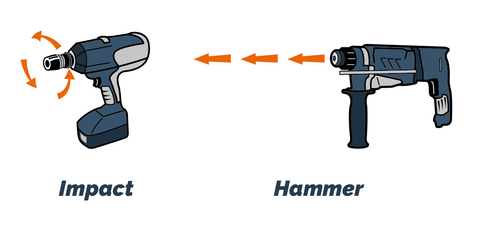
There are two main types of hammer drills: standard and rotary hammer. Standard hammer drills are good for light jobs. They have a hammering action that helps drill through soft masonry. Rotary hammer drills are stronger. They use a piston mechanism to deliver more power. These drills handle tough materials like concrete with ease. Rotary hammers are heavier and cost more. Choose based on your project size and frequency.
Key Features To Look For
Look for adjustable speed settings to control drilling. Variable speed helps avoid damage to the material. A comfortable grip reduces hand fatigue during long use. Check for an auxiliary handle for better control. A depth gauge is helpful for consistent hole depth. Make sure the drill has good dust protection. This extends the tool’s life. Power rating is important. Higher wattage means more drilling strength.
Selecting The Correct Drill Bits
Use masonry drill bits with carbide tips. These bits are tough and last longer in hard materials. Match the bit size to the hole you need. Avoid using wood or metal bits on masonry. They wear out quickly and may break. Choose SDS or SDS-Plus bits for rotary hammer drills. These bits fit securely and transfer power better. Keep bits sharp for cleaner, faster holes.
:max_bytes(150000):strip_icc()/how-to-drill-into-brick-5218509_18-b650163432e644b4aece06d29d3eb5a3.jpg)
Credit: smcontinental.com
Preparing For Masonry Drilling
Preparing for masonry drilling is key to a smooth and safe project. Proper setup helps avoid damage and accidents. It also ensures you drill in the right spots with confidence. Follow simple steps to get ready before starting.
Safety Gear Essentials
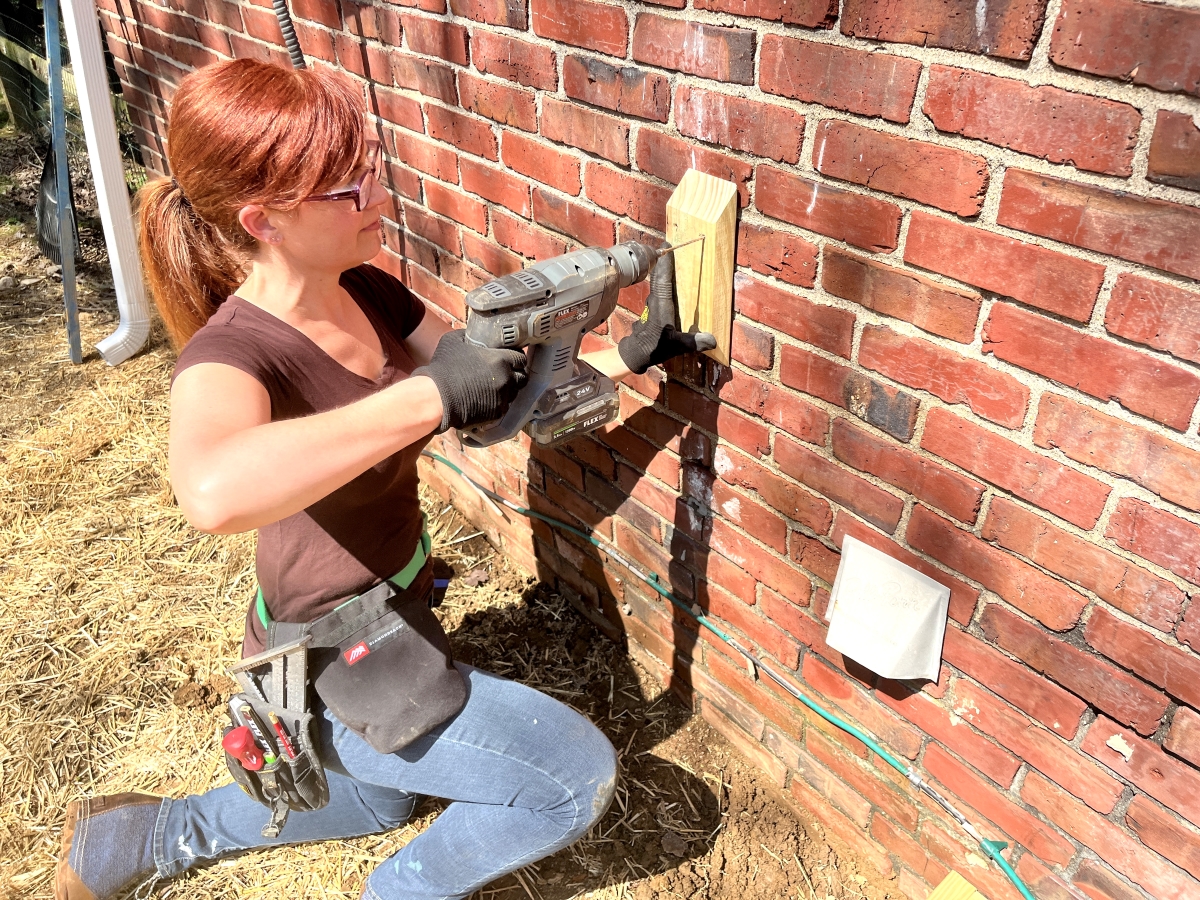
Wear safety glasses to protect your eyes from dust and debris. Use ear protection to block loud drill noise. Gloves help keep your hands safe and steady. A dust mask stops you from breathing in harmful particles. Dress in sturdy clothes and closed shoes for full protection.
Marking Drill Points
Identify the exact spots to drill on the masonry surface. Use a pencil or chalk to mark these points clearly. Double-check measurements to keep your holes accurate. Clear, visible marks guide the drill and prevent mistakes. Take your time to plan the layout well.
Checking For Hidden Utilities
Look for electrical wires, pipes, or cables inside the wall. Use a stud finder or utility detector to scan the area. Avoid drilling where utilities are present to prevent damage or injury. If unsure, consult a professional before drilling. Safety first saves costly repairs later.
Setting Up Your Hammer Drill
Setting up your hammer drill correctly ensures safety and efficiency. Proper setup helps you drill into masonry with less effort and better results. Take time to prepare your tool and workspace before starting.
Adjusting Speed And Mode
Most hammer drills have different speed settings. Use a lower speed for hard materials like brick or concrete. Select the hammer mode to make the drill hit the surface as it spins. This action breaks the masonry more easily. Check the drill’s switch or dial to set speed and mode properly.
Installing Drill Bits Properly
Choose a masonry drill bit designed for hammer drills. Insert the bit straight into the chuck. Tighten the chuck firmly to hold the bit in place. Avoid loose bits, as they can slip or cause damage. Check the bit for wear or damage before use. A sharp bit makes drilling smoother and faster.
Securing Your Workpiece
Always secure the material you will drill into. Use clamps or a vise to hold the masonry steady. This prevents movement that can lead to mistakes or injury. A stable workpiece helps you drill straight and clean holes. Double-check that everything is fixed before you start drilling.
Drilling Techniques For Masonry
Drilling into masonry needs careful handling. The right techniques keep the drill bit sharp and the hole clean. This section covers key steps for drilling with a hammer drill on brick or concrete walls.
Starting The Hole
Place the drill bit exactly where you want the hole. Hold the drill steady and start at a slow speed. This helps the bit grip the surface without slipping. Begin drilling gently to create a small guide hole. Once the bit is set, increase the speed and pressure.
Maintaining Steady Pressure
Apply even pressure while drilling. Push too hard and you may break the bit or damage the wall. Too little pressure slows the work and wears out the bit. Let the drill do the work. Keep your hands steady and avoid shaking.
Cooling Down The Drill Bit
Drilling masonry creates heat that can dull the bit. Stop drilling occasionally to let the bit cool. Use water or spray coolant on the bit during long jobs. A cool bit lasts longer and drills better holes. Always keep the bit clean from dust and debris.
Troubleshooting Common Issues
Using a hammer drill for masonry can sometimes cause issues. These problems slow down your work. Knowing how to fix them saves time and effort. The most common troubles include bit slippage, overheating, and drill jamming. Each problem has simple fixes that anyone can apply.
Dealing With Bit Slippage
Bit slippage happens when the drill bit moves inside the chuck. This makes drilling hard and unsafe. To stop this, tighten the chuck firmly before starting. Clean the chuck and bit shank if they are dirty. Use the correct bit size for your drill. If slippage continues, replace the chuck or bit.
Handling Overheating
Overheating occurs when the drill works too long or faces tough material. The drill or bit becomes very hot. To cool down, take breaks during work. Use water or a cooling spray on the bit carefully. Choose bits made for masonry to reduce heat. Avoid pressing too hard on the drill. Let it do the work.
Fixing Drill Jamming
Drill jamming happens when the bit gets stuck inside the wall. This stops the drill from turning. Stop drilling immediately to avoid damage. Remove the bit by turning it gently backward. Clear dust and debris from the hole. Use a smaller bit to create a pilot hole first. Check the drill’s settings before starting again.
Post-drilling Tips
After drilling into masonry, proper care is crucial. Post-drilling tips help keep your tools in good shape. They also ensure the drilled hole is ready for the next step. Follow these simple actions to maintain your hammer drill and check your work.
Cleaning The Drill And Bits
Remove dust and debris from the drill and bits immediately. Use a dry cloth to wipe the tool’s surface. Blow air into the vents to clear dust inside. Clean the drill bits with a wire brush. This prevents rust and keeps the bits sharp. Clean bits last longer and work better.
Inspecting The Masonry Hole
Check the hole for cracks or uneven edges. Use a flashlight for better visibility inside the hole. Smooth out rough edges with a small brush or sandpaper. Ensure the hole is the right size for anchors or screws. A clean, proper hole holds fixtures firmly.
Storing Your Hammer Drill Safely
Store the hammer drill in a dry, cool place. Keep it in a case or on a shelf to avoid damage. Remove the drill bit before storage to protect both the tool and bits. Check the power cord for any damage before storing. Safe storage extends the tool’s life and keeps it ready for use.
Credit: www.bobvila.com
Frequently Asked Questions
What Is The Best Drill Bit For Masonry?
Use carbide-tipped drill bits for masonry. They are durable and designed for tough materials like brick and concrete. Always choose the right size for your holes to ensure precision and avoid damage.
How Do You Safely Operate A Hammer Drill?
Wear safety goggles and gloves before using a hammer drill. Hold the drill firmly with both hands. Start drilling at a low speed, then increase as needed. Keep the drill bit perpendicular to the surface for accuracy.
Can A Hammer Drill Work On Concrete Walls?
Yes, a hammer drill is ideal for concrete walls. It combines rotation with hammering action to break through tough surfaces. Use the hammer mode and appropriate masonry bits for best results.
How To Prevent Drill Bit Overheating In Masonry?
To prevent overheating, drill in short bursts and apply moderate pressure. Allow the bit to cool periodically. Use water or a cooling spray if necessary. Overheating can dull bits and damage the drill.
Conclusion
Using a hammer drill for masonry gets easier with practice. Always wear safety gear to protect yourself. Choose the right drill bit for your project. Start drilling slowly, then increase speed as needed. Keep the drill steady to avoid mistakes.
Clean the drill bit often to keep it sharp. With care and attention, your work will look great. Follow these steps to drill into masonry confidently and safely.