

If you’ve ever needed to cut metal quickly and precisely, an angle grinder is one of the best tools you can use. But if you’re not sure how to handle it safely and effectively, it can feel intimidating.
This guide will show you exactly how to use an angle grinder to cut metal like a pro. You’ll learn the step-by-step process, essential safety tips, and expert tricks that make your work cleaner and faster. Keep reading, and you’ll gain the confidence to tackle your metal cutting projects with ease.

Credit: www.youtube.com
Choosing The Right Angle Grinder
Choosing the right angle grinder is key to cutting metal safely and effectively. A proper grinder makes your work easier and ensures clean cuts. It also helps you stay safe by reducing the risk of accidents. Understanding the types of grinders and discs can guide you in making the best choice for your project.
Types Of Angle Grinders
Angle grinders come in many sizes and power options. Small grinders with a 4.5-inch wheel are good for light jobs. Larger grinders, like 7-inch models, handle heavy cutting tasks. Corded grinders offer steady power for long jobs. Cordless models give freedom to move but need charged batteries. Choose a grinder size and power that matches your metal cutting needs.
Selecting The Correct Disc
The disc is the part that cuts metal. Use a disc made for metal cutting, not stone or wood. Thin discs cut metal faster and with less heat. Thick discs last longer but cut slower. Check the disc’s speed rating and match it with your grinder’s speed. Always pick a disc that fits your grinder’s size for safe use.
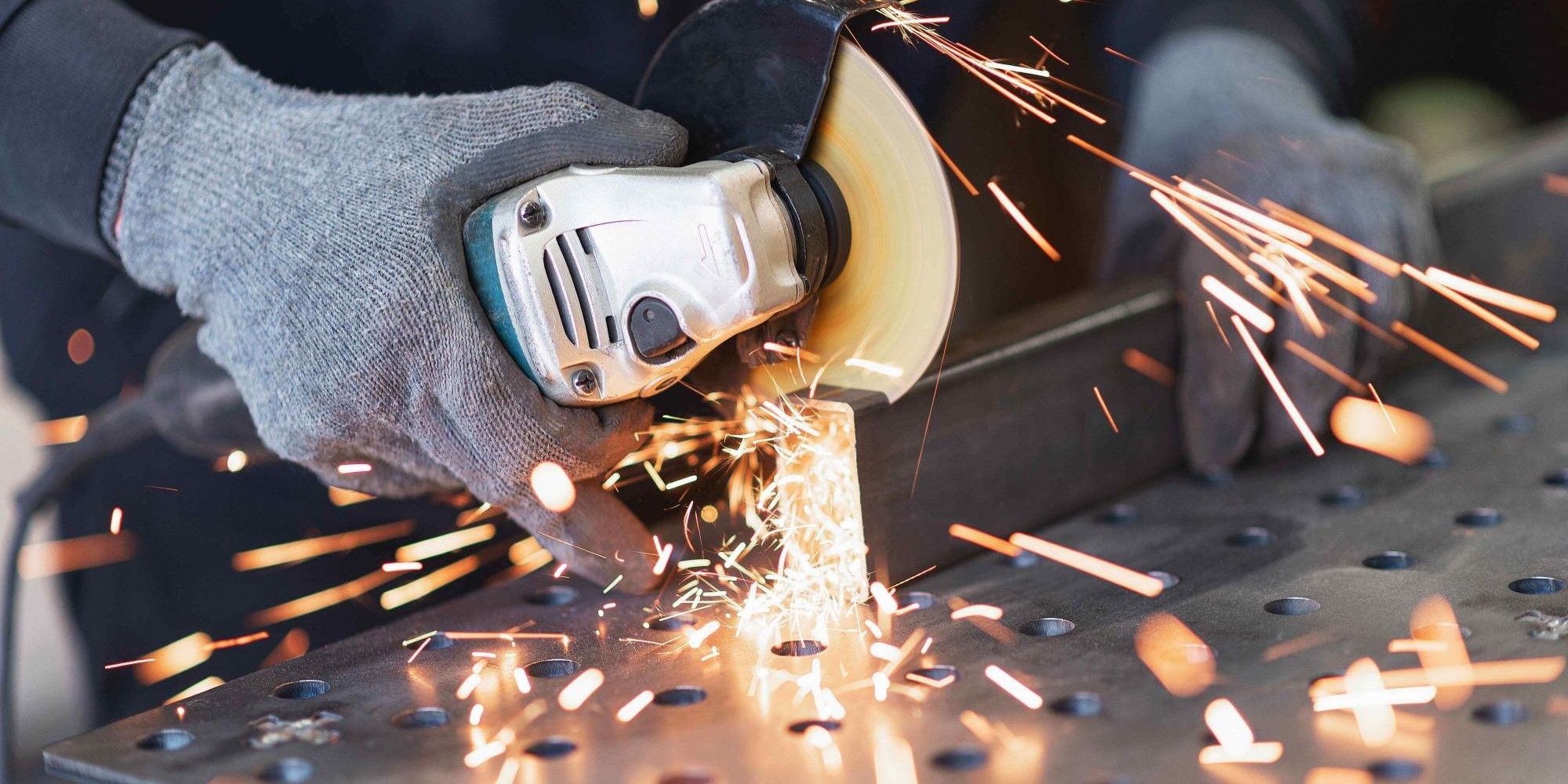
Credit: www.cutmy.co.uk
Essential Safety Gear
Using an angle grinder to cut metal can be dangerous without the right safety gear. Sparks, metal shards, and loud noise pose serious risks. Wearing proper protection lowers the chance of injury. This gear keeps your body safe from cuts, burns, and loud sounds. Always prepare before starting your work.
Protective Clothing
Wear long sleeves and pants made of thick, non-flammable material. Avoid synthetic fabrics that can melt on contact with sparks. Use a leather apron for extra protection. Keep your clothes tight to stop sparks from reaching your skin. Proper clothing shields you from heat and flying debris.
Eye And Ear Protection
Use safety goggles or a face shield to protect your eyes. Metal fragments and sparks can cause serious eye injuries. Choose goggles that fit tightly and do not fog easily. Earplugs or earmuffs reduce loud noise from the grinder. Protecting your hearing prevents long-term damage.
Gloves And Respirators
Wear heavy-duty gloves to protect your hands from cuts and heat. Gloves also improve your grip on the grinder. Use a respirator mask to avoid breathing metal dust and fumes. A mask with a proper filter keeps your lungs safe during cutting. Always choose gear that fits well and feels comfortable.
Preparing The Metal Surface
Preparing the metal surface is a key step before cutting with an angle grinder. It helps ensure clean, accurate cuts and safe operation. Taking time to prepare the metal reduces mistakes and improves results.
Start by cleaning the metal to remove dirt, rust, and grease. Mark the cutting line clearly. Then, secure the metal piece to stop it from moving during cutting. These steps create a stable and clear workspace for your angle grinder.
Cleaning And Marking
Use a wire brush or cloth to clean the metal surface. Remove all dirt, oil, and rust spots. A clean surface helps the grinder cut smoothly and accurately.
Next, use a permanent marker or chalk to draw the cut line. Make sure the line is straight and easy to see. This guide keeps your cut precise and neat.
Securing The Workpiece
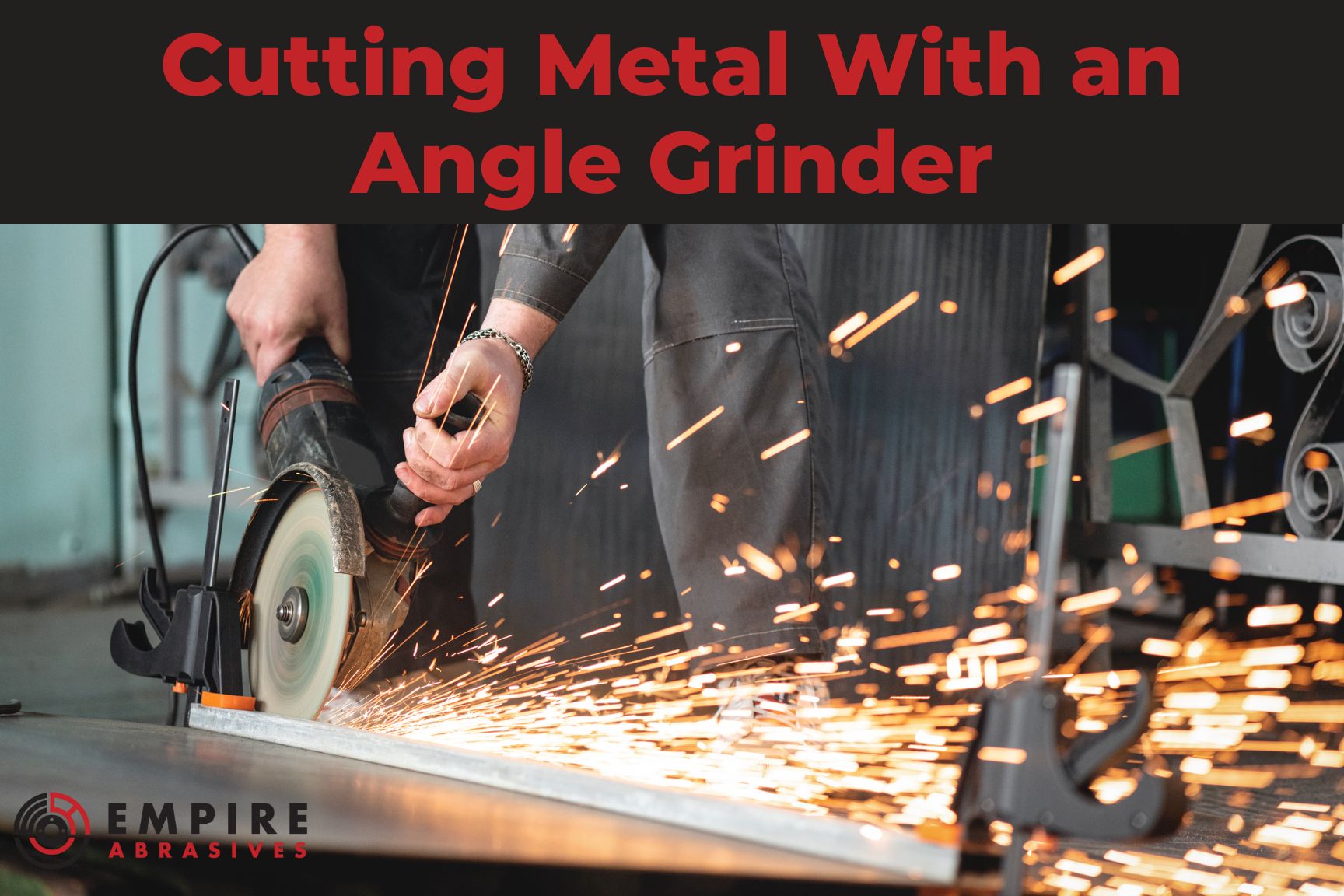
Place the metal on a sturdy workbench or surface. Use clamps to hold the metal firmly in place. This stops the metal from shifting or vibrating.
Check that the metal is stable before starting the cut. A steady workpiece improves safety and cutting quality. Never hold the metal by hand while cutting.
Setting Up The Angle Grinder
Setting up an angle grinder correctly is the first step to cutting metal safely and efficiently. Proper setup ensures the tool works well and reduces risks. Take your time to prepare the grinder before starting your project.
Installing The Cutting Disc
Choose the right cutting disc for metal. Check the disc’s size matches your grinder. Unplug the grinder before changing the disc. Remove the old disc by loosening the flange nut. Place the new disc on the spindle carefully. Tighten the flange nut securely but avoid over-tightening. Make sure the disc sits flat and does not wobble.
Adjusting The Guard And Handle
Attach the guard to cover the cutting disc. The guard protects you from sparks and metal shards. Adjust the guard to the correct angle for your cut. Secure it tightly so it does not move. Screw on the side handle where it feels comfortable. This handle gives you better control and balance. Test the grip before you start cutting.
Cutting Techniques
Cutting metal with an angle grinder requires specific techniques for safe and clean results. Proper handling and control improve accuracy and reduce risks. Each step matters, from stance to motion. Follow these tips to cut metal effectively.
Proper Stance And Grip
Stand with feet shoulder-width apart for balance. Keep your body relaxed but firm. Hold the angle grinder with both hands. One hand on the main handle, the other on the auxiliary handle. This grip offers control and stability during cutting.
Starting The Cut
Switch on the grinder before touching the metal. Let the disc reach full speed first. Gently bring the disc to the metal’s edge. Avoid forcing the tool; let the grinder do the work. This prevents disc damage and uneven cuts.
Maintaining A Steady Motion
Move the grinder along the cut line at a steady pace. Keep the disc perpendicular to the metal surface. Avoid stopping or twisting the grinder mid-cut. A smooth, continuous motion helps achieve a clean, straight cut.
Handling Common Challenges
Using an angle grinder to cut metal can be tricky. Several challenges can slow your work or cause safety issues. Knowing how to handle common problems helps you cut better and safer. Below are tips on managing sparks, avoiding disc problems, and controlling heat.
Dealing With Sparks And Debris
Sparks fly when the grinder cuts metal. They can cause burns or start fires. Always wear protective gear like gloves and goggles. Work in a clear area, away from flammable materials. Use a guard on the grinder to control debris direction. Keep a fire extinguisher nearby just in case.
Avoiding Disc Binding
Disc binding happens when the grinder disc gets stuck in the metal. It can cause kickback and injury. To avoid this, keep a steady, even pressure on the tool. Do not force the disc into the metal. Let the grinder do the work. Make sure the disc is the right type and not damaged.
Managing Heat Build-up
Cutting metal creates heat. Too much heat can damage the metal and disc. Take breaks during cutting to let the tool cool down. Use water or a coolant on thick metal to reduce heat. Watch for smoke or discoloration, signs of overheating. Keep the grinder blade sharp to cut smoothly and stay cooler.
Post-cut Care
After cutting metal with an angle grinder, taking care of the workpiece and tools is important. Post-cut care helps keep your metal safe and your tools ready for the next job.
Proper steps prevent injury and improve the quality of your work. Follow these simple actions to finish the job well.
Inspecting The Cut Edge
Look closely at the edge you just cut. Check for sharp burrs or rough spots. These can cause cuts or damage later. If the edge is uneven, it may need more work. Ensure the cut is clean and straight. This keeps the metal safe to handle and ready for use.
Grinding And Smoothing
Use the angle grinder with a grinding disc to smooth the cut edge. Move the grinder gently along the cut. This removes sharp bits and roughness. Take care not to remove too much metal. Smooth edges are safer and look better. This step also helps metal parts fit together well if needed.
Cleaning And Storing Equipment
Clean the angle grinder after use. Remove dust and metal particles from the tool. Wipe the discs and body with a dry cloth. Check the power cord for any damage. Store the grinder in a dry, safe place. Keep discs in their cases to avoid damage. Proper care keeps your tools working longer and ready for use.
Credit: www.empireabrasives.com
Frequently Asked Questions
What Safety Gear Is Essential When Using An Angle Grinder?
Always wear safety goggles, gloves, ear protection, and a dust mask. These protect you from sparks, debris, and noise. Proper attire, like long sleeves and closed shoes, also reduces injury risk while cutting metal with an angle grinder.
Which Type Of Disc Is Best For Cutting Metal?
Use a thin, abrasive cutting disc specifically designed for metal. Avoid using grinding discs, as they are unsafe for cutting. Ensure the disc matches your angle grinder’s size and speed rating for optimal performance and safety.
How Do I Prevent Metal Sparks From Causing Fires?
Clear the work area of flammable materials before cutting. Use a fire-resistant blanket or shield nearby. Always have a fire extinguisher handy. Sparks from the angle grinder can ignite materials, so staying prepared is crucial for safety.
Can I Cut Metal Pipes With A Standard Angle Grinder?
Yes, a standard angle grinder with a metal cutting disc can cut metal pipes. Secure the pipe firmly and cut slowly to maintain control and prevent disc damage. Always follow safety protocols during the process.
Conclusion
Using an angle grinder to cut metal is simple with the right steps. Always wear safety gear to protect yourself. Keep a steady hand and follow your cut line closely. Choose the correct disc for the metal type and thickness.
Practice on scrap metal to build confidence. Stay focused and work in a clear, well-lit space. With care and patience, you can achieve clean, precise cuts every time. Angle grinders are handy tools that make metal cutting easier and faster.
Just remember to stay safe and take your time.
Michael Harris is an experienced woodworker and power tool expert with over 12 years in woodworking. Specializing in functional, high-quality furniture, he offers expert advice on tool selection, maintenance, and sharpening for both beginners and professionals.