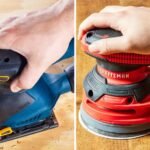
Are you looking to achieve smooth, flawless surfaces on your wood, metal, or other materials? An orbital sander might be the tool you need, but do you know exactly what it’s used for and how it can make your projects easier?
Whether you’re a DIY enthusiast or just starting out, understanding the purpose and benefits of an orbital sander can save you time and effort. Keep reading, and you’ll discover how this handy tool can transform your work and help you get professional results with less hassle.
Types Of Orbital Sanders
Orbital sanders come in different types for various sanding tasks. Each type suits certain jobs better than others. Choosing the right sander helps get smooth results and saves time. Understanding these types makes your sanding work easier and more precise.
Random Orbital Sanders
Random orbital sanders move in two ways at once. They spin in circles and also move in small orbits. This action stops swirl marks on the surface. They work well on wood, metal, and plastic. These sanders are good for removing paint and smoothing rough surfaces.
Finishing Orbital Sanders
Finishing orbital sanders have a smaller, round sanding pad. They offer gentle sanding for fine finishing jobs. These sanders create a smooth and even surface. They are ideal for sanding between coats of paint or varnish. Finishing orbital sanders give a clean and polished look.
Detail Orbital Sanders
Detail orbital sanders have a pointed or triangular pad. They reach into tight corners and small spaces. These sanders are perfect for intricate woodworking or furniture repair. They help smooth edges and detailed shapes. Detail orbital sanders give precise control for delicate work.

Credit: www.heamar.co.uk
Key Features Of Orbital Sanders
Orbital sanders have specific features that make them useful for sanding tasks. These features improve how well the sander works and make it easier to use. Understanding these key features helps you pick the right sander for your projects.
Sanding Motion And Speed
Orbital sanders move in small circles and vibrate quickly. This motion helps smooth surfaces evenly without leaving marks. The speed can be adjusted to match the material you are sanding. Slower speeds work well for delicate surfaces. Faster speeds remove more material quickly.
Dust Collection Systems
Many orbital sanders include dust collection systems. These systems capture dust as you work. This keeps the workspace cleaner and protects your lungs. Some sanders have built-in bags or connect to a vacuum. A good dust system improves safety and saves time on cleanup.
Ergonomic Design
Orbital sanders often have designs that fit comfortably in your hand. Soft grips reduce hand fatigue during long use. Lightweight bodies make the sander easy to control. Buttons and switches are placed for easy reach. These features help you work longer with less strain.
Materials Suitable For Orbital Sanding
Orbital sanders work well on many materials. Their design helps smooth surfaces without leaving deep marks. This makes them a popular tool for various projects.
They are gentle enough for delicate surfaces but strong enough for tougher materials. Choosing the right material to sand improves results and tool life.
Wood Surfaces
Orbital sanders are perfect for wood. They help remove old paint and smooth rough patches. Use them on furniture, doors, and floors. They create an even finish and prepare wood for painting or staining. They work on both softwoods and hardwoods.
Metal Surfaces
Metal also responds well to orbital sanding. It removes rust, paint, and dirt from steel and aluminum. Sanding metal with an orbital sander creates a smooth surface for painting or welding. Use finer grit sandpaper for a polished look. Avoid using too much pressure to prevent damage.
Plastic And Composite Materials
Orbital sanders can work on plastic and composites too. They smooth rough edges and prepare surfaces for painting. Use light pressure and fine grit sandpaper. This prevents melting or scratching the material. Great for automotive parts, outdoor furniture, and DIY crafts.
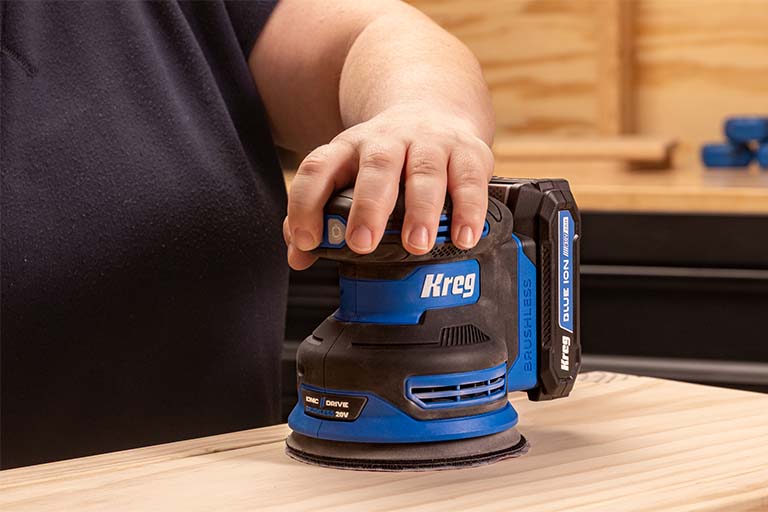
Credit: learn.kregtool.com
Common Applications
An orbital sander is a versatile tool used in many tasks. It helps smooth surfaces quickly and evenly. Its design reduces swirl marks on wood and other materials. This makes it popular in various fields.
Here are some common uses of an orbital sander. Each job benefits from its smooth sanding action.
Furniture Refinishing
Orbital sanders remove old paint and varnish from furniture. They prepare wood surfaces for new finishes. This tool helps create a smooth base for painting or staining. It saves time compared to hand sanding. The sander works well on tables, chairs, and cabinets.
Automotive Bodywork
In car repairs, orbital sanders smooth body filler and paint. They help blend repaired areas with the rest of the car. The tool is gentle enough to avoid damaging metal. It prepares surfaces for primer and paint. Many auto shops use orbital sanders for fast, even results.
Diy Home Projects
DIYers use orbital sanders to improve home projects. Sanding walls before painting is easier with this tool. It smooths wood for shelves, doors, and trim. Orbital sanders also help with sanding floors. Its ease of use makes it a favorite for beginners and pros.
Techniques For Smooth Finishes
Using an orbital sander properly leads to smooth, even surfaces. This tool helps remove rough patches and prepares wood or metal for finishing. To get the best results, follow some key techniques. These tips make sanding easier and more effective.
Choosing The Right Grit
Start with coarse grit to remove big scratches or paint. Use 60 or 80 grit sandpaper for rough work. Then switch to medium grit, like 120, for smoothing. Finish with fine grit, 220 or higher, for a clean surface. Changing grit gradually prevents scratches and uneven spots.
Proper Sanding Pressure
Press lightly on the sander. Too much pressure can damage the surface. Let the tool do the work. Keep your hand steady but relaxed. Light pressure helps avoid swirl marks and keeps sanding even. Check your progress often to see if you need more work.
Sanding Patterns
Move the sander in slow, circular motions. Avoid staying too long in one spot. Overlapping passes help cover the entire surface. Sand with the grain for wood to keep fibers smooth. This pattern reduces scratches and creates a uniform finish.
Safety Tips And Maintenance
Using an orbital sander safely and keeping it in good condition is important. These tips help you avoid accidents and make the tool last longer. Proper care also improves your sanding results and saves money on repairs.
Protective Gear Recommendations
Wear safety glasses to protect your eyes from dust and debris. Use a dust mask to avoid breathing harmful particles. Ear protection helps reduce noise from the sander. Wear gloves to protect your hands from vibration and rough surfaces. Use long sleeves and pants to shield your skin.
Sander Cleaning And Care
Unplug the sander before cleaning. Wipe the tool with a dry cloth after use. Clear dust from vents to prevent overheating. Replace sanding pads when worn out. Store the sander in a dry place to avoid rust. Check the power cord for damage regularly.
Troubleshooting Common Issues
If the sander vibrates too much, check the sanding pad for wear. A noisy sander may have loose parts—tighten screws carefully. The tool might not start if the power cord is damaged or the switch fails. Dust buildup can cause poor performance—clean the vents often. Replace broken parts with correct replacements only.

Credit: www.youtube.com
Frequently Asked Questions
What Surfaces Can An Orbital Sander Smooth?
An orbital sander effectively smooths wood, metal, plastic, and painted surfaces. It removes roughness and old finishes evenly, preparing surfaces for painting or staining.
How Does An Orbital Sander Differ From A Belt Sander?
An orbital sander moves in small, circular motions for smooth finishes. A belt sander uses a continuous loop for heavy material removal and rough sanding.
Can An Orbital Sander Be Used For Fine Finishing?
Yes, an orbital sander excels at fine finishing. Its gentle sanding action avoids deep scratches, creating a smooth, polished surface ready for final coats.
Is An Orbital Sander Suitable For Diy Beginners?
Absolutely, orbital sanders are user-friendly with easy handling. They provide smooth results without requiring advanced skills, making them ideal for DIY projects.
Conclusion
An orbital sander helps smooth wood and remove paint quickly. It fits well in many DIY projects. The tool works best on flat surfaces. It leaves fewer marks than other sanders do. Using it saves time and effort. Keep the sandpaper clean for better results.
Choose the right grit for your task. With practice, your finish will look neat and smooth. This tool is a useful addition to any workshop. Simple and effective—just what you need.

Michael Harris is an experienced woodworker and power tool expert with over 12 years in woodworking. Specializing in functional, high-quality furniture, he offers expert advice on tool selection, maintenance, and sharpening for both beginners and professionals.