


Choosing the right hand tools for your workshop can make all the difference between a job done quickly and one that leaves you frustrated. You want tools that feel comfortable, last long, and help you work with confidence.
But with so many options out there, how do you pick the best ones for your needs? This guide will help you cut through the noise and find tools that fit your workshop perfectly. Keep reading, and you’ll discover simple tips to make smart choices that save you time, money, and effort.
Your next project is about to get a whole lot easier.
Essential Hand Tools For Workshops
Choosing the right hand tools is key for a well-equipped workshop. Essential tools make projects easier and safer. They help complete tasks faster and with better results.
Every workshop needs a solid foundation of basic tools. These tools handle many common jobs. Some tasks require special tools designed for specific uses. Knowing which tools to have is important for any workshop setup.
Basic Tools Every Workshop Needs
Start with simple tools that fit many jobs. A good hammer is a must-have. It helps drive nails and fit parts together. Screwdrivers come in many shapes and sizes. Flathead and Phillips screwdrivers cover most screws.
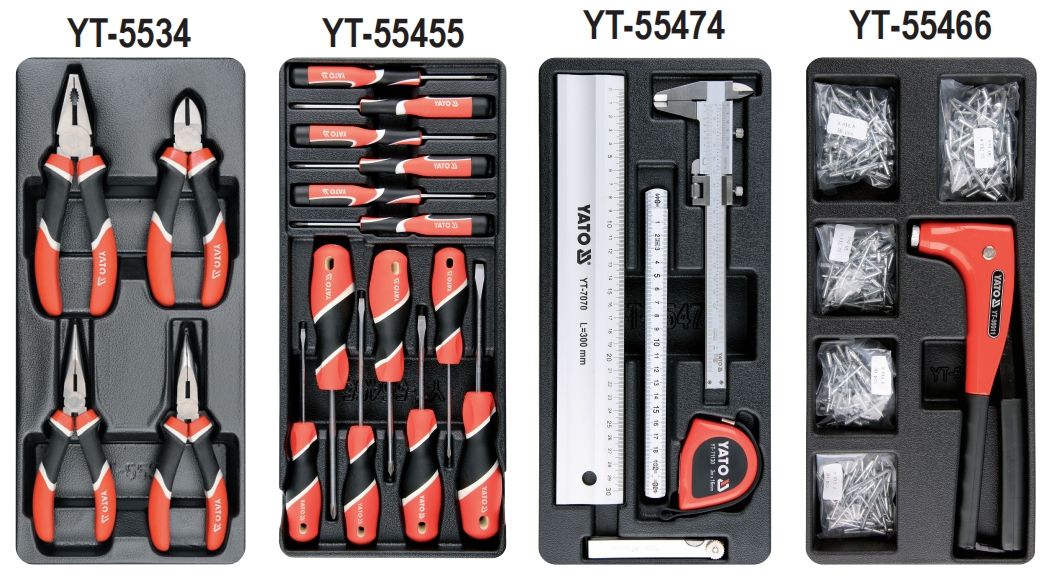
Wrenches and pliers provide grip and turning power. Adjustable wrenches work for different bolts. Tape measures help with accurate measuring. A reliable utility knife is useful for cutting materials.
Basic hand saws allow for cutting wood or plastic. A level helps keep surfaces even. These tools build the foundation of your workshop.
Specialized Tools For Specific Tasks
Some projects need tools made for one purpose. A wire stripper is vital for electrical work. It removes insulation from wires cleanly. A pipe wrench fits round pipes and plumbing jobs.
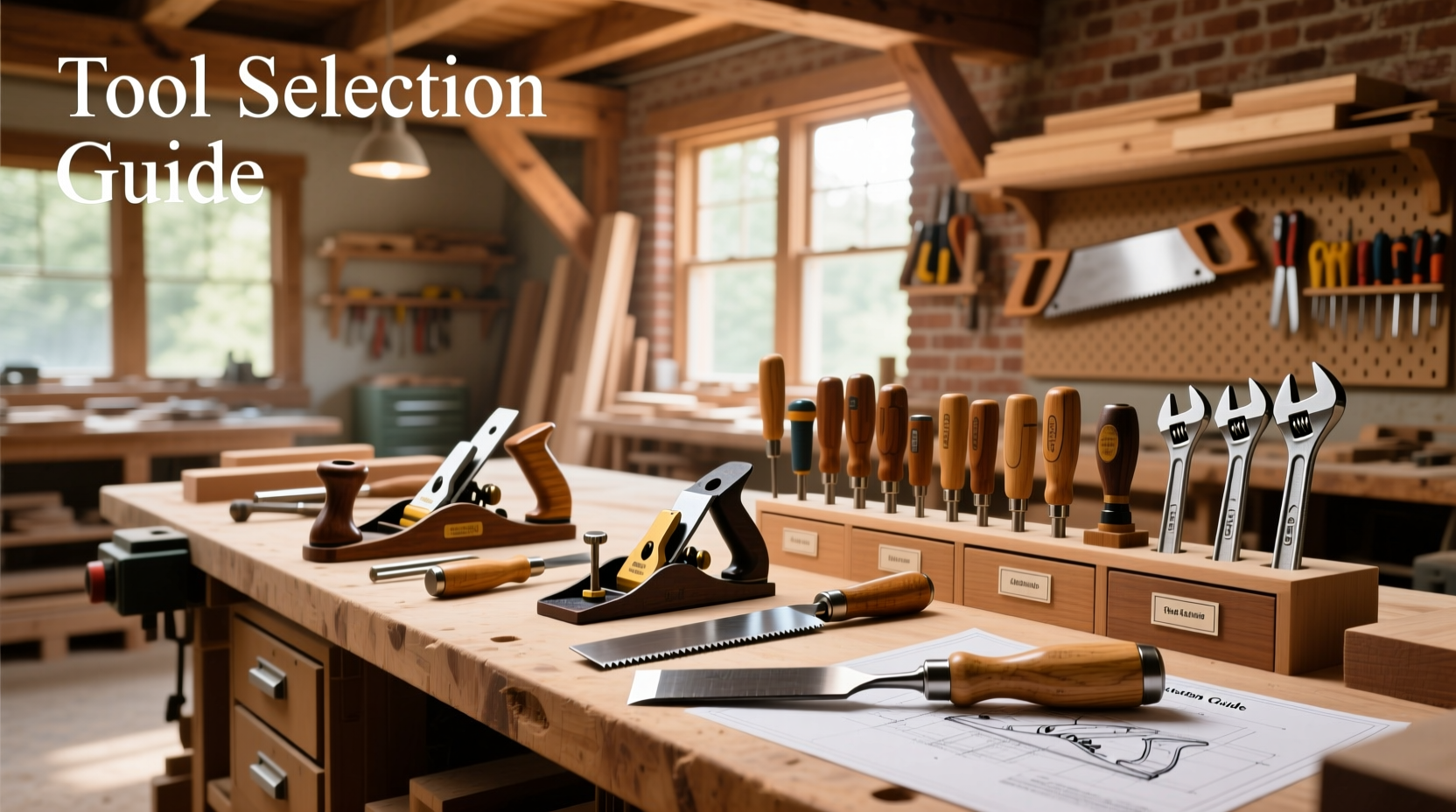
Chisels carve or shape wood precisely. A block plane smooths rough edges on wood surfaces. Specialty screwdrivers fit unusual screws.
Having the right specialized tools saves time and effort. They make tasks safer and the results better. Adding these tools depends on your workshop’s focus and projects.
Factors To Consider When Choosing Hand Tools
Choosing the right hand tools is important for any workshop. The right tools make work easier and safer. Several factors affect the choice of tools. These include quality, comfort, materials, and brand trust. Each factor plays a key role in tool performance and user experience.
Tool Quality And Durability
High-quality tools last longer and perform better. Look for tools with strong construction. They should resist wear and tear. Durable tools save money by reducing replacements. Check for solid joints and smooth finishes. A tool that breaks easily will slow down work.
Ergonomics And Comfort
Comfort is vital for long work sessions. Tools should fit well in your hands. Non-slip grips reduce hand fatigue and improve control. Lightweight tools help avoid strain and injury. Ergonomic design means less effort for each task. Choose tools that feel natural to hold and use.
Material And Build
Materials affect tool strength and weight. Steel tools offer great strength and durability. Plastic handles reduce weight but must be strong. Some tools have rubber grips for better hold. Avoid tools with cheap materials that can break. Quality materials improve tool safety and lifespan.
Brand Reputation
Brands with good reputations usually make reliable tools. Check reviews and user feedback. Trusted brands often provide warranties and support. They stand behind their products’ quality. Choosing a known brand reduces risk of poor tools. Brand reputation shows commitment to customer satisfaction.
Selecting Tools Based On Your Workshop Needs
Choosing the right hand tools depends on the type of work done in your workshop. Each craft requires specific tools to perform tasks safely and effectively. Understanding your workshop needs helps pick tools that match your projects and skills. This saves time and avoids buying tools that stay unused.
Tools For Woodworking
Woodworking demands precision and care. Essential tools include saws, chisels, and hammers. Measuring tools like tape measures and squares help ensure accuracy. Clamps hold wood pieces steady during cutting or gluing. A good set of screwdrivers and a hand plane improve finishing work. Choose tools with comfortable grips for better control.
Tools For Metalworking
Metalworking requires strong and durable tools. Pliers, files, and hammers are key for shaping metal. Cutting tools like metal shears and snips make clean cuts. Measuring tools like calipers and rulers offer precise dimensions. Welding gloves protect hands during hot work. Select tools made from high-quality steel to last longer.
Tools For Electrical Work
Electrical work needs safety and precision. Insulated screwdrivers and wire strippers are essential. Voltage testers check if wires are live before work begins. Crimping tools help join wires securely. Needle-nose pliers reach tight spaces easily. Always choose tools with proper insulation for safety.
Credit: smartbuy.alibaba.com
Budgeting For Hand Tools
Budgeting for hand tools is key to building a good workshop. Tools vary in price and quality. Spending wisely means getting tools that last and work well. A clear budget helps avoid overspending or buying cheap tools that break fast.
Balancing Cost And Quality
Good tools do not always mean the most expensive. Find a balance between cost and quality. Choose tools that feel strong and comfortable. Check reviews and ratings for real user experience. A fair price with good quality saves money over time.
When To Invest In Premium Tools
Save money on small tools but invest in key ones. Premium tools last longer and perform better. Use them for jobs needing precision and strength. Examples include chisels, saws, and drills. Investing in these tools can improve your work and reduce frustration.
Affordable Alternatives
Look for affordable brands with good feedback. Many budget tools perform well for casual use. Consider buying sets to save money. Second-hand tools can also be good choices. Inspect used tools carefully before buying. Affordable options help build your workshop without breaking the bank.
Maintaining And Caring For Hand Tools
Maintaining and caring for hand tools is key to keeping them in good shape. Proper care helps tools work well for many years. It also saves money by reducing the need for replacements. Simple habits can protect your tools from damage and rust. Regular attention makes your workshop safer and more efficient.
Cleaning And Storage Tips
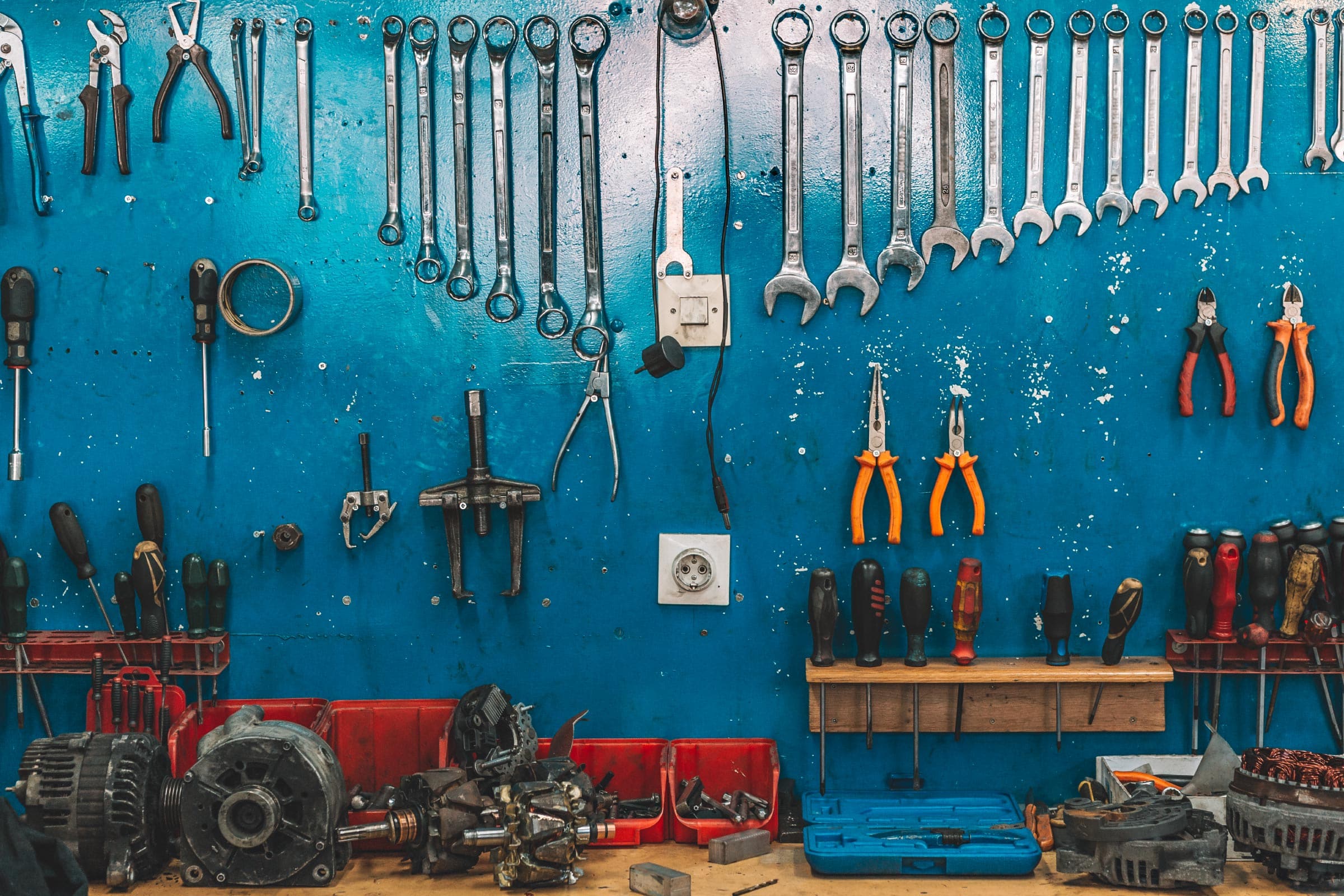
Clean tools after every use. Wipe off dirt and grease with a dry cloth. Use a brush to remove stubborn debris. Avoid leaving tools wet to prevent rust. Store tools in a dry place. Use toolboxes or pegboards to keep them organized. Proper storage stops damage and loss.
Sharpening And Repairs
Keep blades sharp for better performance. Use a sharpening stone or file carefully. Check tools for cracks or loose parts. Tighten screws and replace worn handles. Fix small problems early to avoid bigger issues. Well-maintained tools work safer and easier.
Extending Tool Lifespan
Use tools only for their intended tasks. Avoid dropping or throwing them. Apply oil on metal parts to stop rust. Rotate tools regularly to prevent wear. Inspect tools often for signs of damage. Good habits help tools last longer and stay reliable.
Credit: smartbuy.alibaba.com
Where To Buy Reliable Hand Tools
Choosing reliable hand tools starts with knowing where to buy them. The right store offers quality, good prices, and helpful advice. Finding trustworthy sellers saves time and money. It also ensures the tools last longer and work well.
Many options exist for buying tools. Some prefer to shop online, while others like visiting stores. Each method has its own benefits and drawbacks. Understanding these helps make the best choice for your needs.
Online Vs. In-store Shopping
Online shopping offers a wide selection of tools. You can compare prices and brands from home. Delivery is convenient, often right to your door. Yet, you cannot touch or test tools before buying. Shipping may take days or weeks.
In-store shopping lets you see and hold tools first. Staff can answer questions and give advice. Immediate purchase means no waiting for delivery. Stores may have fewer brands and higher prices. Crowds and travel can be inconvenient.
Trusted Retailers And Brands
Choose retailers known for quality and service. Big hardware chains often stock reliable tools. Specialty stores focus on professional-grade equipment. Well-known brands usually offer better durability. Avoid unknown sellers with unclear return policies. A good retailer stands behind their products.
Checking Reviews And Ratings
Reviews reveal user experiences with tools and sellers. High ratings often mean satisfied customers. Look for detailed feedback on tool performance. Beware of fake or overly positive reviews. Ratings help spot common problems or defects. Use reviews to make informed decisions.
Credit: wittnapa.com
Frequently Asked Questions
What Factors Determine The Best Hand Tools For Workshops?
The best hand tools depend on quality, durability, and comfort. Consider the tool’s purpose, materials, and brand reputation. Ergonomics and ease of use also matter. Prioritize tools that match your specific workshop needs for efficient and safe work.
How To Identify Durable Hand Tools For Heavy Use?
Look for tools made from high-grade steel or alloy. Check for solid construction and corrosion resistance. Trusted brands often offer warranties, ensuring durability. Read reviews and test tools for comfort and balance before buying.
Which Essential Hand Tools Should Every Workshop Have?
Basic hand tools include screwdrivers, pliers, hammers, and wrenches. Measuring tapes and utility knives are also vital. Choose versatile tools that cover multiple tasks. Quality over quantity ensures long-term workshop efficiency.
How To Maintain Hand Tools For Long-lasting Performance?
Clean tools after each use to prevent rust and damage. Store them in a dry, organized space like a toolbox. Regularly oil moving parts and sharpen blades. Proper care extends tool life and maintains performance.
Conclusion
Choosing the right hand tools makes your work easier and safer. Focus on quality, comfort, and the tasks you do. Test tools when possible to see what feels best. Keep your tools organized and well maintained. Good tools last longer and save money.
Take your time to pick tools that fit your needs. Your workshop will be more efficient with the right hand tools. Start small, then add tools as you grow. Enjoy working with tools that help you create.

Ms.Sultana
Affiliate Marketer | SEO Specialist | Blogger at Elite Global Marketing Agency
Ms.Sultana brings over 16 years of expertise working with global Clients by providing different skills and Services. For the last 5 years working as an Affiliate marketer, specializing in high-ticket campaigns that drive exponential growth. She holds a degree in Computer Science and Engineering as well as achieved many more skills certificates from different institute/academies/Platform. As part of the Elite Global Marketing team, Sultana has helped clients generate millions in revenue through strategic partnerships, innovative funnels, and data-driven insights. She’s passionate about empowering businesses to scale by connecting them with the right affiliate opportunities.
Explore our resources or connect with us on LinkedIn to stay ahead in affiliate marketing.