Brad Nailer Safety Tips: Essential Precautions for Every User
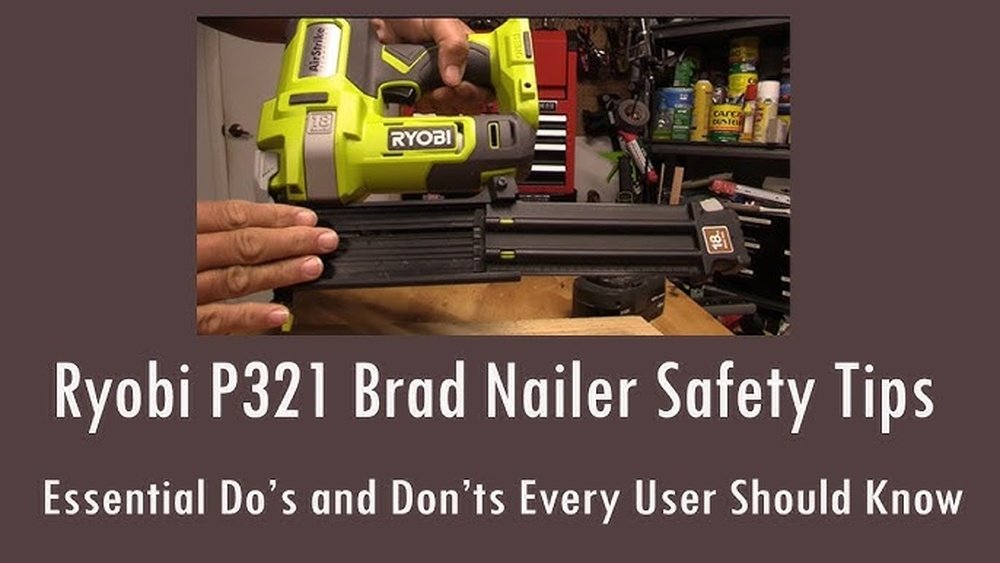
Using a brad nailer can make your projects faster and easier, but it also comes with risks you need to take seriously. If you want to protect yourself and avoid costly mistakes, knowing the right safety tips is a must.
You’ll discover simple, practical advice to keep your fingers, eyes, and hands safe every time you use a brad nailer. Keep reading to learn how a few smart habits can make your work smoother and accident-free.
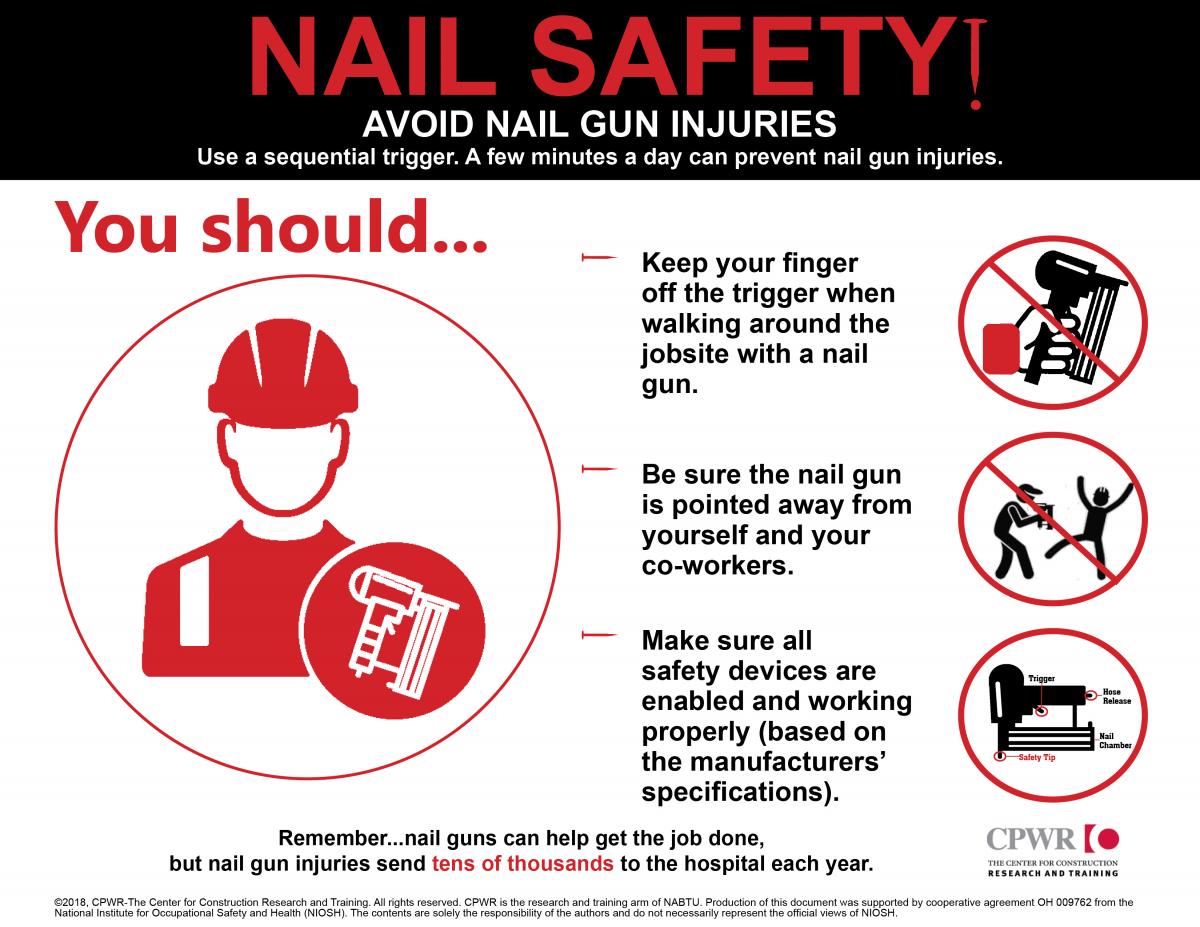
Credit: www.cpwr.com
Choosing The Right Brad Nailer
Choosing the right brad nailer is key to safe and effective work. The right tool fits your project and skill level. It helps you avoid mistakes and injuries. Knowing what type and size to use makes a big difference. Checking the tool’s condition keeps you safe during use. This guide helps you pick the best brad nailer for your needs.
Types Of Brad Nailers
Brad nailers come in different types. The main types are pneumatic, electric, and cordless. Pneumatic nailers use air pressure and need a compressor. Electric nailers plug into power outlets. Cordless models run on batteries. Each type suits different jobs and work areas. Choose one that matches your project size and location.
Matching Nail Size To Project
Select nails that fit your project materials. Brad nails come in lengths from 5/8 to 2 inches. Short nails work well for thin trim and small pieces. Longer nails hold thicker wood securely. Using the right nail size avoids damage to your work. It also prevents nails from bending or sticking out.
Checking Tool Condition
Always inspect your brad nailer before use. Look for loose parts or damage. Check the air hose or battery for issues. Clean the tool to remove dust and debris. A well-maintained tool works smoothly and safely. Stop using a nailer that shows signs of wear or damage.

Credit: mytoolkit.co.uk
Personal Protective Equipment
Using a brad nailer can be risky without the right protection. Personal Protective Equipment (PPE) helps keep you safe from flying debris, loud noise, and accidental injuries. Wearing the correct gear reduces the chance of serious harm. It also makes your work easier and more comfortable.
Eye Protection
Eyes are very vulnerable when using a brad nailer. Small nails or wood chips can fly into your eyes quickly. Safety glasses or goggles shield your eyes from these dangers. Choose glasses with strong lenses and side protection. Clear vision and comfort are important for safe work.
Hearing Protection
Brad nailers make loud noises that can hurt your ears. Over time, loud sounds can cause hearing loss. Earplugs or earmuffs help reduce noise levels. They protect your hearing and let you focus better on your task. Always wear hearing protection in noisy environments.
Hand And Body Safety
Hands and body parts are close to the nailer’s fast-moving parts. Wear gloves to protect your hands from punctures and scrapes. Long sleeves and durable clothing guard your arms and body. Avoid loose clothes that can get caught in the tool. Stay alert and keep your hands clear of the nailer’s path.
Safe Operating Practices
Safe operating practices are key to using a brad nailer without injury. Understanding how to handle and fire the tool correctly lowers risks. It also helps keep your work clean and precise. Focus on these simple habits to stay safe and effective.
Proper Handling And Grip
Hold the brad nailer firmly with both hands. A steady grip stops slips and misfires. Keep your fingers away from the trigger when not in use. Always point the tool away from yourself and others. Check the grip for comfort and control before each use.
Correct Firing Techniques
Press the brad nailer firmly against the work surface. This ensures the nail goes in straight and deep. Avoid firing in mid-air or at an angle. Use smooth, controlled pressure on the trigger. Let the tool do the work; don’t force the nails.
Avoiding Accidental Discharge
Keep the brad nailer unloaded when not using it. Use the safety lock or switch to prevent accidental firing. Never point the tool at anyone, even if it seems empty. Store the nailer in a safe place away from children. Always check the tool before handling or moving it.
Credit: www.youtube.com
Worksite Safety Measures
Worksite safety measures are essential when using a brad nailer. They reduce the chance of accidents and injuries. Keeping the workspace organized and clear helps everyone work more safely and efficiently.
Following simple safety steps protects both the user and others nearby. Clear communication and secure workpieces prevent mistakes and hazards. Below are key tips for maintaining a safe worksite.
Keeping Work Area Clear
Remove clutter and debris from the workspace. A clear area prevents tripping and slipping hazards. Keep tools and materials organized and out of walkways. This helps you focus and avoid accidents. Make sure there is enough light to see clearly. A tidy space means safer work with a brad nailer.
Securing Workpieces
Hold your workpieces firmly before nailing. Use clamps or vices to keep them steady. Loose pieces can shift and cause misfires or injuries. Properly secured materials allow precise nailing and reduce risks. This step ensures your nails go exactly where needed.
Communicating With Team Members
Talk clearly with others on the site. Let them know when you are using the brad nailer. Use simple signals or words to warn nearby workers. Good communication helps avoid surprises and accidents. Everyone stays alert and safe with clear teamwork.
Maintenance And Storage
Proper maintenance and storage extend the life of your brad nailer. They keep the tool working well and safe to use. Neglecting care can cause problems during your projects.
Cleaning and checking the tool regularly prevents dirt buildup and damage. Safe storage protects the nailer from moisture and accidents. Knowing how to handle malfunctions avoids bigger issues.
Regular Cleaning And Inspection
Clean your brad nailer after each use. Remove dust, dirt, and leftover nails. Use a soft cloth and compressed air. Check for loose screws or damaged parts. Tighten or replace parts as needed. Regular checks help spot small problems early.
Storing Tools Safely
Store your brad nailer in a dry place. Avoid damp or humid areas. Use the case that came with the tool. Keep it away from children and pets. Place it on a stable shelf or in a toolbox. Proper storage keeps the tool safe and ready.
Handling Malfunctions
Stop using the nailer if it jams or misfires. Unplug or disconnect the tool first. Clear the jam carefully following the manual. Do not force parts to move. If the problem continues, seek professional repair. Never ignore strange sounds or smells.
Training And Skill Development
Training and skill development are key to using a brad nailer safely. Proper training helps avoid accidents and ensures better work quality. Learning the correct techniques builds confidence and reduces errors.
Practice strengthens your skills and makes handling the tool easier. Staying informed about safety standards keeps you up to date with the best practices. Together, these steps form a solid base for safe brad nailer use.
Learning Manufacturer Guidelines
Start by reading the brad nailer manual carefully. Each model has specific instructions and safety advice. Follow these guidelines to operate the tool correctly. Ignoring manufacturer advice can lead to dangerous mistakes. Always use the recommended nails and settings.
Practicing On Scrap Materials
Use scrap wood to practice before working on real projects. This helps you get a feel for the tool’s power and accuracy. Practice reduces the chance of damaging your work or hurting yourself. Test the nail depth and placement often. Practice builds muscle memory and control.
Staying Updated On Safety Standards
Safety rules can change over time. Keep learning about new regulations and best practices. Check safety websites and industry updates regularly. Use protective gear as recommended by safety standards. Staying updated helps prevent injuries and keeps your skills sharp.
Frequently Asked Questions
What Safety Gear Should I Wear Using A Brad Nailer?
Always wear safety glasses and hearing protection. Gloves can protect your hands. Avoid loose clothing that can get caught. Proper footwear helps prevent slips. These precautions reduce injury risks during brad nailer use.
How Do I Prevent Accidental Firing With A Brad Nailer?
Keep the nailer pointed away from yourself and others. Engage the safety lock when not in use. Never bypass safety mechanisms. Only fire the nailer when the tip is pressed firmly against the work surface.
Can I Use A Brad Nailer Without Experience Safely?
No, beginners should read the manual thoroughly first. Practice on scrap wood to build skill. Start with low pressure settings. Consider supervision or training to prevent accidents. Safety knowledge is crucial for all users.
What Is The Correct Way To Hold A Brad Nailer?
Grip the handle firmly with your dominant hand. Keep fingers away from the trigger until ready to fire. Hold the nailer perpendicular to the work surface. This ensures accurate nailing and reduces the chance of misfires.
Conclusion
Using a brad nailer safely protects you from injury and damage. Always wear safety glasses and keep your hands clear. Check the tool before use to avoid jams or misfires. Work in a clean, well-lit area for better control. Follow these tips to work confidently and reduce risks.
Safety should always be your top priority when using power tools. Stay alert, take your time, and handle your brad nailer with care. This keeps your projects smooth and accident-free every time.
Michael Harris is an experienced woodworker and power tool expert with over 12 years in woodworking. Specializing in functional, high-quality furniture, he offers expert advice on tool selection, maintenance, and sharpening for both beginners and professionals.