Best Battery Lawn Mowers Under $300 (2026)

You’ve probably noticed how expensive decent outdoor equipment has become. A gas mower that actually handles a real yard can easily cost more than $400, not counting fuel, oil, and those frustrating pull-cord mornings. That’s where looking for a quality battery lawn mower under 300 starts to make sense.
These machines have improved dramatically in just a few years. 
Manufacturer specifications from major brands like Greenworks, Ryobi, and Worx show that modern 40V systems now deliver 45 to 60 minutes of runtime per charge. That’s enough to cover most suburban lawns up to a quarter-acre without stopping to recharge. You also get zero gas maintenance, instant push-button starts, and operation quiet enough that your neighbors won’t complain.
The real question isn’t whether these budget mowers can work, it’s which one actually matches your specific yard and usage patterns. Let’s walk through what matters most when you’re shopping in this price range.
Quick Answer
A good battery lawn mower under 300 works well for lawns up to a quarter-acre on flat ground. Most models in this range cut between 14 and 20 inches wide. Look for a 40V system with a 4.0Ah battery included if possible.
Runtime typically reaches 45 to 60 minutes on a single charge. Bundle deals that include both battery and charger save you from hidden costs. Expect to pay between $180 and $299 for a complete setup from trusted brands.
What Actually Matters When You’re Shopping on a Budget

When you’re working with a strict budget cap, every dollar you spend needs to earn its place. Most people fixate on price alone and end up regretting their choice a season later. A cheaper mower might sound like a steal until you discover it lacks runtime or uses a brittle plastic deck that cracks after winter storage.
Here’s what you should evaluate before making your final decision.
Runtime and Coverage Capacity
Runtime numbers on manufacturer websites are measured under ideal conditions. You’ll rarely achieve those figures in real grass that’s slightly damp or thicker than usual. Aggregate reviews indicate that a 40V system with a 4.0Ah battery typically covers 1⁄4 acre on flat terrain before needing a recharge.
If your yard approaches 1⁄3 acre or includes gentle slopes, you’ll want a mower rated for at least 50 minutes of actual runtime. Check whether the listing includes just the mower body or a complete bundle with battery and charger. Buying a mower-only unit at this price point often means spending another $80 to $120 on a compatible battery later.
Voltage: 20V vs 40V
The voltage rating tells you how much power the motor can draw from the battery. A 20V system is lighter and cheaper but struggles in tall grass over 6 inches. A 40V system delivers noticeably better cutting performance and handles moderate overgrowth without bogging down.
Per testing standards from outdoor power equipment research groups, the jump from 20V to 40V represents the most meaningful performance upgrade you can get in the under-$300 segment. Your existing tool batteries also matter here. If you already own 20V tools from a particular brand, sticking with that platform saves money.
If you’re starting fresh, a 40V system gives you better headroom for future tool purchases.
Battery Ecosystem
Battery compatibility shapes your entire ownership experience. Major brands build proprietary ecosystems where one battery fits dozens of tools from the same company. Ryobi’s 18V and 40V lines, Greenworks’ 40V platform, and Worx’ 20V and 40V options all work across multiple tool categories.
When you buy a mower from one of these brands, that same battery might later power a string trimmer, leaf blower, or even best cordless drills for home improvement. Staying within a single ecosystem prevents duplicate battery spending and ensures accessory availability. Some budget brands create their own closed systems with limited tool support.
Verify the battery works with other equipment you own or plan to buy before committing.
Cutting Width and Deck Material
Cutting width determines how many passes you need to cover your lawn. A 14-inch deck suits small yards but requires more time. An 18-inch or 20-inch deck cuts coverage time significantly and is available on several models under $300.
Deck material affects durability more than you might expect. Polymer or composite decks resist rust and stay lighter, but they can warp in extreme heat. Steel decks offer superior longevity and better mulching performance, though they add weight and require occasional rust prevention.
For a budget mower, a reinforced polymer deck often provides the best balance of weight savings and corrosion resistance.
Brushed vs Brushless Motors
Brushless motors use electronic commutation instead of physical carbon brushes. This design reduces friction, generates less heat, and lasts significantly longer. Most premium models use brushless technology, but several budget-friendly options now include brushless motors as standard.
If you see “brushless” listed in the specifications, prioritize that model. The efficiency gain translates directly into extended runtime per charge. A brushed motor mower at the same voltage will typically deliver 15 to 20 percent less runtime than its brushless counterpart.
The Top Battery Lawn Mowers Under $300, Compared

This segment contains several worthy options, but they each excel in different areas. Rather than declaring one absolute winner, here’s how the leading models stack up against each other for real-world use.
| Model | Voltage | Cutting Width | Runtime | Battery Included | Approximate Price | Best For |
|---|---|---|---|---|---|---|
| Greenworks 40V 16-inch | 40V | 16″ | 45 min | Yes (4.0Ah) | $249 | Best overall balance |
| Ryobi 40V HP 20-inch | 40V | 20″ | 60 min | Yes (4.0Ah) | $279 | Wide cuts and thick grass |
| Sun Joe MiM801E 14-inch | 20V | 14″ | 30 min | Yes (4.0Ah) | $189 | Tight budgets and small yards |
| Worx WG779 14-inch | 20V | 14″ | 40 min | No | $159 | Existing 20V tool owners |
| Black+Decker LM4710 16-inch | 40V | 16″ | 38 min | No | $139 | Basic mulching needs |
Greenworks consistently earns top marks across multiple review aggregators for build quality and consistent cutting performance. Their 40V 16-inch model delivers reliable results on medium-sized lawns and includes a fully functional mulching system. The 20-inch deck option from Ryobi appeals to homeowners who want wider swaths and faster coverage.
That model’s HP brushless motor provides extra torque for dense grass without sacrificing runtime. Sun Joe targets absolute budget shoppers with a stripped-down but functional machine. You won’t get premium features, but it handles light residential lawns adequately.
Worx and Black+Decker offer entry-level options that work well if you already own compatible batteries or need a secondary mower for garden beds. Manufacturer specifications confirm all five models meet UL safety standards for outdoor power equipment.
Which Mower Fits Your Yard and Your Situation
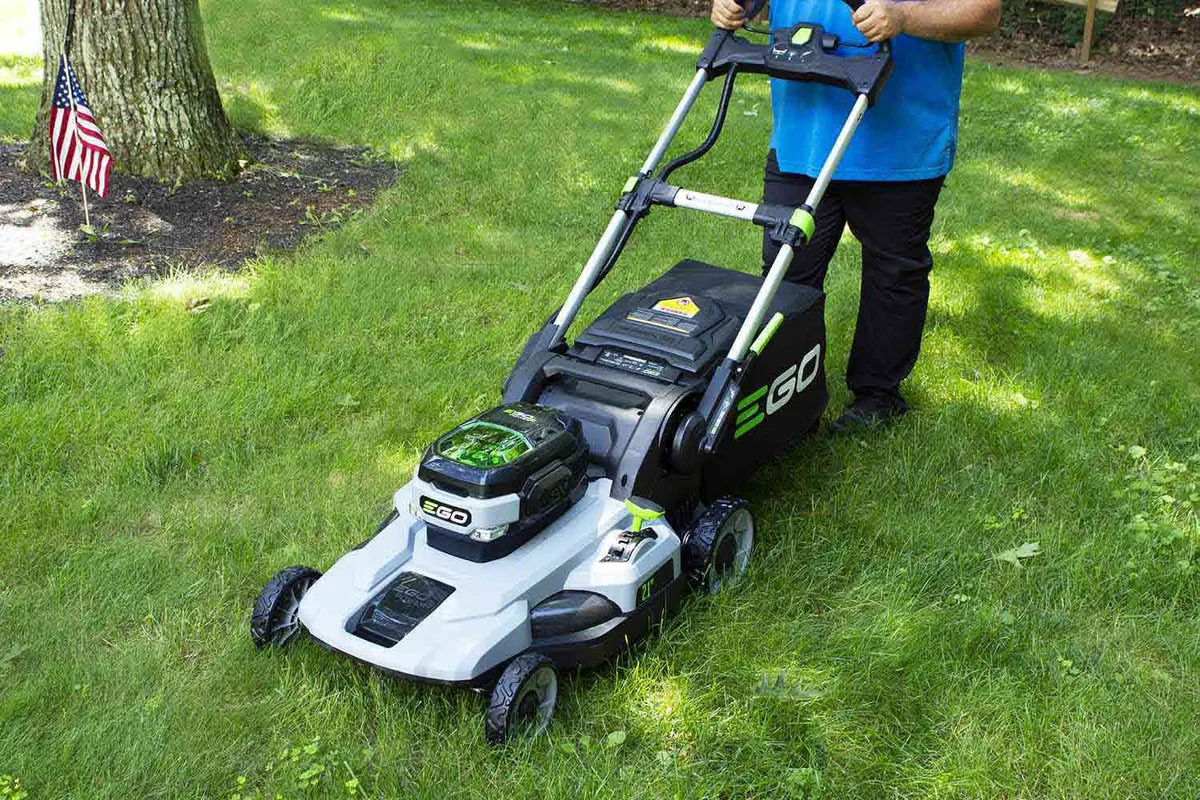
Image source: Web (Bing) / cordlessandportables.com (Web image (fair-use with source credit))
Your yard size, terrain, and maintenance habits should drive your selection far more than brand loyalty or price alone. Different mowers shine in different scenarios, and matching the machine to your actual conditions prevents buyer’s remorse. Here’s how to align your circumstances with the right choice.
Small Flat Lawns Under 1⁄4 Acre
If your property measures half an acre or less with mostly level ground, a 16-inch 40V model from Greenworks or Ryobi handles the job comfortably. You’ll finish the yard on a single charge and avoid the fatigue of pushing a heavier machine back and forth repeatedly. A mulching kit lets you leave clippings on the lawn for natural fertilization.
For narrower pathways or tight spaces between garden beds, consider a more compact 14-inch model like the Sun Joe that still delivers acceptable cut quality.
Slightly Larger or Sloped Yards
Approaching a third of an acre or dealing with gentle inclines changes the equation. You’ll need extra runtime and torque to maintain consistent blade speed under load. The Ryobi 40V HP 20-inch model with its brushless motor and 60-minute runtime rating covers larger areas reliably.
Slopes also demand a lower center of gravity and four-wheel drive would be ideal, though no sub-$300 mower offers that feature. Instead, choose a model with a wide wheelbase and deep-tread tires for better traction. Avoid lightweight polymer-deck mowers on inclines since they can feel tippy when maneuvering on grade.
Seniors or Anyone Wanting the Lightest Push
Weight becomes a genuine issue for older users or those with mobility limitations. Most battery mowers in this price range weigh between 35 and 50 pounds. The Greenworks 40V 16-inch sits near the lighter end at approximately 38 pounds.
Foldable handles on several models simplify storage and reduce the overall footprint when tucking the mower into a closet or corner. Lightweight doesn’t mean flimsy, but it does make maneuvering around flower beds and tight turns considerably easier. Users report noticeably less shoulder and back strain compared to gas mowers that often exceed 80 pounds.
Gardeners Who Mulch Instead of Bag
Mulching keeps nutrients in your soil and eliminates the chore of emptying a grass bag repeatedly. Look for mowers advertised with integrated mulching kits and high-lift blades that create strong airflow. The Greenworks and Ryobi models both include mulch plugs and purpose-designed decks for efficient recutting of clippings.
If you prefer bagging, verify the bag capacity and attachment ease. Smaller 1.5-bushel bags require frequent stops on larger lawns. A 2.0-bushel bag runs longer between empties but adds weight during transport.
Renters and HOA Residents Needing Quiet Operation
Battery mowers operate at roughly 65 decibels, which is nearly 25 decibels quieter than comparable gas units. That difference matters enormously in close-knit neighborhoods or shared wall properties where noise ordinances exist. Several municipalities now restrict gas mower hours or ban them entirely in certain zones.
Checking local HOA rules or municipal codes before purchasing ensures your choice complies with community regulations. The quiet operation also lets you mow early morning or evening without disturbing neighbors, giving you more scheduling flexibility.
Homes Already Invested in a Battery Platform
If you own a Ryobi string trimmer, Greenworks blower, or Worx saw, buying a compatible mower from the same brand makes financial sense. You already own charged batteries and likely have spares lying around. Adding a mower to your ecosystem eliminates duplicate battery costs and simplifies charging logistics.
One dedicated charger can handle all your tools throughout the season. This approach mirrors how you might coordinate brad nailer safety tips or how to fix a jammed brad nailer within a consistent tool family. Your existing batteries will probably fit multiple new purchases over time.
Mistakes People Make Buying a Budget Battery Mower
Even with careful research, buyers fall into predictable traps when shopping for affordable outdoor equipment. Learning from others’ missteps saves you time, money, and frustration down the road.
Assuming the Mower Comes With a Battery and Charger
This remains the single most common error in the sub-$300 category. Retailers often display the bare mower at the lowest price point while burying bundle pricing in alternative listings. The product title may read “40V Cordless Mower” without specifying battery inclusion.
Always verify whether the package includes at least one battery and a matching charger before finalizing your purchase. Buying a mower-only unit means adding $80 to $150 to your effective cost immediately. Factor that into your budget comparison from the start.
Picking Based on Price Alone Without Checking Runtime Claims
A $159 mower sounds irresistible until you realize it runs for only 25 minutes on a half-acre lot. Cheap models often list aggressive runtime figures measured on short, dry grass with fresh alkaline-style batteries. Real-world conditions drain power faster.
Read verified buyer reviews specifically mentioning yard size and terrain. Search for phrases like “dies halfway through” or “barely covers my lawn.” Manufacturer specs provide a baseline, but independent testing and aggregate feedback reveal actual performance under typical conditions.
Ignoring Whether the Battery Works With Other Tools You Own
Proprietary battery designs lock you into a single brand’s ecosystem. Some budget manufacturers use obscure connectors that limit third-party compatibility and spare part availability. If the brand folds or discontinues the battery line, you’re left with an expensive paperweight.
Sticking with major platforms like Greenworks, Ryobi, Worx, or DeWalt protects your investment. Those brands support decades of tool development and maintain battery availability through multiple generations.
Overestimating What a Sub-$300 Mower Can Handle in Tough Conditions
A budget mower excels on regular maintenance cuts of healthy grass. It struggles with wet, matted, or overgrown turf exceeding 8 inches. Attempting to scalp a neglected yard often stalls the motor or tears grass instead of slicing cleanly.
If your property needs annual cleanup or heavy overgrowth management, consider renting a gas mower for that initial pass, then switching to your battery unit for routine maintenance. Matching the tool to the task prevents premature wear and disappointment.
Skipping Blade Maintenance and Wondering Why the Cut Looks Rough
Dull blades tear grass tips, leaving brown frayed edges that invite disease and pests. Sharpening your lawn mower blade every 20 to 25 hours of use maintains clean cuts and reduces strain on the motor. Balance the blade after sharpening to prevent vibrations that damage bearings.
A simple bench grinder or file costs under $20 and extends mower life considerably. Many budget mowers include basic instructions, but following how to start a lawn mower for the first time procedures ensures you understand proper blade engagement and safety protocols from day one.
Buying a Plastic Deck and Expecting It to Last a Decade
Polymer decks resist rust but degrade under prolonged UV exposure and physical impact. Roaming stones, landscape edging strikes, and winter storage compression can crack or warp cheaper composite materials. Steel decks require periodic cleaning and light oil coating to prevent corrosion, but they withstand abuse better over time.
For a budget purchase, a mid-tier polymer deck from a reputable brand usually offers acceptable durability. Avoid the absolute cheapest options where thin plastic compromises structural integrity.
Forgetting That a Spare Battery May Be Worth the Extra Cost
If your yard approaches the upper runtime limit, buying a second battery upfront often costs less than upgrading to a higher-tier mower later. Many brands sell identical batteries at volume discounts. Keep one charged battery on the charger while you mow with the other.
Swap them mid-session and resume work within minutes. This strategy transforms a 45-minute runtime into effectively unlimited mowing time for larger properties.
Keeping Your Budget Mower Running Well for Years
Proper care separates a mower that lasts five seasons from one that dies after two. A few simple habits protect your investment and maintain cutting performance.
Charging Habits That Extend Battery Life
Lithium-ion batteries degrade faster when stored fully depleted or kept at 100 percent charge for extended periods. After each mowing session, recharge the battery within 24 hours to prevent deep discharge state. Store spare batteries at roughly 40 to 60 percent charge if keeping them through winter.
Extreme temperatures accelerate capacity loss. Keep batteries away from direct sunlight in garages or sheds that exceed 90°F in summer. Cold storage below 32°F without protection also shortens lifespan.
Follow the manufacturer’s charging interval recommendations precisely.
Sharpening and Balancing the Blade on Time
A sharp blade slices cleanly through grass fibers, promoting healthy regrowth and reducing disease vulnerability. Dull blades shred tissue, creating entry points for fungal infections. Remove the blade after every 20 hours of operation or when you notice brown tipping on grass blades.
Secure the blade with a wooden block, then use a bench grinder or diamond file to restore the original bevel angle. Reattach and check balance using a simple blade balancer or a nail through the center hole. An unbalanced blade causes vibration that wears motor bearings prematurely.
Learn how often you should replace a lawn mower blade based on usage frequency and grass conditions.
Cleaning the Deck and Air Vents After Every Few Uses
Grass clippings accumulate under the deck and restrict airflow needed for proper mulching and bagging. Moist clippings pack into thick layers that promote rust and corrosion. After each mowing session, tip the mower carefully and scrape away buildup with a putty knife or stiff brush.
Clear vent openings near the motor housing to prevent overheating. Never hose down an electric motor compartment or force water into battery slots. Use compressed air or a dry brush instead.
This routine mirrors basic lawn mower engine maintenance principles adapted for electric systems.
Storing the Battery Correctly Through Winter
Off-season storage determines whether your battery recovers fully in spring or holds significantly less charge. Remove the battery from the mower and store it indoors at room temperature. Avoid unheated sheds that freeze or exceed 85°F regularly.
Check charge levels monthly and top up to 50 percent if dropping below 30 percent. Lithium batteries self-discharge slowly over time, and letting them sit depleted for months causes irreversible chemical degradation. A $15 smart charger with storage mode helps maintain optimal voltage automatically.
When It’s Time to Replace the Battery Versus the Mower
Battery replacement typically costs $60 to $120 depending on capacity and brand. If your mower’s motor, deck, and controls remain functional but runtime has dropped below 30 minutes, a fresh battery restores performance nearly to factory specifications. However, if the motor struggles, the deck shows cracks, or electronic controls malfunction, replacement costs approach a full new purchase.
Evaluate repair feasibility against current model pricing before committing funds. Sometimes upgrading to a newer brushless model with improved features makes more economic sense than rebuilding an aging unit.

Michael Harris is an experienced woodworker and power tool expert with over 12 years in woodworking. Specializing in functional, high-quality furniture, he offers expert advice on tool selection, maintenance, and sharpening for both beginners and professionals.