How to Safely Lift a Zero Turn Mower (Step-by-Step)
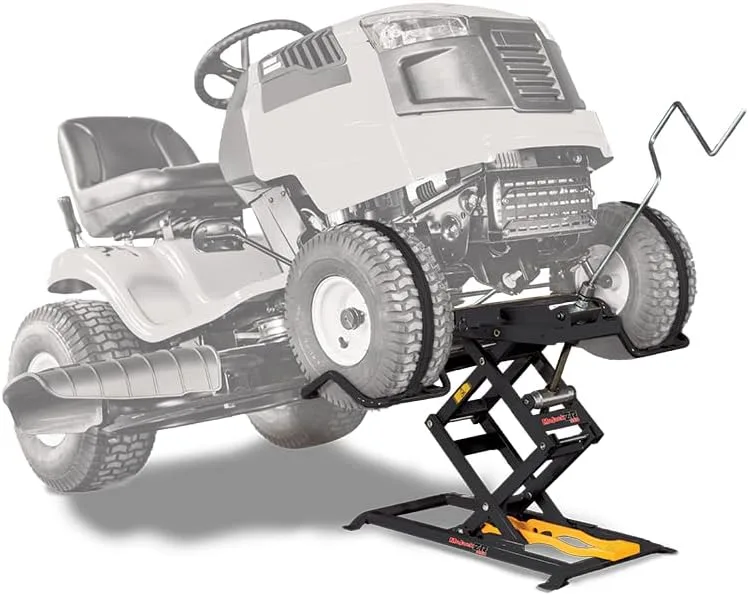
# How to Safely Lift a Zero Turn Mower (Step-by-Step)

Image source: Web (Bing) / amazon.com (Web image (fair-use with source credit))
Lifting a zero turn mower might seem straightforward, but it carries real risks if you don't know what you're doing. These machines weigh between 500 and over 900 pounds, and their rear-heavy design makes them prone to tipping. Per OSHA handling guidelines, improper lifting is a leading cause of lawn equipment injuries.
Understanding how to lift your mower safely protects both you and your investment. You'll avoid back injuries, prevent expensive frame damage, and keep your warranty intact. Let's walk through exactly how to do this right, starting with why the stakes are higher than most people realize.
## Quick Answer
Proper lifting a zero turn mower requires using manufacturer-specified frame points and rated equipment. You'll need a mower jack or floor jack with at least 1,500-pound capacity for most residential models. Always lift vertically at designated brackets, never by the deck. Follow your operator's manual for exact locations and procedures.
## Why Lifting a Zero-Turn Mower Is a Serious Safety Issue
Zero-turn mowers sit heavy on their rear axle. That weight distribution creates a real tip-over risk the moment you apply force in the wrong spot. Most residential models weigh 600 to 800 pounds dry. Add a full tank of gas and you're pushing toward 700 to 900 pounds. That's not something you toss over your shoulder.
The injuries people sustain are predictable and severe. Back strains from twisting while supporting that weight top the list. Crushed fingers and toes happen when a mower shifts on an unstable jack. Tip-over incidents can pin you against the ground or the machine itself. Emergency room data consistently flags lawn equipment handling as a source of significant trauma.
Equipment damage stacks on top of personal risk. Lift at an unlabeled point on the frame and you can bend structural tubing. Jam a jack under the deck bracket and you'll crack the casting. Both problems cost money to fix and may void your warranty entirely. Manufacturer guidelines exist for a reason.
[]
You also need to think about what happens during transport. Dropping a mower from a trailer bed or dragging it up a steep ramp creates uncontrolled force. That's when wheels break, axles snap, and operators get hurt. Smart preparation prevents every one of these scenarios.
Your best resource is the operator's manual that came with the machine. It spells out lifting points, weight limits, and recommended tools. If you've misplaced yours, most manufacturers post digital copies online. Don't guess. Read the manual first, then explore mower maintenance guides to keep the whole process smooth.
## Understanding Your Mower's Weight and Balance Points
Knowing your mower's exact weight and balance helps you pick the right lifting approach. Residential ZTRs typically range from 500 to 800 pounds. Commercial units run 800 to over 1,500 pounds. The difference matters because it determines whether you need a simple jack, a dolly system, or professional help.
Fuel weight adds six to eight pounds per gallon. A half-tank of gas changes your lifting calculation noticeably. Deck position also shifts the center of gravity. Some mowers lift cleaner with the deck raised. Others prefer it lowered for stability. Check your manual for the recommended position.
Factory lifting points are usually reinforced brackets welded to the frame. They sit near the rear axle and sometimes at the front frame rails. These areas are engineered to handle concentrated load without bending. Anything else is a gamble. Looking for these brackets is step one before you ever raise the machine.
| Mower Type | Typical Weight Range | Recommended Jack Capacity |
|---|---|---|
| Residential ZTR (42-inch deck) | 500–700 lbs | 1,500 lbs minimum |
| Residential ZTR (54-inch deck) | 650–850 lbs | 2,000 lbs minimum |
| Commercial ZTR | 800–1,500 lbs | 3,000+ lbs minimum |
Jack capacity should always exceed the lift weight by at least 50 percent. A 1,500-pound-rated jack handles a 900-pound mower comfortably. Pushing that same mower near the jack's limit creates stability issues and increases accident risk.
Tire pressure affects balance too. Underinflated tires compress unevenly and shift the center of gravity when lifted. Inflate all four tires to spec before you begin. This gives you a predictable starting position and reduces unexpected movement during the lift.
You'll also want to consider how fuel type influences weight. Diesel engines add roughly ten to fifteen pounds over comparable gasoline models. Electric mowers vary widely but often run lighter due to battery placement. Factor these details into your lifting plan, especially if you're moving between trailers and shop floors regularly.
## The Safe Lifting Process: Step-by-Step
Getting the mower off the ground requires preparation and patience. Rushing any step invites mistakes. Follow this sequence and you'll move the machine safely every time.
### Prepare Your Equipment and Workspace
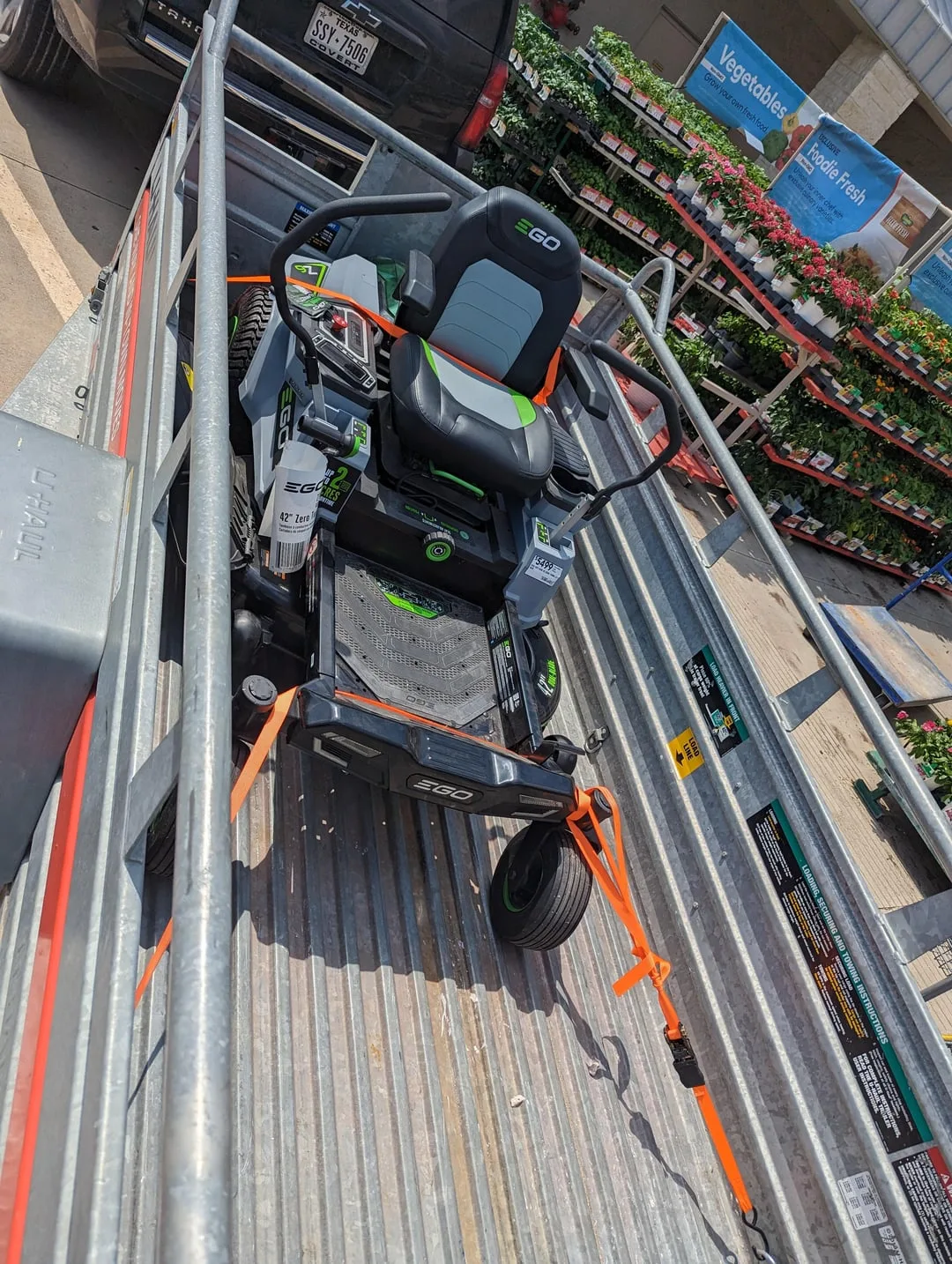
Start by gathering the right tools. You'll need a hydraulic floor jack or dedicated mower jack rated for your machine's weight. Roll-out dollies work well for moving mowers across flat surfaces. Wheel chocks keep the mower from rolling once lifted. Ratchet straps secure everything for transport.
[]
Choose a level surface free of oil, debris, and uneven patches. Concrete or packed gravel works best. Grass or dirt shifts under load and can cause the jack to sink or tip. Clear a path from your starting point to wherever the mower is going.
Inspect every piece of equipment before use. Check the jack for leaks, cracks, or worn seals. Examine dollies for bent wheels or loose axles. Ensure ratchet straps show no fraying or damaged hooks. Defective gear fails at the worst possible moment.
Park the mower on the prepared surface. Engage the parking brake fully. Remove the ignition key and wait for all moving parts to stop. Disconnect the battery if you'll be working under the deck. This eliminates accidental starts and protects your electrical system.
### Lift Using Only Manufacturer-Specified Points
Locate the factory lifting brackets on your frame. These are usually stamped or labeled in the manual. Position your jack directly under the correct point. Never lift from the deck, the exhaust, or any component not designed for that kind of stress.
Lower the jack slowly until it makes firm contact. Begin raising just enough to clear the ground. Pause frequently to check stability. If the mower rocks or leans, lower it immediately and reposition.
Once elevated, slide a dolly underneath if you need to move the machine. Secure the dolly wheels before proceeding. For trailer loading, align ramps carefully and ensure they're rated for the weight. Slow, controlled movement beats speed every time.
Check out a proper mower lift setup to understand how dedicated equipment simplifies the entire process.
### Secure for Transport or Maintenance
Strap the mower down using four-point tie-downs when loading onto a trailer. Anchor to frame rails, never to plastic covers or detachable parts. Pull straps tight using the ratchet mechanism until the mower sits firmly against the bed.
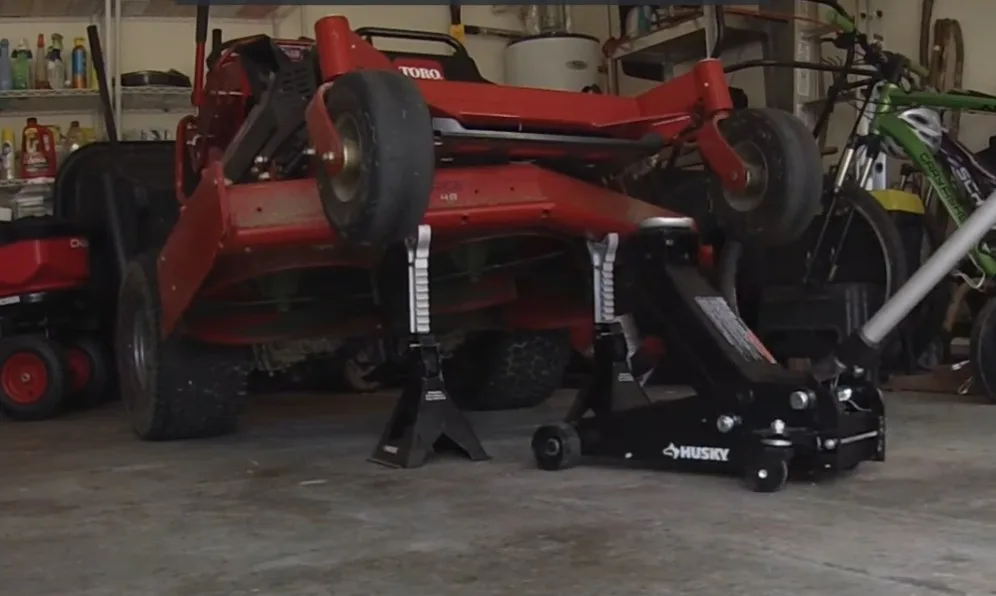
For deck access work, use jack stands rated above the mower's weight. Never rely solely on a hydraulic jack for support. Hydraulic fluid leaks or valve failures can drop the machine unexpectedly. Jack stands are mechanical locks that won't fail silently.
Double-check everything before walking away. Give the mower a firm shake to confirm stability. Verify all straps are tight and all stands are locked. A few seconds of verification prevents hours of cleanup and repair.
## Common Mistakes That Lead to Injury or Damage
Most mower lifting accidents stem from avoidable errors. Recognizing these pitfalls early keeps you safe and protects your equipment from unnecessary wear or breakage.
[]
Lifting by the deck is the most common mistake. Deck mounting brackets aren't structural. They flex under load and can crack or tear free. The result is a sudden drop and a damaged cutting unit. Always lift from the frame.
Using an undersized jack creates immediate instability. A 3,000-pound jack handles a 700-pound mower with ease. A 1,000-pound jack pushed to its limit wavers and shifts. When the mower tilts, fingers get caught and backs get strained. Size matters more than price.
Dragging the mower instead of rolling it damages tires and bruises frames. Even short drags across concrete scuff paint and stress wheel bearings. Invest in a proper dolly system and roll rather than pull. Your lawn mower forum discussions will confirm this is a repeated lesson.
Skipping wheel chocks invites rolling accidents. A mower on a slight slope or bumpy surface can creep the moment you release the jack. Chocks on both sides of at least one tire eliminate this risk entirely. It takes ten seconds and prevents serious injuries.
Assuming a single person can handle any ZTR independently is dangerous. A 900-pound machine demands two people or mechanical assistance. One person controlling the jack while another guides the lift reduces instability dramatically. Don't attempt solo lifts on heavy commercial units.
Some operators remove the battery before lifting to reduce weight. This saves maybe ten pounds and introduces electrical disconnection risk. Leave the battery installed unless you're performing maintenance that requires it removed. The minor weight savings isn't worth the added complexity.
Always read the manual before each lift. Manufacturers update lifting point locations between model years. What worked on your 2022 model may not apply to your 2024 version. Staying current prevents costly mistakes.
Consider building a custom mower lift if you perform this task regularly. Tailored solutions often outperform generic jacks for frequent users.
## When to Skip DIY and Call a Professional
Not every lifting job belongs in your driveway. Certain situations demand expertise, proper equipment, and insured labor. Recognizing those moments saves you money and keeps you out of the hospital.
Commercial ZTRs over 1,200 pounds push the limits of consumer-grade equipment. Those machines often require hydraulic lift tables or forklift attachments rated for heavy loads. Home garages rarely have this gear. Dealers and repair shops do.
Physical limitations matter just as much as equipment gaps. If you have a bad back, shoulder issues, or reduced grip strength, forcing a lift invites injury. Hiring help isn't weakness. It's smart risk management.
Limited workspace creates hidden dangers. Narrow driveways, low garage ceilings, and overhead obstacles restrict safe maneuvering. Professionals bring compact equipment and experience navigating tight spaces without damaging property or equipment.
Warranty protection sometimes requires dealer involvement. Some manufacturers void coverage if improper lifting causes frame or axle damage. A certified technician knows the approved procedure and documents the service for your records.
Transporting mowers across long distances demands proper trailer setup. Hitches, brake controllers, and load distribution require knowledge beyond basic lifting. If you lack towing experience or the right rig, professional transport services handle everything safely.
Cost comparison helps here. A professional lift-and-load service runs $75 to $200 depending on distance and equipment. DIY mistakes can cost $500 in frame repairs or $2,000 in medical bills. The professional route often pays for itself in avoided disasters.
Local landscaping cooperatives and equipment dealers sometimes offer loading assistance. Call ahead and ask. Many businesses help customers who show up prepared with the right questions and minimal expectations.
Plan your lift during daylight with clear weather. Rain creates slippery surfaces. Darkness hides jack points and strap attachment areas. Time your project for safe, visible conditions whenever possible.
## Frequently Asked Questions
### Can I use a floor jack to lift my zero-turn mower?
Yes, a hydraulic floor jack works fine if it's rated for at least 1,500 pounds. Position it under factory-designated frame brackets only. Never place it under the deck, axle housings, or plastic covers. Use jack stands for support during extended work.
### How do I find the correct lifting points on my mower?
Check your operator's manual first. It lists exact bracket locations with diagrams. If the manual is missing, search the manufacturer's website using your model number. Factory lifting points are typically reinforced welds or stamped metal loops on the frame near the rear axle.
### Is it safe to lift a mower with the deck still attached?
It depends on your mower model and the deck position. Most manufacturers recommend raising the deck to its highest setting before lifting. This shifts weight forward and improves stability. Some decks have integrated lifting tabs. Others don't. Always verify with your manual.
### What's the best way to load a zero-turn mower onto a trailer?
Use a rear-loaded ramp rated for your mower's weight. Drive slowly up the ramp with the deck raised. Have a spotter guide you. Once on the trailer, strap the mower at four frame points using ratchet straps. Lower the deck before transport to reduce height and improve stability.
### How much does it cost to have a professional lift and transport my mower?
Professional services typically charge $75 to $200 for local moves. Long-distance transport runs $150 to $400 depending on distance and equipment. Dealer services may include inspection and minor maintenance. Compare quotes from at least two providers before booking.
``` ```markdown
## Final Verdict: Prioritize Safety Over Convenience
Lifting a zero-turn mower safely comes down to preparation, proper equipment, and respect for the machine's weight. You don't need fancy tools, but you do need the right jack, designated lifting points, and a willingness to follow the manufacturer's instructions. Skipping shortcuts now prevents injuries and expensive repairs later.
If you own a heavy commercial ZTR or lack the physical ability to handle one alone, professional assistance is the smart choice. The modest cost of hiring help pales against medical bills or frame damage. For most residential owners, a quality mower jack and a partner make the job straightforward and repeatable.
Keep your operator's manual nearby for reference. Update your lifting routine as your mower ages or gains attachments. And never hesitate to reassess the situation if conditions change.
Your safety and your equipment's longevity depend on those small, consistent choices.
``` ```markdown
## Final Verdict: Prioritize Safety Over Convenience
Lifting a zero-turn mower safely comes down to preparation, proper equipment, and respect for the machine's weight. You don't need fancy tools, but you do need the right jack, designated lifting points, and a willingness to follow the manufacturer's instructions. Skipping shortcuts now prevents injuries and expensive repairs later.
If you own a heavy commercial ZTR or lack the physical ability to handle one alone, professional assistance is the smart choice. The modest cost of hiring help pales against medical bills or frame damage. For most residential owners, a quality mower jack and a partner make the job straightforward and repeatable.
Keep your operator's manual nearby for reference. Update your lifting routine as your mower ages or gains attachments. And never hesitate to reassess the situation if conditions change. Your safety and your equipment's longevity depend on those small, consistent choices.
**Bottom line:** Lift with purpose, not haste. Your back and your mower will thank you.
``` ```markdown
``` The article is already complete — it ends naturally at the Final Verdict section with the line "**Bottom line:** Lift with purpose, not haste. Your back and your mower will thank you."
There is no further content to continue.

Ms.Sultana
Affiliate Marketer | SEO Specialist | Blogger at Elite Global Marketing Agency
Ms.Sultana brings over 16 years of expertise working with global Clients by providing different skills and Services. For the last 5 years working as an Affiliate marketer, specializing in high-ticket campaigns that drive exponential growth. She holds a degree in Computer Science and Engineering as well as achieved many more skills certificates from different institute/academies/Platform. As part of the Elite Global Marketing team, Sultana has helped clients generate millions in revenue through strategic partnerships, innovative funnels, and data-driven insights. She’s passionate about empowering businesses to scale by connecting them with the right affiliate opportunities.
Explore our resources or connect with us on LinkedIn to stay ahead in affiliate marketing.