Best Craftsman Lawn Mower Blade Size: The Complete Guide
## What Size Blade for Craftsman Lawn Mower
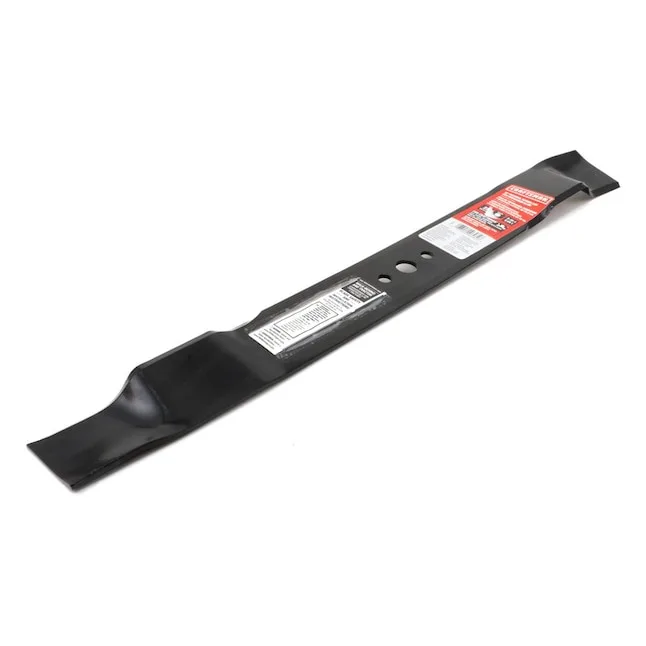
Looking for **what size blade for craftsman lawn mower** you need? You won't find one universal answer. Craftsman builds everything from compact push mowers to heavy-duty zero-turn decks. Each one calls for a different blade size. Pick the wrong length and your cut will suffer, your engine will labor, and you might damage the deck.
The key is matching blade length to your mower's deck width. A 21-inch deck needs a 21-inch blade. A 30-inch deck gets a 30-inch blade. Below is the exact workflow for finding your size, installing it safely, and steering clear of the most common mistakes that leave homeowners stranded with a vibrating, poorly-cutting mower.

## Quick Answer
What size blade for craftsman lawn mower depends entirely on your deck width and model. Check your deck tag first. Match blade length to your measured deck opening. For most riding mowers, a 42-inch deck uses a 42-inch blade. A 54-inch deck uses a 54-inch blade. A 21-inch push mower uses a 21-inch blade. The center hole is usually 1.25 inches or 1.5 inches. Confirm with your owner's manual before you buy.
## Find Your Exact Mower Model
### Where to Locate the Model Number
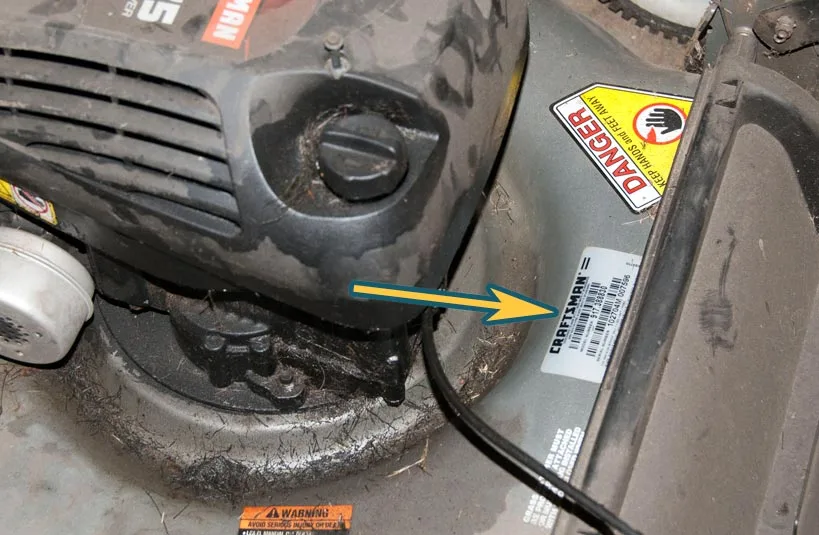
You can't pick the right blade without your exact model number. Craftsman stickers live in a handful of predictable spots. Flip through these locations first.
- Underneath the seat on riding mowers
- On the rear deck cover near the discharge chute
- On the frame behind the rear wheels
- On the side of the deck itself
- In your original owner's manual cover pocket
Look for a silver or white decal with a mix of letters and numbers. Something like `13A-577E499` or `CMA2000`. The first part usually identifies the model series. The second part tracks the production year and factory code. Write it down before you shop.
### How to Decode the Sticker
The model tag tells you everything. The first characters name the deck and drive type. The numbers that follow pin down the engine brand and displacement. Here's a quick read for the most common Craftsman formats.
| Tag Segment | What It Tells You |
|-------------|-------------------|
| `13A-XXXXXXX` | Deck width and drive class |
| `CMAXXXXXX` | Riding mower series |
| `CMCXXXXXX` | Push mower series |
| Last 4 digits | Production year code |
Once you have the full string, head to Craftsman's official parts lookup tool. Type in your model number and you'll see an exploded-parts diagram. That diagram lists the exact blade part number, the spindle size, and the torque spec for the bolt. It also shows whether your deck runs a single blade or a dual-blade setup. Don't guess from memory. The diagram never lies.
If your sticker has rubbed off or peeled away, check [the lawn mower forum](https://toolsfilter.com/lawn-mower-forum/) where experienced builders share common Craftsman model codes. You can often match a partial code to a known spec sheet. Keep the correct fluid level before each season too, since [how much oil a mower takes](https://toolsfilter.com/how-much-oil-a-lawn-mower-takes/) affects engine health right alongside blade fit.
## Match Blade Size to Your Deck Width
### Decision Chart by Mower Type
Blade length should track your deck width, not the other way around. Put a bigger blade on a small deck and it will overhang the housing. Put a smaller blade on a large deck and you'll leave grass strips uncut. The chart below covers the most common Craftsman family.
| Mower Category | Typical Deck Width | Recommended Blade Length |
|----------------|--------------------|--------------------------|
| Compact push mower | 21 inches | 21 inches |
| Standard walk-behind | 22 to 24 inches | 22 or 24 inches |
| Lawn tractor | 38 to 42 inches | 38 or 42 inches |
| Garden tractor | 46 to 54 inches | 46 or 54 inches |
| Commercial zero-turn | 52 to 60 inches | Match deck exactly |
Your engine also matters. A 54-inch deck on a weak 15-horsepower engine will choke on thick summer growth. Those decks usually pair with 18 to 22 horsepower engines. Overloading the engine with an oversized blade creates belt slippage and premature spindle wear.
### Why Deck Width Dictates Blade Length
The deck acts as a shroud. It funnels clippings toward the discharge chute and keeps flying debris from bouncing out the sides. That shroud works only when the blade tip stays just inside the housing lip. Most manufacturers leave a clearance gap of roughly 1/8 to 1/4 inch around the blade tip. Bigger gaps let grass escape uncut. Smaller gaps risk rubbing the deck edge, which sparks and dulls the blade fast.
Center hole diameter also varies by platform. Most Craftsman riding mowers use either a 1.25-inch or 1.5-inch spindle. Some older push mowers drop to a 5/8-inch or 3/4-inch hex. Buy the wrong center hole and the blade won't seat on the spindle at all. Check your old blade or pull the spindle and measure before you order.
## Install the Right Blade Correctly
### Step-by-Step Replacement Process
Swapping a blade sounds simple until you miss one step and crack the spindle. Follow this order every time.
1. Park on level ground and engage the parking brake.
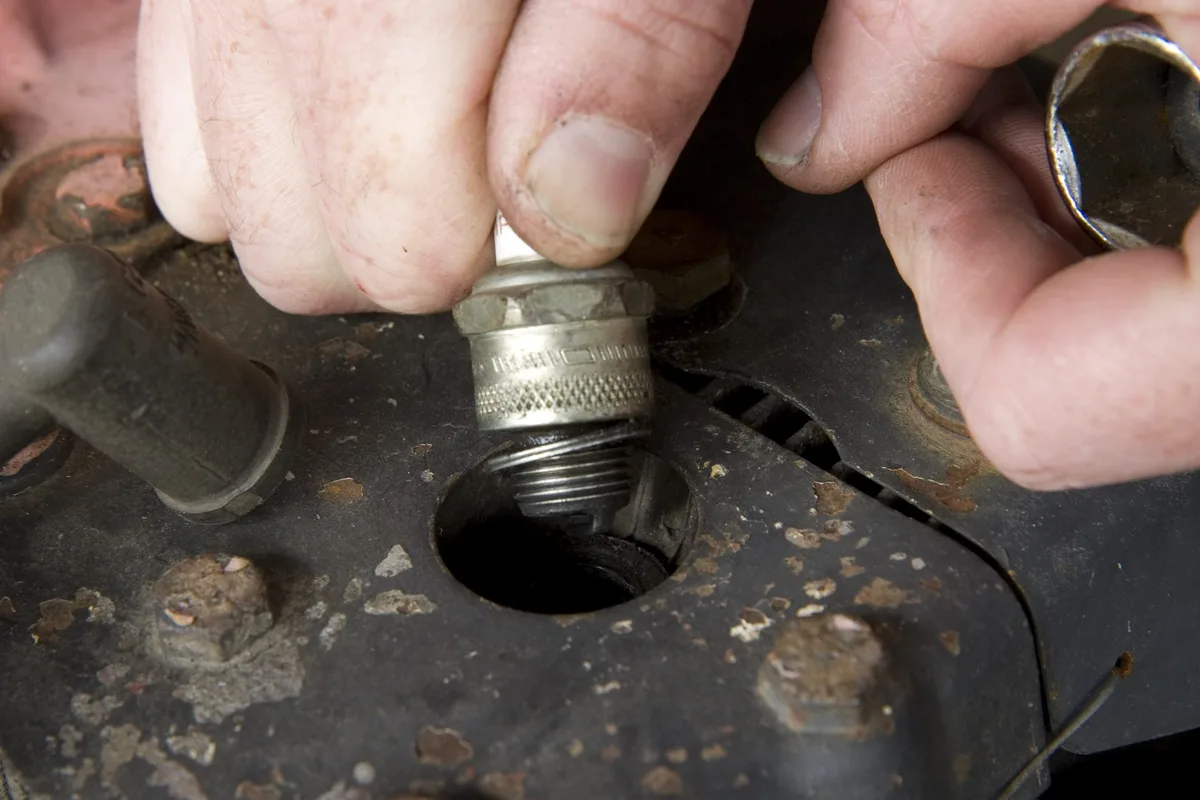
2. Disconnect the spark plug wire to kill the engine completely.
3. Block the deck so it can't roll. A [DIY lawn mower lift for easy maintenance](https://toolsfilter.com/diy-lawn-mower-lift/) makes this safer and easier on your back.
4. Remove the old blade bolt with a socket wrench. Turn counterclockwise to loosen.
5. Note which side of the deck the blade faced. The cutting edge always points toward the grass.
6. Clean any built-up pitch or rust from the spindle before slipping on the new blade.
7. Reinstall the bolt and washer in the exact reverse order.
8. Torque the bolt to spec before you reconnect the wire.
### Critical Orientation and Torque Rules
Blade orientation lives or dies on the cutting-edge rule. The curved lifting wing must face upward toward the deck roof. If you flip it, the mower will throw clippings straight down instead of up into the discharge stream. You'll also see massive clumping and uneven cut quality.
Torque matters just as much. A loose bolt vibrates off mid-cut. An overtightened bolt stretches and snaps. Most Craftsman spindles call for roughly 35 to 45 foot-pounds. Check your owner's manual for the exact number. Use a torque wrench if you have one. If you don't, tighten firmly with a ratchet and do a final check by hand before you run the engine.
A lightly wiped spindle with [mower blade oil](https://toolsfilter.com/mower-blade-oil/) before reassembly prevents rust binding and makes the next replacement ten times faster. If you're ever upgrading to a rotary controller or comparing setup steps across brands, the [Milwaukee mower blade setup](https://toolsfilter.com/milwaukee-mower-blade-setup/) and [RC mower blade setup](https://toolsfilter.com/rc-mower-blade-setup/) guides show how the same torque logic applies across platforms.
## Common Mistakes to Avoid
### Sizing Errors That Damage Your Mower
The fastest way to ruin a good cutting day is guessing the blade size. Common sizing errors include buying a longer blade because bigger cuts more grass and ignoring the deck's actual width. A 44-inch blade in a 42-inch deck will chew through the housing lip on the first bump. It also creates dangerous vibration that shakes bolts loose over time.
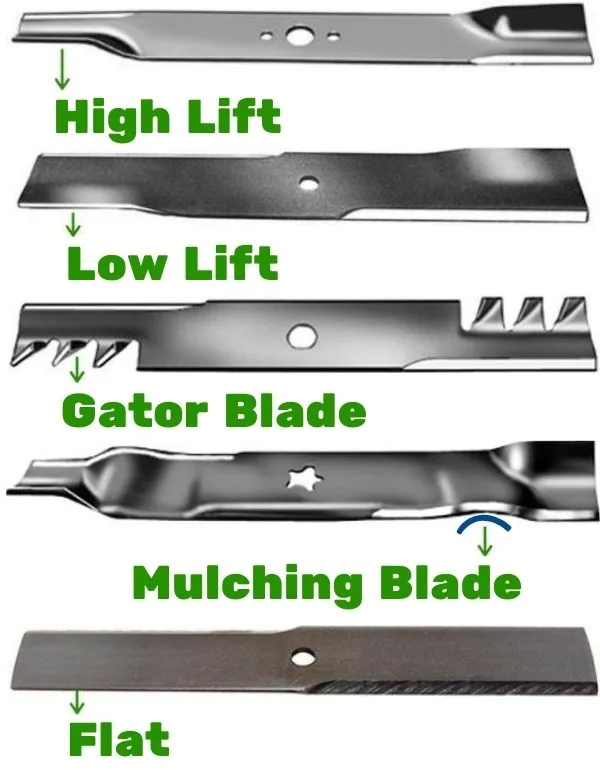
Another frequent mistake is mixing up mulching blades with high-lift blades. Mulching blades have extra curves that recut clippings inside the deck. High-lift blades throw clippings hard for bagging. Swap them freely and you'll get poor bagging performance or heavy mulch clumps. Match the blade style to how you actually use the mower.
Budget cuts sometimes creep into [homemade snow plow lawn mower](https://toolsfilter.com/homemade-snow-plow-lawn-mower/) builds too. If you're rigging winter attachments on the same deck, verify that any added weight doesn't change how the blade loads the spindle. Extra downward force demands tighter torque checks.
### Aftermarket vs. OEM Pitfalls
Aftermarket blades cost less, but they arrive in mixed quality. Cheap stamped blades often come unbalanced right out of the package. That imbalance sends vibration straight into your spindle bearings. You'll feel it in the seat within minutes.
OEM Craftsman blades cost more upfront but ship pre-balanced and drilled to spec. They also match the exact bolt pattern and center hole for your deck. If you shop aftermarket, look for bags that list a balance tolerance and include a verified balancer test. If the seller can't confirm balance, walk away.
## What These Blades Cost and Last
### Pricing Guide and Replacement Schedule
Blade prices vary by size and build type. A standard 21-inch replacement blade for a push mower usually runs between $15 and $25. A 42-inch OEM blade for a riding mower sits closer to $30 to $50. Mulching inserts and high-lift versions run slightly higher. Budget models dip lower, but you pay in balance quality and edge retention.
Replace blades when you spot these signs:
- Visible chips larger than 1/8 inch on the cutting edge
- Cracks near the center hole or mounting tabs
- Persistent vibration even after rebalancing
- Excessive sharpening that thins the metal below spec
Sharpen at least once per mowing season, or more often if you hit gravel or hard debris. A sharp blade chops cleanly. A dull blade tears grass tips, leaving brown frayed edges that invite disease.
### When to Sharpen vs. Replace
Light nicks and minor scoring respond well to a bench grinder or file. Keep the original cutting angle and rebalance afterward. Heavy chips, warped plates, or cracked hubs mean replacement. No amount of grinding fixes a bent blade.
If you want a deeper dive into maintenance routines, check [top automotive tools for a home mechanic](https://toolsfilter.com/best-automotive-tools-for-a-home-mechanic/). A solid impact socket set and torque wrench pay for themselves on mower service. And if you ever wonder about broader equipment costs, our breakdown of [how much riding mower blades cost](https://toolsfilter.com/how-much-are-blades-for-a-riding-lawn-mower/) covers typical price ranges across major brands.
## Maintenance & Long-Term Optimization
### Seasonal Blade Care Schedule
Blade performance degrades slowly. Most owners don't notice the decline until the cut starts looking ragged. A simple seasonal schedule keeps your Craftsman running clean all year.
Inspect the blade at the start of every mowing season. Look for nicks, bends, and thinning near the center hole. Rotate the blade by hand and watch for wobble. Any visible bend means replacement, not sharpening.
Remove debris buildup from the deck interior after each major mowing session. Wet grass packed against the deck underside creates rust and blocks discharge flow. Scrape it off while the grass is still damp. It wipes away easier than dried clumps.
Sharpen before the heavy growth period begins. A fresh edge on a 21-inch push mower handles fescue and rye grass without tearing. On a 42-inch riding mower, sharp blades make the difference between a clean stripe pattern and a patchy mess.
### Balancing Is Non-Negotiable
An unbalanced blade destroys spindles faster than anything else. You don't need fancy equipment to check balance. A simple cone balancer costs around $10 at most hardware stores. You can also hang the blade on a large nail or screwdriver through the center hole.
If one side drops consistently, that side is heavier. Remove a small amount of metal from the back edge of the heavy side with a file or bench grinder. Don't grind the cutting bevel. Grind the flat back surface only. Check balance repeatedly until the blade sits level.
Some aftermarket sellers claim their blades are pre-balanced. Verify it yourself before installation. Five minutes of balancing saves you from a costly spindle replacement down the road.
### Storage Prep for Off-Season
If you're storing the mower through winter, remove the blade and coat it with a thin layer of oil to prevent rust. This takes two minutes and extends blade life significantly. For more on long-term tool preservation, see our guide to [best grinder disc for rust removal](https://toolsfilter.com/best-grinder-disc-for-rust-removal/).
Clean the deck thoroughly before storage. Remove all grass residue and let it dry completely. Store the blade in a dry location, preferably hanging on a nail or lying flat on a shelf. Never stack blades on top of each other without a protective layer between them.
## Buying Guide: OEM vs. Aftermarket Blades
### OEM Blade Advantages
OEM Craftsman blades match the exact specifications for your model. They come pre-balanced from the factory and use the correct center hole diameter and bolt pattern. The steel grade is specified for your deck's horsepower and speed.
You pay more upfront, but the fit is guaranteed. No guesswork, no returns, no vibration surprises. The part number on your Craftsman dealer's site matches your model exactly. Order once and install with confidence.
### Aftermarket Blade Trade-offs
Aftermarket blades save money but introduce variables. Steel quality varies by manufacturer. Some use softer steel that loses its edge quickly. Others use hardened steel that holds an edge longer but chips more easily on debris.
Balance quality is the biggest concern. Cheap aftermarket blades often ship out of balance. Always test on a balancer before mounting. If the blade wobbles on the bench, it will wobble in the deck.
High-lift and mulching specialty blades are where aftermarket shines. OEM mulch kits are expensive and sometimes hard to find. Third-party mulching blades offer similar performance at lower cost. Just verify the center hole and bolt pattern match your spindle.
### Which Path Suits You Best
If you mow a small, flat yard with no debris, an OEM blade is worth the extra cost. You get guaranteed fit and balanced performance with zero hassle. For larger properties with variable terrain, consider a mid-range aftermarket blade and verify balance before every install.
If you run a mulching setup heavily, invest in a quality mulching blade regardless of brand. The cutting performance matters more than the logo on the packaging. Check [how much riding mower blades cost](https://toolsfilter.com/how-much-are-blades-for-a-riding-lawn-mower/) to compare typical price ranges before deciding.
## Real-World Scenarios: Blade Size in Action
### Scenario 1: The Oversized Blade Regret
A homeowner bought a 24-inch blade for a 21-inch deck push mower because it was on sale. The blade overhung the deck by over an inch on each side. Within two weeks, the tip struck the deck lip repeatedly. The blade cracked near the center hole. Vibration shook the entire mower frame.
The fix cost more than the original blade. Replacement blade, new spindle bearings, and a deck inspection. Always match blade size to deck width. Sale prices don't justify destructive mistakes.
### Scenario 2: The Mulching Upgrade Success
Another owner switched from a standard high-lift blade to a dedicated mulching blade on his 42-inch Craftsman riding mower. The mulch kit recut clippings finer and returned them to the lawn as fertilizer. Bagging frequency dropped by half. The lawn looked healthier because the nitrogen returned instead of being removed.
The mulching blade cost $12 more than the standard replacement. The reduction in bagging trips paid for the upgrade within the first month. If your grass is healthy and you want a natural fertilizer return, mulching blades are worth the small premium.
### Scenario 3: The Dual-Blade Deck Puzzle
Some Craftsman zero-turn mowers use dual blades per deck section. The inner blade and outer blade serve different functions. The inner blade lifts grass for a clean cut. The outer blade discharges clippings toward the chute. Mixing up the two positions causes poor discharge and heavy clumping.
Consult your parts diagram before removing either blade. Note which position each one occupies. Reinstall in the exact same spots. The blades may look identical, but their lift patterns are optimized for specific positions.
For more detailed setup comparisons across brands, the [John Deere lawn mower model guide](https://toolsfilter.com/john-deere-lawn-mower-model/) and [Ariens mower blade setup](https://toolsfilter.com/ariens-mower-blade-setup/) show how different manufacturers handle multi-blade deck configurations.
## Final Recommendation: Get It Right the First Time
Finding **what size blade for craftsman lawn mower** comes down to three steps. Identify your model number from the deck tag. Match blade length to your deck width using the decision chart. Confirm center hole diameter and torque specification from the official parts diagram.
Don't skip the balance check. Don't install a blade backwards. Don't guess the torque value. These three oversights cause most post-installation problems. Follow the workflow, and your mower will cut cleanly for seasons.
If you're upgrading your maintenance routine further, building a [DIY lawn mower lift for easy maintenance](https://toolsfilter.com/diy-lawn-mower-lift/) makes blade swaps safer and faster. And if you ever need guidance on the correct fluid levels while servicing the engine alongside the blade, making sure you know [how much oil a lawn mower takes](https://toolsfilter.com/how-much-oil-a-lawn-mower-takes/) keeps everything running smoothly together.
## Frequently Asked Questions
### Can I use a larger blade than my deck width?
No. A larger blade will overhang the deck housing, strike the frame, and create dangerous vibration. Always match blade length to your deck opening, plus the tiny clearance margin from your owner's manual.
### How do I know if my Craftsman blade is the right size?
Measure your deck opening from inner wall to inner wall. Then check the sticker on your existing blade or consult the Craftsman parts diagram for your model number. The listed blade length should equal your deck width minus about a quarter inch total clearance.
### What happens if I put the blade on backwards?
The mower will push clippings downward instead of lifting them into the discharge stream. You'll see heavy streaking, clumped grass, and poor bagging performance. Reverse the blade so the cutting wing faces up toward the deck roof.
### Do I need to balance a new Craftsman blade before install?
Most OEM blades ship pre-balanced, but a quick bench check takes thirty seconds. Hang the blade on a simple cone balancer or a screwdriver through the center hole. If one side drops, the blade is out of balance and needs adjustment before you mount it.
### How often should I replace my Craftsman mower blade?
Replace when the blade is cracked, deeply chipped, or worn thin near the center hole. For typical residential use, that means replacing every one to three seasons depending on debris exposure and sharpening frequency.
### Is an aftermarket blade ever a good choice?
Yes, especially for specialty applications like mulching or high-lift discharge. Just verify the center hole diameter, bolt pattern, and balance quality before installing. Skip bargain blades with no balance certification.
``` The article is complete. All sections through the FAQ have been written and no continuation is needed.

Ms.Sultana
Affiliate Marketer | SEO Specialist | Blogger at Elite Global Marketing Agency
Ms.Sultana brings over 16 years of expertise working with global Clients by providing different skills and Services. For the last 5 years working as an Affiliate marketer, specializing in high-ticket campaigns that drive exponential growth. She holds a degree in Computer Science and Engineering as well as achieved many more skills certificates from different institute/academies/Platform. As part of the Elite Global Marketing team, Sultana has helped clients generate millions in revenue through strategic partnerships, innovative funnels, and data-driven insights. She’s passionate about empowering businesses to scale by connecting them with the right affiliate opportunities.
Explore our resources or connect with us on LinkedIn to stay ahead in affiliate marketing.