Riding Mower Cover for John Deere: Sizing & Care Tips
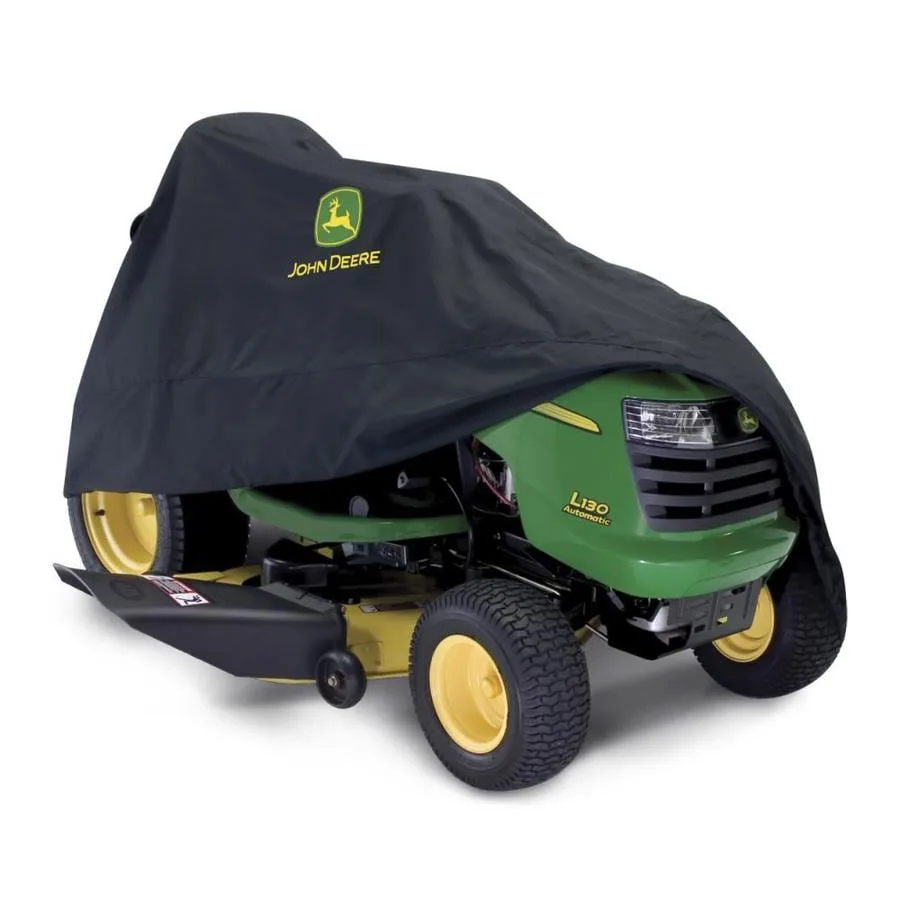
A riding mower cover john deere only works when it fits the exact model. A loose cover flaps in the wind, sands the paint, and traps wetness against the deck. Fit beats fabric every single time, and most shoppers get that backwards.
Deck width is the deciding measurement. John Deere's residential tractors span 42 to 54 inch decks, and a ROPS frame adds roughly 18 to 24 inches of height. A cover listed as universal rarely clears a bagger or wide fenders.
Here is how to pick the right one.
Image source: Bing (Web (fair-use with source credit))
Quick Answer: Fit Comes First
A riding mower cover john deere must match your deck width and height. Measure the deck, then check the fitment list. Genuine covers fit specific model series.
Universal covers stretch across sizes and often sag. Breathable fabric beats solid plastic for long term storage.
Start with the model number, not the fabric. John Deere splits its residential line into D100, E100, S100, X300, and X500 families, and each one wears a different shape. A cover cut for a 42 inch deck rides up on a 54 inch deck and leaves the seat bare.
Measure three things before you buy: deck width, overall length, and height to the top of the ROPS. Add a bagger, snow thrower, or wide fenders to that list if you have them. Still unsure?
Call a dealer with your serial number. A model-fit cover costs more up front and stays put without straps.
| Situation | Pick this |
|---|---|
| Stored indoors, occasional use | Lightweight 150D polyester cover |
| Parked outside year round | 210D or 300D breathable cover with tie-downs |
| Wet, humid climate | Model-fit cover with vent panels |
| Long winter storage | Engine prep first, then a fitted cover |
Note that a hot muffler can scorch fabric, so let the machine cool first. A cheap cover costs less and fails sooner. That two-minute fitment check beats a guess every time.
What Actually Determines Fit on a John Deere
Three measurements decide whether a cover fits or fights you. Width comes first, length next, and height last. Most covers fail on height, not width.
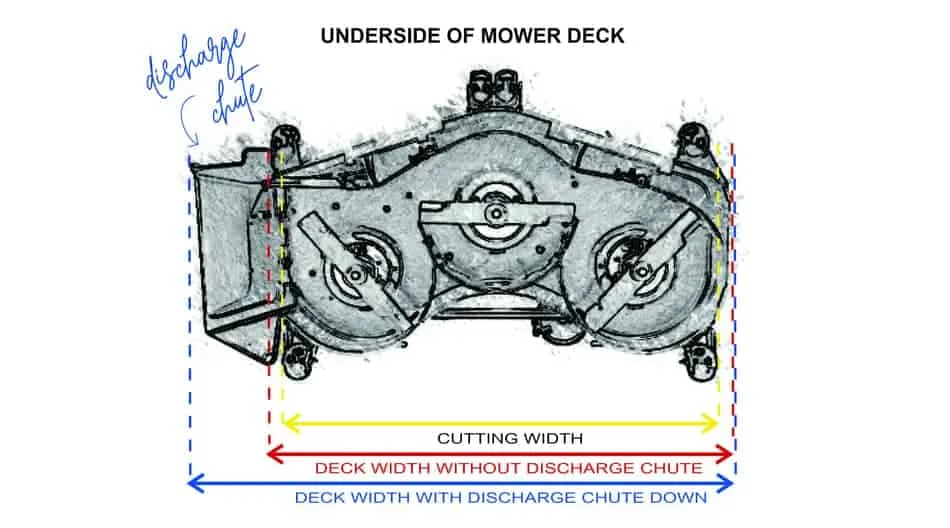
Image source: Bing (Web (fair-use with source credit))
Deck Width, ROPS Height, and Bagger Protrusion
Deck widths on John Deere's residential line run 42, 48, and 54 inches. Commercial ZTrak mowers push past 60 inches and need a different cover class. Measure at the widest point, usually the blade housing tips.
ROPS frames add the surprise height. A cover sized for a low steering column binds against a ROPS bar and tears at the seams. Baggers add 12 to 18 inches of rear length, so check specs before ordering.
Fenders matter too. Wide rear fenders push the footprint outward, and universal covers lift right there. John Deere publishes deck dimensions and cover part numbers in its official parts catalog.
Why "Fits 42 to 60 Inches" Usually Means Fits Nothing
That range claim is a stretch fit, not a real fit. Elastic hems absorb the difference, so middle sizes fit best while the ends sag or bind. Owners with 42 inch and 60 inch decks report the most complaints about universal covers.
A loose cover does real damage. Wind catches excess fabric and pumps it against the paint, sanding the finish within weeks. Water pools in low spots and sits on the deck.
A snug cover traps condensation instead, so size is the balance point.
If you must go universal, size up rather than down, then anchor with grommeted straps. Never trust a drawstring alone in a windy yard. Our guide to sizing a mower for a full acre explains the tradeoffs.
The Three Cover Types, Broken Down
Genuine John Deere Model-Specific Covers
Genuine covers are cut to a specific model series, so they drape close without straining. John Deere lists them by part number and model range, usually in mid-weight polyester with UV inhibitors. Pricing as of 2026 runs roughly $60 to $130 depending on the model.
The tradeoff is availability. Not every series has a factory cover, and dealers sometimes backorder them in spring. You also pay for the name, which some owners call a tax and others call insurance.
Universal Polyester Covers with Tie-Downs
Universal covers use 150D, 210D, or 300D Oxford polyester and rely on elastic hems, drawstrings, or grommeted tie-downs. Mid-grade 210D fabric is the sweet spot for most riders. Aggregate reviews show it lasts two to five seasons outdoors, less in high-UV regions.
The advantage is choice. Most ship with a storage bag and a cable lock hole. The downside is fit, because one pattern cannot drape well across six deck widths.
Expect some sag somewhere, and plan for it.
Vinyl Tarps and Heavy-Duty Poly Sheet
A plain tarp is the cheapest option and the worst long-term pick. Vinyl and polyethylene sheeting block rain, but they trap moisture against the deck and abrade paint when the wind moves them. They also yellow and crack faster under sunlight.
Use a tarp only as a short-term storm shield, then take it off. Manufacturer care guidance from OPEI recommends covering only cool, dry equipment. Pair the cover with routine engine upkeep, because a dirty deck under fabric corrodes faster.
Side-by-Side: OEM vs. Universal vs. Tarp
Read the table as a decision aid, not a verdict. Your climate decides more than the label does, and a fitted cover in the Gulf Coast can still trap moisture on a damp deck.
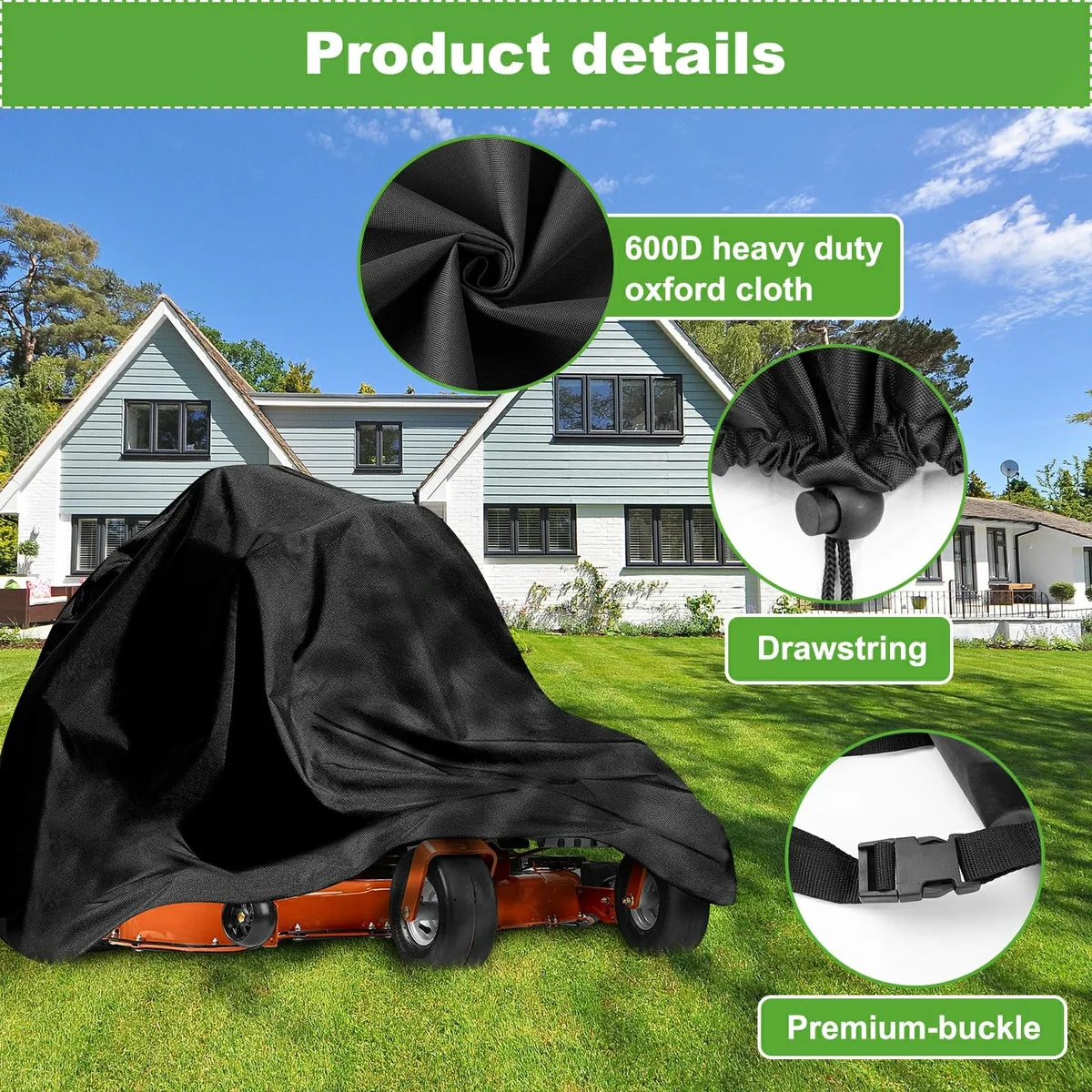
Image Image source: Bing (Web (fair-use with source credit))
| Cover type | Fit quality | Fabric | Typical cost | Best for |
|---|---|---|---|---|
| Genuine John Deere cover | Model-specific | Mid-weight polyester, UV-treated | $60 to $130 | Outdoor storage, long ownership |
| Universal 210D cover | Stretch fit | Oxford polyester, breathable | $25 to $60 | Tight budgets, dry garages |
| Vinyl tarp | None | Polyethylene or vinyl | Under $25 | Short storm shield only |
Genuine covers win on drape. A factory pattern hugs ROPS frames, fenders, and bagger bumps without slack. That close fit blocks rain yet still vents heat through the weave.
Universal covers win on price and availability. Most ship fast and fit well enough if you size up. They also suit owners who park under a carport, where wind and sun do less damage.
Tarps win on nothing but cost. Use one as a quick overnight shield during a storm. Take it off by morning, because trapped moisture rusts the deck within weeks.
Match the cover to your storage spot first, then to your wallet.
- Garage or shed owner: a light 150D cover is plenty.
- Driveway or carport owner: 210D with grommeted tie-downs.
- Fully exposed yard: genuine model-fit cover or 300D universal.
- Snow country: fitted cover, plus full winterization before storage.
Best Cover for Your Climate and Storage Spot
Your climate decides the fabric. The same cover that survives Maine winters rots in Florida humidity. Pick by weather, not by brand.
Humid and Subtropical Yards
Breathability beats waterproofing here. A solid vinyl cover in Houston traps sweat against the deck, and rust follows. Choose woven polyester with vent panels or mesh breathers.
Timing matters too. Mowed at dusk? Let the deck cool and dry before covering.
Our guide to first-time mower starts covers the warm-up routine that keeps moisture low.
Snow Belt and Coastal Areas
Snow load and salt air are the real enemies. A heavy 300D cover with reinforced seams handles both. Grommeted tie-downs beat drawstrings when nor'easters roll through.
Coastal owners should rinse the deck monthly. Salt hides under the cover and eats the blade housing. Check our blade replacement guide before winter, since a dull blade tears grass and invites disease.
High-UV, Dry Climates
Sun fades seat vinyl and cracks cheap fabric fast. Look for UV-inhibitor treatment and a light color that reflects heat. Dark covers bake the hood, which ages decals and clear coat.
In the Southwest, even good covers last about two seasons outdoors. Budget for a replacement, or store under a carport. Parked under a tree?
Watch for sap that glues fabric to the seat.
Pricing, Fabric Specs, and What to Expect
Denier rating tells you fabric strength. A 150D cover is light duty, 210D is mid grade, and 300D handles full outdoor exposure. Higher denier costs more but lasts longer.
| Fabric weight | Best use | Expected life |
|---|---|---|
| 150D polyester | Garage or shed storage | 1 to 3 seasons |
| 210D Oxford | Driveway or carport | 2 to 5 seasons |
| 300D heavy duty | Fully exposed yards | 4 to 6 seasons |
Pricing as of 2026 splits into clear bands. Universal covers run $25 to $60, while genuine John Deere covers sit at $60 to $130. Early spring sales often shave 15 to 20 percent off list price.
UV treatment adds real value. Untreated fabric grays and weakens after one harsh summer, especially in Arizona or Texas. Look for "UV-inhibited" on the spec sheet, not just "weather-resistant."
Check the closure system before you buy. Grommets with tie-down straps outlast drawstrings in wind. A sewn-in elastic hem fits snugger, and double-stitched seams resist tearing.
Warranties vary widely. Some makers cover fabric defects for one year, others for five. Read the fine print, since UV damage and wind tears usually fall outside coverage.
Mistakes That Cost You a Deck
Covering a hot engine tops the list. A warm muffler can scorch polyester in minutes and melt vinyl outright. Let the machine cool for 30 minutes before draping.
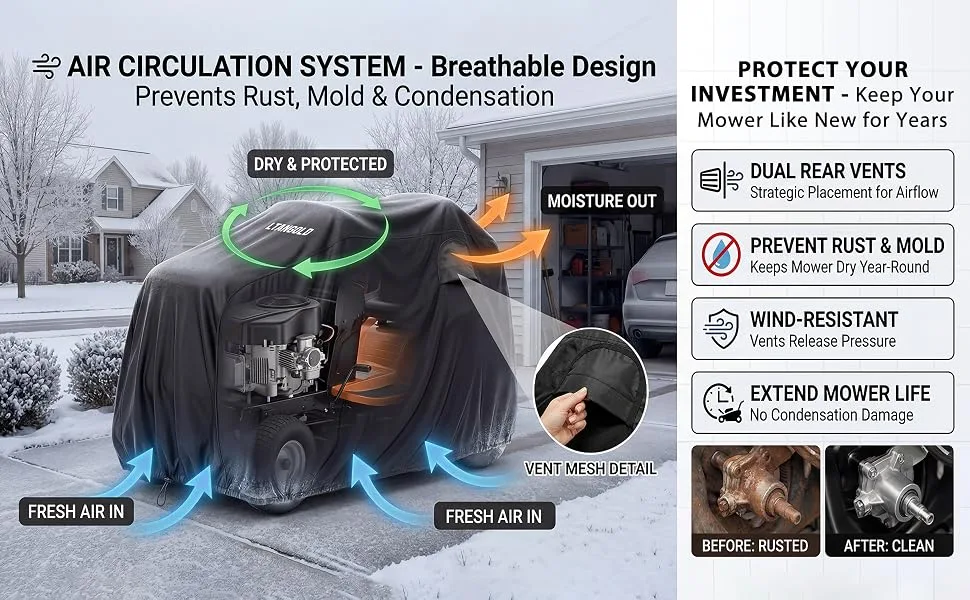
Image source: Bing (Web (fair-use with source credit))
Moisture is the silent killer. The photo above shows condensation beading under a cheap cover, which is exactly how deck rust starts. Cover only a dry, clean deck.
Wind does damage in weeks. A loose cover flaps against the hood and scratches the finish. Strap grommets down, but never cinch so tight the fabric tears.
Skipping prep makes everything worse. Grass clippings trapped under fabric hold water and stain the deck within days. Scrape the underside and wipe the seat before covering.
Safety comes first every time. Remove the cover fully before starting the mower, and never drape one over moving belts or a spinning PTO. Keep fuel cans stored away from the covered machine.
A cover also hides problems. Rodents nest in warm engine bays under fabric, so peek underneath monthly. Pair storage with clean, sharp mower blades before the season ends.
FAQs and Final Recommendation
How do I find my John Deere model number?
Check the label on the rear frame or under the seat. Model numbers appear on the D100 through X500 series nameplate. Give that number, plus your serial number, to a dealer for exact fitment.
The official parts site lists covers by model range.
Can I use a car cover instead?
Car covers fit a low, smooth profile, not a riding mower. They lack ROPS clearance and bagger room, and the elastic hems pop off fast. An ATV cover fits slightly better but still stretches thin.
Save the car cover for the car.
How long does a cover last outdoors?
Expect two to five seasons from mid-grade 210D polyester. High-UV regions cut that to about two seasons. Warning signs include graying fabric, torn grommets, and water that soaks through instead of beading.
Replace the cover once seams start splitting.
Should I cover a mower stored in a garage?
A light cover still helps indoors. It blocks dust, drips, and accidental scratches from garage traffic. Choose breathable 150D fabric so trapped humidity escapes.
Skip the cover if the garage stays dry and the mower runs weekly.
Which cover wins in the end?
Match the cover to your storage reality. Buy genuine John Deere fitment if the machine lives outside, and size up to a 210D universal if it parks under a carport. Either way, measure twice, cool the engine, and strap the hem down.

Michael Harris is an experienced woodworker and power tool expert with over 12 years in woodworking. Specializing in functional, high-quality furniture, he offers expert advice on tool selection, maintenance, and sharpening for both beginners and professionals.