How to Maintain a Lawn Mower Engine: Essential Tips for Longevity
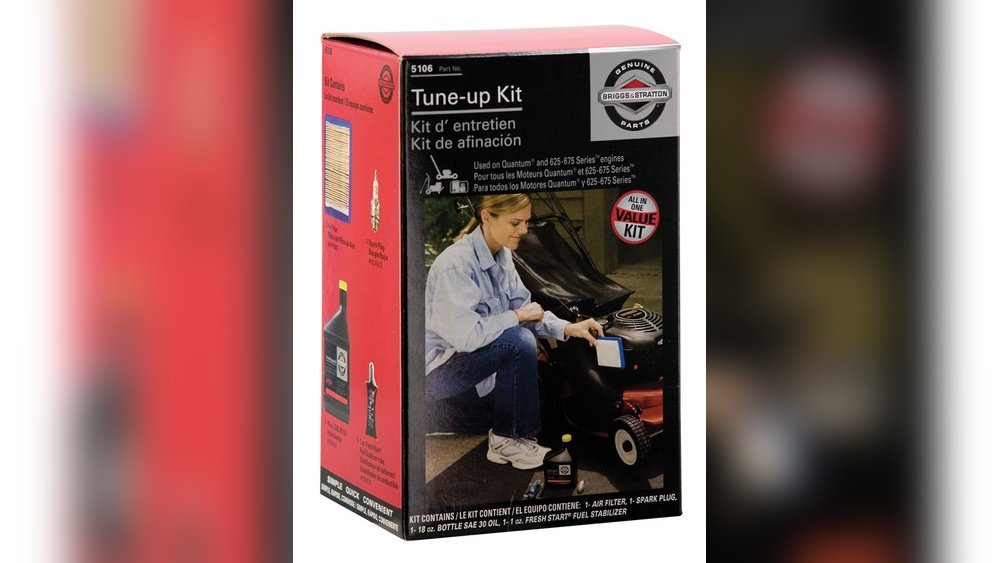
Your lawn mower engine is the heart of your mower. If it’s not running smoothly, cutting your grass becomes a frustrating chore.
But keeping your engine in top shape doesn’t have to be complicated or time-consuming. With a few simple steps, you can boost your mower’s performance, save money on repairs, and enjoy a perfectly trimmed lawn all season long. Ready to learn how to maintain your lawn mower engine like a pro?
Keep reading—you’ll find easy tips that make a big difference.
Credit: www.amigosdelcamino.com
Engine Cleaning
Keeping your lawn mower engine clean is key to its good performance. Dirt and grime can slow it down. Cleaning helps the engine run smooth and last longer.
Regular cleaning stops dust and grass from building up. This protects the engine parts. It also helps you spot small problems early. Clean engines use less fuel and start easier.
Removing Debris
Start by removing leaves, grass, and dirt around the engine. Use a brush or cloth to clear away debris. Avoid using water directly on the engine. Loose debris can block air flow and cause overheating. Clearing it out keeps the engine cool and working well.
Cleaning Air Filters
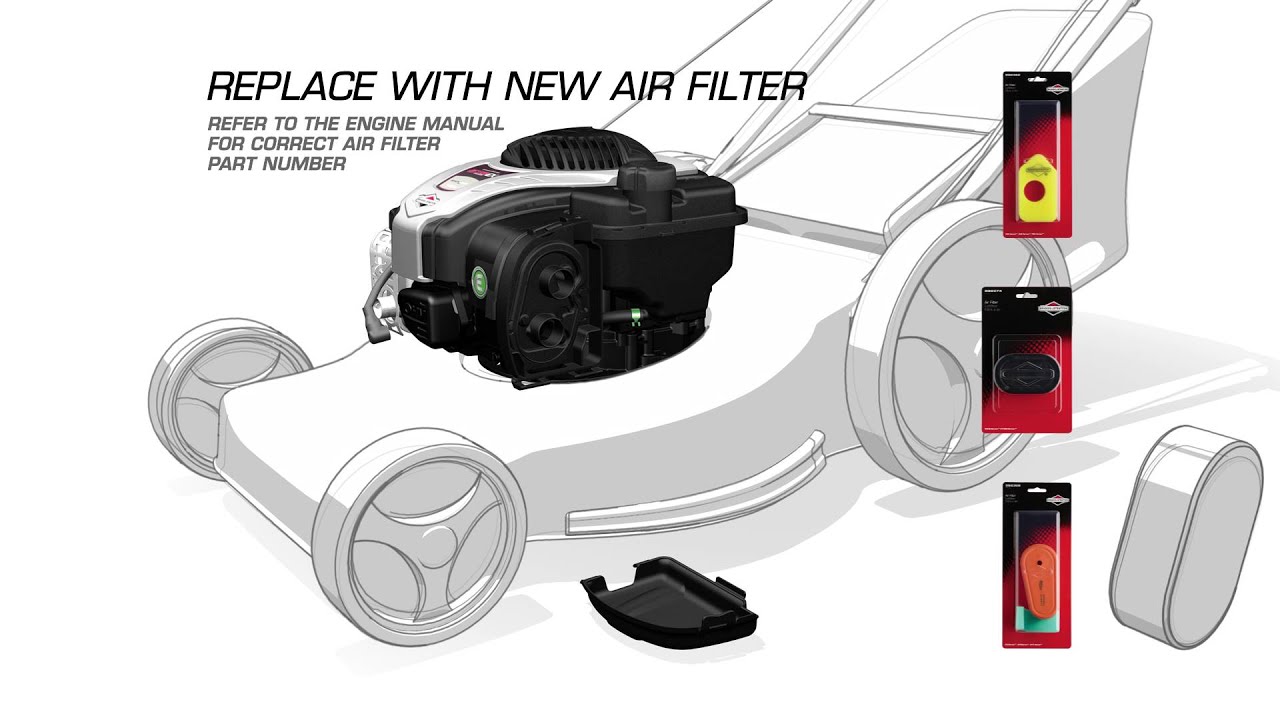
Check the air filter often. A dirty filter blocks air and reduces power. Remove the filter gently. Tap it to remove loose dust. Wash foam filters with warm soapy water and dry fully. Replace paper filters if very dirty. Clean air filters help the engine breathe better and run strong.
Wiping Engine Surfaces
Use a dry or slightly damp cloth to wipe the engine surface. Clean off oil, grease, and dirt. Avoid soaking the engine with water. Wiping stops grime build-up that can cause rust. A clean surface also makes it easier to see leaks or damage.
Oil Care
Proper oil care keeps your lawn mower engine running smooth. Oil reduces friction and stops engine parts from wearing out. Clean oil improves engine life and performance. Follow these simple steps to care for your mower’s oil.
Checking Oil Levels
Check oil before each use. Find the dipstick on the engine. Pull it out and wipe it clean. Reinsert the dipstick fully, then pull it out again. Look at the oil level on the stick. It should be between the low and full marks. Add oil if it is low. Too much oil can also harm the engine.
Changing Oil Regularly
Change oil after every 20-50 hours of use. Old oil gets dirty and loses its power. Warm the engine slightly before draining oil. Remove the drain plug and let oil flow into a container. Replace the drain plug tightly. Pour fresh oil slowly to avoid spills. Regular oil changes keep the engine clean and cool.
Choosing The Right Oil
Use the oil grade recommended in the mower manual. Most small engines use SAE 30 oil. Synthetic oils work well in cold weather. Avoid motor oils meant for cars or trucks. The right oil protects the engine from rust and wear. Using correct oil helps your mower last longer.
Fuel System
The fuel system is a vital part of your lawn mower engine. It supplies the engine with the right amount of fuel to run smoothly. Keeping the fuel system clean and in good shape helps your mower start easily and work well.
Problems in the fuel system can cause your mower to stall or run poorly. Dirt, old fuel, or damaged parts often cause these issues. Regular checks and simple care keep your mower running longer and save repair costs.
Using Fresh Fuel
Always use fresh fuel for your lawn mower. Old fuel loses power and can clog the engine. Fill the tank with clean gasoline before each mowing season. Avoid storing fuel for more than 30 days to prevent damage.
Cleaning The Fuel Tank
Empty the fuel tank if the mower will not be used for a long time. Dirt and water can build up inside the tank. Use a clean cloth to wipe the inside if possible. This prevents rust and blockages in the fuel system.
Inspecting Fuel Lines
Check fuel lines for cracks or leaks regularly. Damaged lines can cause fuel loss and engine problems. Replace any worn or cracked hoses quickly. Tighten loose clamps to stop fuel leaks and keep the system sealed.
Spark Plug Maintenance
Maintaining the spark plug is a key step in keeping your lawn mower engine running smoothly. The spark plug creates the spark that starts the engine. A clean and properly set spark plug helps the mower run efficiently. Neglecting this part can lead to hard starts and poor engine performance.
Checking Spark Plug Condition
Remove the spark plug carefully using a spark plug wrench. Look at the electrode and insulator. A healthy spark plug is clean and slightly shiny. Black soot means the engine is running too rich. A white or gray color shows the engine runs too hot. Cracks or heavy deposits mean the plug needs replacement.
Cleaning Or Replacing Spark Plugs
To clean, use a wire brush or spark plug cleaner tool. Remove all dirt and carbon deposits. Avoid scraping the electrode hard. If the spark plug is damaged or worn out, replace it with a new one. Use the exact type recommended in your mower’s manual for best results.
Setting Proper Gap
The gap between the center and side electrode must be correct. Use a spark plug gap tool to measure it. Adjust the gap by gently bending the side electrode. A wrong gap causes weak sparks and poor engine start. Check your mower manual for the right gap size.
Blade And Engine Alignment
Blade and engine alignment plays a key role in lawn mower performance. Proper alignment ensures smooth cutting and reduces engine strain. It helps maintain the mower’s efficiency and extends its lifespan.
Misaligned blades or engine parts cause vibrations and uneven grass cuts. This can damage the mower and increase fuel use. Regular checks keep the mower running well and safe to use.
Inspecting Blade Condition
Check blades for dullness, cracks, or bends before each use. Sharp blades cut grass cleanly, preventing damage to the lawn. Replace or sharpen blades if you see any damage. Always wear gloves to avoid injuries during inspection.
Balancing The Blade
An unbalanced blade causes shaking and uneven cutting. Remove the blade and place it on a blade balancer or nail. If one side dips, file the heavier side carefully. Balanced blades reduce engine wear and improve cutting quality.
Aligning Engine Components
Check that the engine mounts are tight and secure. Loose mounts cause misalignment and vibration. Inspect the belt and pulleys for correct placement. Proper alignment of engine parts ensures smooth power delivery to the blade.
Storage Tips
Proper storage of your lawn mower engine keeps it ready for action next season. Taking simple steps protects the engine parts from damage and rust. It also saves money on repairs and extends the mower’s life.
Draining Fuel Before Storage
Old fuel can gum up the engine and cause starting problems. Run the mower until the fuel tank is empty. Or use a fuel stabilizer to keep the gas fresh. Never store the mower with a full tank of fuel.
Storing In A Dry Place
Moisture causes rust and engine problems. Store the mower in a dry garage or shed. Avoid damp basements or outdoor areas. Keep the mower off the ground to prevent moisture damage.
Covering The Mower
Use a breathable cover to protect the mower from dust and dirt. A plastic cover traps moisture and causes rust. A good cover keeps pests away and keeps parts clean. Cover the mower fully but allow air circulation.
Regular Inspection
Regular inspection keeps your lawn mower engine running well. It helps find small problems early. This saves time and money. Checking often prevents big repairs later. Spend a few minutes to inspect your mower before each use. This habit protects your engine and improves its life.
Checking For Loose Parts
Look closely at bolts and screws. Tighten anything that feels loose. Loose parts cause vibrations and damage the engine. Check the blade and engine mounts too. Use a wrench or screwdriver for tightening. Small fixes stop big problems.
Listening For Unusual Noises
Start the mower and listen carefully. Strange sounds show something is wrong. Grinding, rattling, or knocking need attention. These noises may mean worn parts or engine trouble. Do not ignore odd sounds. Early action keeps the engine safe.
Scheduling Professional Service
Hire a professional for regular engine checkups. Experts find issues you might miss. They clean, adjust, and replace parts as needed. Schedule service at least once a year. Professional care keeps the mower in top shape.

Credit: nhscouting.org

Credit: www.ebay.com
Frequently Asked Questions
How Often Should I Change Lawn Mower Engine Oil?
Change the engine oil every 25 to 50 hours of use. For seasonal maintenance, replace oil at least once a year. Regular oil changes keep the engine lubricated and prevent wear.
What Type Of Oil Is Best For Lawn Mower Engines?
Use SAE 30 oil for most lawn mowers in warm weather. For colder climates, 10W-30 multi-viscosity oil works well. Always check the manufacturer’s manual for specific oil recommendations.
How Do I Clean The Lawn Mower Engine Air Filter?
Remove the air filter and tap it gently to remove debris. Wash foam filters with warm soapy water, then dry completely. Replace paper filters if they are clogged or damaged.
Why Is Spark Plug Maintenance Important For Lawn Mowers?
A clean spark plug ensures easy starting and efficient engine performance. Check and replace the spark plug annually or after 100 hours of use. Proper spark plug care improves fuel efficiency and reduces emissions.
Conclusion
Maintaining your lawn mower engine keeps it running strong longer. Regular checks and simple care prevent costly repairs. Clean the air filter and change the oil often. Sharpen the blades and inspect spark plugs yearly. Store the mower in a dry place after use.
Small efforts save time and money later. Keep your mower ready for every cutting season. A well-kept engine means a healthy, green lawn. Simple steps lead to big results. Take action today for a smooth mowing experience.

Michael Harris is an experienced woodworker and power tool expert with over 12 years in woodworking. Specializing in functional, high-quality furniture, he offers expert advice on tool selection, maintenance, and sharpening for both beginners and professionals.