Gas Vs Electric Lawn Mowers: Which is Better? Ultimate Guide
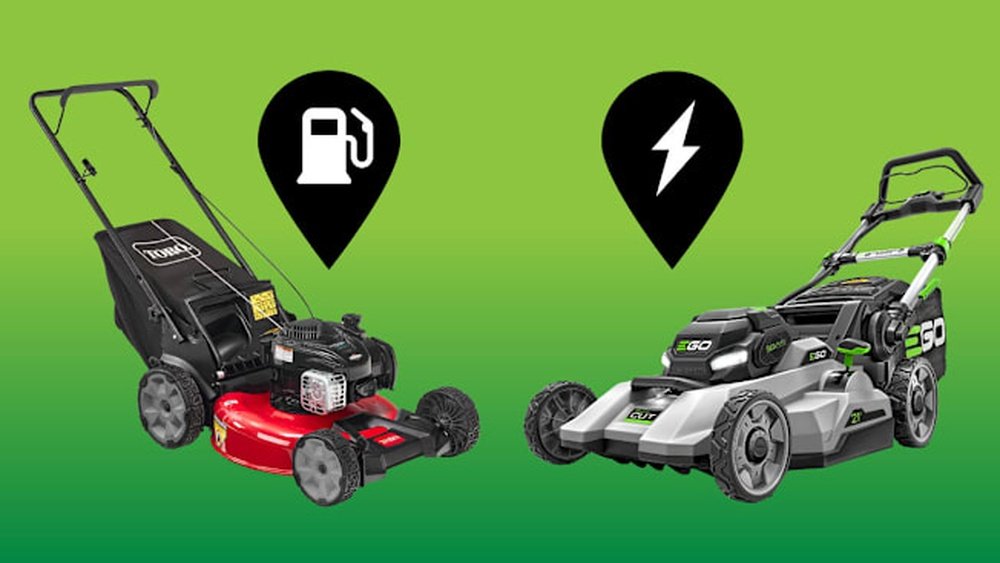
Choosing the right lawn mower can make your yard work easier and more enjoyable. But with so many options out there, you might wonder: Gas or electric?
Each has its own strengths, and picking the best one for your lawn can save you time, money, and effort. You’ll discover the key differences between gas and electric lawn mowers. By the end, you’ll know exactly which one fits your needs and lifestyle.
Keep reading to find out which mower will give your lawn the care it deserves.

Credit: mowrator.com
Types Of Lawn Mowers
Choosing the right lawn mower depends on the type that suits your yard and needs. Lawn mowers mainly come in two types: gas-powered and electric. Each type offers different benefits and challenges. Understanding these types helps you pick the best mower for your lawn care.
Gas-powered Mowers
Gas-powered mowers use gasoline to run. They are strong and good for large lawns. These mowers can handle thick grass and uneven ground easily. They tend to be heavier and louder than electric mowers. Maintenance includes checking the engine and changing the oil.
Electric Mowers
Electric mowers use electricity instead of gas. They are lighter and quieter. These mowers produce no direct emissions, making them eco-friendly. They need less maintenance because they have fewer moving parts. Electric mowers are best for small to medium-sized lawns.
Corded Vs Cordless Electric Mowers
Corded mowers need to plug into an outlet. They offer unlimited run time but limit movement by the cord length. Cordless mowers run on batteries. They provide more freedom to move but require battery charging. Battery life varies, so plan for charging breaks during mowing.
Performance Comparison
Performance plays a big role in choosing between gas and electric lawn mowers. Each type offers unique benefits that affect your mowing experience. Understanding their performance helps you pick the best tool for your lawn.
Power And Cutting Ability
Gas mowers usually have stronger engines. They cut through tall and thick grass easily. Electric mowers offer good power but may struggle with very dense grass. For regular lawn care, electric models handle grass well. Heavy-duty jobs often require the extra power of gas mowers.
Handling Thick Grass
Gas mowers work well in thick grass without slowing down. They keep a steady speed and blade rotation. Electric mowers can slow down or stop if grass is too thick. Some electric models have features to boost power temporarily. Thick grass cutting favors gas mowers for smooth operation.
Battery Life And Runtime
Electric mowers depend on battery life for runtime. Most batteries last 30 to 60 minutes per charge. Some models allow swapping batteries for longer mowing. Gas mowers run as long as there is fuel. They offer more continuous cutting without breaks for refueling or charging.
Environmental Impact
The environmental impact of lawn mowers matters a lot for our planet. Choosing the right mower can reduce harm to the air, noise levels, and energy use. Small changes in lawn care tools can add up to big benefits for the environment.
Emissions And Pollution
Gas lawn mowers release harmful gases like carbon monoxide and nitrogen oxides. These gases pollute the air and contribute to climate change. Electric mowers produce zero emissions while running. Using electric mowers helps keep the air cleaner.
Noise Levels
Gas mowers are noisy and can disturb neighbors and wildlife. Electric mowers run much quieter, making them better for peaceful neighborhoods. Low noise levels reduce stress for people and animals nearby.
Energy Consumption
Gas mowers use fossil fuels, which are non-renewable and polluting. Electric mowers use electricity, which can come from clean energy sources. Using electric mowers can lower overall energy use and pollution.
Cost Factors
Cost plays a big role in choosing between gas and electric lawn mowers. It affects your budget now and later. Understanding different cost factors helps you make the best choice. Let’s break down the main costs involved.
Initial Purchase Price
Gas mowers usually cost more upfront. They have bigger engines and more parts. Electric mowers are often cheaper to buy. Battery-powered models can be pricier than corded ones. But basic electric mowers fit many budgets.
Maintenance And Repairs
Gas mowers need regular tune-ups. Oil changes, spark plug swaps, and air filter cleaning are common. Repairs can be costly due to complex parts. Electric mowers require less care. You mainly keep batteries charged and blades sharp. Fewer moving parts mean fewer repairs.
Fuel And Energy Costs
Gas mowers run on gasoline. Fuel costs add up over time. Prices can change and vary by location. Electric mowers use electricity. Charging batteries is cheaper than buying gas. Corded models have no fuel cost, just power use. Overall, electric mowers save money on fuel.
Convenience And Usability
Convenience and usability play a big role in choosing between gas and electric lawn mowers. These factors affect how easy and comfortable it is to mow your lawn. Weight, starting, and storage all matter for a smooth mowing experience. Understanding these can help pick the right mower for your yard.
Weight And Maneuverability
Electric mowers are usually lighter than gas mowers. This makes them easier to push and turn around. Lightweight models reduce fatigue, especially on small or uneven lawns. Gas mowers tend to be heavier because of their engine size. They may feel harder to move, especially for long periods.
Starting And Operating
Starting an electric mower is simple. Just press a button or pull a cord with little effort. Gas mowers need a strong pull on a starter cord. Some may require more than one try. Operating electric mowers is quieter and cleaner. Gas mowers produce noise and fumes, which can be unpleasant.
Storage And Portability
Electric mowers take up less space and are easier to store. Many models have foldable handles for compact storage. Cordless electric mowers add extra portability with no cables. Gas mowers need space for fuel and are bulkier. Carrying gas mowers around can be harder due to their weight and size.

Credit: www.youtube.com
Safety Considerations
Safety matters a lot when choosing a lawn mower. Both gas and electric mowers have risks. Knowing these risks helps you use the mower safely. This keeps accidents away and protects your home and family.
Handling Risks
Gas mowers are heavier and harder to control. This can cause slips and falls. Electric mowers are lighter but the cord can trip you. Always keep hands and feet away from the blade. Use protective gear like gloves and sturdy shoes. Never mow wet grass to avoid slipping.
Fuel And Battery Hazards
Gas mowers use flammable fuel. Spills can cause fire or explosion. Store fuel in a safe, cool place. Fill the tank outdoors and away from sparks. Electric mowers have batteries that may overheat or leak. Use only the charger made for your mower. Keep batteries dry and check for damage often.
Suitability For Different Lawns
Choosing the right lawn mower depends on the type of lawn you have. Different lawns need different mower features. Size, terrain, and weather all matter. Understanding these factors helps pick the best mower for your yard.
Small Vs Large Lawns
Electric mowers work well for small lawns. They are light and easy to push. They start quickly and need less maintenance. Gas mowers suit large lawns better. They have more power and run longer. You can mow big areas without stopping.
Terrain And Grass Type
Gas mowers handle rough, uneven terrain well. They cut thick, tall grass with ease. Electric mowers work best on flat, even ground. They may struggle with very tall or wet grass. Choose gas for tough jobs and electric for light work.
Weather Conditions
Electric mowers need dry conditions to work safely. Rain or wet grass can cause problems. Gas mowers perform well in most weather. They can mow even after rain. Think about your local weather before choosing.
Latest Innovations
The latest innovations in lawn mowers focus on making mowing easier and greener. Both gas and electric models have seen big changes. These changes help save energy and reduce noise and pollution. Technology is improving fast, giving more choices to homeowners.
Battery Technology Advances
Batteries in electric mowers last longer and charge faster now. New lithium-ion batteries hold more power in smaller sizes. This means longer mowing times and fewer stops to recharge. Batteries also weigh less, making mowers easier to push. These advances close the gap between gas and electric mowers.
Hybrid Models
Hybrid lawn mowers combine gas engines with electric motors. They use electric power for quiet and clean cutting. The gas engine helps for tough, long jobs. This mix offers flexibility and power. Hybrids reduce fuel use and cut down emissions. They suit users who want the best of both worlds.
Smart Features
Smart lawn mowers include sensors and app control. Some models can mow on their own using GPS and obstacle detection. Apps let users schedule mowing times and check battery life. These features save time and effort. Smart mowers make lawn care simple and precise.
Making The Right Choice
Choosing between a gas and an electric lawn mower depends on many factors. Each type offers unique benefits and challenges. Understanding your needs helps you pick the mower that fits best.
Personal Needs Assessment
Think about your lawn size and terrain. Gas mowers suit large, uneven yards. Electric mowers work well for small, flat spaces. Noise matters too. Electric mowers are quieter, good for close neighbors. Gas mowers are louder but often more powerful. Consider how often you mow. Frequent mowing may favor electric models for easy starts and low maintenance.
Budget Considerations
Gas mowers usually cost more upfront. They need fuel and regular upkeep. Electric mowers have lower initial prices and fewer running costs. Battery replacement may add expense later. Evaluate your budget for purchase and maintenance. Choose a mower that fits your wallet now and later.
Long-term Benefits
Electric mowers produce no direct emissions, better for the environment. They require less maintenance, saving time and money. Gas mowers offer strong performance but need oil, spark plugs, and filters. Think about durability and repair costs. Your choice impacts your lawn care routine for years.

Credit: www.lawnsandpalmsfl.com
Frequently Asked Questions
What Are The Main Differences Between Gas And Electric Mowers?
Gas mowers are powerful and suitable for large lawns. Electric mowers are quieter, eco-friendly, and best for small to medium yards. Gas models require fuel and maintenance, while electric ones need charging or a cord connection. Each type suits different user needs and lawn sizes.
Which Mower Type Is Better For The Environment?
Electric mowers are more eco-friendly as they emit no direct pollution. Gas mowers release greenhouse gases and consume fossil fuels. Choosing electric reduces your carbon footprint and noise pollution. Battery-powered models further enhance environmental benefits with zero emissions during use.
Are Electric Mowers Less Powerful Than Gas Ones?
Generally, gas mowers offer more power, making them ideal for thick or tall grass. Electric mowers handle regular lawn maintenance well but may struggle with dense vegetation. Advances in battery technology have improved electric mower power, narrowing the performance gap.
How Do Maintenance Needs Compare Between Gas And Electric Mowers?
Gas mowers require regular oil changes, spark plug checks, and fuel management. Electric mowers need minimal upkeep, mainly battery care and blade sharpening. Electric models save time and cost on maintenance, making them more convenient for casual users.
Conclusion
Choosing between gas and electric lawn mowers depends on your needs. Gas mowers offer strong power and longer run time. Electric mowers are quieter, lighter, and better for small yards. Think about your yard size, budget, and how much noise you can handle.
Maintenance and fuel costs also matter. Both types have pros and cons. Pick the one that fits your lifestyle best. Your lawn will thank you either way. Simple and clear choices lead to a happy mowing experience.

Michael Harris is an experienced woodworker and power tool expert with over 12 years in woodworking. Specializing in functional, high-quality furniture, he offers expert advice on tool selection, maintenance, and sharpening for both beginners and professionals.