You’ve just finished a tough job with your power tool. Now, what’s next?
Cleaning it properly might seem like a small task, but it’s one of the most important steps to keep your tool running smoothly and safely. If you skip this, dirt and debris can build up, causing damage and shortening your tool’s life.
You’ll discover simple and effective ways to clean your power tool after every use. Follow these easy steps, and your tools will thank you by working better and lasting longer. Keep reading to protect your investment and get the best performance every time.
Safety First
Cleaning power tools is essential for their long life and safe use. Before you start, safety must be your top priority. Power tools have sharp parts and electrical risks. Taking safety steps stops accidents and injuries. Follow these safety rules every time you clean your tools.
Unplug And Power Down
Always unplug the tool from the power outlet first. This cuts off all electricity to the tool. Never clean a tool while it is still plugged in. Turn off the tool and wait for all moving parts to stop. This prevents accidental starts and serious injuries.
Wear Protective Gear
Put on safety glasses to protect your eyes from dust and debris. Use gloves to guard your hands from sharp edges and dirt. Wear a dust mask if you are cleaning dusty parts. Protective gear keeps you safe from cuts, dust, and harmful particles.
Gather Cleaning Supplies
Gathering the right supplies makes cleaning power tools easier. Proper tools help remove dirt and dust quickly. Prepare everything before starting to save time and avoid hassle. Use supplies that protect your tool and keep it working well.
Essential Tools And Materials
Start with a soft brush to clear loose dust and debris. Use a clean cloth to wipe surfaces gently. A small screwdriver helps open compartments for thorough cleaning. Compressed air cans blow out dirt from tight spaces. Gloves protect your hands from grease and chemicals. Have a container for water or cleaning solution ready.
Choosing The Right Cleaner
Select a cleaner that matches your tool’s material. Mild soap mixed with water works for most power tools. Avoid harsh chemicals that can damage plastic or metal parts. Use specialized cleaners for oil or grease stains. Check product labels to ensure safety and effectiveness. Always test cleaners on a small area first.
Remove Dust And Debris
Removing dust and debris from power tools after use is very important. Dust can clog the tool and reduce its performance. Debris can cause damage or make the tool unsafe. Cleaning these particles helps the tool last longer and work better.
Using Compressed Air
Compressed air quickly blows away dust from the tool. Use a can of compressed air or an air compressor. Hold the tool firmly and spray air into vents and crevices. Keep the nozzle a few inches away to avoid damage. This method reaches places fingers cannot touch.
Brushing Hard-to-reach Areas
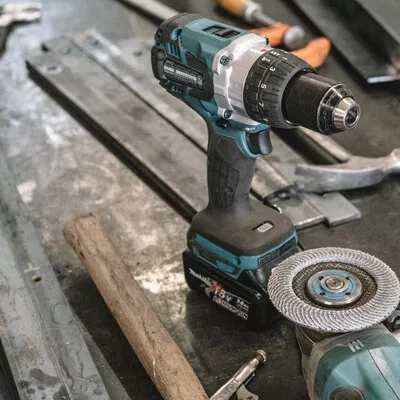
A small brush helps clean tight spots and corners. Use a soft-bristle brush or an old toothbrush. Gently brush dust and debris from joints and grooves. This removes stuck particles that air alone cannot clear. Regular brushing keeps the tool clean and safe to use.
Credit: www.kaercher.com
Clean Tool Surfaces
Cleaning the surfaces of your power tool keeps it in good shape. Dirt and dust can cause parts to wear out faster. Regular cleaning also helps the tool work better. Focus on all outer surfaces after each use. This simple step saves time and money later.
Wiping With A Damp Cloth
Start by turning off and unplugging the tool. Use a soft cloth slightly wet with water. Gently wipe all surfaces to remove dust and light dirt. Avoid using too much water to prevent damage. Pay attention to handles, buttons, and vents. Dry the tool with a clean, dry cloth after wiping.
Dealing With Stubborn Grime
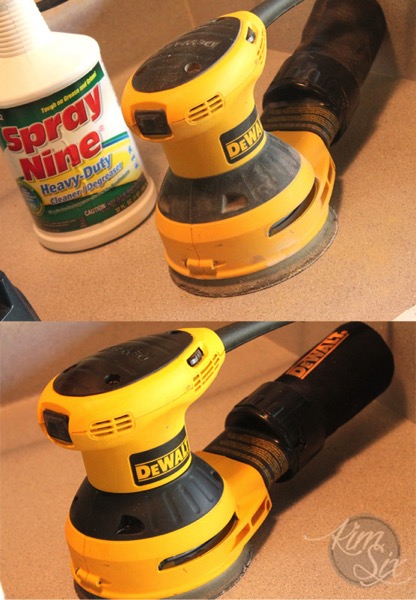
For tough dirt, use a mild soap solution. Dip a cloth in soapy water and wring it well. Rub the dirty areas carefully without soaking the tool. A soft brush can help reach small crevices. Avoid harsh chemicals that can harm the tool’s surface. Always dry the tool thoroughly to prevent rust.
Maintain Moving Parts
Maintaining the moving parts of your power tool is important. It helps the tool work smoothly and last longer. Dirt and dust can cause parts to stick or wear out faster. Regular care keeps everything running well and avoids costly repairs.
Lubricating Joints And Bearings
Joints and bearings need oil or grease to move freely. Use a small amount of lubricant on these parts. Avoid using too much, as it can attract dust. Apply lubricant after cleaning and before storing the tool. This reduces friction and prevents rust from forming.
Checking For Wear And Tear
Look closely at moving parts for signs of damage. Check for cracks, bends, or worn-out areas. Replace parts that look weak or broken. Worn parts can cause the tool to stop working properly. Regular checks help catch problems early before they get worse.
Inspect And Replace Accessories
Inspecting and replacing accessories is a key step after using any power tool. This step keeps tools working well and safe. Worn or damaged parts can cause poor results or accidents. Regular checks help catch issues early. Replace or sharpen parts to keep your tool ready for the next job.
Sharpening Or Replacing Blades
Dull blades reduce cutting quality and increase effort. Check blades for chips, cracks, or dullness. Sharpen blades using the right tool or replace them if damaged. Always use blades recommended by the tool maker. Clean blades before storing to stop rust and dirt build-up.
Checking Power Cords And Batteries
Power cords must be free of cuts and frays. Inspect cords carefully for any damage that can cause shocks or failures. Batteries should hold charge and fit snugly in the tool. Clean battery contacts with a dry cloth to keep good power flow. Replace weak or damaged batteries to keep tools running strong.
Proper Storage Tips
Proper storage helps keep power tools in good condition. It stops damage and makes tools last longer. Store your tools carefully after each use to avoid rust and wear. Good storage also saves space and keeps your work area tidy.
Keeping Tools Dry And Safe
Moisture can cause rust and damage power tools. Keep tools in a dry place away from water or humidity. Use silica gel packs or moisture absorbers inside storage boxes. Cover tools with cloth or plastic to protect from dust. Store tools off the ground to avoid dampness and dirt.
Organizing For Easy Access
Organize tools so you can find them quickly. Use shelves, pegboards, or toolboxes to separate each item. Label storage spots for each tool type and size. Keep cords wrapped neatly to avoid tangles. Organizing saves time and helps you work faster next time.

Credit: wd40.ae
Credit: www.thekimsixfix.com
Frequently Asked Questions
How Often Should I Clean My Power Tool After Use?
Clean your power tool after every use to maintain performance. Regular cleaning prevents dust buildup and prolongs tool life. It also ensures safety and efficiency during operation. Neglecting cleaning can cause malfunctions and reduce the tool’s durability.
What Is The Best Way To Remove Dust From Power Tools?
Use a soft brush or compressed air to remove dust. Avoid using water or harsh chemicals that can damage electrical parts. Wipe surfaces with a dry cloth to clean remaining debris. Proper dust removal keeps your tool running smoothly and safely.
Can I Use Water To Clean My Power Tools?
Avoid using water unless the tool is waterproof. Water can cause electrical damage and rust metal parts. Instead, use dry cleaning methods like brushes or cloths. For stubborn grime, use a mild cleaner suitable for power tools.
How Do I Clean The Power Tool’s Blades Safely?
Unplug the tool before cleaning blades to prevent accidents. Use a brush or cloth to remove debris carefully. For sticky residue, apply a small amount of lubricant or cleaner. Always wear gloves to protect your hands during cleaning.
Conclusion
Cleaning your power tools after each use keeps them working well. Dirt and dust can cause damage if left on the tools. A quick wipe and brushing remove most debris. Regular cleaning helps tools last longer and stay safe to use.
Take a few minutes after work to care for your tools. This simple habit saves money and prevents problems later. Keep your tools ready for the next project by cleaning them today. Easy and smart.

Michael Harris is an experienced woodworker and power tool expert with over 12 years in woodworking. Specializing in functional, high-quality furniture, he offers expert advice on tool selection, maintenance, and sharpening for both beginners and professionals.