

Setting up your first workshop at home can feel overwhelming, but it doesn’t have to be. Imagine having a space where all your tools are organized, your projects come to life, and creativity flows easily.
You’re just a few simple steps away from turning an unused corner into your personal workshop. Whether you’re into woodworking, crafting, or DIY repairs, this guide will help you create a space that works perfectly for you. Keep reading to discover how to make your home workshop functional, safe, and inspiring from the very start.
Choosing The Right Space
Choosing the right space for your home workshop is the first step to success. A good space helps you stay organized and work comfortably. It also keeps your tools and projects safe. Think about your needs and what you want to create in your workshop.
Assessing Available Areas
Look around your home for possible spots. Check basements, garages, spare rooms, or even a corner in the living room. Measure each area to see if it fits your tools and workspace. Choose a spot with enough room to move freely.
Considering Lighting And Ventilation
Good lighting is key for detailed work. Natural light is best but add strong lamps if needed. Avoid dark or shadowy areas. Ventilation keeps air fresh and removes dust or fumes. Open windows or use fans to improve airflow.
Ensuring Safety And Accessibility
Pick a space that is easy to reach. Avoid tight or cluttered places. Keep emergency exits clear and tools organized. Use sturdy shelves and secure heavy items. Safety helps prevent accidents and makes work easier.

Credit: www.vesternet.com
Essential Tools And Equipment
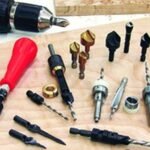
Setting up a workshop at home needs the right tools and equipment. These help you work safely and finish projects well. Start with basic tools before adding more complex gear. Organizing tools keeps your space tidy and easy to use. This section covers essential items for a beginner workshop.
Basic Hand Tools
Hand tools are the foundation of any workshop. A hammer, screwdrivers, and pliers are must-haves. Measuring tape and a level help with accuracy. A handsaw and utility knife cover simple cutting tasks. These tools are easy to use and cover many jobs.
Power Tools For Beginners
Power tools save time and effort. A cordless drill is versatile for drilling and screwing. A jigsaw helps cut shapes and curves in wood. An orbital sander smooths surfaces quickly. Choose tools with safety features and easy controls. Start with a few essential power tools and expand later.
Storage Solutions
Good storage keeps tools safe and easy to find. Use pegboards to hang hand tools on the wall. Small bins and drawers store screws and nails. Shelves hold bigger tools and equipment. Label storage containers to save time searching. A clean, organized workshop feels more inviting.
Organizing Your Workshop
Organizing your workshop is the first step to creating a productive space. A well-arranged workshop helps you work faster and safer. It also keeps tools easy to find and use. Planning the layout carefully saves time and reduces stress.
Focus on creating clear zones for different tasks. This way, your workspace feels neat and inviting. Start by thinking about the main activities you will do. Then arrange your tools and furniture around those tasks.
Workbenches And Surfaces
Choose a sturdy workbench as your main workspace. It should be at a comfortable height to avoid strain. A smooth, flat surface makes any project easier. Consider adding extra surfaces for small tasks or tool storage. Keep these areas clean and clutter-free for better focus.
Tool Arrangement Tips
Place frequently used tools within arm’s reach. Use pegboards or magnetic strips to hang tools on walls. Group similar tools together for quick access. Label storage bins and drawers to find items fast. Avoid piling tools; it causes frustration and slows work.
Maximizing Space Efficiency
Use vertical space by installing shelves and hooks. Store large items under benches or in corners. Keep pathways clear to move safely around your workshop. Use stackable containers to save floor space. Small workshops benefit from foldable tables and movable carts.
Safety Measures To Implement
Setting up a workshop at home is exciting. Safety must come first to avoid accidents. Following clear safety measures keeps you and your space safe. Small steps can make a big difference in preventing injuries and damage.
Personal Protective Gear
Wear safety glasses to protect your eyes from dust and debris. Use earplugs or earmuffs if using loud machines. Gloves protect your hands from cuts and chemicals. Choose sturdy shoes to guard your feet from heavy objects. Dress in clothes that fit well and cover your skin fully.
Fire Safety Practices
Keep a fire extinguisher nearby and know how to use it. Avoid clutter to reduce fire risks. Store flammable materials away from heat sources. Make sure electrical cords and outlets are in good condition. Create a clear exit path in case of emergency.
Safe Handling And Storage
Handle tools carefully to avoid slips and cuts. Store sharp tools in a secure place. Label containers with chemicals clearly. Keep heavy items on lower shelves. Clean spills immediately to prevent slips. Organize your workspace to keep everything easy to find.
Setting Up Utilities
Setting up utilities is a crucial step for your home workshop. It ensures safety and efficiency during work. Proper utilities help you focus on your projects without interruptions. This section covers electrical needs, lighting, and air quality control.
Electrical Requirements
Check your home’s electrical capacity before starting. Use dedicated circuits for heavy tools to avoid overload. Install enough outlets to reach all work areas easily. Consider using outlets with safety covers for protection. Use grounded plugs to prevent electrical shocks.
Lighting Setup
Good lighting reduces eye strain and improves precision. Use bright, white LED lights for clear visibility. Position lights to avoid shadows on your work surface. Task lighting helps illuminate detailed projects. Natural light is a great bonus if your space allows.
Dust Collection And Ventilation
Wood and metal dust can harm your health. Install a dust collection system to capture particles at the source. Use fans or vents to keep fresh air flowing. Open windows to improve ventilation when possible. Wear a mask to protect your lungs during dusty tasks.

Credit: shop.aeroflowsleep.com
Planning Your First Projects
Planning your first projects helps you start strong in your home workshop. It sets clear goals and makes the process fun. Good planning saves time and avoids frustration. Begin with simple ideas that match your skills and tools. Organize your materials before you start. Break the project into small steps. This way, you can focus on one task at a time. Let’s explore how to choose projects, gather materials, and plan step by step.
Selecting Beginner-friendly Projects
Pick projects that are easy and use basic skills. Simple designs help build confidence and keep you motivated. Look for projects with few parts and clear instructions. Small items like shelves, boxes, or picture frames work well. Avoid projects that need advanced tools or techniques. Focus on fun and learning, not perfection. Choose projects that fit your space and time.
Gathering Materials
Make a list of all materials before starting. Check what you already have at home. Buy only what is necessary to avoid waste. Use affordable and easy-to-find supplies. Wood, nails, glue, and sandpaper are common basics. Keep your materials organized and within reach. Quality materials help make better projects. Don’t forget safety gear like gloves and goggles.
Step-by-step Project Planning
Write down each step of the project clearly. Break big tasks into smaller, easy actions. Plan the order to avoid mistakes or delays. Set a timeline to finish each step. Prepare your workspace before starting. Clean and arrange tools and materials. Follow instructions carefully and check your progress. Take breaks to stay focused and safe. Adjust the plan if needed, but keep moving forward.
Maintaining Your Workshop
Maintaining your workshop is key to keeping it safe and efficient. A clean and organized space helps you work faster and avoid accidents. It also extends the life of your tools and equipment. Regular care keeps your workshop ready for any project.
Regular Cleaning Routines
Set a schedule for cleaning your workshop. Sweep the floor to remove dust and debris. Wipe down work surfaces after each project. Store materials in their proper places. A tidy space makes work easier and safer.
Tool Maintenance Tips
Check your tools regularly for damage or wear. Sharpen blades and replace dull parts. Clean tools after use to prevent rust. Oil moving parts to keep them working smoothly. Proper tool care saves money and improves results.
Updating Your Setup Over Time
Review your workshop layout every few months. Add new storage solutions if needed. Replace worn-out equipment with better options. Adapt your space as your skills grow. A flexible workshop keeps you motivated and productive.

Credit: store.nolo.com
Frequently Asked Questions
What Tools Are Essential For A Home Workshop?
Essential tools include a workbench, drill, hammer, screwdrivers, measuring tape, and safety gear. These basics ensure you can start most projects safely and efficiently.
How Do I Choose The Right Space For My Workshop?
Select a well-ventilated, dry area with enough room for your tools and projects. Good lighting and easy access to power outlets are also crucial.
What Safety Measures Should I Consider In A Home Workshop?
Always wear safety goggles and gloves. Keep the workspace clean, store tools properly, and ensure proper ventilation to avoid accidents and health hazards.
How Can I Organize Tools Effectively At Home?
Use pegboards, shelves, and labeled containers to keep tools visible and accessible. Proper organization saves time and reduces clutter in your workshop.
Conclusion
Setting up a home workshop can be simple and fun. Start with a clear plan and the right tools. Choose a space that fits your needs and keeps you safe. Organize your materials well to save time and effort. Keep your workspace clean and tidy every day.
With patience and practice, your workshop will grow. Enjoy creating and learning in your own space. This is the first step to many great projects ahead.