
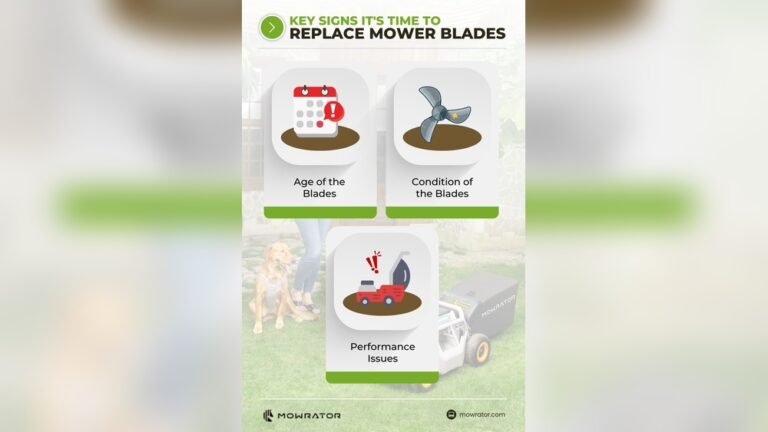

Your lawn mower blade is the secret weapon for a healthy, green yard. But how often should you replace it to keep your grass looking its best?
Using a dull blade can damage your lawn and make mowing harder than it needs to be. If you want to save time, protect your grass, and get a cleaner cut every time, understanding when to swap out your blade is key.
Keep reading to discover the simple signs that tell you it’s time for a new blade—and how often you should be checking. Your lawn will thank you.
Signs Blade Needs Replacement
Knowing when to replace your lawn mower blade is key for a healthy lawn. A worn blade cuts grass poorly and can hurt your mower. Watch for clear signs that show the blade needs changing. These signs keep your grass looking neat and your mower working well.
Dull Or Ragged Cuts
A sharp blade makes clean cuts on the grass. A dull blade tears grass, leaving ragged edges. This can cause brown tips and make the lawn look unhealthy. If your mower leaves torn grass, it is time to replace the blade.
Visible Nicks And Damage
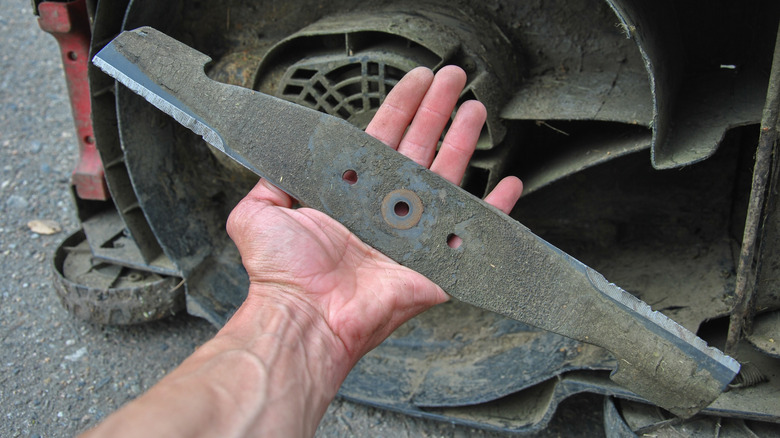
Look closely at the blade for dents or nicks. These damages happen when the blade hits rocks or sticks. Nicks reduce cutting power and can unbalance the blade. Any visible damage means the blade should be replaced soon.
Uneven Grass Height
Uneven grass height shows the blade is not cutting properly. Some spots may look longer or patchy. This happens when the blade is bent or dull. Replace the blade to get a smooth, even lawn again.
Factors Affecting Blade Wear
Several factors influence how fast a lawn mower blade wears out. Knowing these helps decide the right time to replace the blade. Wear depends on the type of grass, how often you mow, and the terrain. These details affect blade sharpness and cutting quality.
Grass Type And Thickness
Thick, tough grass wears blades faster than soft, thin grass. Some grass types have coarse blades that dull mower blades quickly. Lawns with dense grass need stronger blades and more frequent replacements. Soft grass causes less blade wear and lasts longer.
Mowing Frequency
More mowing means faster blade wear. Cutting grass weekly or more puts more stress on blades. Mowing less often reduces blade use and extends blade life. Frequent mowing keeps grass healthy but needs more blade care.
Terrain And Obstacles
Rough, uneven ground causes blades to dull quickly. Rocks, sticks, and debris damage blades with every hit. Smooth, clear lawns help blades stay sharp longer. Avoiding obstacles protects the blade and keeps cuts clean.
Recommended Replacement Intervals
Knowing how often to replace your lawn mower blade is key to a healthy, green lawn. Dull blades tear grass instead of cutting it cleanly. This can make your lawn look brown and damaged. Blade replacement depends on the type of mower and how often you use it. Understanding the right timing helps keep your mower working well and your lawn looking great.
Home Lawn Mowers
For home lawn mowers, blade replacement is usually needed once or twice per season. A typical lawn mower blade lasts about 20 to 25 hours of use. If you mow weekly, changing the blade every 6 to 12 months works well. Check the blade regularly for nicks, bends, or dull edges. Sharpening the blade between replacements can also keep it cutting well.
Commercial Mowers
Commercial mowers need blade replacement much more often. These mowers run for many hours daily and face tougher conditions. Replace blades every 20 to 40 hours of use. Some commercial operators change blades weekly. Regular blade checks help avoid poor cuts and damage to grass. Keeping blades sharp improves mower performance and saves fuel.
Seasonal Considerations
Blade wear changes with seasons. Grass grows fastest in spring and summer. This means mowing more often and blade wear speeds up. Replace or sharpen blades before peak growing season. In fall and winter, mowing slows down. Blade replacement can be less frequent. Always inspect the blade after winter storage for rust or damage.

Credit: www.youtube.com
Blade Maintenance Tips
Keeping your lawn mower blade in good shape saves time and money. Proper blade maintenance improves cutting performance and extends blade life. Follow simple steps to keep your blade sharp and balanced.
Regular care prevents uneven cuts and reduces damage to your lawn mower.
Regular Cleaning
Clean the blade after every use. Dirt and grass build-up dull the blade quickly. Use a brush or cloth to remove debris. Avoid using water directly on the blade to prevent rust. Dry the blade well if it gets wet. Clean blades cut grass more evenly.
Sharpening Techniques
Sharpen the blade at least once per mowing season. Use a metal file or a bench grinder for best results. Follow the original blade angle while sharpening. Remove only a small amount of metal to keep the blade balanced. Wear gloves and eye protection during sharpening. A sharp blade cuts cleanly and helps your lawn stay healthy.
Balancing The Blade
Balance the blade after sharpening to avoid vibration. Use a blade balancer or hang the blade on a nail. If one side dips, remove more metal from that side. A balanced blade runs smoothly and lasts longer. Check balance regularly for the best mowing experience.
Choosing The Right Replacement Blade
Choosing the right replacement blade for your lawn mower is important. The blade affects how well your mower cuts grass and how long it lasts. Picking a blade that fits your needs can save time and keep your lawn healthy.
Material And Durability
Lawn mower blades come in different materials. Steel blades are common and offer good strength. Some blades have extra coatings to resist rust and wear. Hardened steel blades last longer and stay sharp. Choose a blade made of strong material for better performance.
Blade Types And Styles
Blades have various shapes and designs. Mulching blades cut grass into fine pieces to feed your lawn. High-lift blades create strong airflow to lift grass for a cleaner cut. Low-lift blades work well on dry, sandy soil. Match the blade style to your lawn’s needs for best results.
Compatibility With Mower Models
Not all blades fit every mower. Check the size and mounting hole pattern of your mower. Use blades designed for your mower model. Wrong blades can cause damage or poor cutting. Read your mower’s manual or label for the right blade type.
Credit: www.slashgear.com
Safety Precautions When Replacing Blades
Replacing lawn mower blades requires care. Safety is the top priority. Sharp blades and heavy parts need respect. Taking precautions prevents accidents and injuries. Follow clear steps for a safe blade change.
Tools Needed
Gather the right tools before starting. A wrench or socket set is essential. Use gloves to protect your hands. A block of wood helps hold the blade. Safety glasses shield your eyes from debris.
Proper Blade Removal
Turn off the mower and disconnect the spark plug. This stops the mower from starting by mistake. Tilt the mower carefully on its side. Use the block of wood to keep the blade still. Loosen the bolt with the wrench. Remove the blade gently to avoid cuts.
Secure Installation Tips
Place the new blade with the sharp edge facing the right way. Tighten the bolt firmly but do not over-tighten. Check that the blade is secure and does not move. Reconnect the spark plug only after the blade is fixed. Test the mower in a safe area before regular use.

Credit: mowrator.com
Frequently Asked Questions
How Often Should Lawn Mower Blades Be Replaced?
Replace lawn mower blades every 1 to 2 years. Frequent use or rough terrain may require earlier replacement. Regular inspection helps ensure optimal cutting and lawn health.
What Are Signs Of A Dull Lawn Mower Blade?
Dull blades tear grass instead of cutting cleanly. Look for ragged grass edges, uneven cuts, and increased engine strain. These signs indicate it’s time to sharpen or replace the blade.
Can I Sharpen Lawn Mower Blades Instead Of Replacing?
Yes, sharpening blades can extend their life. However, blades should be replaced if they are bent, cracked, or excessively worn. Proper sharpening maintains clean cuts and lawn health.
How Does A Dull Blade Affect Lawn Health?
Dull blades tear grass, causing browning and vulnerability to disease. Clean cuts from sharp blades promote faster healing and a healthier lawn. Regular blade maintenance improves overall lawn appearance.
Conclusion
Replacing your lawn mower blade regularly keeps your grass healthy and neat. Dull blades tear grass, causing damage and disease. Check the blade every 20-25 hours of use or once a season. Sharpen or replace blades when you see cracks, bends, or dull edges.
A sharp blade makes mowing easier and faster. Take good care of your blade to save time and money. Clean and inspect it often. A well-maintained blade means a beautiful lawn all year long. Simple steps can make a big difference.

Ms.Sultana
Affiliate Marketer | SEO Specialist | Blogger at Elite Global Marketing Agency
Ms.Sultana brings over 16 years of expertise working with global Clients by providing different skills and Services. For the last 5 years working as an Affiliate marketer, specializing in high-ticket campaigns that drive exponential growth. She holds a degree in Computer Science and Engineering as well as achieved many more skills certificates from different institute/academies/Platform. As part of the Elite Global Marketing team, Sultana has helped clients generate millions in revenue through strategic partnerships, innovative funnels, and data-driven insights. She’s passionate about empowering businesses to scale by connecting them with the right affiliate opportunities.
Explore our resources or connect with us on LinkedIn to stay ahead in affiliate marketing.