
Is your lawn mower refusing to start just when you need it most? It’s frustrating, isn’t it?
You want a quick fix without calling a repair service or buying a new machine. The good news is, you can often solve this problem yourself with a few simple steps. You’ll learn exactly how to get your mower running again fast.
Keep reading, and you’ll save time, money, and a lot of hassle.
Credit: www.youtube.com
Check The Fuel
Checking the fuel is one of the first steps to fix a lawn mower that won’t start. Fuel problems are common and easy to fix. Old or low fuel can stop the engine from running. Start by making sure there is enough gas in the tank. Then, check if the gasoline is fresh. Old fuel can cause blockages and engine trouble. Sometimes, draining the old fuel helps the mower run smoothly again.
Inspect Fuel Level
Look at the fuel tank to see how much gas is inside. A lawn mower cannot start without enough fuel. Fill the tank if it is empty or very low. Use a flashlight if needed to see clearly. Make sure the fuel cap is tight after filling. A low fuel level might be the only problem stopping your mower.
Use Fresh Gasoline
Gasoline can go bad after a few months. Fresh fuel burns better and helps the engine start easier. Buy new gasoline if the current fuel is old. Avoid using gas that smells sour or looks cloudy. Old fuel can clog parts and stop the mower from working. Always use fresh gas for the best results.
Drain Old Fuel
If the fuel in the tank is old, draining it is a good idea. Use a container to catch the old gas safely. Remove the fuel line or open the drain plug to let the fuel out. Clean the tank if there is dirt or debris inside. After draining, fill the tank with fresh gasoline. This step helps clear any fuel blockages and improves mower performance.
Examine The Spark Plug
The spark plug plays a key role in starting your lawn mower. It creates the spark needed to ignite the fuel and air mix inside the engine. A faulty spark plug can stop your mower from starting. Examining the spark plug is one of the first steps to fix this problem. Below are simple steps to check and fix the spark plug.
Remove And Inspect Plug
First, make sure the mower is off and cool. Use a spark plug wrench to remove the plug. Look at the plug’s tip. It should be clean and dry. If it’s covered with black soot or oil, the plug might be dirty or worn out. Check for cracks or damage too. A damaged plug needs replacement.
Clean Or Replace Plug
Clean the plug with a wire brush if it looks dirty. Remove all soot and debris. If cleaning does not help, replace the plug. Use a new spark plug that matches the mower’s model. A fresh plug ensures a strong spark and better engine start.
Check Spark Gap
The spark gap is the space between the plug’s electrodes. It must be the right size for your mower. Use a spark gap tool to measure it. Adjust the gap by bending the side electrode gently. A correct spark gap helps the spark jump easily and starts the engine faster.
Inspect The Air Filter
The air filter is a key part of a lawn mower’s engine. It stops dirt and dust from entering the engine. A dirty or blocked air filter can cause the mower not to start. Checking the air filter is a simple step that can fix this problem.
Remove And Check Filter
First, find the air filter cover on your lawn mower. Usually, it is on the side of the engine. Remove the cover by unscrewing or unclipping it. Take out the air filter carefully. Look at the filter closely. If it is full of dirt, dust, or grass, it needs cleaning or replacing.
Clean Or Replace Filter
For a foam or paper filter, tap it gently to remove loose dirt. Use warm, soapy water for foam filters and let them dry completely. Do not use water on paper filters; instead, blow air to clean them. If the filter is torn or very dirty, replace it with a new one. A clean air filter helps the mower start easily and run well.
Credit: www.icecreamfactoryny.com
Test The Battery
Testing the battery is one of the first steps to fix a lawn mower that won’t start. A dead or weak battery often causes starting problems. Checking the battery ensures it has enough power to run the mower. Simple tests can show if the battery is the issue.
Check Battery Charge
Use a voltmeter or multimeter to check the battery charge. A fully charged battery should read around 12.6 volts. If the reading is below 12 volts, the battery may be weak. Charge the battery with a charger made for lawn mower batteries. After charging, test the voltage again.
Clean Battery Terminals
Dirty battery terminals can stop the mower from starting. Remove any dirt, rust, or corrosion on the terminals. Use a wire brush or sandpaper to clean the connections. After cleaning, reconnect the terminals tightly. Clean terminals help the battery send power to the mower.
Replace If Necessary
Sometimes cleaning and charging will not fix the problem. If the battery still fails to hold a charge, it may need replacement. Choose a battery that fits your lawn mower model. Install the new battery carefully, following the mower’s manual. A new battery often solves starting issues quickly.
Look At The Carburetor
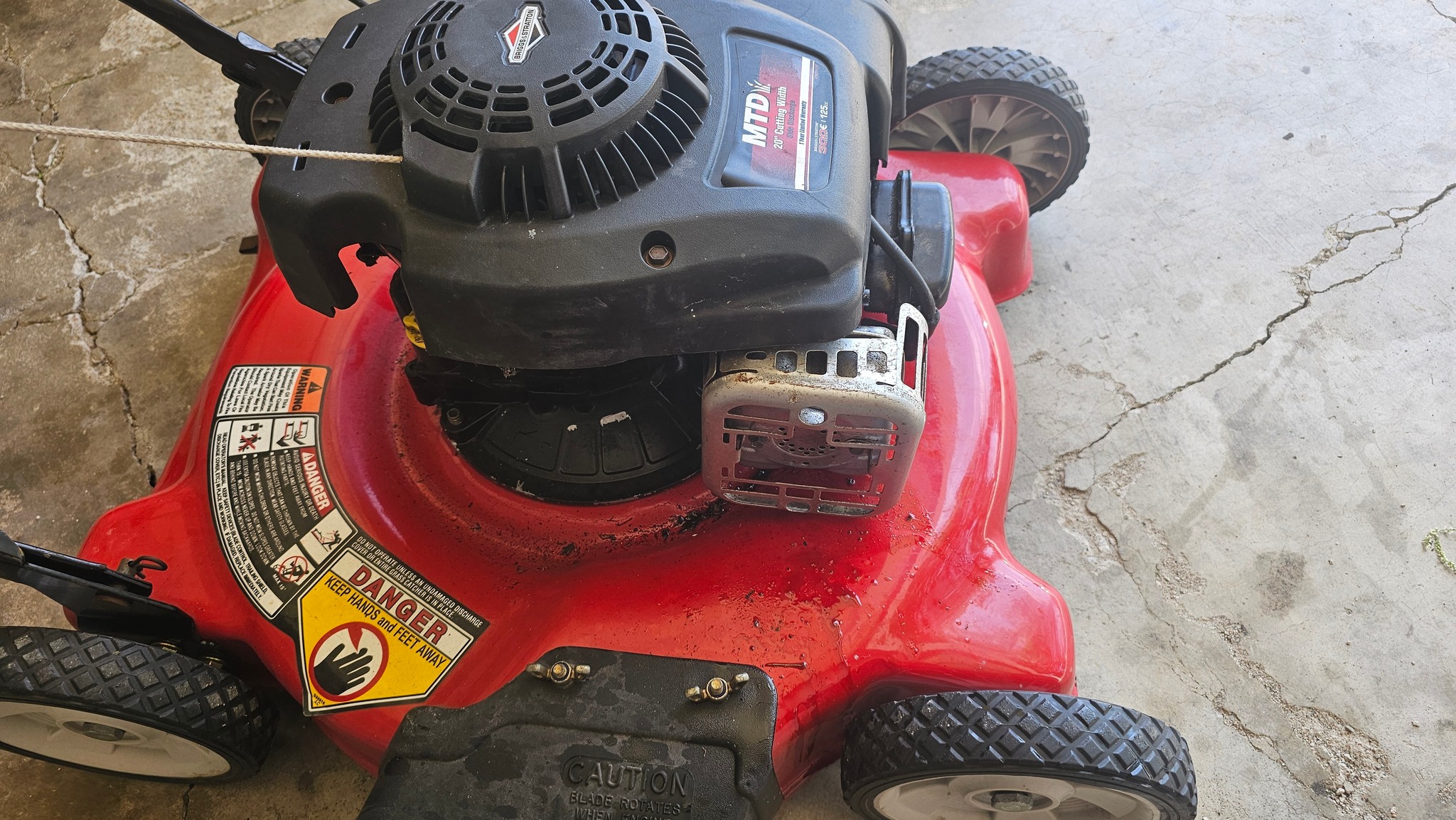
The carburetor is a key part of your lawn mower’s engine. It mixes air and fuel for the engine to run. Dirt or clogs can stop the mower from starting. Checking the carburetor often solves the problem quickly. Understanding how to clean and adjust it helps keep your mower working well.
Clean The Carburetor
Turn off the mower and disconnect the spark plug. Remove the carburetor carefully. Use a carburetor cleaner spray to remove dirt and old fuel. Clean all small holes and parts gently. Let the carburetor dry before putting it back. A clean carburetor lets fuel flow freely and keeps the engine running smoothly.
Adjust Carburetor Settings
Find the adjustment screws on the carburetor. These control the fuel and air mix. Turn the screws slowly to find the best setting. Too much fuel makes the engine flood and not start. Too little fuel makes the engine run rough or stall. Adjust until the mower runs steady and strong.
Check Safety Switches
Safety switches stop the lawn mower from running in unsafe conditions. These switches act as a guard to prevent accidents. Checking them can often solve starting issues. A faulty safety switch might block the mower from starting.
Inspect Brake And Clutch Switches
The brake and clutch switches must be working properly. These switches stop the engine if the brake is not engaged. Check if the brake switch is stuck or broken. Press the brake pedal and listen for a click. If there is no sound, the switch might be faulty. Also, check the clutch switch. It stops the mower if the clutch is not pressed. Use a multimeter to test for continuity. Replace any switch that does not work.
Test Handlebar Controls
Handlebar controls include the safety bar and throttle. The safety bar must be held down to start the mower. Check if the bar moves freely and returns to place. If it is stuck, clean or lubricate it. Test the throttle to ensure it is not stuck in the off position. Faulty handlebar controls can prevent the mower from starting. Replace damaged parts to restore proper function.
Examine The Fuel Line
Examining the fuel line is a key step when your lawn mower won’t start. The fuel line carries gas from the tank to the engine. Any problem here can stop the engine from running. Dirt, cracks, or blockages can block fuel flow. Checking the fuel line helps find and fix these issues fast.
Look For Blockages
Check the fuel line for clogs or dirt. Dirt can build up inside the tube and stop fuel flow. Remove the fuel line and blow through it. Use compressed air or a small wire to clear blockages. Make sure fuel moves freely before reattaching the line.
Replace Damaged Lines
Look closely for cracks, leaks, or hard spots. Old fuel lines can become brittle and break. Replace damaged lines with new fuel tubing of the same size. Cut the new line to the right length and connect it firmly. This ensures fuel flows safely to the engine.
Credit: www.eecusa.com
Inspect The Starter
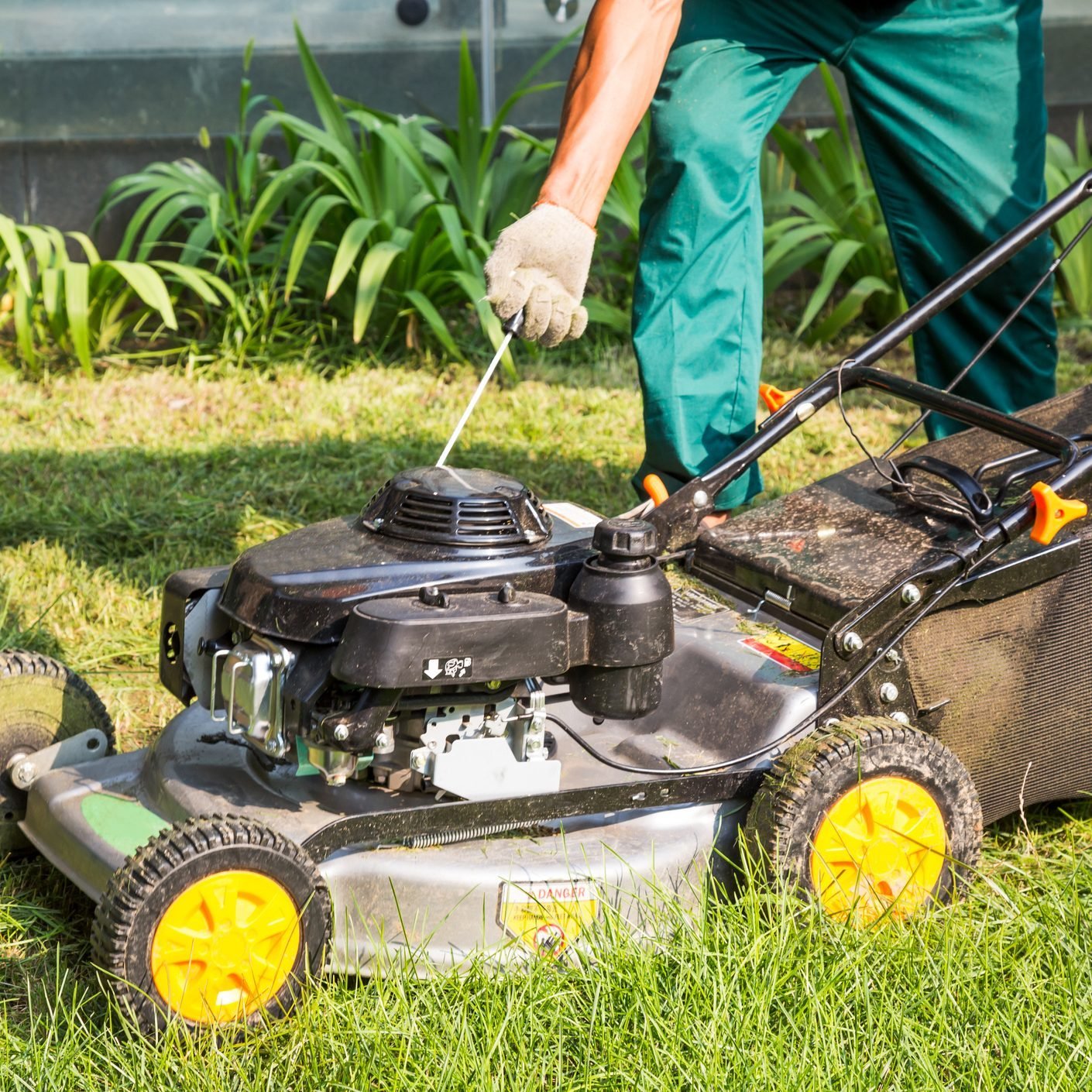
The starter is the part that helps your lawn mower come to life. It starts the engine by creating the first spark or turning it over. If your mower won’t start, the starter might have a problem. Checking the starter is an easy step to find the issue. This section explains how to inspect the starter carefully.
Check Pull Cord
First, look at the pull cord. It should move smoothly without breaking or sticking. Pull the cord gently. If it feels loose or very tight, the cord might be damaged or tangled. Sometimes the spring inside the starter gets weak or breaks. If the cord does not pull at all, the starter could be stuck or broken. Replace the cord if you see any damage.
Test Electric Starter
Some lawn mowers have an electric starter button. Press the button to check if it works. Listen for a clicking noise or engine turning sound. No sound means the battery might be dead or the starter motor is faulty. Check the battery charge first. If the battery is full, the electric starter may need repair. Make sure all wires connect well and are not loose or broken.
Regular Maintenance Tips
Regular maintenance keeps your lawn mower ready to work. It prevents many common problems. Simple steps help your mower start easily every time. Follow these tips to save time and money.
Schedule Routine Checks
Check your mower before each use. Look at the oil level and change it often. Clean or replace the air filter regularly. Inspect the spark plug and replace it if dirty. Tighten loose bolts and screws. These checks keep the engine running smoothly.
Store Properly
Store your mower in a dry, sheltered place. Avoid damp spots that cause rust and damage. Empty the fuel tank before long storage. This prevents fuel from going bad and clogging the engine. Cover the mower to keep dust and dirt away. Proper storage extends the mower’s life.
Frequently Asked Questions
Why Won’t My Lawn Mower Start After Winter?
Your mower may have stale fuel or a dirty carburetor. Drain old gas, clean the carburetor, and replace the spark plug.
How Do I Check A Lawn Mower Spark Plug?
Remove the spark plug, inspect for wear or deposits, and test for spark. Replace if damaged or fouled.
What Causes A Lawn Mower Engine To Flood?
Too much fuel or repeated starting attempts can flood the engine. Let it sit, then try starting again.
Can A Clogged Air Filter Stop Lawn Mower Starting?
Yes, a dirty air filter restricts airflow, causing starting issues. Clean or replace the air filter regularly.
Conclusion
Fixing a lawn mower that won’t start is often simple. Check the fuel, spark plug, and air filter first. Clean or replace parts as needed. Regular care keeps your mower running smoothly. Small problems don’t need a mechanic every time.
Save money and time by trying these steps. Keep your lawn neat with a working mower. Don’t give up; most issues have easy fixes. Your mower can work well again soon.

Ms.Sultana
Affiliate Marketer | SEO Specialist | Blogger at Elite Global Marketing Agency
Ms.Sultana brings over 16 years of expertise working with global Clients by providing different skills and Services. For the last 5 years working as an Affiliate marketer, specializing in high-ticket campaigns that drive exponential growth. She holds a degree in Computer Science and Engineering as well as achieved many more skills certificates from different institute/academies/Platform. As part of the Elite Global Marketing team, Sultana has helped clients generate millions in revenue through strategic partnerships, innovative funnels, and data-driven insights. She’s passionate about empowering businesses to scale by connecting them with the right affiliate opportunities.
Explore our resources or connect with us on LinkedIn to stay ahead in affiliate marketing.