
Choosing the best orbital sander can make all the difference in your DIY projects. Whether you’re smoothing wood, prepping surfaces, or tackling stubborn paint, the right tool saves you time and effort.
But with so many options out there, how do you pick the perfect one for your needs? In this guide, you’ll discover simple tips that help you make a smart choice. By the end, you’ll feel confident and ready to get the job done like a pro.
Keep reading to find out what really matters when selecting your next orbital sander.
Types Of Orbital Sanders
Choosing the right orbital sander depends on the type of work you plan to do. Each type of orbital sander has a unique design and purpose. Knowing the differences helps you pick the best tool for your project.
Random Orbit Sanders
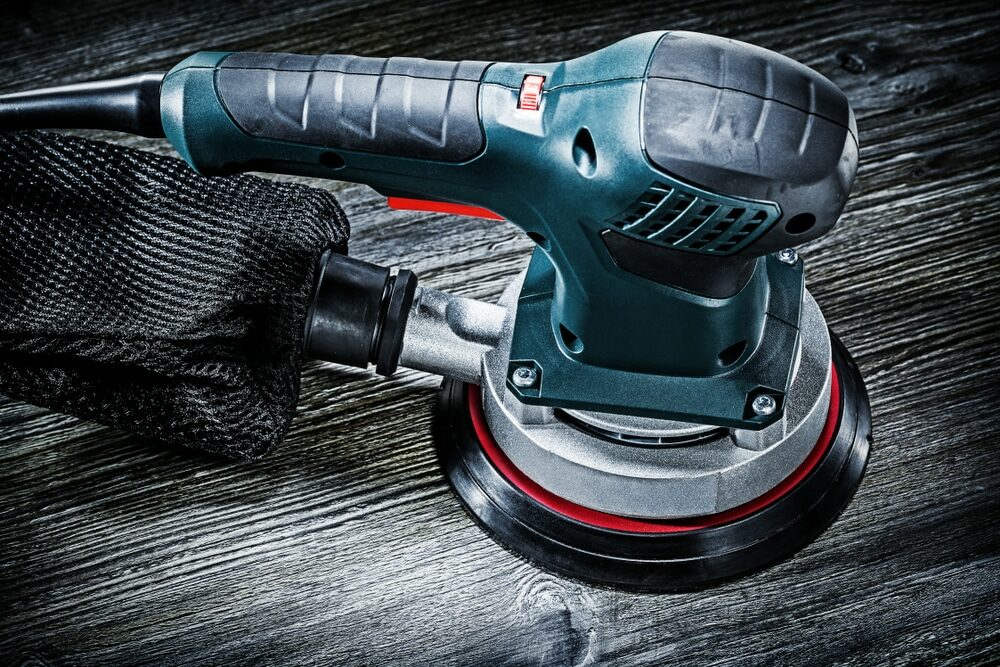
Random orbit sanders are versatile and popular. They move in a random elliptical pattern. This reduces swirl marks on wood surfaces. They work well for both rough and fine sanding. Ideal for furniture, doors, and floors.
Finishing Sanders
Finishing sanders have a simple back-and-forth motion. They use square or rectangular sanding pads. Best for light sanding and smoothing surfaces. Great for final touches on paint or varnish. Not for heavy material removal.
Detail Sanders
Detail sanders are small and precise. They have a triangular sanding pad. Perfect for tight corners and small spaces. Useful for crafts, furniture edges, and intricate woodwork. Easy to handle for delicate sanding tasks.
Credit: smartbuy.alibaba.com
Key Features To Consider
Choosing the best orbital sander means knowing the key features to check. These features affect how well the sander works and how comfortable it is to use. Focus on power, speed, size, dust control, and comfort. These details help pick the right tool for your project.
Power And Speed
Power defines how strong the sander is. Higher power means it can handle tough materials. Speed controls how fast the sanding pad moves in circles. Variable speed is best for different jobs. Slow speed for delicate surfaces. Fast speed for quick sanding on rough wood.
Orbital Diameter
Orbital diameter is the size of the sanding circle. Larger diameters cover more surface quickly. Smaller diameters give more control and detail work. Choose a size that fits your projects. Small for fine work. Large for big, flat areas.
Dust Collection System
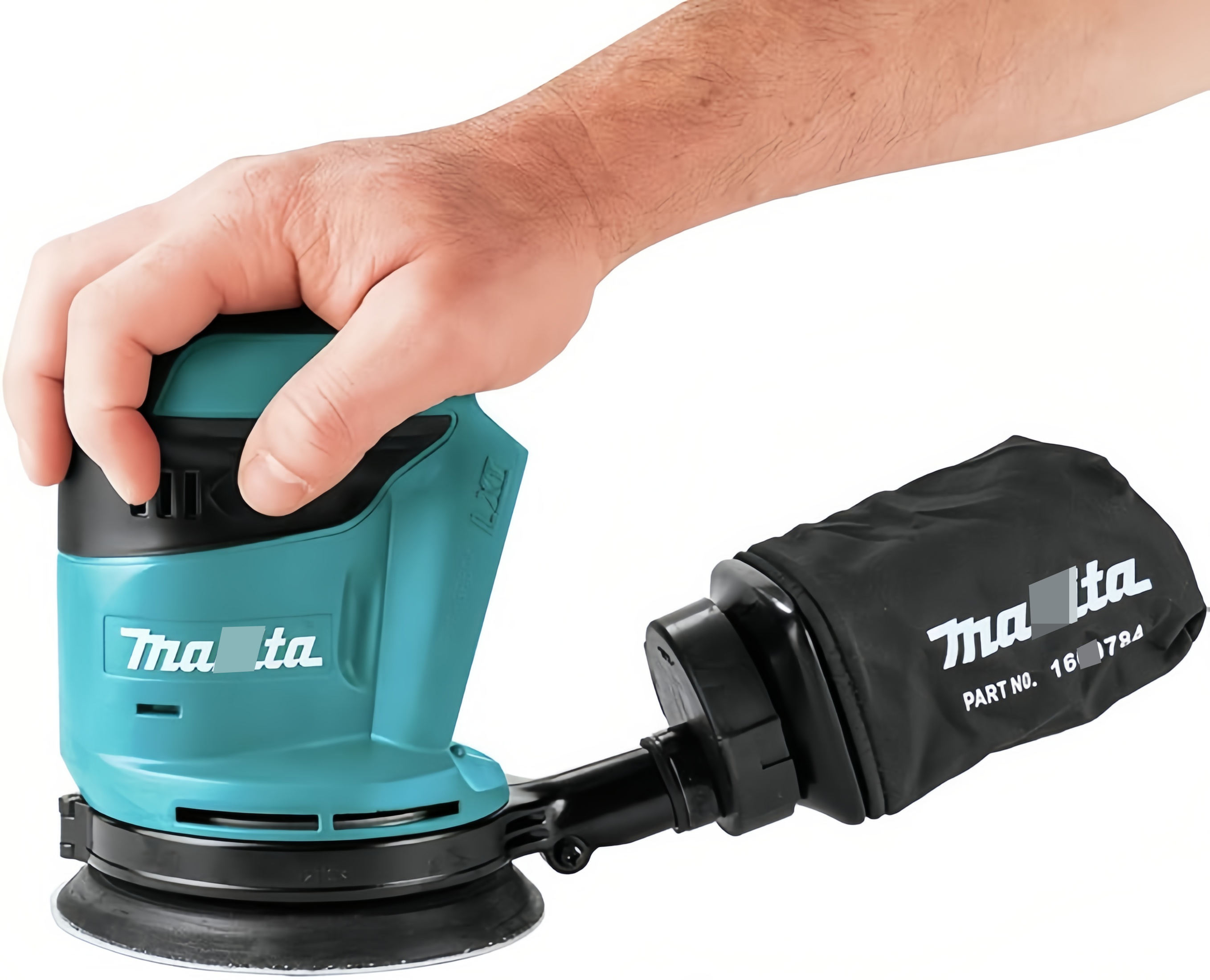
A dust collection system keeps your work area clean. It helps stop dust from spreading in the air. Look for sanders with good dust bags or ports for vacuums. Better dust control means better health and less cleanup.
Ergonomics And Weight
Comfort matters during long sanding jobs. Ergonomic designs reduce hand fatigue. Check the handle shape and grip material. Lighter sanders are easier to hold and move. Heavy tools may tire your arms quickly.
Choosing Based On Project Type
Choosing the best orbital sander depends on the type of project you plan to do. Each project material needs a different kind of sander for the best results. Picking the right tool helps you save time and get smooth finishes.
Woodworking
Wood requires a sander that can handle delicate surfaces without damage. Choose a sander with variable speed control for better control. Look for models with dust collection to keep your workspace clean. Orbital sanders with a fine grit pad work well on wood.
Metalworking
Metal needs a tougher sander with strong motor power. Select an orbital sander with a robust build to handle rough surfaces. Use coarser grit sandpaper for removing rust or paint. A sander with a good grip helps maintain control on metal parts.
Automotive Use
Automotive sanding requires precision and smooth finishes. Pick a sander that offers adjustable speed and low vibration. A lightweight sander reduces fatigue during long use. Dust extraction is important to avoid clogging and maintain visibility.
Budget And Brand Recommendations
Choosing the right orbital sander depends a lot on your budget and the brand you trust. A good balance between price and quality helps you get the best tool for your projects. Some sanders offer great features at low prices, while others provide extra power and durability for a higher cost. Understanding your needs and budget will guide you toward the best choice.
Affordable Options
Affordable orbital sanders are great for beginners or small jobs. These models usually have basic features but still deliver smooth results. Brands like Black+Decker and WEN offer reliable options under $50. These sanders work well for light sanding tasks and occasional use. They are easy to handle and good for home projects.
Premium Picks
Premium orbital sanders come with more power and advanced features. They suit professionals or frequent users who need high performance. These models often include variable speed control and better dust collection. Brands like Bosch and Makita are known for quality and durability. Prices usually range from $100 to $200 or more. Investing in a premium sander gives longer tool life and smoother finishes.
Trusted Brands
Choosing a trusted brand ensures quality and support. Brands like DeWalt, Bosch, Makita, and Black+Decker have good reputations. They offer warranties and easy access to replacement parts. Trusted brands also provide user-friendly designs and safety features. Picking a familiar name reduces the risk of buying a poor-quality tool.
Maintenance And Safety Tips
Maintaining your orbital sander properly keeps it working well and safe. Regular care helps you avoid problems and extends the tool’s life. Follow these simple steps to keep your sander in good shape and protect yourself during use.
Proper Cleaning
Remove dust and debris after each use. Use a soft brush or compressed air to clean vents and moving parts. Avoid water or harsh chemicals that can damage the sander. Wipe the surface with a dry cloth to keep it neat and dust-free.
Replacing Sanding Pads
Check the sanding pads often for wear and tear. Replace pads that are torn or worn out to keep sanding smooth. Use the right size and type of pad for your sander. Secure the new pad tightly before starting your work.
Safe Handling Practices
Always wear safety glasses and a dust mask while sanding. Keep a firm grip on the sander to avoid slips. Do not use excessive force; let the tool do the work. Unplug the sander before changing pads or cleaning it. Store the sander in a dry place away from children.

Credit: www.firstatlantaflooring.com
Credit: mrsander.co.uk
Frequently Asked Questions
What Features Matter Most In An Orbital Sander?
Key features include variable speed control, ergonomic design, and dust collection. These improve efficiency and comfort during sanding tasks.
How Do I Choose The Right Grit For Sanding?
Start with coarse grit for rough surfaces, then use finer grit for smooth finishes. Choose based on your project’s needs.
Can Orbital Sanders Be Used On Wood And Metal?
Yes, orbital sanders work well on both wood and metal. Use appropriate sandpaper grit for each material to avoid damage.
What Is The Difference Between Orbital And Random Orbital Sanders?
Orbital sanders move in a consistent circular pattern, while random orbital sanders move in random orbits. Random orbital models reduce swirl marks.
Conclusion
Choosing the best orbital sander takes some thought and care. Focus on power, speed settings, and comfort for your needs. Think about the types of projects you will do most. A lightweight and easy-to-handle sander helps reduce fatigue. Don’t forget to check dust collection features to keep your workspace clean.
Remember, the right sander makes your work easier and smoother. Take your time to compare options before buying. This way, you get the best tool for your budget and tasks.

Michael Harris is an experienced woodworker and power tool expert with over 12 years in woodworking. Specializing in functional, high-quality furniture, he offers expert advice on tool selection, maintenance, and sharpening for both beginners and professionals.