Angle Grinder Safety Tips: Essential Practices for Injury-Free Use
Using an angle grinder can make your work faster and easier, but it also comes with risks you can’t ignore. If you want to protect yourself from serious injuries, knowing the right safety tips is a must.
You’ll discover simple yet powerful ways to keep your hands, eyes, and body safe every time you pick up your angle grinder. Keep reading, because a few smart habits can make all the difference between a smooth job and a dangerous accident.
Your safety is in your hands—let’s make sure you use it well.
Choosing The Right Grinder
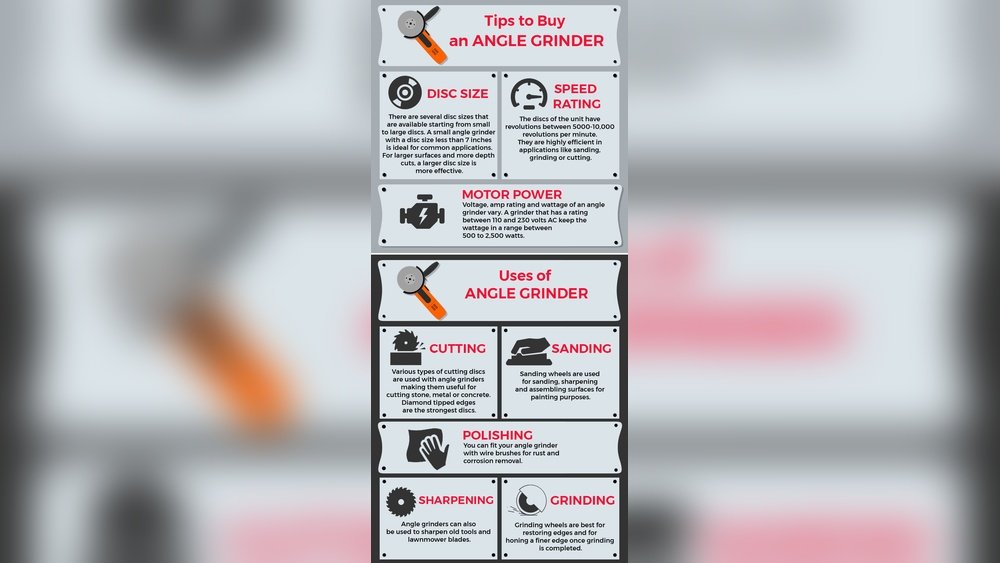
Choosing the right angle grinder is important for safety and performance. The right tool makes your work easier and reduces risks. This section explains how to select the best grinder for your tasks. Understanding the types and discs helps you work safely and effectively.
Types Of Angle Grinders
Angle grinders come in different sizes and power sources. Small grinders are good for light tasks like cutting metal pipes. Larger grinders handle heavy jobs like grinding concrete. Corded grinders provide constant power but limit movement. Cordless models offer freedom but need battery charge. Choose a grinder size and power type that fits your project.
Selecting Appropriate Disc
Discs vary by material and purpose. Cutting discs are thin and fast. Grinding discs are thicker for heavy work. Use diamond discs for hard materials like stone. Always match the disc size to your grinder. Using the wrong disc can cause accidents. Check the disc’s speed rating matches the grinder’s speed. Proper discs increase safety and improve results.
Personal Protective Equipment
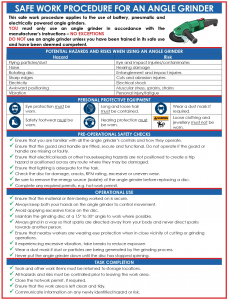
Personal protective equipment (PPE) is essential when using an angle grinder. It guards your body from sparks, debris, and loud noise. Wearing the right gear reduces injury risk and keeps you safe during work. Never start grinding without proper protection.
Eye And Face Protection
Eye and face protection stops flying particles from causing harm. Use safety goggles or a full face shield. Goggles fit snugly and block dust and small debris. A face shield covers the whole face for extra safety. Both protect against sparks and fragments. Clear lenses help you see your work well.
Hand And Body Safety Gear
Wear thick gloves to protect your hands from cuts and heat. Gloves also improve your grip on the tool. Long sleeves and sturdy clothing shield your arms and body. Avoid loose clothes that can catch in the grinder. Strong boots protect your feet from falling objects. Dress to block sparks and prevent burns.
Hearing Protection
Angle grinders produce loud noise that can damage hearing. Use earplugs or earmuffs to reduce sound levels. Ear protection helps you work longer without pain or discomfort. Choose comfortable gear that fits well and blocks noise effectively. Protect your ears every time you grind.
Safe Handling Techniques
Safe handling techniques reduce injury risks when using an angle grinder. Proper use keeps the tool steady and under control. This section covers key tips to handle your angle grinder safely and effectively.
Proper Grip And Stance
Hold the angle grinder with both hands for better control. One hand should grip the main handle. The other hand holds the side handle firmly. Stand with feet shoulder-width apart. This stance helps maintain balance during operation. Keep your body positioned to avoid direct contact with sparks or debris.
Avoiding Kickback
Kickback happens when the grinder suddenly jerks back toward you. To prevent this, avoid twisting the tool during cutting or grinding. Always use the correct disc for the task. Keep the disc guard in place to protect against flying debris. Stop the tool immediately if you feel unusual vibration or resistance.
Controlling Speed And Pressure
Apply steady, light pressure while working. Do not force the grinder into the material. Let the tool’s speed do the cutting or grinding. High speed with heavy pressure causes damage and loss of control. Adjust the speed settings according to the material type and task.
Credit: redcatsafety.com
Inspecting Tools Before Use
Inspecting your angle grinder before use is crucial for safe operation. Regular checks help spot problems early. This reduces the chance of accidents. Taking a few minutes to inspect the tool ensures it works well. It also protects you from injury. Here are key steps to inspect your angle grinder effectively.
Checking Discs For Damage
Always examine the grinding disc closely. Look for cracks, chips, or wear. Damaged discs can break during use. This can cause serious injury. Never use a disc that looks weak or worn out. Replace old or damaged discs immediately. Use the right disc for the material you cut or grind.
Ensuring Guard And Handles Are Secure
Check the safety guard before starting work. The guard should cover the disc properly. It protects you from sparks and debris. Make sure the guard is tight and does not move. Also, check the handles. They must be firmly attached to the grinder. Loose handles can cause loss of control.
Verifying Power Cord And Connections
Look over the power cord carefully. Search for cuts, frays, or exposed wires. Damaged cords can cause electric shocks. Ensure the plug fits tightly in the socket. Loose connections may lead to sparks or power loss. Use a grinder with a secure and intact cord only.
Operating In Safe Environments
Operating an angle grinder in a safe environment is crucial for preventing accidents. A clean, organized workspace helps you focus on the task. It also reduces the risk of injury and damage.
Clearing Work Area
Remove all clutter from your work area. Tools, cords, and debris can cause trips or falls. Keep the floor clean and free of obstacles. This helps you move safely and work more effectively.
Avoiding Flammable Materials
Angle grinders create sparks during use. Sparks can ignite flammable materials nearby. Remove any liquids, papers, or fabrics that can catch fire. Maintain a safe distance from gas cans or chemicals.
Maintaining Proper Lighting And Ventilation
Good lighting lets you see your work clearly. Poor light increases mistakes and accidents. Ventilation is important to clear dust and fumes. Work in a well-ventilated area to protect your lungs and improve comfort.

Credit: www.youtube.com
Maintenance And Storage
Proper maintenance and storage of your angle grinder keep it working well and safe to use. Regular care extends the tool’s life and prevents accidents. Simple steps after each use help avoid damage and wear.
Cleaning After Use
Remove dust and debris from the grinder’s surface. Use a brush or compressed air to clean hard-to-reach areas. Wipe the body with a dry cloth. Avoid water or liquids that can harm the motor.
Replacing Worn Parts
Check the grinding wheel and guard for cracks or wear. Replace any damaged parts immediately. Use parts made for your grinder model. Worn parts reduce safety and performance.
Storing Safely
Keep the angle grinder in a dry place. Avoid damp or dusty areas. Store it in a case or on a shelf out of reach of children. Unplug the tool and wrap the cord neatly before storing.
Emergency Response Tips
Emergencies can happen anytime while using an angle grinder. Knowing what to do fast can prevent serious harm. This section covers key tips on how to respond in urgent situations. Stay calm and act quickly to keep yourself and others safe.
Handling Disc Breakage
Disc breakage is a common risk with angle grinders. If the disc shatters, stop the tool immediately. Move away from the grinder to avoid flying debris. Turn off the power and unplug the tool. Check for injuries before attempting to clean the area. Replace the broken disc with the correct type and size only.
Responding To Injuries
Injuries can range from small cuts to deep wounds. Stop the bleeding by applying firm pressure with a clean cloth. Do not remove large objects stuck in the wound. Seek medical help right away for serious injuries. Keep the injured person calm and still. Avoid giving food or drink in case surgery is needed.
First Aid Basics
Basic first aid knowledge saves lives in emergencies. Always carry a first aid kit near your work area. Clean minor wounds with water and mild soap. Cover cuts with sterile bandages to prevent infection. Use ice packs to reduce swelling on bruises. Learn CPR and emergency numbers for quick help in critical situations.
Credit: www.empireabrasives.com
Frequently Asked Questions
What Personal Protective Equipment Is Essential For Angle Grinder Safety?
Always wear safety goggles, gloves, ear protection, and a dust mask. These prevent injuries from sparks, debris, and loud noise.
How Do I Properly Hold An Angle Grinder?
Hold the grinder firmly with both hands. Use the side handle for better control and stability during operation.
What Safety Checks Should I Perform Before Using An Angle Grinder?
Inspect the disc for damage, ensure guards are in place, and check power cords. Never use a grinder with faulty parts.
Can Angle Grinders Be Used Indoors Safely?
Yes, but ensure good ventilation to avoid dust buildup. Use dust extraction systems and wear a respirator for protection.
Conclusion
Angle grinders are powerful tools that need respect and care. Always wear safety gear and check the tool before use. Keep your hands steady and stay alert to avoid accidents. Use the right disc for your task to work safely.
Taking these steps protects you and others around. Safety is not just a rule—it keeps your work smooth and injury-free. Remember, a safe worker is a smart worker. Stay cautious and work confidently with your angle grinder.
