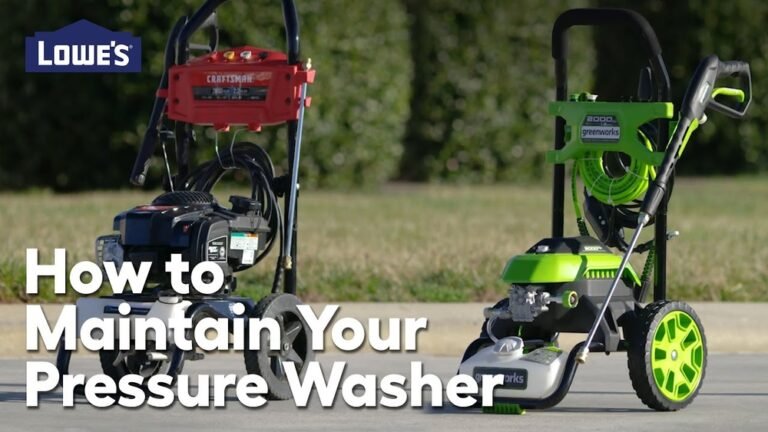
You rely on your pressure washer to keep your home and outdoor spaces spotless. But if you don’t take good care of it, your machine can lose power, break down, or even stop working altogether.
Imagine needing it for a big cleaning task and finding it won’t start. Frustrating, right? That’s why maintaining your pressure washer is key. You’ll discover simple, effective steps to keep your pressure washer running smoothly for years. Ready to save time, money, and stress?
Let’s dive in.
Routine Cleaning
Routine cleaning keeps your pressure washer working well for a long time. Dirt and debris can clog parts and reduce power. Cleaning your machine often stops damage and keeps it ready to use.
Flushing The System
Flushing removes dirt inside the pressure washer’s hoses and pump. Run clean water through the system for a few minutes. This clears out any leftover detergent or grime. It helps avoid clogs and keeps water flowing smoothly.
Cleaning Nozzles And Filters
Nozzles and filters trap dirt during cleaning. Dirt buildup can block water flow and lower pressure. Remove nozzles and soak them in warm water. Use a small brush or needle to clear holes. Check and clean filters regularly to keep your washer strong.
Proper Storage
Proper storage is key to keeping your pressure washer in good shape. Storing it right protects the machine from damage. It also helps it work well for a long time.
Follow simple steps to store your pressure washer safely. This stops rust, freezing, and other common problems. Your machine will stay ready for the next use.
Draining Water
Drain all water from the pressure washer after each use. Water left inside can cause rust and damage parts. Remove water from the pump, hose, and wand.
Run the pressure washer for a few seconds without water. This clears out any remaining water in the system. Store the machine only when fully dry inside.
Protecting From Freezing Temperatures
Freezing can crack parts and cause serious damage. Keep the pressure washer in a warm, dry place during winter. Avoid storing it outside or in unheated areas.
If freezing is unavoidable, use antifreeze designed for pressure washers. Follow instructions carefully to protect the pump and pipes. Proper protection saves costly repairs later.
Regular Inspection
Regular inspection is key to keeping your pressure washer working well. It helps catch small problems early before they turn into big issues. This saves money and time. Checking your equipment often keeps it safe and extends its life.
Checking Hoses And Connections
Look closely at hoses for cracks or leaks. Bent or worn hoses can cause low pressure or water loss. Make sure connections fit tightly. Loose fittings lead to leaks and poor performance. Replace damaged hoses right away to avoid bigger problems.
Inspecting The Pump
The pump is the heart of your pressure washer. Check it for oil leaks or unusual noises. Make sure the pump oil is clean and at the correct level. Dirty or low oil can damage the pump. Clean the pump inlet filter regularly to keep water flow smooth.
Oil And Fluid Care
Proper oil and fluid care keeps your pressure washer running smoothly. Regular checks and changes prevent damage and extend the machine’s life.
Clean oil helps the engine and pump work well. Dirty or low oil can cause serious problems. Fluids like fuel also need attention to avoid clogs and poor performance.
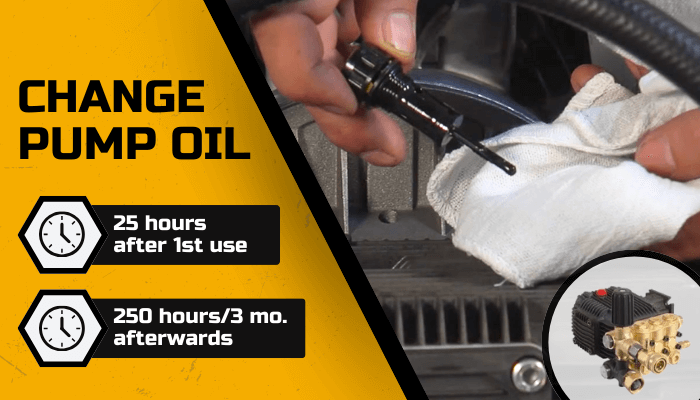
Changing Pump Oil
Check the pump oil every 50 hours of use. Use the oil type recommended in your manual. Drain old oil completely before adding fresh oil. Avoid mixing different oil types. Tighten the drain plug securely after refilling. This keeps the pump parts lubricated and safe.
Monitoring Fuel And Engine Oil
Keep an eye on engine oil levels before each use. Change engine oil based on hours used or season. Use clean, fresh fuel to prevent clogging. Store fuel in a sealed container away from heat. Check for leaks around the engine and fuel tank regularly. Clean fuel and oil ensure smooth engine operation.
Using The Right Detergents
Using the right detergents keeps your pressure washer working well. It helps clean surfaces better and protects the machine. Choosing the correct cleaner makes your job easier and extends your pressure washer’s life.
Choosing Compatible Cleaners
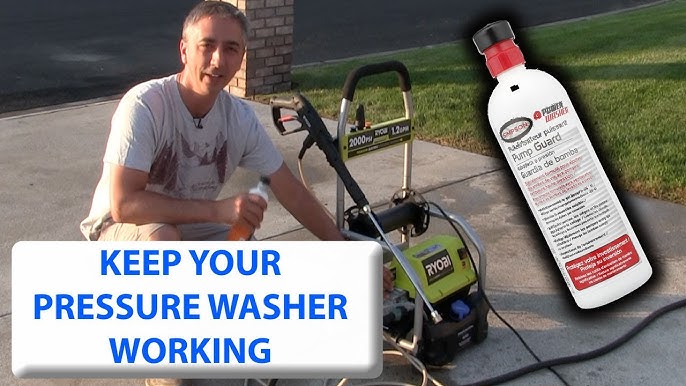
Pick detergents made for pressure washers. These cleaners mix well with water and spray evenly. Using compatible cleaners stops damage to the pump and seals. Check the label to see if the detergent fits your model. Avoid homemade mixtures that may harm your machine.
Avoiding Harsh Chemicals
Stay away from strong acids or bleach. Harsh chemicals can wear down parts fast. They can cause rust or cracks inside the pressure washer. Use mild detergents that clean gently but well. This keeps your machine safe and working longer.
Credit: www.youtube.com
Operating Tips
Operating your pressure washer correctly helps it last longer. It also keeps it running safely and well. Follow simple steps every time you use it. These tips help avoid damage and keep performance strong.
Starting And Shutting Down Properly
Start by checking all connections and hoses. Make sure the water supply is on and flowing. Turn on the pressure washer only after water flows steadily. This prevents air from entering the pump.
Hold the spray gun trigger before starting the engine. This releases pressure and helps the machine run smoothly. After use, turn off the engine first. Then turn off the water supply. Squeeze the trigger to release leftover pressure. Store the washer in a dry place.
Avoiding Overheating
Run the pressure washer only for short periods. Long use can cause the engine to get too hot. Take breaks to let it cool down. Keep water flowing at all times during operation.
Use the right nozzle and pressure settings. High pressure for too long stresses the motor. Avoid blocking the spray tip or nozzle. This can cause heat buildup inside the machine. Watch for warning signs like strange smells or noises.
Troubleshooting Common Issues
Troubleshooting common issues helps keep your pressure washer working well. Problems can stop your cleaning tasks. Fixing small issues early saves time and money. This guide covers two frequent problems: low pressure and leaks. Follow simple steps to solve these problems fast.
Dealing With Low Pressure
Low pressure reduces cleaning power. Check the water supply first. Make sure the hose is not kinked or blocked. A dirty nozzle can cause low pressure. Clean it with a thin wire or replace it. Check the pressure washer’s filter for dirt. Clean or change the filter if needed. Inspect the unloader valve. Adjust it to restore proper pressure. Check for air in the water line. Run water through the hose to remove air. These steps often restore good pressure quickly.
Fixing Leaks
Leaks waste water and reduce pressure. Find the leak source by checking all connections. Tighten loose fittings carefully, but don’t overtighten. Look at the high-pressure hose for cracks or holes. Replace the hose if damaged. Inspect the pump seals and valves for wear. Worn seals need replacing to stop leaks. Use proper tools to avoid damage. Regularly check your machine for leaks to keep it safe and efficient.
Credit: mechmaxx.com
Credit: www.mitm.com
Frequently Asked Questions
How Often Should I Clean My Pressure Washer?
Clean your pressure washer after every use to prevent dirt buildup. Regular cleaning ensures better performance and prolongs its life.
What Type Of Oil Is Best For Pressure Washers?
Use high-quality, manufacturer-recommended oil for your pressure washer’s engine. Check the manual for specific oil types and change intervals.
How Do I Prevent Freezing In My Pressure Washer?
Drain all water and use antifreeze if storing in freezing temperatures. Proper winterizing prevents damage to internal components.
Why Is Pressure Washer Maintenance Important?
Regular maintenance improves efficiency, prevents costly repairs, and extends the machine’s lifespan. It keeps your pressure washer running safely and smoothly.
Conclusion
Maintaining your pressure washer keeps it working well for years. Clean the filters and check hoses often. Use the right fuel and store it properly. Regular care saves money on repairs later. Small steps help avoid big problems. Keep your machine ready for every job.
A well-kept washer makes cleaning easier and faster. Simple habits protect your investment and time. Stay consistent, and your pressure washer will last long.

Michael Harris is an experienced woodworker and power tool expert with over 12 years in woodworking. Specializing in functional, high-quality furniture, he offers expert advice on tool selection, maintenance, and sharpening for both beginners and professionals.