How Long Should an Orbital Sander Last? Expert Lifespan Tips
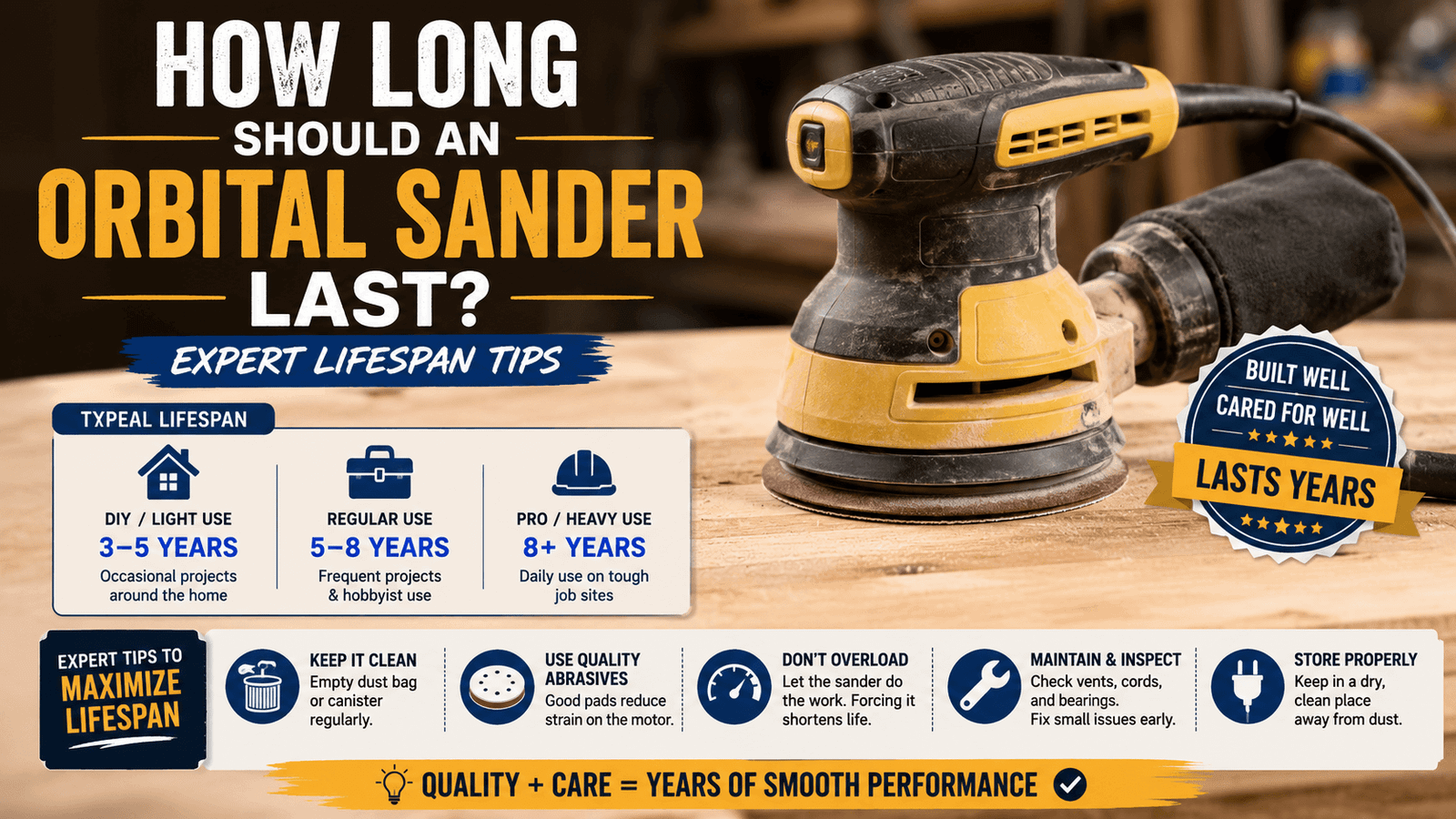
Are you wondering how long your orbital sander should last? Whether you’re a DIY enthusiast or a professional, knowing the lifespan of this tool can save you time, money, and frustration.
You rely on your sander to get the job done smoothly—so it’s important to understand what affects its durability and when you might need to replace it. Keep reading to discover the key factors that impact your orbital sander’s life and how to get the most out of your investment.
Orbital Sander Basics
An orbital sander is a popular tool for sanding surfaces smoothly. It moves in small circles to remove material evenly. This design helps avoid scratches and marks.
Understanding the basics of an orbital sander helps you choose and use it well. It also gives insight into how long the tool can last with proper care.
Types Of Orbital Sanders
There are mainly two types of orbital sanders: random orbital and finishing orbital. Random orbital sanders move in a random pattern. This reduces swirl marks on the surface. Finishing orbital sanders move in a fixed small circle. They are better for light sanding and finishing work.
Each type suits different tasks. Random orbital sanders work faster and handle rough surfaces well. Finishing orbital sanders create a smooth finish on wood or paint.
Common Uses And Applications
Orbital sanders are used in woodworking, car repair, and metal polishing. They help remove old paint, smooth rough wood, and prepare surfaces for painting. Hobbyists and professionals use them for furniture and crafts.
These sanders are easy to control and lightweight. This makes them good for detailed work and large projects. They save time and improve the look of the finished product.




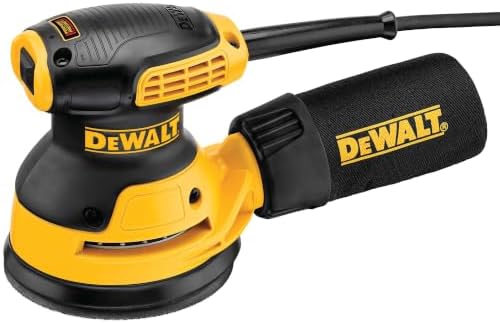


Factors Affecting Lifespan
The lifespan of an orbital sander depends on several key factors. These factors influence how long the tool stays effective and safe to use. Understanding them helps you choose the right sander and care for it properly. Below are important elements that affect the durability of your orbital sander.
Build Quality And Materials
High-quality materials boost the strength of an orbital sander. Metal parts last longer than plastic ones. Strong motors resist wear better over time. A sturdy design reduces the risk of damage during use. Cheaper tools may wear out faster or break easily.
Frequency Of Use
How often you use the sander changes its lifespan. Frequent daily use leads to faster wear. Occasional use allows parts to last longer. Heavy projects put more strain on the motor and bearings. Light or hobby use usually extends the tool’s life.
Maintenance Practices
Regular cleaning keeps dust and debris from building up inside. Lubricating moving parts reduces friction and wear. Checking for loose screws or damaged parts prevents bigger problems. Ignoring maintenance causes the sander to fail sooner. Proper care is key to lasting performance.
Operating Conditions
Using the sander in dusty or wet places shortens its life. High heat can damage internal parts and motor windings. Applying too much pressure stresses the tool and causes overheating. Working on rough surfaces wears out the sanding pads quickly. Ideal conditions keep the sander working well longer.
Expected Lifespan Range
Knowing how long an orbital sander lasts helps you plan your projects better. The lifespan varies by the type of sander and how often you use it. Some models last a few years, while others can serve for decades. Understanding this range helps you choose the right tool for your needs.
Average Lifespan For Consumer Models
Consumer orbital sanders usually last between 3 to 5 years. These models are designed for light to moderate use. Using them occasionally for home projects keeps them working well. Overuse or heavy tasks can shorten their lifespan. Proper care and storage also extend their life.
Durability Of Professional-grade Sanders
Professional orbital sanders have a longer lifespan. They often last from 7 to 10 years or more. These tools are built with stronger materials for daily use. They handle tough jobs without breaking down quickly. Regular maintenance is still important to keep them running smoothly.
Best Replacement Orbital Sander and Spare Sanding Pads to Keep Your Projects Moving
If your orbital sander is slowing down, overheating, vibrating too much, or no longer holding sanding discs properly, replacing it may be smarter than spending money on repeated repairs. A worn-out sander can leave swirl marks, waste sanding pads, and make simple projects take much longer than they should.
Before buying a new orbital sander, check three things: motor power, dust collection, and pad compatibility. For most DIY users and woodworkers, a 5-inch random orbital sander is the easiest size to replace because sanding discs are widely available.
Quick Product Comparison
| Product | Best For | Why It Fits | Price |
| DEWALT DWE6423K 5-Inch Variable Speed Random Orbit Sander | Best overall replacement | Strong 3-amp motor, variable speed, comfortable grip, and reliable dust collection | Check Price |
| Makita BO5041K 5-Inch Random Orbit Sander Kit | Best for furniture and woodworking | Variable speed, front handle, strong control, and smooth sanding performance | Check Price |
| Bosch ROS20VSC 5-Inch Random Orbit Sander | Best for smooth finish and dust control | Low-vibration design, variable speed, and strong fine-dust filtration | Check Price |
| SKIL SR211601 5-Inch Random Orbital Sander | Best budget replacement | Affordable, variable speed, and good for regular home projects | Check Price |
| POWERTEC 5-Inch 8-Hole Hook and Loop Sanding Discs | Best spare sanding pad set | Assorted grits for rough sanding, smoothing, and finishing | Check Price |
| S SATC 5-Inch 8-Hole Sanding Discs | Best beginner pad pack | Multiple grit options in one pack for general sanding jobs | Check Price |
| WORKPRO 5-Inch Assorted Sanding Discs | Best bulk pad pack | Large quantity with many grit levels for frequent use | Check Price |
1. DEWALT DWE6423K 5-Inch Variable Speed Random Orbit Sander
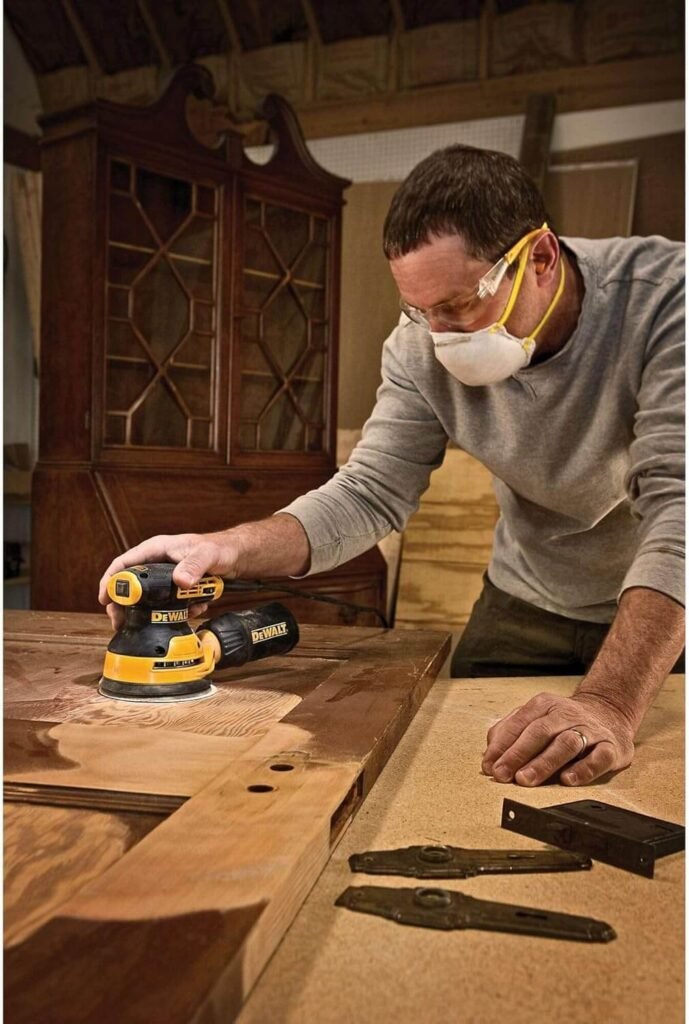
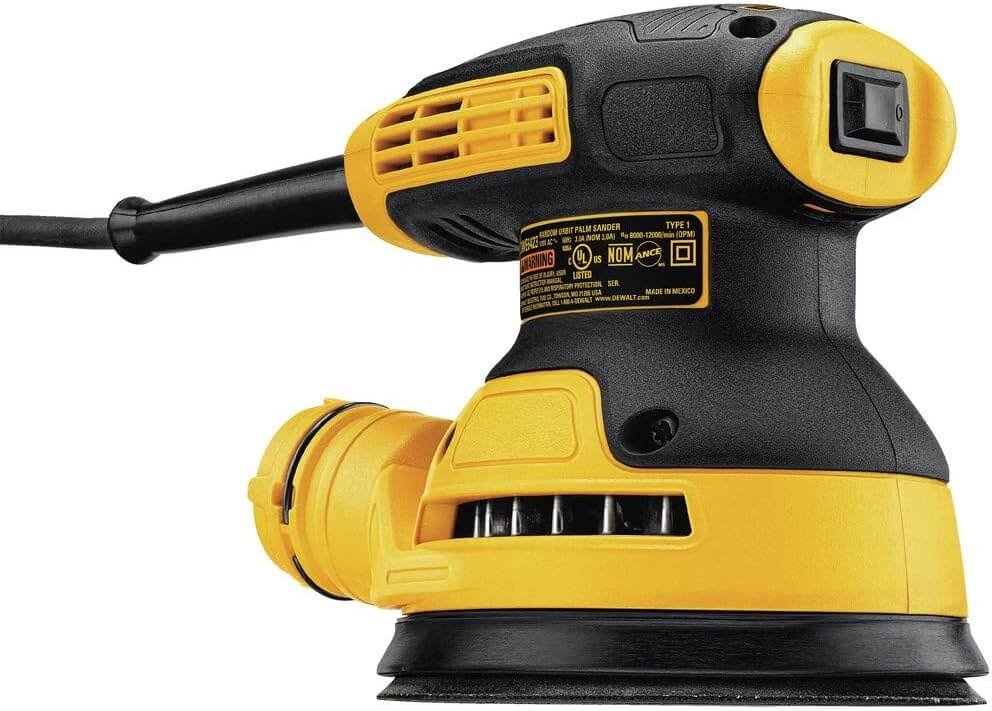
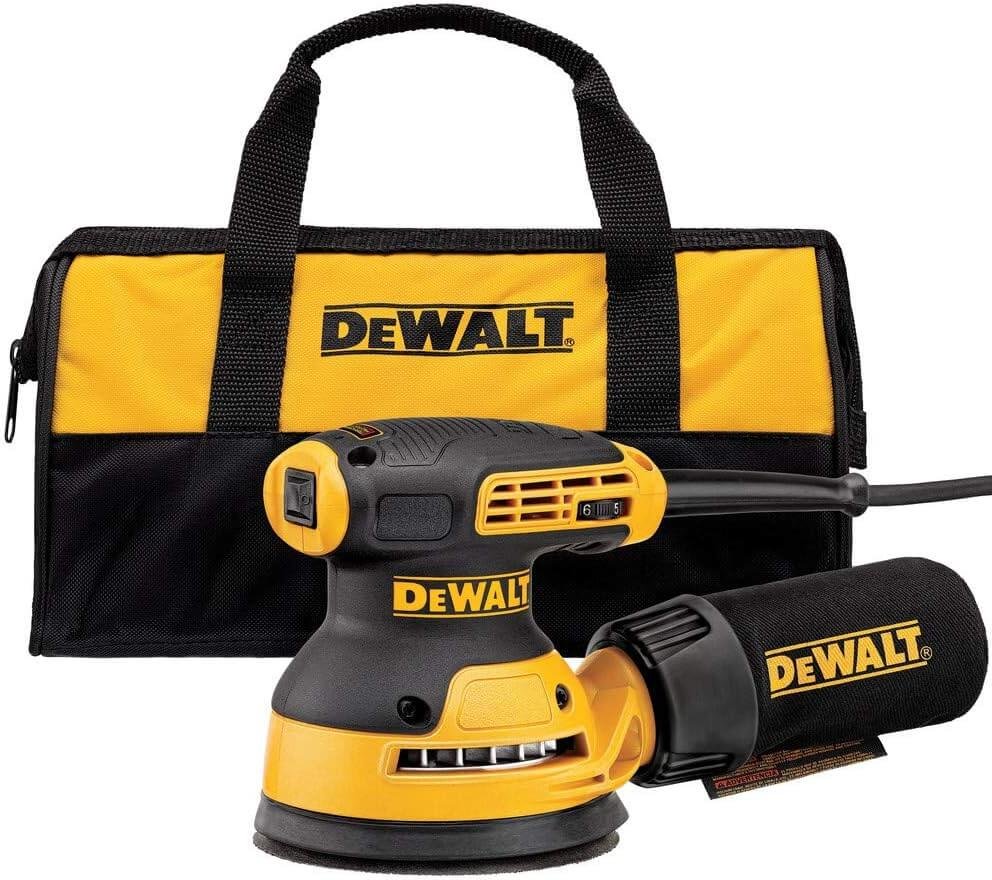
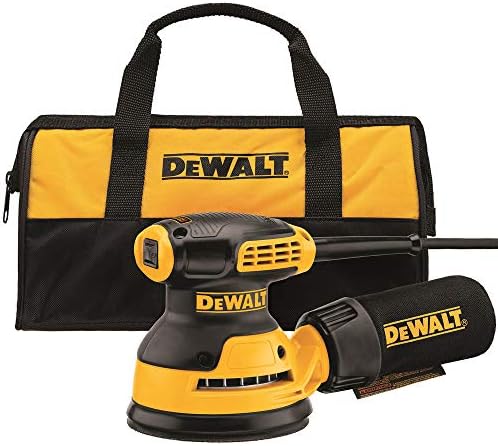
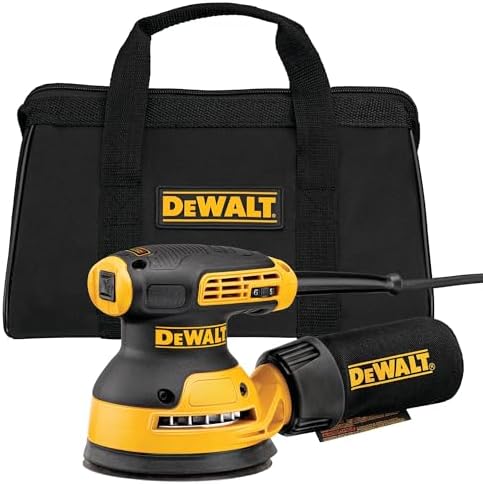
The DEWALT DWE6423K is a strong replacement orbital sander for homeowners, DIY users, and regular workshop use. It has a 3-amp motor and variable speed control, which helps you adjust the sanding speed based on the material.
This model is a good choice if your old sander has started losing power, creating uneven sanding marks, or overheating during longer projects. The compact body also helps you stay closer to the work surface, giving better control while sanding wood, paint, and other materials.
Best for: DIY projects, furniture repair, paint removal, wood sanding, and general workshop use.
2. Makita BO5041K 5-Inch Random Orbit Sander Kit
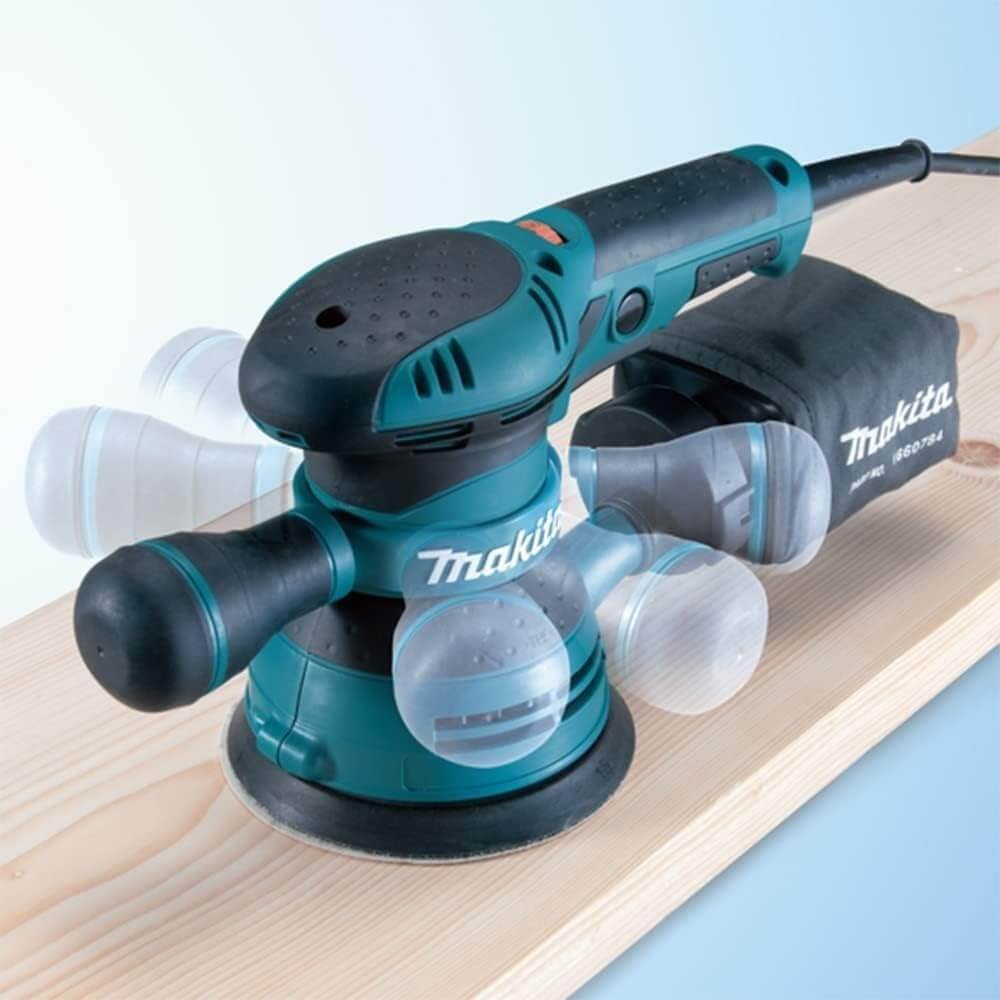
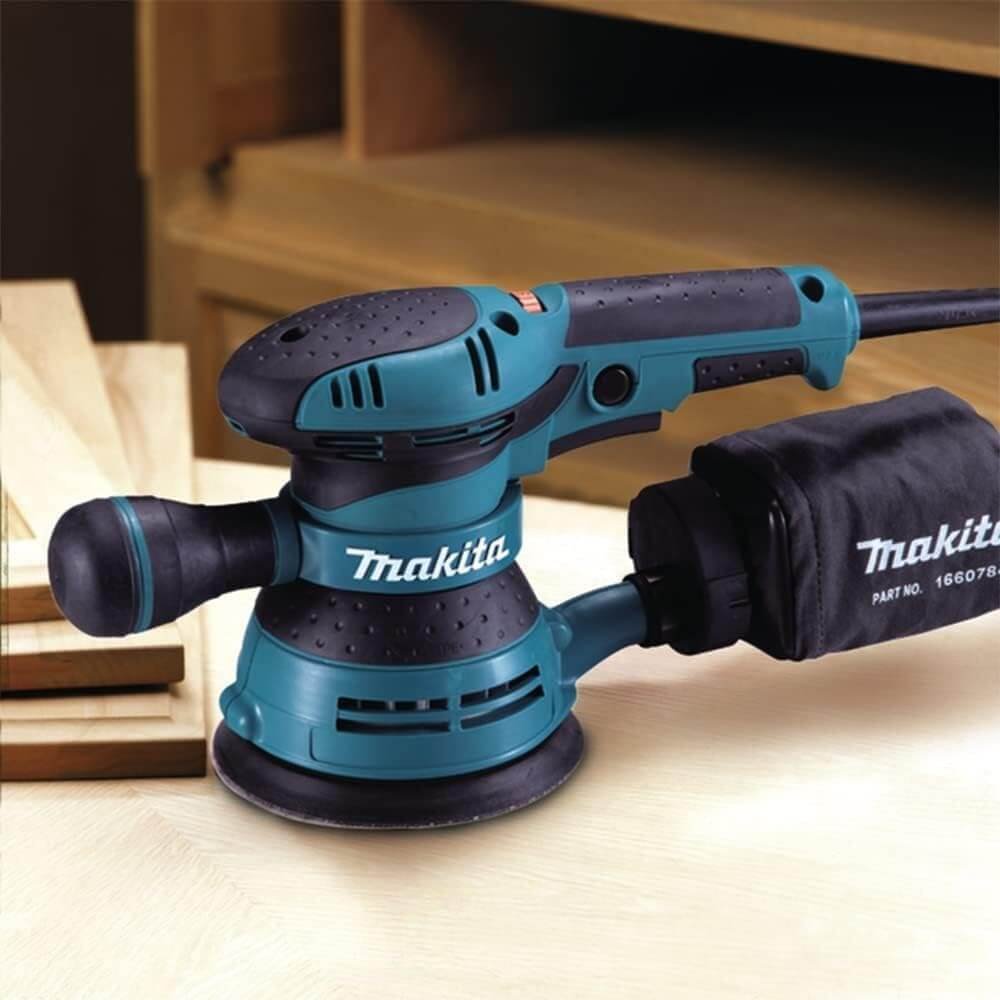
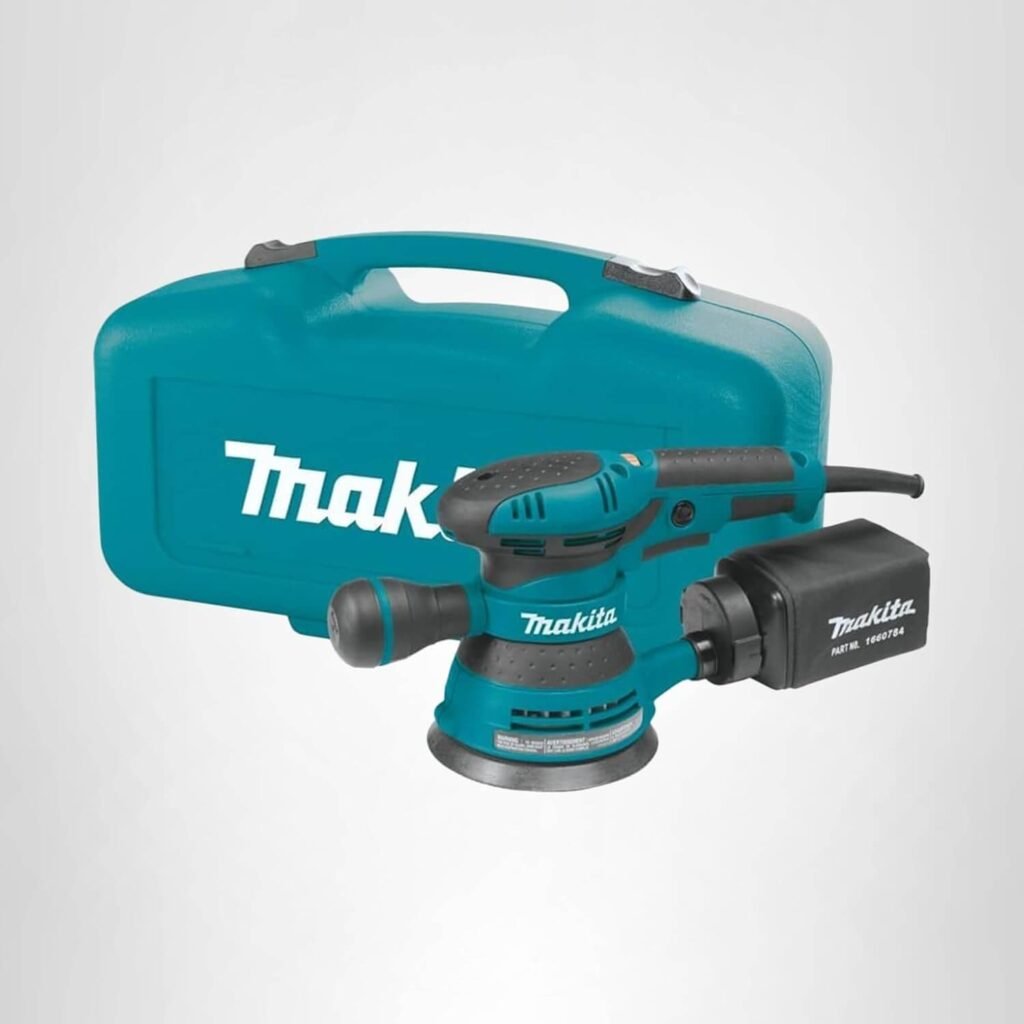
The Makita BO5041K is a good option for users who want more control while sanding furniture, tabletops, cabinets, doors, and larger wooden surfaces. Its front handle gives better grip, especially when you need to keep the sander stable across flat surfaces.
If your current sander still works but feels hard to control, this model can be a smart upgrade. It is also suitable for users who work through multiple grit stages and want a smoother finish before painting, staining, or sealing.
Best for: Woodworking, furniture refinishing, cabinet sanding, and long sanding sessions.
3. Bosch ROS20VSC 5-Inch Random Orbit Sander
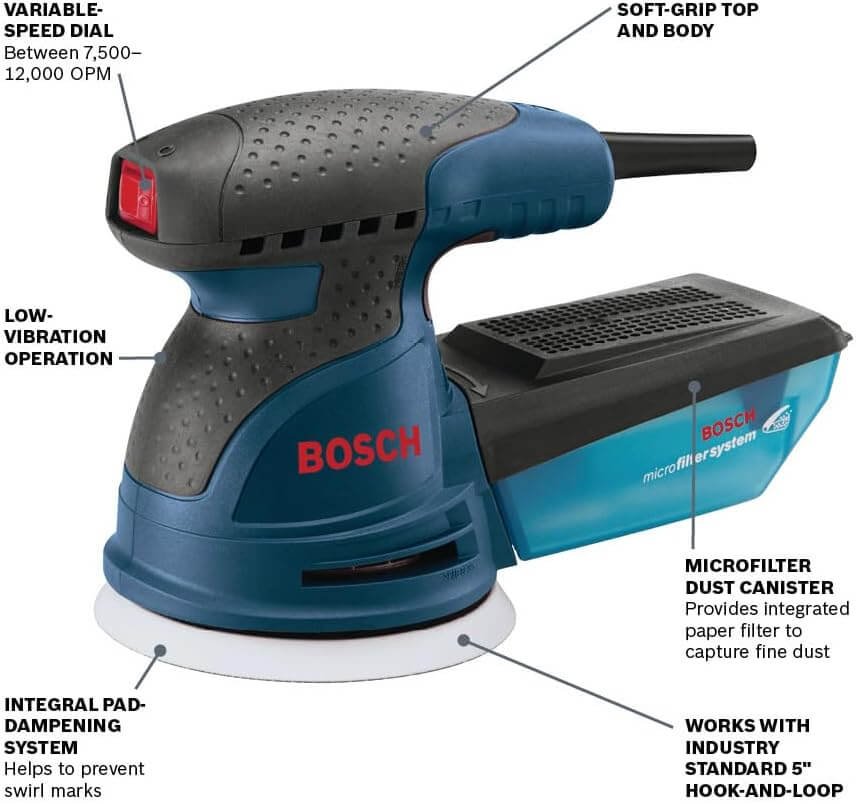
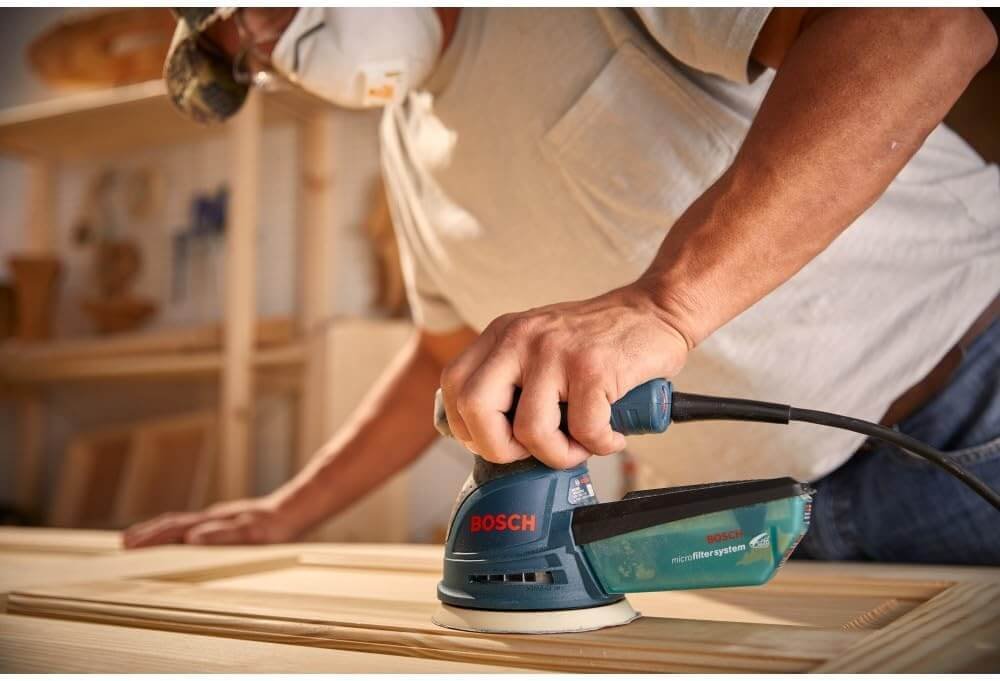
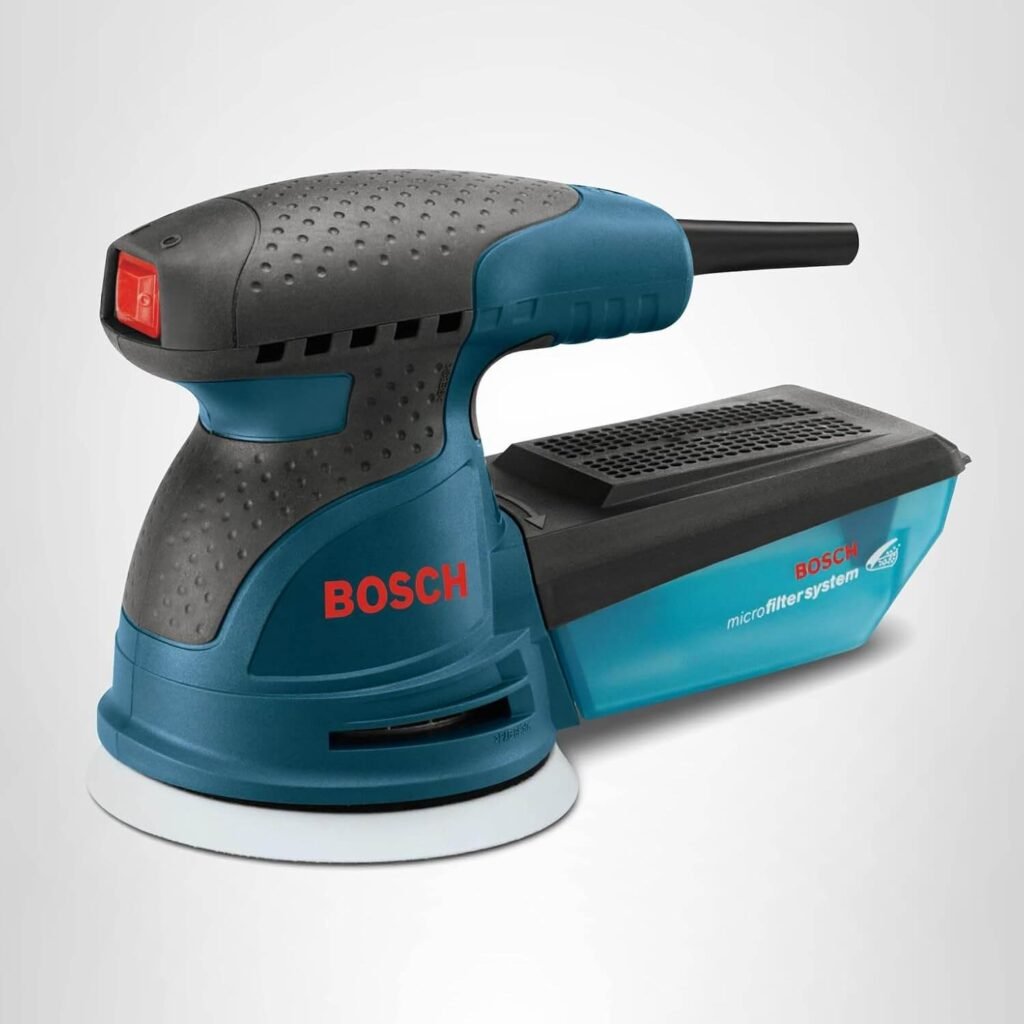
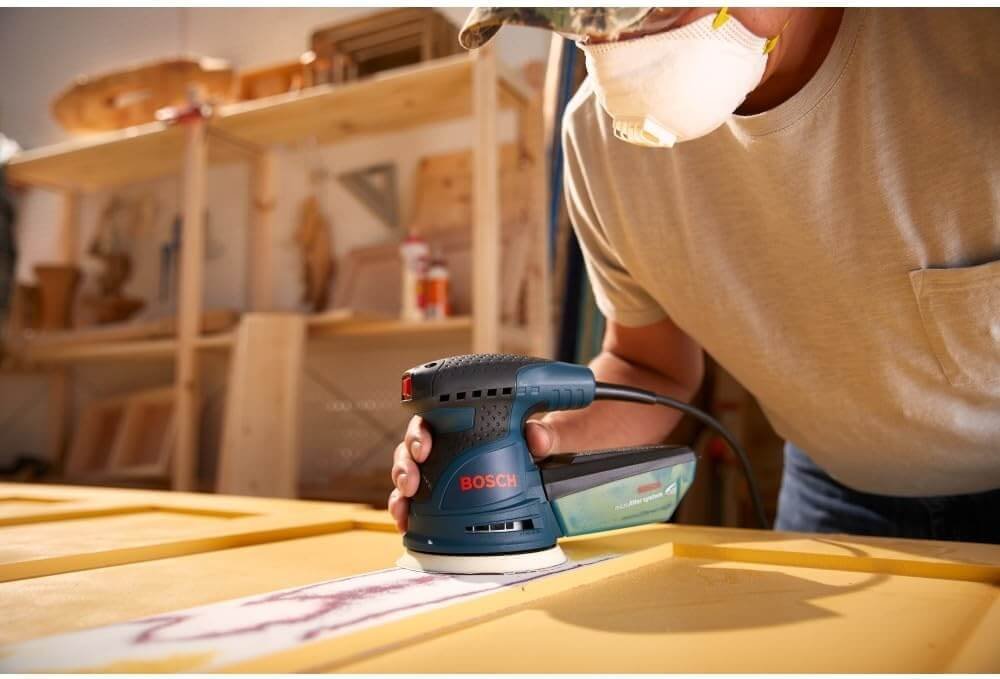
The Bosch ROS20VSC is a solid choice if you care about smooth finishing and better dust handling. It is designed with variable speed control, low vibration, and a dust collection system that helps keep the workspace cleaner.
This is a good replacement if your old orbital sander leaves visible swirl marks or feels uncomfortable during longer use. It works well for finishing tasks where control and surface quality matter more than aggressive material removal.
Best for: Fine finishing, woodworking, indoor sanding, and low-vibration use.
4. SKIL SR211601 5-Inch Random Orbital Sander
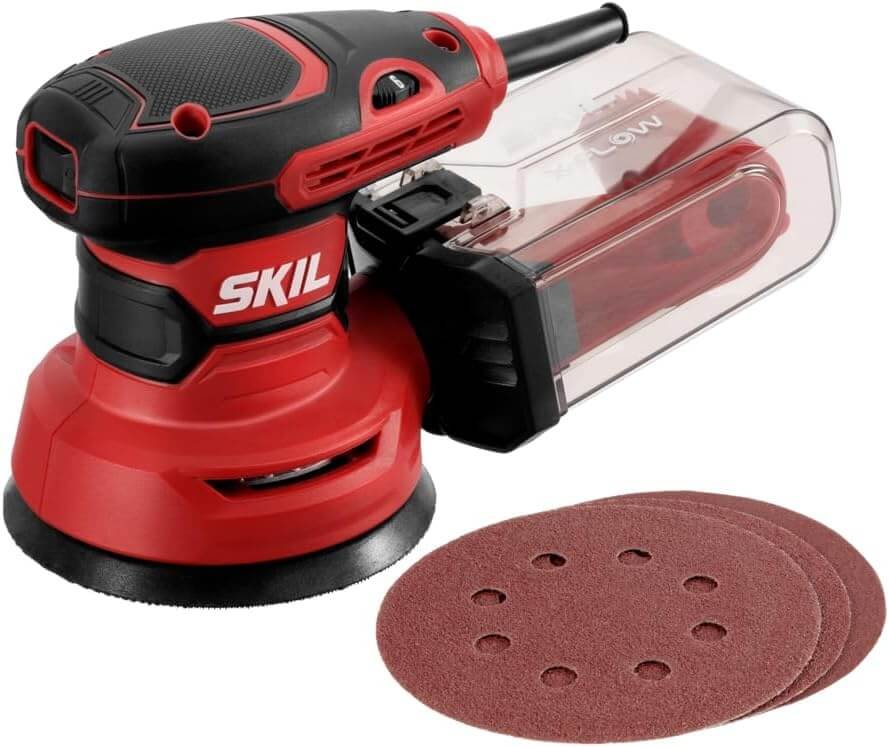
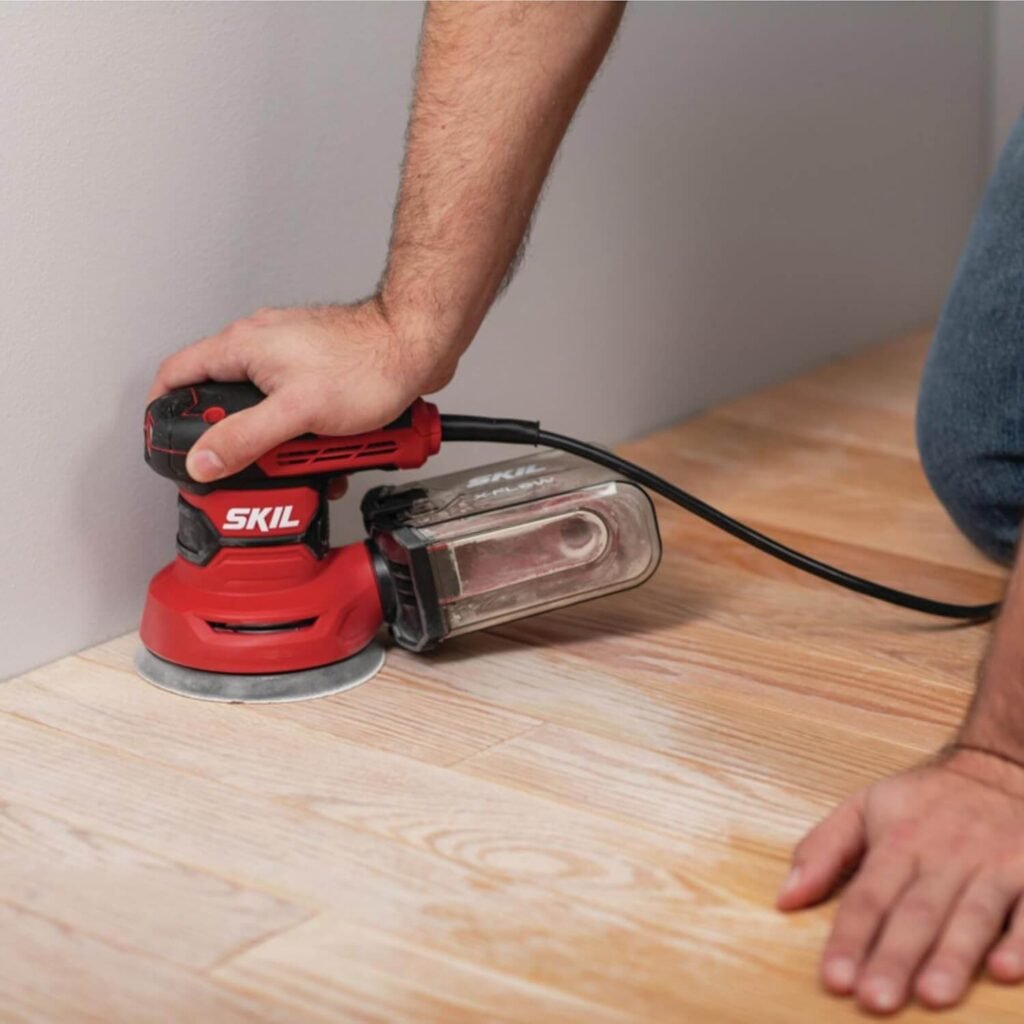
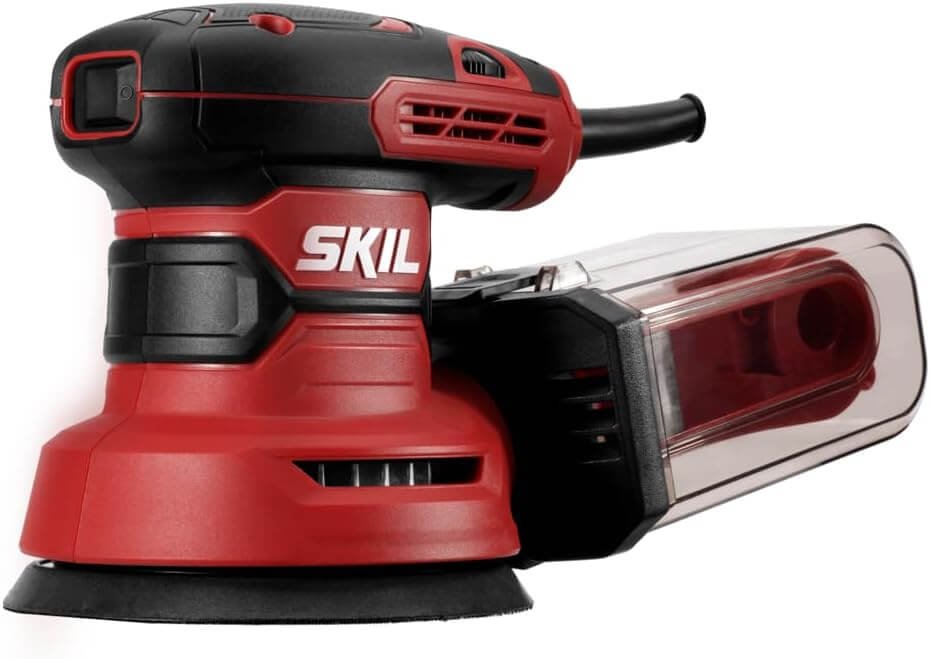
The SKIL SR211601 is a budget-friendly replacement for casual users who need a dependable orbital sander for home repairs, small woodworking projects, and surface prep. It offers variable speed control and a dust box, making it practical for basic sanding jobs.
This is a good choice if you do not sand every day but still want a tool that performs better than very cheap entry-level sanders.
Best for: Beginners, light DIY work, home projects, and occasional sanding.
Best Spare Sanding Pads for Orbital Sanders
A good orbital sander will not perform well with worn-out sanding discs. Old pads can clog, lose grip, burn the surface, and make the motor work harder. Keeping spare sanding pads ready helps your sander last longer and keeps your finish cleaner.
Before buying sanding pads, check:
- Pad size: most common random orbital sanders use 5-inch discs
- Backing type: hook and loop discs are the easiest to change
- Hole pattern: match the dust holes with your sander pad
- Grit range: use coarse grit for removal and fine grit for finishing
1. POWERTEC 5-Inch 8-Hole Hook and Loop Sanding Discs
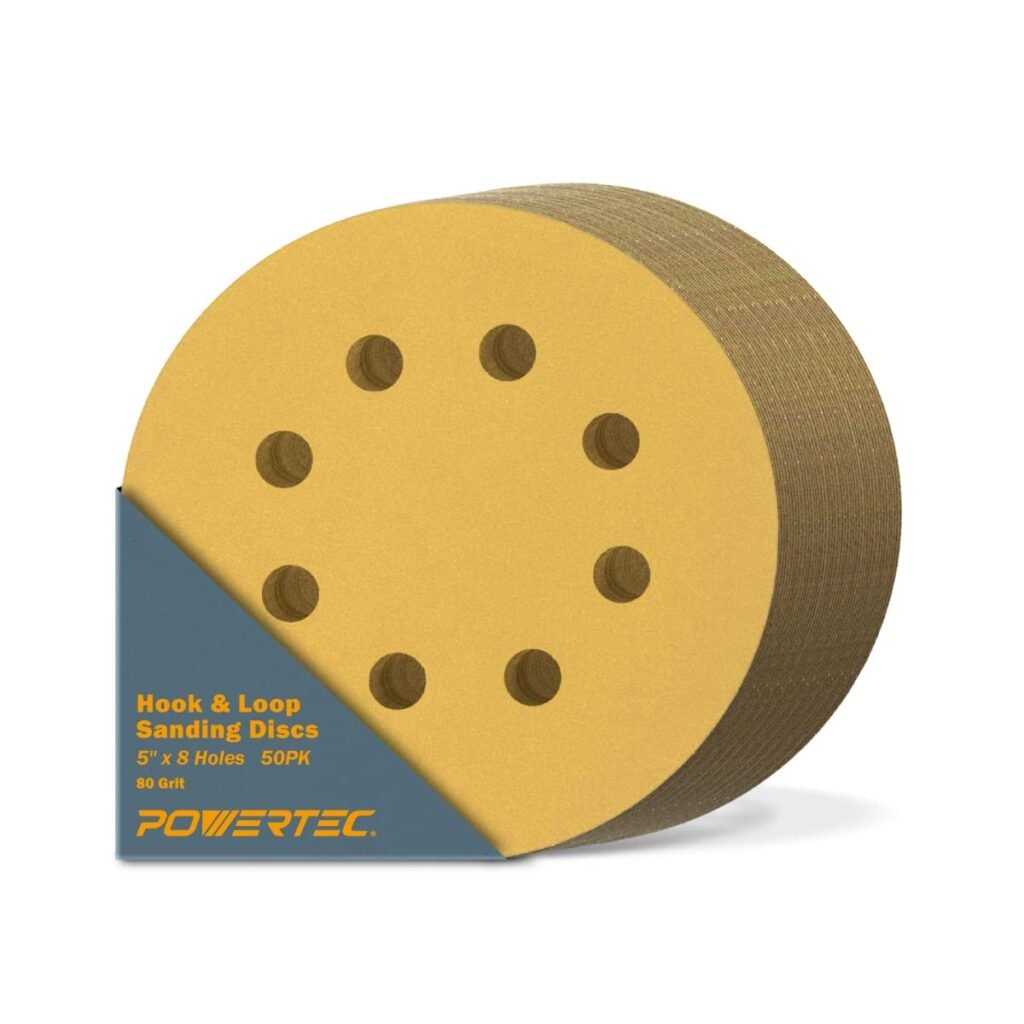
This is a practical spare sanding pad set for users who want assorted grits in one pack. It usually includes coarse, medium, and fine grits, making it useful for different stages of sanding.
Use lower grits like 40 or 80 for removing rough material or old finish. Use medium grits like 120 or 180 for smoothing. Use finer grits like 220 or 320 for final surface prep before painting or staining.
Best for: General sanding, wood prep, painted surfaces, and bulk use.
2. S SATC 5-Inch 8-Hole Sanding Discs
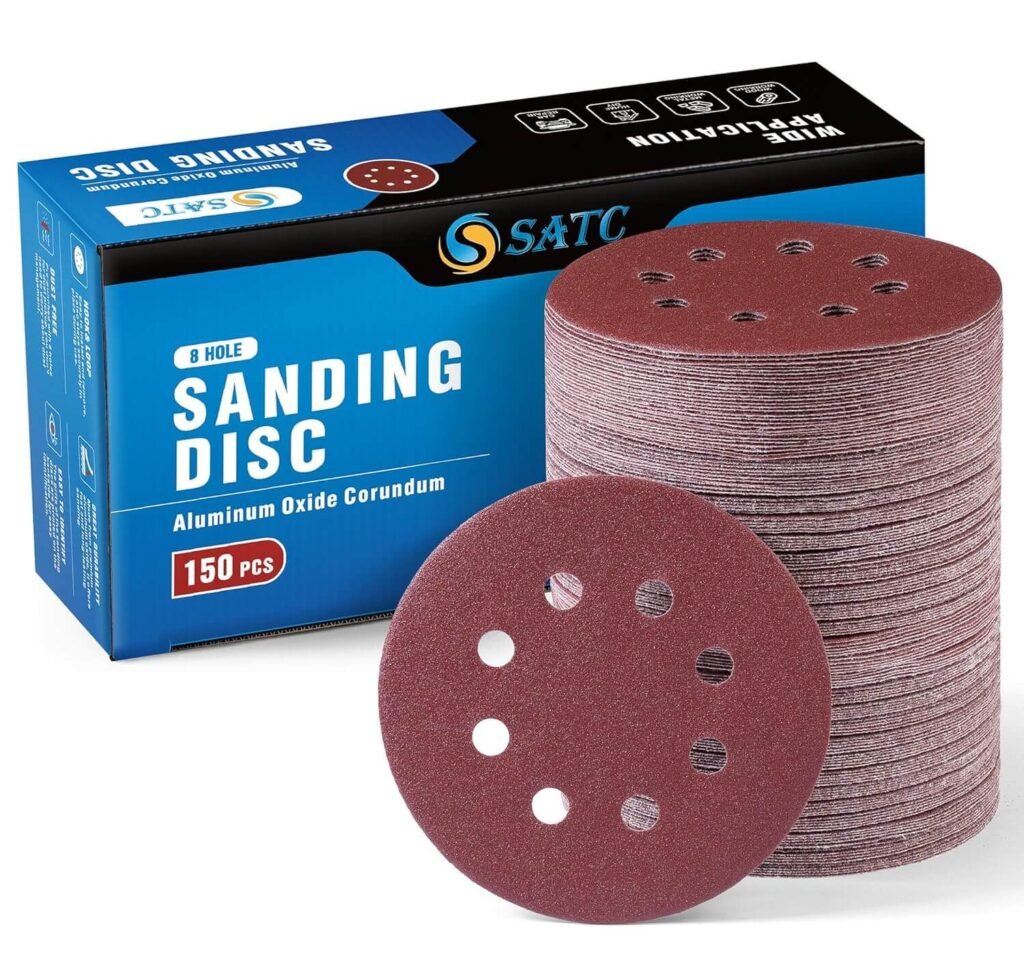
The S SATC sanding disc set is useful for beginners because it includes multiple grit levels in one pack. It is a good option if you are not sure which grit you need for each project.
This type of set is helpful for furniture repair, paint prep, wood smoothing, and general DIY work. It also helps prevent the mistake of using one worn-out sanding disc for too long.
Best for: Beginners, mixed sanding jobs, and everyday DIY projects.
3. WORKPRO 5-Inch Assorted Sanding Discs

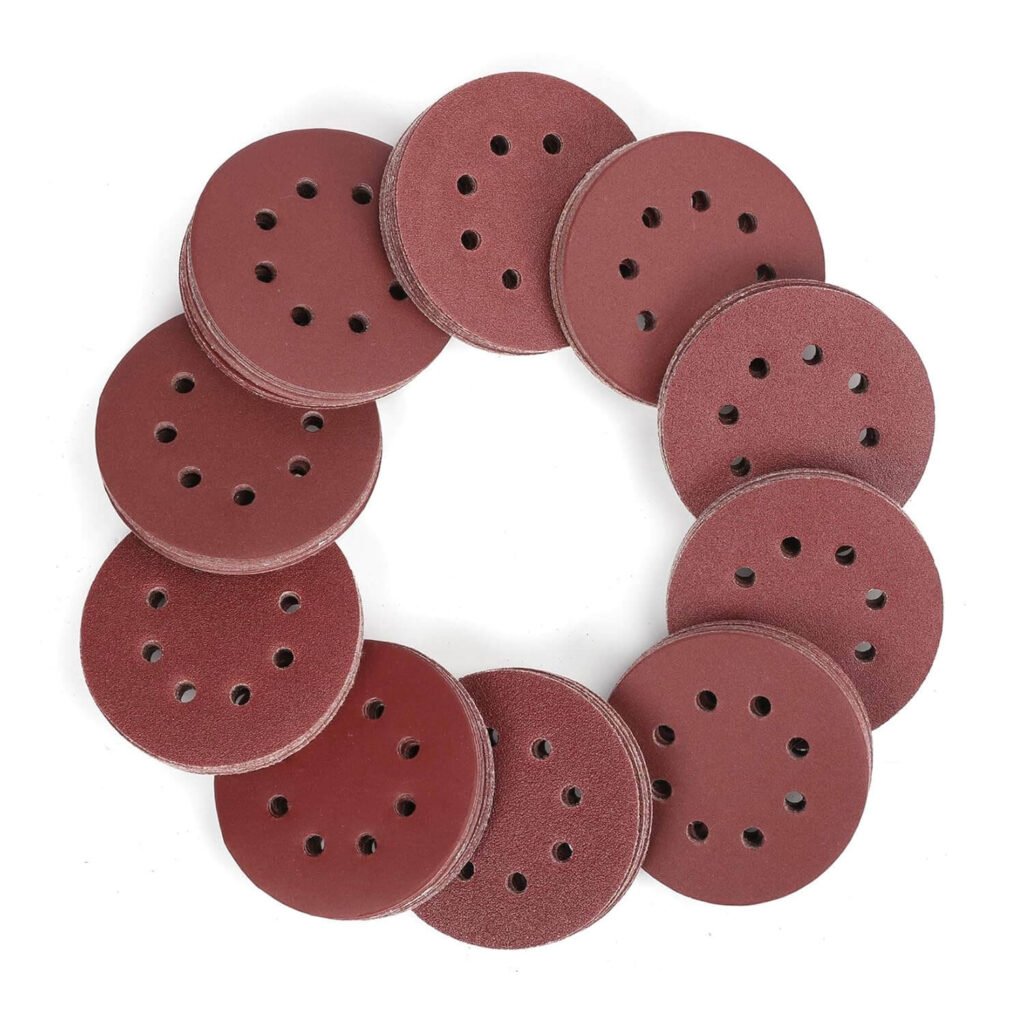
A larger WORKPRO sanding disc set is better for users who sand often. If you use your orbital sander for furniture, shelves, doors, trim, or workshop projects, having a larger pack saves time and prevents project delays.
The main benefit is variety. You can move from coarse sanding to fine finishing without needing to buy separate small packs every time.
Best for: Frequent sanding, woodworking projects, and bulk value.
4. BHA Gold 5-Inch Hook and Loop Sanding Discs
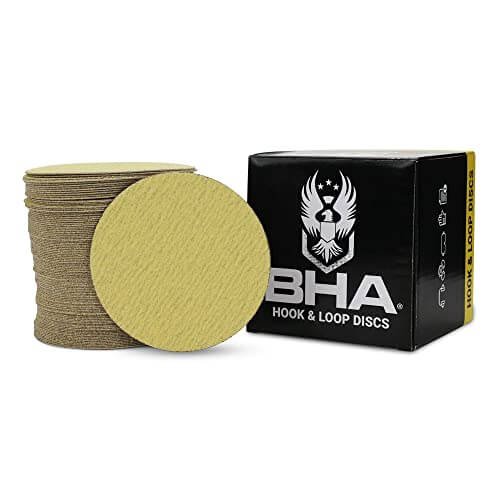
BHA Gold sanding discs are a good choice when you want to buy specific grit levels instead of a mixed pack. This is useful if you already know which grit you use most often.
For example, many woodworkers use 80 grit for leveling, 120 grit for smoothing, and 220 grit for final prep. Buying your most-used grit in bulk can be more cost-effective than buying assorted packs again and again.
Best for: Woodworkers, repeat sanding tasks, and specific grit needs.
Before choosing a replacement orbital sander, make sure an orbital sander is actually the right tool for your work. If you are still comparing tool types, read our guide on the below to understand which one fits your project better.
Which Replacement Sander Should You Buy?
For most people, the DEWALT DWE6423K is the safest all-around replacement because it balances power, comfort, and durability. If you mostly work on furniture or larger wood surfaces, the Makita BO5041K gives better handling. If you want smoother finishing and better dust control, the Bosch ROS20VSC is a strong pick. If you only need a sander for light home projects, the SKIL SR211601 gives good value without a high price.
For sanding pads, start with an assorted 5-inch hook and loop pack. Once you learn which grits you use most often, buy those grits in bulk.
Signs Of Wear And Tear
Knowing the signs of wear and tear helps you decide when to replace your orbital sander. Tools show wear in different ways. Spotting these signs early can save you time and money.
Performance Decline
Your orbital sander should work smoothly. If it sands slower or unevenly, it may be wearing out. The sanding pads might not grip well anymore. This reduces the tool’s effectiveness. Watch for longer sanding times or rough finishes.
Unusual Noises
Listen to your sander closely while it runs. Strange sounds like grinding or rattling can mean damage inside. These noises show that parts may be loose or broken. Normal operation is usually quiet and steady. Noisy tools need a checkup or replacement.
Physical Damage
Look over your sander for cracks, dents, or worn parts. Damage to the casing or buttons affects safety and function. Check the power cord for cuts or frays. Broken parts can cause accidents or stop the tool from working. Replace the sander if damage is severe.
Extending Your Orbital Sander’s Life
Extending your orbital sander’s life saves money and ensures better performance. Regular care keeps the tool running smoothly. Small habits make a big difference. Follow simple steps to protect your investment and enjoy long-lasting results.
Regular Cleaning Tips
Dust and debris reduce sander efficiency. Clean the sander after each use. Use a soft brush or compressed air. Remove dust from vents and pads. Keep the sanding surface clean to prevent scratches. Avoid water or harsh chemicals on the tool.
Proper Storage Methods
Store the sander in a dry, cool place. Avoid damp or dusty environments. Use a case or cover to protect it. Keep it away from direct sunlight. Proper storage prevents rust and damage. Organize the workspace to avoid accidental falls.
Routine Maintenance Checklist
Check the power cord for cuts or wear. Inspect sanding pads for cracks or tears. Tighten loose screws and parts regularly. Lubricate moving parts if the manual suggests. Replace worn-out accessories promptly. Test the sander before starting a project.
Using The Right Accessories
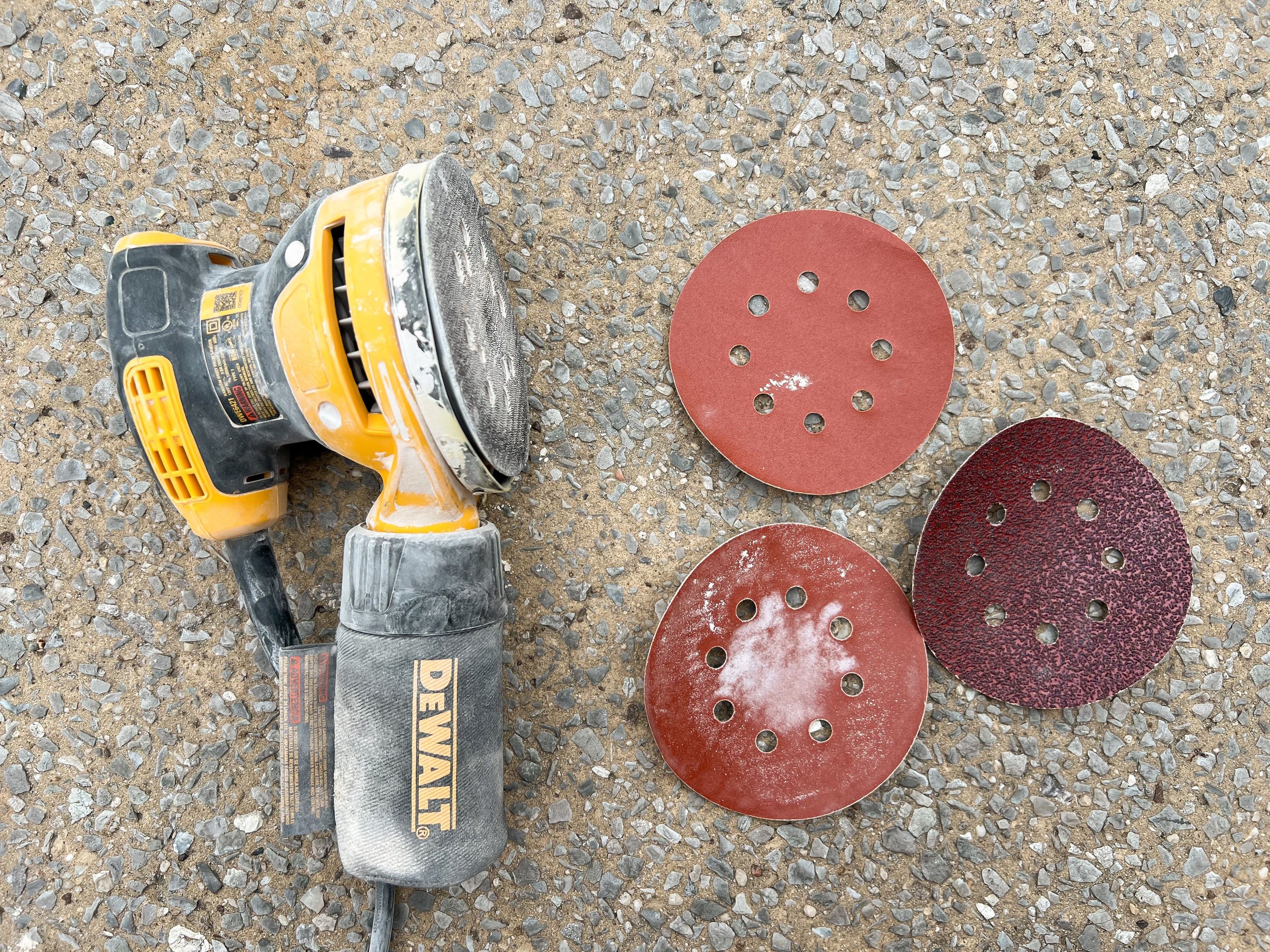
Choose sanding pads that fit your sander model. Use the correct grit for each task. Avoid cheap or low-quality accessories. Proper accessories reduce motor strain. Change pads often to keep sanding smooth. Follow the manufacturer’s guidelines closely.
Credit: breezingthrough.com
When To Repair Or Replace
Knowing when to repair or replace an orbital sander helps save money and time. It also keeps your work safe and effective. Some problems are easy to fix, while others mean you need a new tool. Understanding the signs will guide you to the best choice.
Cost-effectiveness Of Repairs
Repairs make sense if they cost less than half the price of a new sander. Small fixes like changing the sanding pad or brushes are usually cheap. But major repairs on the motor or body can get expensive. Always compare repair costs with the price of a new tool. This helps avoid spending too much on an old sander.
Safety Considerations
Safety is very important when using power tools. If the sander has electrical faults or loose parts, stop using it. Faulty tools can cause accidents or injuries. Do not repair safety issues yourself unless you are sure how. Sometimes, replacing the sander is the safest option for your work.
Evaluating Performance After Repairs
After fixing your sander, test it carefully. Check if it runs smoothly without strange noises or vibrations. Make sure it sands evenly and holds the sandpaper well. If the tool still performs poorly, repairs may not be enough. Consider getting a new sander to ensure good results in your projects.
Expert Recommendations
Experts suggest that the lifespan of an orbital sander depends on several factors. Quality of the tool, frequency of use, and maintenance all play important roles. Choosing the right brand and model can increase how long your sander lasts. Paying attention to durability helps you get the best value for your money.
Top Brands Known For Longevity
Some brands have a reputation for making durable orbital sanders. Brands like Bosch, DeWalt, and Makita often last longer. These companies use high-quality materials and strong motors. Their tools withstand heavy use on job sites and home projects. Users report fewer breakdowns and longer service life. Choosing a trusted brand reduces the chance of early wear and tear.
Buying Tips For Durability
Select a sander with a powerful motor but balanced weight. Avoid models that feel too light or flimsy. Look for features like dust collection systems to keep parts clean. Check for good warranty coverage to protect your investment. Reading reviews helps identify models that hold up over time. Regular cleaning and proper storage also extend your sander’s life.

Credit: www.reddit.com
Frequently Asked Questions
How Long Does An Orbital Sander Typically Last?
An orbital sander usually lasts between 3 to 5 years. Proper maintenance and usage extend its lifespan significantly. Frequent heavy use may shorten its durability. Regular cleaning and timely replacement of pads improve performance and longevity.
What Factors Affect An Orbital Sander’s Lifespan?
Usage frequency, maintenance, build quality, and storage impact its lifespan. Overheating and improper handling cause early wear. Using correct sanding pads and cleaning dust regularly also help extend its life.
How Can I Maintain My Orbital Sander?
Clean dust from vents and pads after every use. Lubricate moving parts occasionally and check for loose screws. Store the sander in a dry place to avoid rust and damage.
When Should I Replace My Orbital Sander?
Replace it if sanding efficiency drops or it overheats often. Excessive vibration, unusual noises, or worn-out pads also signal replacement time. Regular checks help catch issues early.
Conclusion
An orbital sander can last many years with proper care. Regular cleaning and correct use keep it working well. Avoid pressing too hard to protect the motor. Replace worn parts to extend its life. Quality models usually last longer than cheap ones.
Remember, how often you use it matters too. A well-maintained sander saves money and time. Choose a good model and treat it right. Your sander will serve you well for a long time. Simple steps make a big difference. Keep sanding smoothly!

Michael Harris is an experienced woodworker and power tool expert with over 12 years in woodworking. Specializing in functional, high-quality furniture, he offers expert advice on tool selection, maintenance, and sharpening for both beginners and professionals.