How to Use an Angle Grinder for Polishing: Expert Tips Revealed
If you want to give your metal, wood, or even stone surfaces a smooth, shiny finish, learning how to use an angle grinder for polishing is a game-changer. You might already know angle grinders are powerful tools, but with the right technique, you can turn rough surfaces into polished masterpieces.
In this guide, you’ll discover simple steps to master polishing with your angle grinder safely and effectively. Ready to make your projects look professional? Keep reading—you’re about to unlock skills that will take your work to the next level.

Credit: www.youtube.com
Choosing The Right Angle Grinder
Choosing the right angle grinder is important for polishing tasks. The right tool makes the job easier and gives better results. It depends on the type of work, the surface, and the size of the area. Knowing the different types, attachments, and power helps pick the best angle grinder for polishing.
Types Of Angle Grinders
Angle grinders come in different types. There are corded and cordless models. Corded grinders offer constant power but need an outlet. Cordless grinders give more freedom to move around. There are also different disc sizes. Smaller discs work well for detailed polishing. Larger discs cover bigger areas faster.
Selecting Polishing Attachments
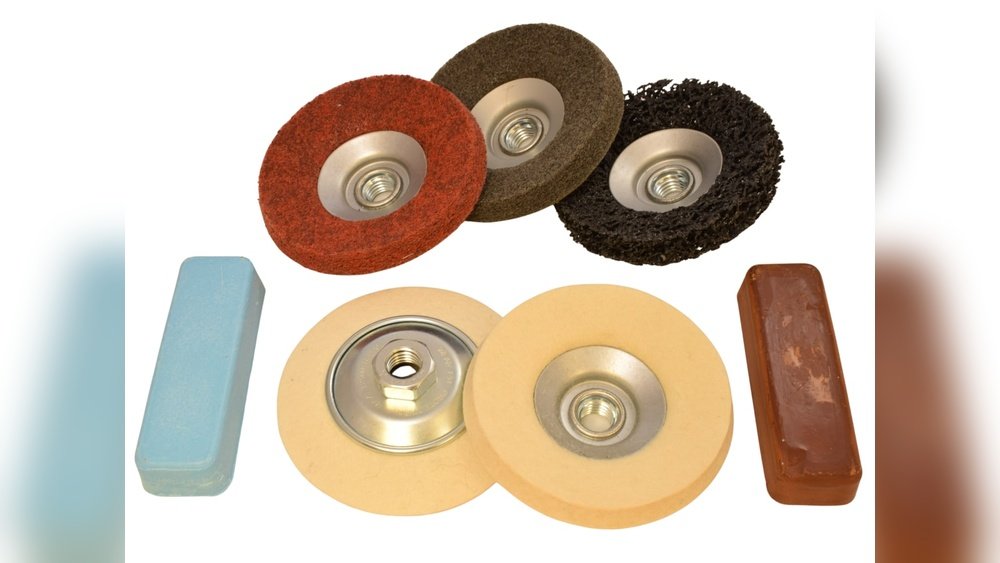
Polishing requires special attachments. Foam pads and polishing wheels are common choices. Foam pads work well on smooth surfaces. Wool or felt wheels are good for metal polishing. Make sure the attachment fits the grinder size. Using the right pad prevents damage and improves finish.
Power And Size Considerations
Power affects polishing speed and control. Low to medium power is best for polishing tasks. High power can cause damage or remove too much material. Size matters for comfort and precision. A lightweight grinder is easier to handle for long periods. Choose a size that feels balanced in your hand.
Safety Gear Essentials
Using an angle grinder for polishing can be risky without the right safety gear. Protecting yourself reduces accidents and injuries. Safety gear helps you work with confidence. Let’s explore the essential items you need before starting.
Protective Clothing
Wear long sleeves and pants to protect your skin. Use gloves to guard your hands from sparks and sharp edges. Avoid loose clothes that can catch on the grinder. Choose sturdy shoes that cover your feet completely.
Eye And Ear Protection
Always wear safety goggles to shield your eyes from dust and flying debris. Use a face shield for extra protection during intense polishing. Earplugs or earmuffs protect your hearing from the loud noise of the grinder.
Handling Precautions
Hold the angle grinder firmly with both hands. Keep the work area clean and free of obstacles. Never force the tool; let the grinder do the work. Turn off the grinder and unplug it before changing discs or polishing pads.
Preparing The Surface
Preparing the surface is an important step before polishing with an angle grinder. A clean, smooth surface helps you get the best shine. It also protects the material from damage during polishing. Take time to prepare well for better results.
Cleaning The Material
Start by removing dirt and dust from the surface. Use a brush or a cloth to wipe it clean. Dirt can scratch the surface if left during polishing. Clean surfaces allow the polishing pad to work evenly.
Removing Rust And Debris
Rust and debris block the polishing process. Use a wire brush or a grinding disc to clear rust spots. Work gently to avoid deep scratches. Clear the surface fully before moving to sanding or polishing.
Sanding Basics
Sanding smooths out rough areas and scratches. Choose the right sandpaper grit for your material. Start with coarse grit and move to finer grit. Sand in circular motions for even results. Always keep the surface clean during sanding.
Polishing Techniques
Polishing with an angle grinder requires specific techniques to get the best results. These techniques help create a smooth, shiny surface without damaging the material. Understanding how to hold the tool, adjust its speed, and apply compounds will improve your polishing job.
Proper Grip And Angle
Hold the angle grinder firmly with both hands. Keep your grip steady to control the tool well. Tilt the grinder slightly, about 10 to 15 degrees from the surface. This angle helps the pad touch evenly and polish smoothly. Avoid pressing too hard. Let the tool do the work.
Speed Settings For Polishing
Use a low speed setting for polishing tasks. High speed can cause overheating and damage the surface. Most angle grinders have adjustable speeds. Start slow and increase if needed. Watch how the surface reacts. Slow speeds give better control and a finer finish.
Using Polishing Compounds
Apply a small amount of polishing compound to the surface or the polishing pad. These compounds help remove scratches and add shine. Spread the compound evenly by moving the grinder in circular motions. Keep the pad clean and reapply compound as needed. This process makes the surface smooth and bright.
Common Mistakes To Avoid
Using an angle grinder for polishing can give great results. Yet, many people make mistakes that hurt the surface or the tool. Avoiding these errors saves time and effort. It also keeps your work neat and smooth. Below are some common mistakes to watch out for.
Overheating The Surface
Polishing creates friction, which makes heat. Too much heat can damage the material. It may cause burns, discoloration, or warping. Keep the grinder moving steadily. Do not stay too long in one spot. Use lower speeds to reduce heat build-up. Let the surface cool if it feels hot.
Applying Too Much Pressure
Pressing hard does not polish better. It wears out the polishing pad quickly. It can also leave scratches or marks. Use light, even pressure instead. Let the grinder do the work. Heavy pushing can cause uneven polishing. Keep your hands steady and gentle.
Ignoring Tool Maintenance
Dirty or worn tools reduce polishing quality. Check the polishing pad before each use. Replace pads that are torn or hard. Clean the angle grinder regularly to avoid dust build-up. Lubricate moving parts as per the manual. Proper care extends tool life and performance.
Maintaining Your Angle Grinder
Maintaining your angle grinder keeps it working well and safe. Regular care extends its life and improves performance. A clean and well-kept grinder makes polishing easier and more effective.
Cleaning And Storage
After each use, clean the grinder thoroughly. Remove dust and debris from vents and surfaces. Use a soft brush or compressed air to clear hard-to-reach areas. Store the grinder in a dry place. Keep it away from moisture and dust. Proper storage prevents rust and damage.
Replacing Worn Parts
Check the grinding disc before every use. Replace discs that are cracked or worn out. Inspect the power cord for cuts or frays. Change damaged cords immediately to avoid hazards. Replace brushes and other parts as needed. Using fresh parts keeps the grinder running smoothly.
Routine Inspections
Look over the grinder regularly for any issues. Test the power switch to ensure it works properly. Listen for unusual noises during operation. Check for loose screws or bolts and tighten them. Early detection of problems avoids costly repairs later.

Credit: www.youtube.com
Frequently Asked Questions
What Safety Gear Is Needed For Polishing With An Angle Grinder?
Always wear safety goggles, gloves, and a dust mask. Use ear protection and sturdy clothing. This prevents injuries from sparks, dust, and debris during polishing.
Can I Use Any Disc For Polishing With An Angle Grinder?
No, use a polishing or buffing disc specifically designed for angle grinders. Using the wrong disc can damage surfaces and the tool. Always check compatibility before starting.
How Do I Prepare The Surface Before Polishing?
Clean the surface thoroughly to remove dirt and grease. Sand any rough areas if needed. A clean, smooth surface ensures better polishing results and a shiny finish.
What Speed Should I Use For Polishing With An Angle Grinder?
Use a low to medium speed setting. High speeds can cause overheating and damage the surface. Adjust speed based on material and polishing pad recommendations.
Conclusion
Using an angle grinder for polishing can improve your project’s look quickly. Always wear safety gear to protect yourself. Choose the right polishing pad for the material you work on. Keep the grinder steady and move it smoothly for best results.
Practice on scrap material to build confidence. With care and patience, you can get a shiny, smooth finish. Remember, safety and the correct tools make all the difference. Start slow, and polish your way to better results every time.
Michael Harris is an experienced woodworker and power tool expert with over 12 years in woodworking. Specializing in functional, high-quality furniture, he offers expert advice on tool selection, maintenance, and sharpening for both beginners and professionals.