

Choosing the right pressure washer nozzle can make all the difference in how well you clean your driveway, deck, or car. But with so many options out there, it’s easy to feel overwhelmed.
What nozzle gives you the perfect balance between power and safety? Which one will save you time without damaging surfaces? This guide is designed to help you cut through the confusion and pick the nozzle that fits your needs perfectly.
Keep reading, and you’ll discover simple tips that will make your cleaning tasks faster, easier, and more effective.

Credit: www.youtube.com
Types Of Nozzles
Pressure washer nozzles come in different types. Each nozzle creates a unique spray pattern. Choosing the right nozzle helps you clean better and protect surfaces. Understanding the types of nozzles guides your choice. Here are the most common types you will find.
0-degree Nozzle
The 0-degree nozzle produces a very strong, narrow stream. It delivers water in a straight line. This nozzle removes tough stains and paint. Use it carefully to avoid surface damage. It is best for hard surfaces like concrete.
15-degree Nozzle
The 15-degree nozzle creates a focused, angled spray. It is powerful but covers a wider area than the 0-degree. It works well on metal, brick, and wood. This nozzle removes dirt and grime efficiently.
25-degree Nozzle
The 25-degree nozzle offers a medium spray pattern. It balances power and coverage. Use it for cleaning vehicles, fences, and decks. It removes dirt without harming the surface.
40-degree Nozzle
The 40-degree nozzle produces a wide, gentle spray. It is ideal for delicate surfaces like glass or painted wood. This nozzle rinses soap and light dirt without damage. It covers a large area quickly.
Soap Nozzle
The soap nozzle applies detergent or soap to surfaces. It sprays at low pressure to avoid washing away the soap. Use it first to cover the surface before cleaning. This nozzle helps with deep cleaning tasks.

Credit: clean.direct
Nozzle Color Codes
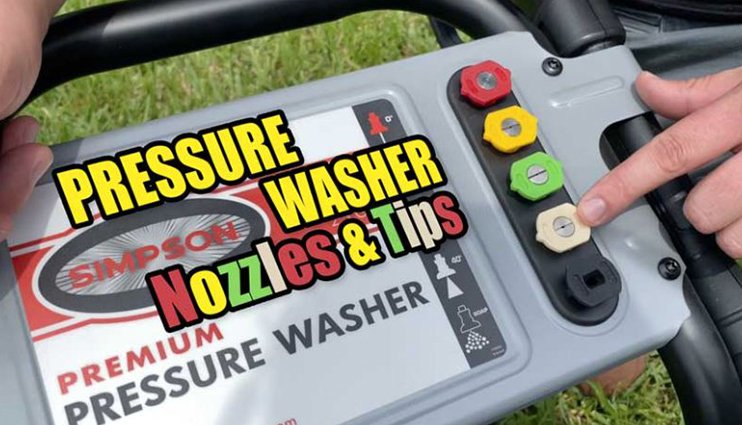
Pressure washer nozzles come in different colors. Each color shows the spray angle and power. Choosing the right nozzle helps clean surfaces safely and effectively. The nozzle color code is a simple guide to pick the right spray pattern for your task.
Red Nozzle
The red nozzle has a 0-degree spray angle. It delivers a very strong, narrow stream of water. Use it to remove tough stains or dirt. Be careful; it can damage surfaces easily.
Yellow Nozzle
The yellow nozzle sprays water at a 15-degree angle. It is strong and good for heavy cleaning. Use it on hard surfaces like concrete or metal. It covers a wider area than the red nozzle.
Green Nozzle
The green nozzle has a 25-degree spray angle. It offers a good balance of power and coverage. Use it for general cleaning tasks. It works well on decks, patios, and siding.
White Nozzle
The white nozzle sprays water at a 40-degree angle. It is gentler and covers a wide area. Use it on delicate surfaces like windows or cars. It removes dirt without causing damage.
Black Nozzle
The black nozzle is a low-pressure nozzle. It sprays water softly, often mixed with soap. Use it for rinsing or applying detergent. It helps clean surfaces without strong force.
Matching Nozzle To Task
Choosing the right pressure washer nozzle depends on the task. Each surface and cleaning job needs a different nozzle type. Using the right nozzle saves time and protects surfaces from damage. It also improves cleaning results. Below is a guide to match nozzles with common tasks.
Cleaning Hard Surfaces
Hard surfaces like concrete and brick need strong, focused water jets. A 0-degree or 15-degree nozzle works best. These nozzles deliver a powerful spray. They remove dirt, grime, and stains quickly. Avoid using wide spray nozzles here, as they may not clean well.
Washing Vehicles
Vehicles require gentle cleaning to avoid scratches. Use a 25-degree or 40-degree nozzle for a wide spray. This spreads water softly over the surface. It removes dirt without damaging paint or glass. Always keep the nozzle a good distance from the vehicle.
Applying Detergents
Detergents need low-pressure application. A black soap nozzle is perfect for this job. It sprays detergent evenly and covers large areas. This nozzle helps detergents work better on surfaces. After applying soap, switch to a stronger nozzle for rinsing.
Gentle Cleaning Needs
Delicate surfaces like wood and plants need soft water jets. Use a 40-degree nozzle or a special low-pressure nozzle. This prevents surface damage and erosion. Gentle cleaning keeps these materials safe and looking good. Avoid harsh sprays on sensitive areas.
Nozzle Materials And Durability
The material of a pressure washer nozzle affects its strength and lifespan. Choosing the right material helps you avoid frequent replacements. It also ensures efficient cleaning without damage to the nozzle or surface.
Some materials handle heat and pressure better than others. Some resist rust and corrosion. Knowing these traits helps you pick the best nozzle for your needs and budget.
Brass Nozzles
Brass nozzles offer solid durability and good heat resistance. They last longer than plastic nozzles under tough conditions. Brass resists corrosion, so it works well with water. These nozzles handle high pressure without cracking. They are often a top choice for frequent use.
Plastic Nozzles
Plastic nozzles are lightweight and low cost. They are easy to replace but wear out faster. Plastic is not as strong under high pressure or heat. These nozzles suit occasional, light cleaning tasks. Avoid plastic for heavy-duty or long use.
Stainless Steel Nozzles
Stainless steel nozzles resist rust and corrosion very well. They are strong and handle heat and pressure easily. These nozzles last long even with harsh chemicals. Stainless steel is heavier but offers excellent durability. Good for professional or heavy-duty cleaning jobs.
Common Mistakes To Avoid
Choosing the right pressure washer nozzle is important. Many users make common mistakes that reduce cleaning power. These errors can damage surfaces or waste water. Avoid these problems to get the best results from your pressure washer.
Using Too Narrow Nozzle
A narrow nozzle creates a strong, focused spray. This can damage soft surfaces like wood or paint. It also wastes water by concentrating pressure too much. Use narrow nozzles only for tough, hard surfaces like concrete.
Ignoring Spray Angle
Each nozzle has a spray angle. A wide angle covers more area but lowers pressure. A narrow angle increases pressure but covers less space. Ignoring this can lead to poor cleaning or surface damage. Match the spray angle to the cleaning task for balance.
Wrong Nozzle For Detergent Use
Not all nozzles work with detergents. Using the wrong nozzle stops soap from spraying properly. This lowers cleaning power. Use nozzles designed for detergent application to spread soap evenly and clean better.
Credit: simpsoncleaning.com
Quick Tips For Fast Selection
Choosing the right pressure washer nozzle can save time and prevent damage. A quick and smart selection helps you clean better and faster. Follow these simple tips to pick the perfect nozzle for your task.
Identify The Surface
Check the surface you want to clean first. Soft surfaces like wood need a gentle spray. Hard surfaces like concrete can handle stronger pressure. Matching the nozzle to the surface protects it from damage.
Check Pressure Rating
Look at the pressure rating on the nozzle. It should match your pressure washer’s PSI. Using a nozzle with too high pressure can harm the surface. Too low pressure means cleaning will take longer.
Consider Spray Angle
Spray angle controls the water flow width. Narrow angles give strong, focused sprays. Wide angles cover more area but with less force. Choose an angle based on how tough the dirt is and the size of the area.
Test Before Full Use
Try the nozzle on a small area first. Testing helps you see if it cleans well and avoids damage. Adjust or change the nozzle if needed before starting the full job.
Frequently Asked Questions
What Are The Common Types Of Pressure Washer Nozzles?
Pressure washer nozzles include 0°, 15°, 25°, 40°, and soap nozzles. Each offers different spray angles and cleaning power. Choosing the right type depends on your cleaning task and surface sensitivity.
How Do I Choose The Right Nozzle For My Surface?
Select a nozzle with a wider spray angle for delicate surfaces. Narrow angles provide more power for tough stains. Match the nozzle pressure to avoid damage and achieve effective cleaning.
Can Using The Wrong Nozzle Damage Surfaces?
Yes, using a high-pressure narrow nozzle on delicate surfaces can cause damage. Always use a nozzle suited for the material to prevent scratches or erosion. Follow manufacturer guidelines for safe use.
What Does The Nozzle Color Code Mean?
Nozzle colors indicate spray angles and pressure levels. For example, red is 0° (most intense), green is 25° (medium), and white is 40° (gentle). Color coding helps quickly identify the right nozzle.
Conclusion
Choosing the right pressure washer nozzle makes cleaning easier and safer. Different nozzles suit different jobs and surfaces. A narrow spray cleans tough stains but can damage soft materials. A wider spray covers large areas gently. Always match the nozzle angle to your task.
Using the right nozzle saves time and prevents damage. Keep your nozzles clean for best performance. Now, you can pick the best nozzle with confidence. Happy cleaning!

Michael Harris is an experienced woodworker and power tool expert with over 12 years in woodworking. Specializing in functional, high-quality furniture, he offers expert advice on tool selection, maintenance, and sharpening for both beginners and professionals.

