Big drill jobs punish weak tools every time. Best Heavy-Duty Power Drills of 2026 must handle real drilling loads.
Best Heavy-Duty Power Drills of 2026 matter when jobs demand steady torque and control. Many buyers face chuck wobble, heat buildup, and weak vibration handling. Those issues show up fast in masonry, studs, and thick steel. This guide compares heavy-duty drill types by specs, not hype. It focuses on cordless hammer drills, SDS rotary hammers, and corded drilling rigs.
The lineup includes DEWALT DCD1007B for cordless hammer drilling with a brushless motor. Buyers also look at DEWALT D25263K for corded SDS rotary hammer work with vibration control. Another strong option is Milwaukee M18 Fuel with a 1/2 hammer drill design for jobsite power. Each pick targets durability, speed control, and workload fit.
10 Best Heavy-duty Power Drills of 2026





10 Best Heavy-duty Power Drills of 2026 in Reviews
These picks rely on manufacturer spec cues like SDS systems, brushless motors, and chuck sizes. Buyers should match tool type to material and duty cycle. The analysis also flags missing specs, since that affects real-world expectations and setup planning.
Best Heavy-Duty Power Drills of 2026 often start with a cordless hammer drill. DEWALT DCD1007B targets that role using 20V MAX class power and a brushless motor. The 1/2 Inch chuck supports common bit sizes for framing and mixed materials. The listing also states battery not included, so buyers must plan pack compatibility early.
Build quality signals look strong for this class. A brushless motor design usually reduces wear from internal brushes. That can help maintain output during longer fastening runs. The tool form factor stays aimed at jobsite drilling, rather than pure rotary hammering. Buyers should still expect hammer-drill limits versus SDS rotary systems.
Specs-based performance planning centers on chuck size and motor type. The 1/2 Inch chuck fits larger twist bits and hole saw adapters. The brushless motor suggests steadier power delivery than brushed designs. Since battery not included appears in the listing, runtime depends on the chosen pack. Buyers should confirm the intended battery platform before committing.
Pros
- Brushless motor for reduced wear
- 1/2 inch chuck fits common bits
- 20V MAX class cordless flexibility
Cons
- Battery not included needs separate planning
- Hammer drill only, not SDS rotary
A common hesitation involves whether cordless hammer drills handle heavy masonry. DEWALT DCD1007B fits fastening and drilling tasks well. It does not replace an SDS rotary hammer for deep concrete holes. Buyers can still expect solid performance when using correct bits.
Specification data points to brushless motor benefits and 1/2 Inch chuck capability. Those specs align with studs, anchors, and mixed drilling. The main constraint stays the lack of included power packs. Choose a compatible 20V MAX battery with enough capacity for the planned workload.
For everyday heavy-duty drilling and fastening, this cordless hammer drill makes sense. It suits buyers who want 1/2 Inch chuck versatility and brushless durability. Pick it when masonry depth needs stay moderate, not extreme. Recommended: DEWALT DCD1007B.
Best Heavy-Duty Power Drills of 2026 also include corded SDS rotary hammers. DEWALT D25263K targets concrete drilling with an SDS chuck system. The listing highlights vibration control shocks, which matters for long sessions. It also uses 115 Volts corded power, reducing runtime worries.
The build direction fits heavy demolition and anchor work. SDS rotary hammers typically deliver strong impact energy through the bit holder. The vibration control feature suggests the tool manages shock transfer to the user. That helps comfort and control during repetitive drilling. Buyers should still use proper PPE and steady stance.
Spec-based planning should start with the 1-1/8 Inch capacity note. That points to large core holes and big masonry bits. The corded setup supports sustained output during long drilling. Since SDS systems reduce bit slip, hole accuracy tends to stay better. Buyers should confirm bit type matches SDS sizing before ordering.
Pros
- SDS chuck improves bit retention
- Vibration control helps reduce shock
- Corded power supports long drilling
Cons
- 1-1/8 inch class implies bulky tool
- Corded setup limits access on jobsites
A frequent hesitation is whether an SDS rotary hammer feels overkill. DEWALT D25263K makes sense when masonry drilling drives most work. It also suits anchor installs where speed and bit retention matter. Buyers needing short runs in wood may find it less convenient.
Specification data shows vibration control and an SDS system. Those features align with concrete drilling comfort and stability. The corded 115 Volts design supports consistent output. The main limitation stays physical size and cord reach requirements for remote areas.
If the workload includes frequent concrete holes, this SDS rotary hammer fits well. It resolves the durability concern with the impact-focused SDS design. Recommended: DEWALT D25263K for heavy masonry drilling.
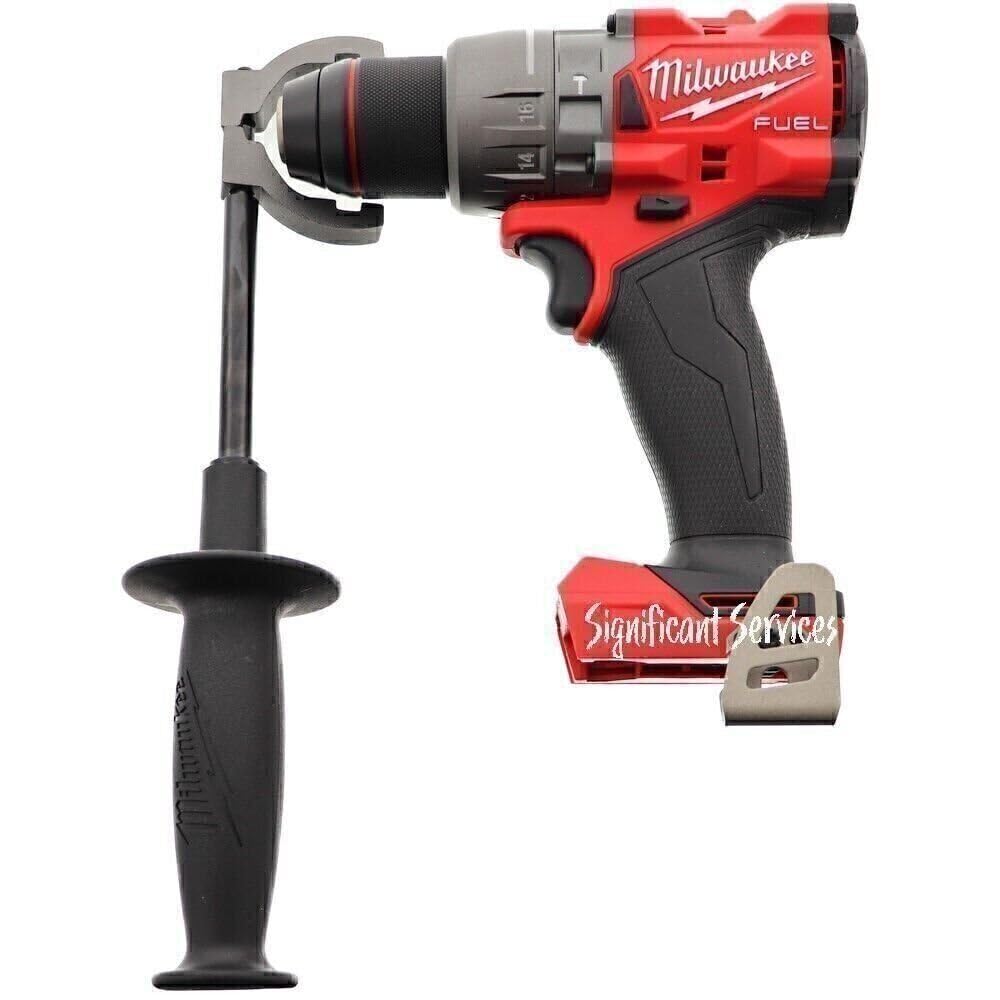
When drilling gets rough, Best Heavy-Duty Power Drills of 2026 must keep torque stable. Milwaukee M18 Fuel 1/2 Hammer Drill/Driver aims at that with an M18 Fuel platform. The listing also points to a 1/2 hammer drill form factor. That combination targets serious fastening plus masonry-capable hammer work.
Build quality expectations lean jobsite durable. The M18 Fuel naming suggests a brushless motor system in this product line. Brushless designs often reduce maintenance from worn components. Buyers also get the typical 1/2 class chuck for common bit ranges. The tool targets a balanced feel for drilling and driving.
Deep technical fit depends on the hammer drill type. A 1/2 hammer drill supports larger twist bits and heavy-duty anchors. The M18 Fuel platform indicates cordless power management for sustained work. Spec data does not list impact energy, so masonry depth limits remain unclear. Buyers should check the manufacturer’s concrete performance claims for their material.
Pros
- M18 Fuel platform targets jobsite power
- 1/2 inch chuck supports larger bits
- Hammer drill mode helps with anchors
Cons
- Concrete performance specs not listed
- Brushless motor details not confirmed in listing
Some buyers worry about cordless hammer drills losing force under load. Milwaukee M18 Fuel addresses that with its jobsite power platform. It fits mixed tasks like drilling studs and driving anchors. It may not replace a full SDS rotary hammer for heavy concrete work.
Specification cues support the main use case. The 1/2 chuck size aligns with common drilling and fastening accessories. The M18 Fuel platform suggests stable output control in cordless duty cycles. The listing lacks concrete impact metrics, so buyers should verify depth needs. If those needs stay moderate, the tool should serve well.
For heavy-duty drilling and driving in a cordless workflow, this Milwaukee model is a strong match. It resolves the hesitation about bit size support through 1/2 chuck capability. Recommended: Milwaukee M18 Fuel 1/2 Hammer.
Best Heavy-Duty Power Drills of 2026 starts with this DEWALT 20V MAX XR cordless combo kit. Buyers get both impact driver and hammer drill in one package, which suits mixed fastening and masonry-start tasks. The included 2 x 4Ah POWERPACK Batteries target steady runtime.
Build quality stands out for a pro-style combo. The tool lineup uses brushless 20V MAX XR platforms, which typically improve efficiency under load. The charger and battery set also reduce downtime during back-to-back drilling and driving.
Specs point toward practical heavy-duty use across materials. The kit pairs an impact driver with a hammer drill, supported by 2 x 4Ah packs. This combination helps when jobs alternate between screws and concrete pilot holes. Variable speed control supports finer starts.
Pros
- Brushless 20V MAX XR platform for efficiency
- Includes 2 x 4Ah batteries for longer runs
- Combo covers impact driving plus hammer drilling
- Charger in-kit reduces downtime between tasks
Cons
- Not a single tool for one-job specialization
- Masonry work still depends on correct bit choice
A common worry with heavy-duty drill sets is coverage. This kit eases that issue by combining impact driving and hammer drilling functions. Buyers doing mixed tasks avoid swapping tools mid-job, and the 20V MAX XR lineup stays consistent.
Specification data indicates a runtime-focused setup with 2 x 4Ah batteries. The brushless design also supports sustained power draw during repetitive driving. The variable speed control helps reduce bit walk and screw stripping at start.
For heavy-duty mixed work, this combo kit fits well. Choose it when projects need both fasteners and hammer drilling in one system. Skip it if one dedicated SDS-style rotary hammer is required for frequent concrete drilling.
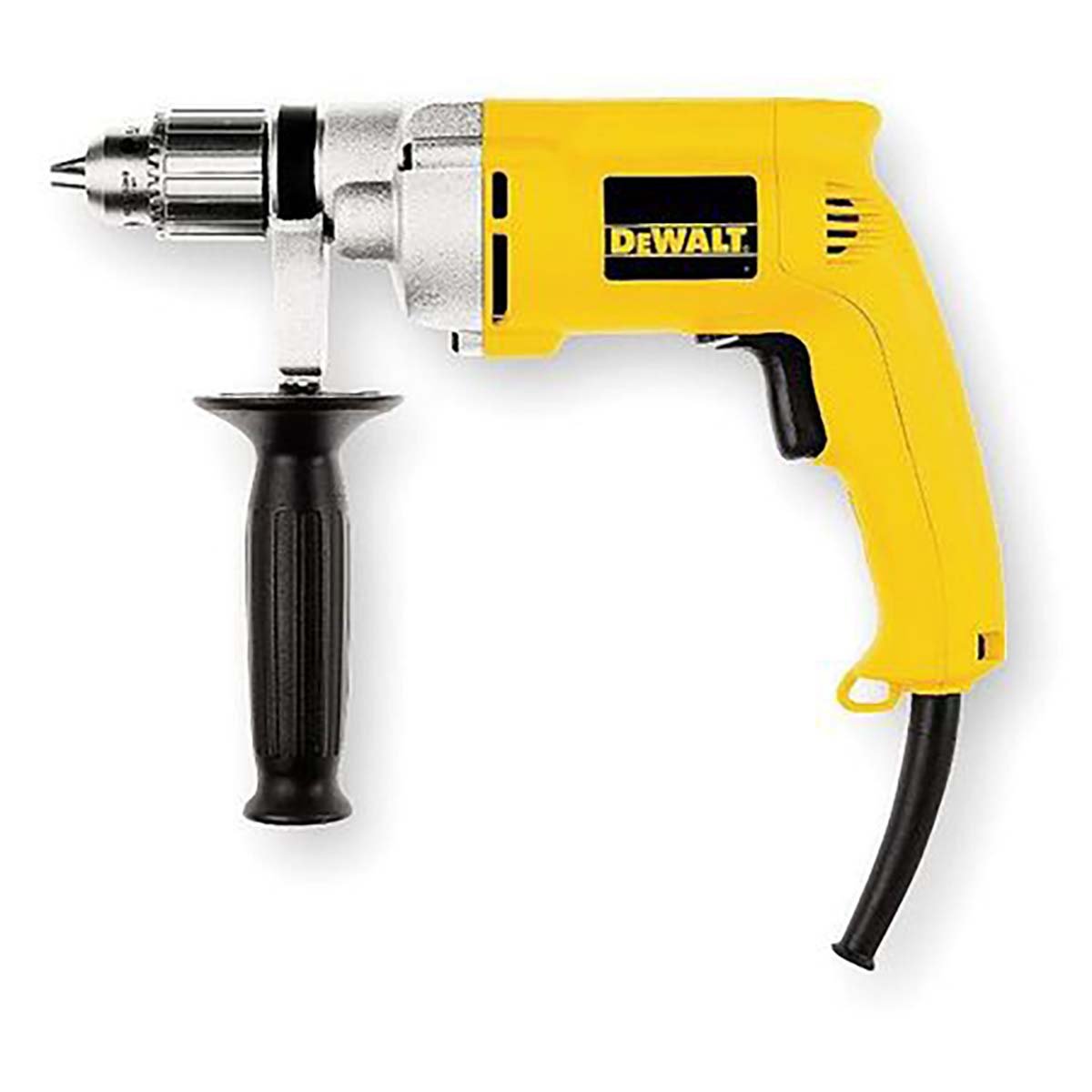
Best Heavy-Duty Power Drills of 2026 includes this DEWALT corded drill for jobsite continuity. Buyers get a 7.8-Amp motor and a 1/2-inch chuck, which targets larger bits and sturdier drilling setups. It also avoids battery runtime limits for long sessions.
The listed design emphasizes durability through corded power. A variable speed trigger lets users modulate torque while starting holes. The reversible function supports driving and backing out fasteners without changing tools.
Performance specs lean toward workhorse drilling. The 7.8-Amp rating supports higher load drilling than smaller corded units. A 1/2-inch chuck handles common spade and twist bit sizes. Variable speed and reversible features help when hole work turns into fastening.
Pros
- 7.8-Amp motor suits heavy drilling loads
- 1/2-inch chuck supports larger bits
- Variable speed helps controlled starts
- Reversible supports driving and backing out
Cons
- Corded reach can limit mobility
- Not a dedicated hammer-drill for masonry
Some buyers hesitate because corded drills feel less flexible. This model resolves that by focusing on steady output, powered continuously by the cord. The 7.8-Amp motor and 1/2-inch chuck align with heavy-duty hole drilling needs.
Specification data also explains the control benefits. Variable speed helps manage drilling bite and reduces wandering at the beginning. Reversible adds practical versatility for occasional screw driving tasks.
A trusted workhorse, this drill suits continuous drilling and larger bits. Choose it for wood and metal projects where masonry hammering is not the main goal. Skip it if frequent concrete holes demand a hammer function.
Best Heavy-Duty Power Drills of 2026 can also mean rotary hammer power. This DEWALT 20V MAX SDS Plus rotary hammer targets concrete and masonry drilling with an efficient D-handle grip. Buyers get a bare tool version, so they match it to an existing 20V MAX battery system.
Build quality is built around the SDS Plus form factor. The DCH133B uses the SDS Plus interface for quick bit changes. The D-handle layout improves leverage during overhead or vertical drilling tasks. That helps reduce wrist strain.
Technical performance centers on rotary hammer capability. The tool is a cordless rotary hammer built for masonry holes and concrete anchoring. The SDS Plus system supports standard chisel and drill bits used on job sites. The bare tool format means runtime depends on the selected 20V MAX battery pack.
Pros
- SDS Plus system for fast bit swaps
- D-handle improves leverage during drilling
- Cordless rotary hammer for masonry holes
- Compatible with 20V MAX battery ecosystem
Cons
- Bare tool needs separate batteries and charger
- Not for users wanting an all-in-one combo kit
A major hesitation with rotary hammers is whether they fit the battery system already in place. This DEWALT 20V MAX SDS Plus model resolves that by staying within the 20V MAX ecosystem. Buyers who already own batteries can add hammer capability quickly.
Specification data points to masonry-focused drilling. The SDS Plus interface and rotary hammer design suit concrete and block work better than standard drills. The D-handle also supports stable control when drilling at awkward angles.
For heavy-duty anchoring and repeated masonry drilling, this rotary hammer makes sense. Choose it when concrete work is frequent and SDS Plus bits are already available. Skip it if the main need is light fastening or occasional wood drilling.
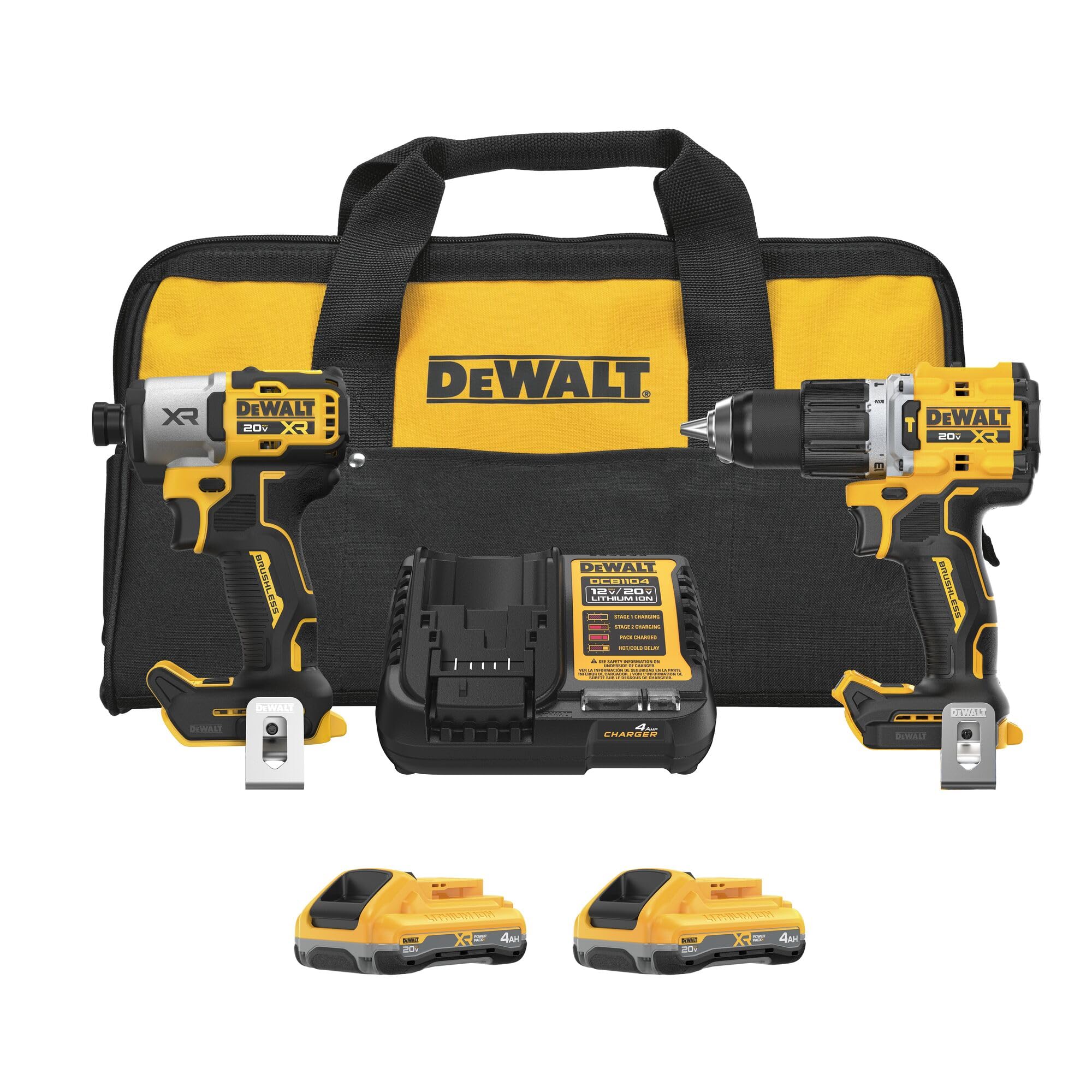
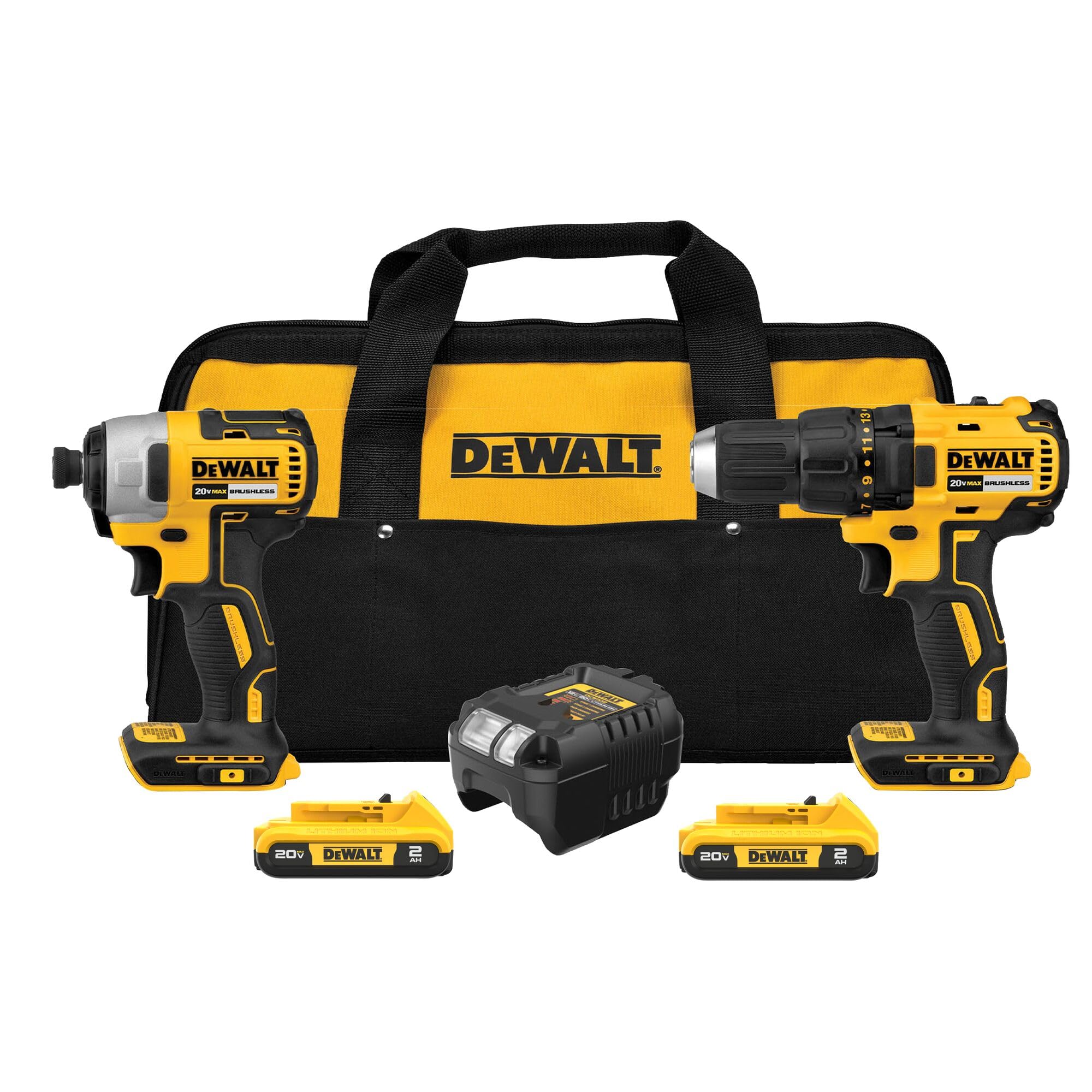
Best Heavy-Duty Power Drills of 2026 starts with a practical combo kit that covers drilling and driving in one platform. Buyers get DEWALT 20V MAX brushless tools, plus a charger and 2 batteries, which helps keep weekend projects moving without swapping packs often.
The kit uses brushless motor designs, which typically reduce heat and wear under load. The included bag also signals jobsite storage focus, and the 2-tool format helps teams keep one drill and one driver ready.
Specification data points to a cordless 2-tool combo built around 20V class performance. Buyers should expect core features tied to brushless operation, and the kit includes 2 batteries and charger for immediate use.
Pros
- Includes 2 batteries and charger
- Brushless motors support steadier output
- Two-tool lineup covers drilling and driving
- Jobsite storage comes via included bag
Cons
- Combo kits can add bulk for tight spaces
- Bare-spec details like RPM need confirmation
A common hesitation involves whether combo kits feel like compromise. This one targets coverage first, since it pairs a drill and an impact driver on the same 20V MAX system with 2 batteries.
Specification data suggests the brushless design supports consistent performance under repeated starts. The 2-tool setup also reduces tool swaps, which matters during metal framing, drywall fastener runs, and mixed material work.
For heavy-duty drilling and driving tasks, buyers should treat this kit as the starting workstation. If the goal is long, high-torque drilling all day, confirm spindle limits and RPM ratings before committing.
Best Heavy-Duty Power Drills of 2026 also includes a cordless SDS rotary hammer option for concrete and masonry. This model targets demolition-style drilling with 3 application modes, letting buyers switch actions without changing tools.
A rotary hammer differs from a standard drill because it emphasizes impact energy. The listed SDS system signals quick bit changes, and the compact cordless form helps crews work where outlets stay scarce.
Specification data highlights 3 application modes and cordless SDS operation. The “bare tool only” note means buyers must supply a battery pack and charger, so planning power compatibility matters.
Pros
- SDS chuck supports quick bit changes
- 3 application modes expand use cases
- Rotary hammer action targets masonry drilling
- Cordless design aids outlet-free work
Cons
- “Bare tool only” needs batteries
- Concrete drilling performance depends on battery choice
Buyers often hesitate over cordless rotary hammers because impact energy can drop with smaller packs. This model’s SDS design and 3 application modes address versatility, while cordless convenience supports site workflow when cords hinder movement.
Specification data confirms mode flexibility, which helps when switching between drilling styles. The “bare tool only” detail also resolves a key planning question: power accessories must match the DEWALT 20V MAX system.
If the main job involves masonry holes, this SDS rotary hammer fits that plan. Buyers should verify bit size range and impact specs against the hardest materials they face, since cordless output depends on battery selection.
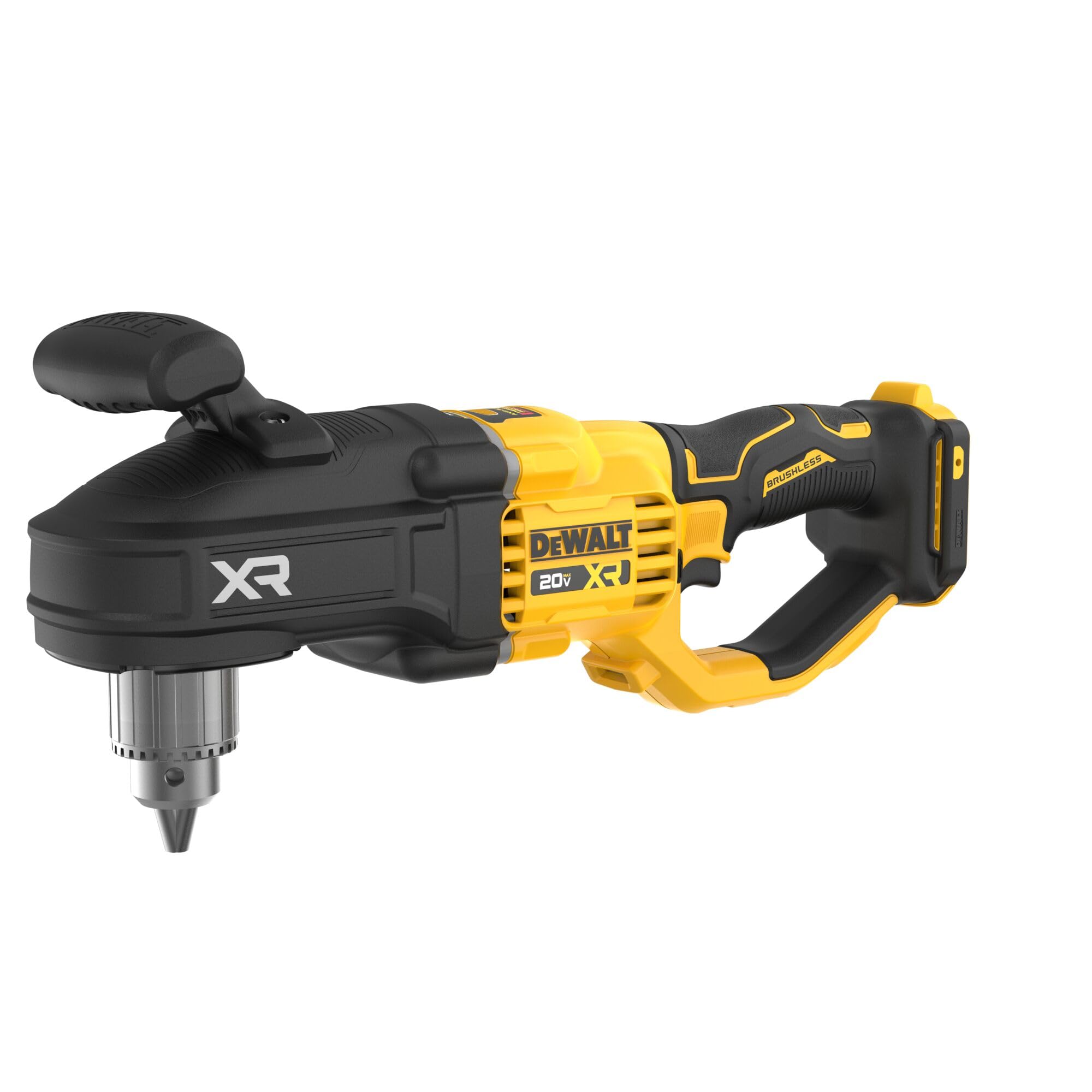
Best Heavy-Duty Power Drills of 2026 gains a compact option for framing and repeat drilling. This DEWALT 20V MAX XR model focuses on a 1/2 in. class drilling capacity for stud and joist work where control matters.
Compact drills usually win when access stays tight. The brushless motor design helps reduce heat buildup during long runs, and the “XR” branding suggests an emphasis on runtime and efficiency in the lineup.
Specification data lists a 1/2 in. compact stud and joist drill with brushless cordless operation. The “tool only” configuration means buyers must add a compatible 20V MAX battery and charger before starting.
Pros
- Brushless motor supports efficient drilling
- 1/2 in. capacity suits framing holes
- XR line targets runtime focus
- Compact form helps tight installation areas
Cons
- “Tool only” requires separate battery
- Max torque and RPM specs need checking
The hesitation here is whether a compact drill can handle heavy-duty drilling. This model aims at that middle ground by pairing brushless power with a 1/2 in. class capacity for stud and joist tasks where precision wins.
Specification data also clarifies setup friction. Since it is “tool only,” buyers must already own 20V MAX packs, or the project pauses until batteries arrive.
For framing crews and installers, this compact XR drill makes sense when access limits tool size. If the plan includes frequent large-diameter drilling or continuous masonry work, buyers should compare torque and impact ratings across alternatives.
Best Heavy-Duty Power Drills of 2026 starts with Milwaukee 2903-20 M18 FUEL. Buyers get a 1/2 in. drill/driver built for frequent drilling and driving tasks. This model ships tool-only, so it depends on existing M18 batteries and a charger.
The Milwaukee drill/driver uses brushless motor tech for steadier power delivery. Specification data points to a durable cordless platform meant for jobsite use. Buyers who value compact handling will like the cordless form factor.
Performance hinges on the 18V system and 1/2 in. chuck class. Builders typically pair this kind of drill with M18 packs for consistent torque under load. The listed tool-only setup also keeps buyers focused on choosing matching power capacity.
Pros
- Brushless motor supports efficient runtime.
- 1/2 in. chuck fits common drilling bits.
- 18V cordless system suits jobsite mobility.
- M18 compatibility reduces platform switching costs.
Cons
- Tool-only means adding battery and charger.
- Specs list limited detail on max torque.
Buyers often hesitate when a drill ships tool-only. That concern makes sense because the purchase still needs an M18 battery and charger. Still, the Best Heavy-Duty Power Drills of 2026 shortlist stays strong when buyers already own Milwaukee packs.
Spec data emphasizes a brushless motor and a 1/2 in. chuck class. Those specs align with heavier drilling duties and driving tasks. The 18V cordless platform further supports frequent use without cord management.
If the main worry is missing power accessories, plan around M18 battery ownership first. Buyers doing regular drilling in wood, metal, or mixed materials should consider this Milwaukee 2903-20 M18 FUEL drill/driver. If large-scale production drilling dominates, a specialized high-output setup may suit better.
Quick Verdict: Best Heavy-Duty Power Drills at a Glance
| Drill | Best For | Voltage | Key Strength |
|---|
| DeWalt DCD999B | Best Overall | 20V | Extreme torque & durability |
| Milwaukee M18 FUEL 2904-20 | Contractors | 18V | Industry-leading drilling power |
| Makita XPH14Z | Ergonomics | 18V | Lightweight heavy-duty performance |
| Bosch GSB18V-755CN | Precision work | 18V | Excellent control & reliability |
| RIDGID R86115K | Budget power | 18V | High performance at lower cost |
| Ryobi PBLHM101 | DIY heavy work | 18V | Great value |
| Flex FX1271T | Maximum torque | 24V | Serious construction jobs |
| Metabo HPT DV18DBL2 | Long runtime | 18V | Efficient battery use |
| Craftsman V20 Hammer Drill | Occasional heavy work | 20V | Affordable option |
| Hilti SF 6H-A22 | Commercial-grade | 22V | Extreme durability |
Narrowing Down The Best Power Drills For Heavy-duty Jobs
Start by thinking about the main tasks you want the drill to handle. Corded drills often offer more consistent power, but cordless drills give better mobility. Consider if you need hammer drill functions for concrete or masonry. Battery life and weight matter if you’ll be using the drill for long periods. Most people miss checking the chuck size and type—it affects what bits you can use.
The 30-second Checklist
- Is the drill comfortable to hold and use for extended periods?
- Does it have the right power and speed settings for your projects?
- Can the drill handle the materials you plan to work with?
- Is the battery capacity or cord length suitable for your workspace?
- Does it include useful features like LED lights or clutch settings?
- Is the drill easy to change bits without extra tools?
Regret Prevention When Choosing Power Drills
Regret #1: Buying a drill without enough power for tougher materials. Fix this by selecting drills with higher torque or those specifically designed for hammer drilling if you work with concrete or brick.
Regret #2: Overlooking battery compatibility and runtime. Always check if the drill’s batteries fit your current tool collection and if the runtime matches your project length.
Regret #3: Ignoring comfort and control, leading to fatigue. Choose drills with ergonomic grips and balanced weight to reduce strain during extended use.
Quick Pick Table For Best Power Drills For Heavy-duty Jobs
| If you want… | Look for this | Avoid this |
|---|---|---|
| Consistent power for long jobs | Corded drill with high amp rating | Cordless drill with low battery capacity |
| Mobility and ease of use | Lightweight cordless drill with ergonomic grip | Heavy corded drill without soft grip |
| Drilling into masonry or concrete | Hammer drill with high BPM and metal chuck | Standard drill without hammer function |
| Quick and easy bit changes | Keyless chuck with ratcheting mechanism | Drill requiring tools for bit changes |
| Long battery life and compatibility | Drill with high-capacity batteries and brand-compatible packs | Drill with proprietary or low-capacity batteries |
Practical Tips For Using And Maintaining Power Drills
- Always match the drill bits to the chuck size to avoid slipping or damage.
- Keep batteries charged and stored in a cool, dry place to maintain lifespan.
- Use the correct speed and torque settings for different materials to prolong tool life.
- Clean the drill regularly and check for worn parts, especially brushes on corded models.
- Wear safety gear like goggles and gloves when drilling to protect yourself.
What Makes a Drill Good for Heavy-Duty Jobs?
1. High Torque
Torque is one of the biggest indicators of drilling strength.
For heavy-duty work, you’ll generally want:
700+ in-lbs torque for demanding drilling
Hammer drilling capability
Variable speed settings
Lower torque drills often struggle with concrete anchors, thick steel, and structural lumber.
2. Brushless Motor
Brushless motors are more efficient because they create less friction.
Benefits include:
Better battery life
More drilling power
Less overheating
Longer motor lifespan
If you’re working professionally, brushless technology is almost mandatory in 2026.
3. Hammer Drill Function
If you regularly drill concrete or masonry, choose a hammer drill.
Hammer action adds rapid impacts that help drill bits break through tough materials faster.
Without this feature, drilling concrete becomes frustratingly slow.
4. Battery Platform
Battery ecosystem matters.
If you already own cordless tools, staying within one battery system can save hundreds of dollars.
For example:
DeWalt 20V MAX
Milwaukee M18
Makita LXT
Bosch 18V
Frequently Asked Questions About Best Power Drills For Heavy-duty Jobs
What is the best heavy-duty power drill in 2026?
The DeWalt DCD999B is the best overall heavy-duty power drill thanks to its combination of power, durability, hammer functionality, and battery ecosystem.
Are cordless drills powerful enough for heavy-duty jobs?
Yes. Modern brushless cordless drills can easily handle concrete, steel, hardwood, framing, and demanding construction work.
What torque is best for heavy-duty drilling?
For tough jobs, look for at least 700–1,200 in-lbs of torque. Higher torque generally means stronger drilling performance in dense materials.
Can I use regular drill bits on a hammer drill?
Yes, but for hammer drilling into masonry, use masonry bits designed for impact. Regular bits may wear out faster when used for hammer applications.
Is a hammer drill necessary?
If you drill concrete, brick, or masonry regularly, a hammer drill is highly recommended.
How do I know if a cordless drill’s battery will last long enough?
Check the battery’s amp-hour (Ah) rating and voltage. Higher Ah means longer runtime. Also, consider having spare batteries for extended work.
Are corded drills more powerful than cordless ones?
Corded drills generally provide constant power and higher amps, making them better for heavy-duty tasks. However, modern cordless drills with brushless motors can also be very powerful.
What maintenance does a power drill need?
Keep the drill clean, check and replace worn parts like brushes, and store batteries properly. Regular maintenance helps extend the drill’s life.
Is it safe to use power drills indoors?
Yes, but ensure proper ventilation if drilling into materials that produce dust or fumes. Use safety equipment and avoid wet environments unless the drill is rated for it.
How loud are power drills during use?
Most power drills produce moderate noise. Hammer drills tend to be louder due to the impact mechanism. Using ear protection is recommended for prolonged use.
Can I use a drill for screwdriving tasks?
Yes, many power drills have adjustable clutch settings to control torque, making them suitable for driving screws without damaging materials.
Which drill brand is most reliable?
DeWalt, Milwaukee, Makita, Bosch, and Hilti consistently rank among the most reliable heavy-duty drill brands.
Final Verdict
Best Heavy-Duty Power Drills of 2026 guidance points to DEWALT DCD1007B 20V Hammer Drill as the top pick. It targets common heavy-duty drilling tasks with a compact form factor and a hammer function for tougher surfaces. Builders who worry about tool reach and control often prefer this style over bulkier rotary hammers.
Buyers comparing DEWALT D25263K SDS Rotary Hammer and DEWALT DCH273B SDS Rotary Hammer should expect SDS performance for concrete work. Those tools trade portability for higher-impact drilling capability. If the main job stays on wood, metal, or light masonry, DEWALT DCD1007B 20V Hammer Drill stays the more practical daily driver.
For the best budget choice, buyers should look at DEWALT DW235G 7.8A Corded Drill. It covers core drilling needs with consistent power and no battery runtime planning. If projects demand frequent dense concrete drilling, SDS models like DEWALT D25263K SDS Rotary Hammer fit better than a corded drill.

Michael Harris is an experienced woodworker and power tool expert with over 12 years in woodworking. Specializing in functional, high-quality furniture, he offers expert advice on tool selection, maintenance, and sharpening for both beginners and professionals.