Why is My Cordless Tool Battery Not Charging? Quick Fixes!
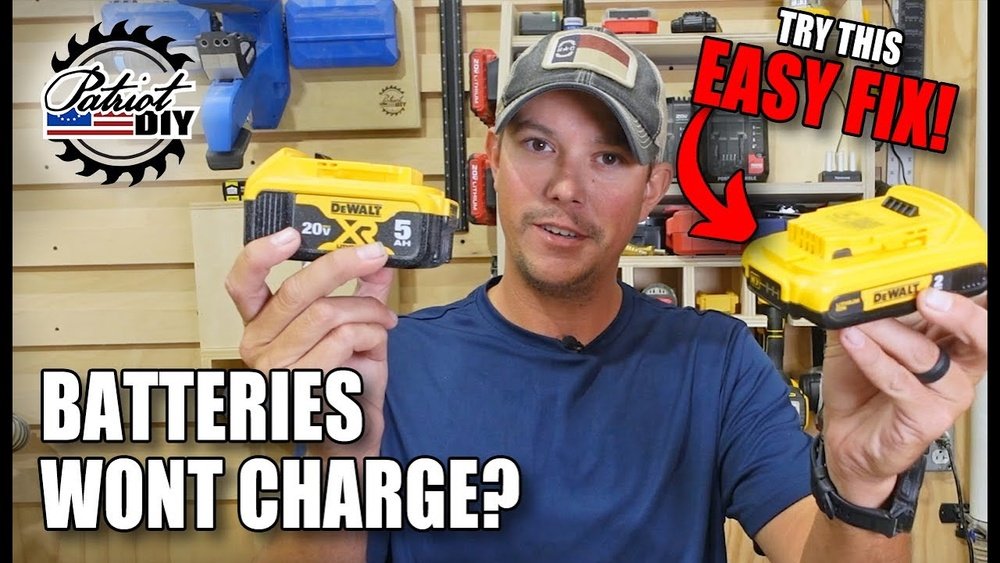
Is your cordless tool battery refusing to charge when you need it most? It’s frustrating, isn’t it?
You rely on your tools to get the job done, but a dead battery can bring everything to a halt. Understanding why your cordless tool battery is not charging can save you time, money, and stress. You’ll discover the common reasons behind this problem and simple steps you can take to fix it.
Keep reading—you’re just a few solutions away from powering up your tools again.
Common Battery Issues
Common battery problems cause most cordless tool charging issues. Batteries wear out or get dirty over time. These problems stop the battery from charging properly. Understanding these issues helps fix the problem fast.
Battery Age And Wear
Batteries lose power after many uses. The older the battery, the less it holds charge. After a long time, the battery may not charge at all. This is normal wear and tear. Replacing old batteries often solves the problem.
Overheating Problems
Charging in hot places can cause overheating. Heat damages battery cells inside. Overheated batteries stop charging to protect themselves. Let the battery cool down before charging again. Avoid charging near heat sources or direct sunlight.
Dirty Or Corroded Contacts
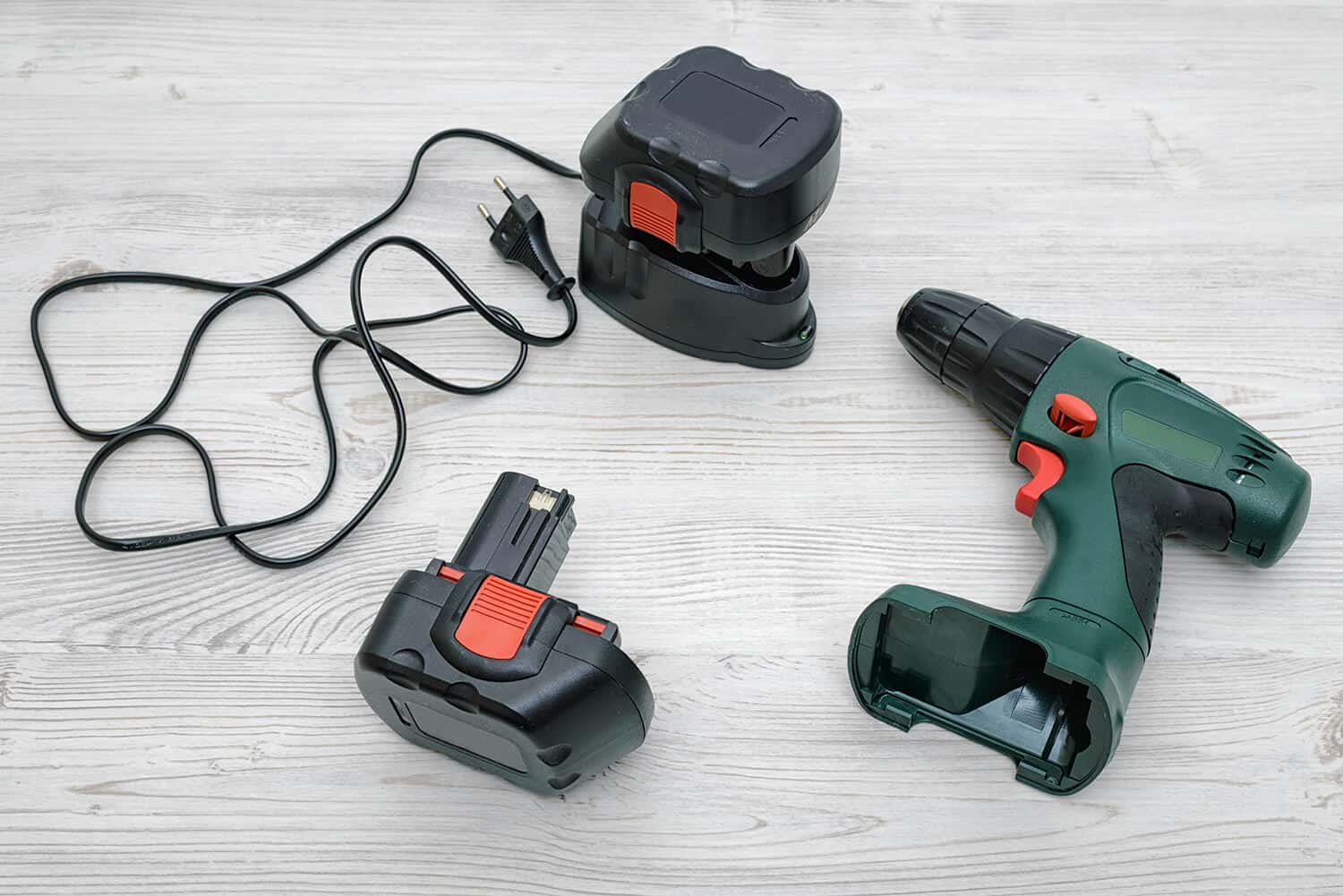
Battery and charger contacts must be clean. Dirt or corrosion blocks electricity flow. This stops the battery from charging correctly. Clean the contacts with a dry cloth or sandpaper. Regular cleaning keeps the connection strong and reliable.
Credit: www.ejgpropertymanagement.com
Charger Troubleshooting
Charger problems often cause cordless tool batteries not to charge. Checking the charger is a smart first step. Small charger issues can stop your battery from getting power. Let’s explore simple ways to troubleshoot your charger.
Check Power Source
Make sure the outlet works by plugging in another device. Sometimes the power source is the problem. Try a different outlet in the same room. Avoid outlets controlled by switches turned off. A steady power supply is key for charging.
Inspect Charger For Damage
Look closely at the charger’s cord and plug. Cuts, frays, or bent prongs can stop charging. Check for loose connections where the charger attaches to the battery. Clean any dirt or debris from the charging contacts. Damaged parts often need replacing.
Test With Another Charger
Use a different charger that fits your battery type. This helps find out if your charger is faulty. Borrow one from a friend or buy a compatible model. If the battery charges with another charger, your original charger is the issue. Replace it to restore charging.
Battery Reset Techniques
Battery reset techniques help revive cordless tool batteries that fail to charge. These methods can fix minor issues and extend battery life. Trying these steps can save you from buying a new battery soon.
Discharge And Recharge Method
Drain the battery completely by running the tool until it stops. Let the battery rest for about an hour. Then, charge it fully without interruption. This process clears battery memory and helps restore capacity.
Cooling Down The Battery
Overheating can stop a battery from charging. Turn off the tool and remove the battery. Place it in a cool, dry spot for 30 minutes. Cooling down resets the battery’s internal protection circuits.
Using A Battery Reconditioner
A battery reconditioner sends controlled pulses to the battery. This breaks down crystal buildup inside the cells. Using one can improve charging and extend battery life. Follow the device instructions carefully for best results.

Credit: www.amazon.com
Maintenance Tips
Proper maintenance helps keep your cordless tool battery healthy. Simple steps can prevent charging problems. Follow these tips to extend your battery’s life and improve its performance.
Proper Storage Practices
Store batteries in a cool, dry place. Avoid extreme heat or cold. Remove the battery from the tool if not used for a long time. Keep the battery at about 40-60% charge during storage. This prevents damage and helps the battery last longer.
Regular Cleaning Of Contacts
Clean battery contacts regularly. Use a dry cloth or soft brush. Dirt or corrosion can block the connection. This stops the battery from charging properly. Keep contacts dry and free from dust for best results.
Avoiding Overcharging
Do not leave batteries on the charger too long. Overcharging can reduce battery life. Use chargers with automatic shut-off if possible. Remove the battery once fully charged. This practice keeps your battery healthy and ready to use.
When To Replace The Battery
Knowing when to replace your cordless tool battery saves time and frustration. Batteries wear out after many charges. They lose their ability to hold power. Recognizing the right moment to replace helps keep your tools ready to work. Avoid damage to your tool by replacing bad batteries promptly.
Signs Of Irreparable Damage
Batteries that swell or leak need immediate replacement. A battery that does not charge at all is likely dead. Quick power loss during use signals damage. Strange smells or heat during charging show internal faults. These signs mean the battery cannot be fixed safely.
Choosing A Compatible Replacement
Pick a battery that matches your tool’s model. Check voltage and capacity to ensure proper fit. Using the wrong battery can cause poor performance or damage. Original manufacturer batteries usually offer the best results. Avoid cheap, unbranded batteries to protect your tool’s lifespan.
Recycling Old Batteries
Never throw old batteries in the trash. They contain harmful chemicals that damage the environment. Take used batteries to a recycling center or store with a battery return program. Proper recycling keeps toxins out of landfills. It also allows reuse of valuable materials inside the battery.

Credit: www.youtube.com
Frequently Asked Questions
Why Won’t My Cordless Tool Battery Charge Fully?
A battery may not charge fully due to age, dirt on contacts, or charger issues. Clean contacts, check charger, or replace the battery if old.
How Can I Tell If My Battery Is Dead?
If the battery won’t hold any charge after multiple attempts, it’s likely dead. Testing with a multimeter can confirm voltage levels.
What Causes A Cordless Battery To Stop Charging?
Common causes include worn-out cells, dirty terminals, or a faulty charger. Regular maintenance and proper storage help prolong battery life.
Can A Cold Environment Affect Battery Charging?
Yes, cold temperatures reduce battery efficiency and charging ability. Charge batteries in room temperature to ensure optimal performance.
Conclusion
A cordless tool battery may fail to charge for several reasons. Check the charger and battery for damage or dirt. Make sure the charger fits properly and the power source works. Sometimes, batteries wear out after long use and need replacement.
Regular care helps batteries last longer. Knowing these tips can save time and avoid frustration. Keep your tools ready by addressing battery issues early. Simple steps often fix charging problems quickly. Stay patient and troubleshoot carefully for the best results.

Michael Harris is an experienced woodworker and power tool expert with over 12 years in woodworking. Specializing in functional, high-quality furniture, he offers expert advice on tool selection, maintenance, and sharpening for both beginners and professionals.