How to Choose the Right Battery for Your Power Tool: Expert Tips
A weak or mismatched battery can turn a capable tool into a source of frustration — stalling mid-cut, forcing long recharge breaks, or failing under torque. Choosing the right battery isn't about picking the highest voltage or the cheapest pack on the shelf. It means matching chemistry, capacity, compatibility, and real-world demands to your workflow. This guide gives you the practical knowledge to avoid costly mistakes and keep every cordless tool running at its peak, project after project.
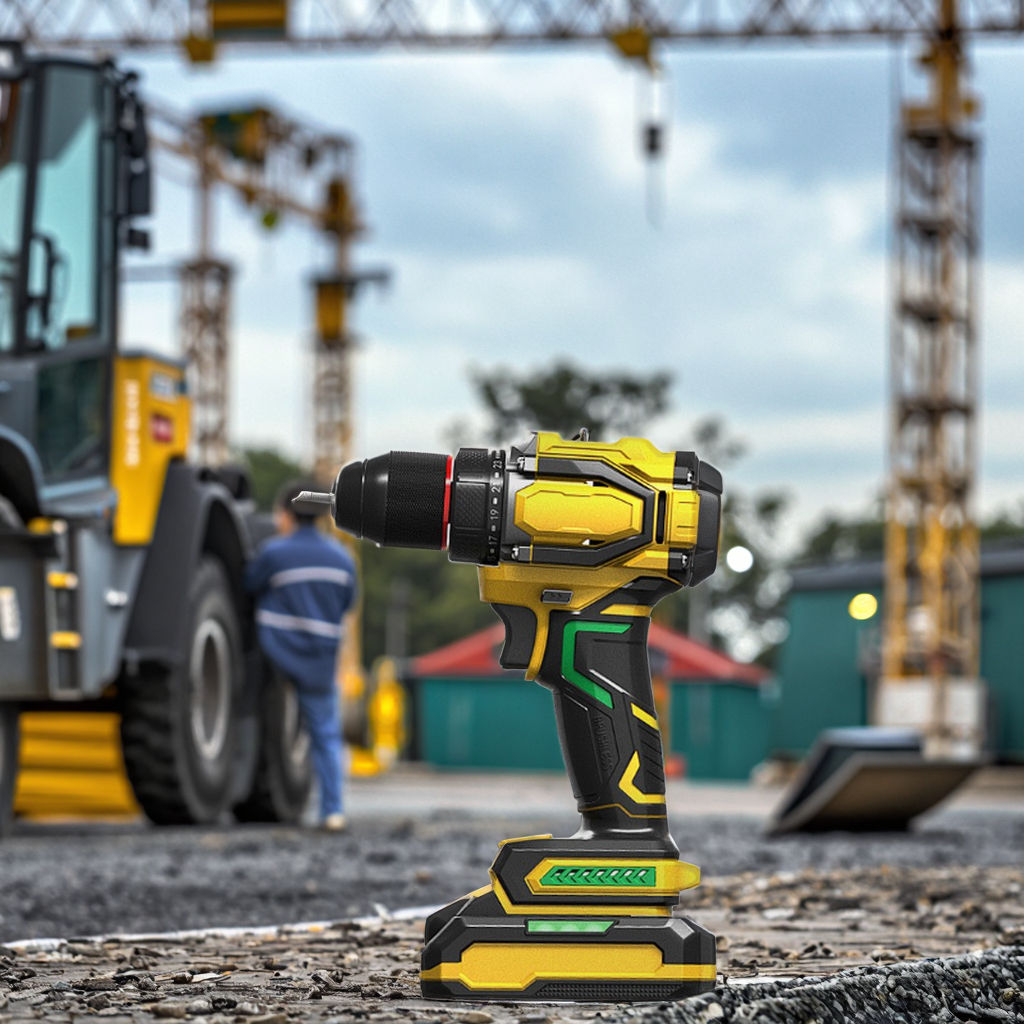 Batteries come in multiple form factors, chemistries, and connector styles — choosing correctly starts with understanding what each delivers.
Credit: smartbuy.alibaba.com
The Core Battery Chemistries: What’s Actually Inside Your Pack
Knowing the type of battery inside your tool helps you predict weight, lifespan, cold-weather performance, and charging quirks. While lithium-ion dominates today, legacy chemistries still show up, especially in older or budget-oriented tools. For more on this, see our guide on how to extend the life of a power.
Lithium-Ion (Li-Ion)
Li-Ion packs deliver the highest energy density in the smallest, lightest package. They hold a charge well in storage, charge quickly, and suffer no memory effect — you can top them off at any time without reducing capacity. In practice, you’ll notice that a 2.0 Ah Li-Ion battery on a drill feels noticeably lighter than an old NiCd pack of similar capacity. The built-in battery management system (BMS) protects against over-discharge and overheating, which is why nearly all modern professional and DIY cordless tools have moved to this chemistry.
Nickel-Cadmium (NiCd)
You’ll still see NiCd in some heavy-duty demolition tools or inexpensive starter kits. They can survive rough handling and perform in extreme heat or cold where early Li-Ion packs might falter, but they are heavy, suffer a pronounced memory effect, and contain toxic cadmium. A common mistake is trying to recharge a partially drained NiCd battery repeatedly — it will lose usable capacity faster. If you buy a tool with NiCd today, factor in the extra weight and eventual disposal headaches. For more on this, see our guide on best power tool kits for beginners.
Nickel-Metal Hydride (NiMH)
NiMH was a short-lived intermediate chemistry. It offers slightly more capacity than NiCd and is less toxic, but still heavier than Li-Ion and prone to self-discharge. These rarely appear in newly manufactured power tools, but you may encounter them in older cordless screwdrivers. If a replacement pack is labelled NiMH, treat it like a NiCd for charging and storage.
Battery Specifications That Actually Decide Your Day’s Work
A data sheet full of numbers only matters if you translate volts, amp-hours, and charge times into what you’ll feel in your hand and see on the job. For more on this, see our guide on why is my cordless tool battery not charging.
Voltage and Real Power Delivery
Voltage gives you the tool’s electrical “push.” A 12V platform handles light assembly and trim work; 18V to 20V Max covers most drilling, driving, and cutting tasks around a home or workshop; 36V and above steps into heavy rotary hammers, large circular saws, and sustained high-torque applications. But higher voltage isn’t always better. A well-engineered brushless motor on an 18V drill can outperform a brushed 20V model, because the electronics use energy more efficiently. Always match the voltage to the tool’s requirements — fitting a higher-voltage pack into an incompatible tool can fry the controller instantly.
Capacity, Runtime, and Amp-Hours
Capacity is rated in amp-hours (Ah). A 5.0 Ah battery stores roughly 2.5 times the energy of a 2.0 Ah battery, giving longer runtime between charges. However, that extra capacity adds size and weight. For overhead drilling or detail sanding, a compact 1.5–2.0 Ah pack reduces fatigue. For high-drain tools like a reciprocating saw or angle grinder, a 5.0 Ah or larger pack prevents frequent swaps. In practice, having two medium-capacity batteries on rotation often works better than one huge pack, because you can charge while you work. For more on this, see our guide on best battery chargers for power tools.
Charge Time and Rapid Charging
Charge time is governed by the charger’s output and the battery’s size. Many modern fast chargers can bring a depleted 5.0 Ah Li-Ion pack to 80% in 25–40 minutes, then taper off to protect cells. If downtime matters, look for a charger with a cooling fan and multi-port capability so you can top up two packs simultaneously. Avoid charging a hot battery straight after heavy use — letting it cool for 10 minutes prevents internal degradation that you won’t notice until capacity shrinks months later.
Battery Compatibility and Platform Thinking
A battery is rarely a one-off purchase. Most pros and serious DIYers build a cordless platform around a single brand’s ecosystem so that all their batteries fit all their tools. Before buying any bare tool or replacement pack, think through compatibility.
Matching the Right Pack to the Right Tool
Check voltage, connector style, and slide-rail or stem design. A battery might physically click into place but still not communicate correctly if the tool and battery use different electronic handshakes. Some older tools lack the protection circuits required for modern high-capacity packs, causing sudden cut-outs under load. Before you pick a replacement, if you suspect your current battery is failing, it helps to check your battery’s current health with simple testing steps.
Brand-Locked vs. Cross-Compatible
Staying within one manufacturer’s ecosystem is the safest route for fit, warranty, and performance. A few third-party adaptors exist, but they often bypass critical temperature sensing or cell-balancing circuits. Using an adaptor that blocks airflow to the battery can lead to overheating — something you’ll learn quickly when a pack shuts down in the middle of a long cut. When you’re assembling a kit for the first time, a starter combination kit from a reputable brand gives you a matched charger, two batteries, and a tool from the same family.
The Case for a Unified Battery Platform
If you’ll use multiple tools — a drill, impact driver, circular saw, and jigsaw — buying into a single voltage platform means every battery you own powers every tool. This is where the trade-offs of cordless flexibility pay off: one charger, several packs, and the ability to borrow a charged battery from another tool instead of waiting. Once you’ve settled on a platform, picking a compact drill option that uses the same batteries keeps your whole setup lean.
 Side-by-side comparisons help you visualize the impact of capacity, weight, and chemistry on daily use.
Credit: egopowerplus.co.uk
How to Read a Battery Label (and What It Doesn’t Tell You)
A label might say “20V MAX” or “18V,” “5.0Ah,” “Li-Ion.” That is the start, not the whole story. In practice, two batteries with identical specs can differ dramatically in cell quality, discharge curve, and BMS sophistication.
- Nominal vs. maximum voltage: A “20V MAX” battery in North America is the same as the rest-of-the-world’s 18V nominal — marketing, not a technology difference.
- Watt-hours (Wh): Multiply voltage by amp-hours (e.g., 18V × 5.0Ah = 90Wh). This gives a better comparison across different voltages. A 12V 6.0Ah pack (72Wh) stores less total energy than an 18V 5.0Ah pack (90Wh), even though its Ah number is higher.
- Cell type and brand: Packs using name-brand cells (Samsung, LG, Murata) tend to hold voltage under load better and last longer than generic cells. You won’t always see this on the outside, but it explains the price gap between premium and bargain packs.
- Built-in fuel gauge: A push-button charge indicator is handy, but it’s a rough estimate. For critical tasks, start with a fully charged pack.
Weight, Ergonomics, and Balance: The Overlooked Specs
A heavy 9.0 Ah backpack-style battery on a handheld drywall screwgun will exhaust you within an hour. Meanwhile, a tiny 1.5 Ah pack on a high-drain grinder triggers voltage sag so severe that the tool bogs down before the meter shows empty. Match battery size to the tool and the grip. For prolonged overhead or one-handed work, choose lightweight, ergonomic tools paired with slim batteries that keep the centre of gravity close to your wrist. For floor-standing or benchtop tools where you bear no weight, go big on capacity.
Maintenance That Actually Extends Battery Life
Battery maintenance isn’t complicated, but skipping it shortens usable life and can cause sudden failure. The most common wear patterns come from heat, deep discharge, and poor storage.
Charging Practices That Preserve Cells
- Use only the charger supplied by the manufacturer or a known-compatible model with the same voltage and communication protocol.
- Remove the pack once the charge indicator signals full. Leaving it on the charger for days is safer with modern Li-Ion smart chargers than it used to be, but ambient heat still accelerates cell aging.
- Charge at room temperature. In a freezing garage, a Li-Ion battery may refuse to charge or, worse, develop internal plating damage. Bring it inside to warm up first.
- A battery that won’t accept a charge needn’t be dead forever. Before replacing it, diagnosing a battery that won’t charge can reveal simple fixes like cleaning contacts or waking a deeply discharged pack with a compatible charger.
Storage That Preserves Chemistry
- Store Li-Ion packs at roughly 40–60% charge if the tool will sit unused for weeks. Some premium chargers have a storage mode that brings the pack to this level automatically.
- Keep batteries in a cool, dry location, away from direct sunlight and metal objects that could short the terminals. A dedicated battery rack or protective cap prevents accidental shorting.
- Remove the battery from the tool after use. Even when switched off, some tools draw a small standby current that can deep-discharge a pack over several months.
Simple Rotations and Cleaning
If you own multiple packs, label them and rotate use. Clean the terminal contacts every few months with a dry, clean cloth — a thin film of dust or light corrosion can mimic a dead battery. If you run into intermittent power loss, charger troubleshooting often points to dirty contacts before a true component failure.
Safety and Disposal: What No One Tells You
Power tool batteries store a huge amount of energy in a small space. Mishandling is rare but dangerous.
- Protect against punctures and crushing. A pierced Li-Ion cell can enter thermal runaway, releasing toxic smoke and intense heat. Never carry loose batteries in a tool bag full of nails or screws without a protective cover.
- Stop using a pack that looks swollen, smells sweet or solvent-like, or gets excessively hot. These are signs of internal cell failure.
- Never dispose of batteries in household trash. The U.S. Environmental Protection Agency provides detailed guidance on recycling options, including drop-off locations for rechargeable batteries. Most home improvement stores and municipal recycling centres accept them at no cost.
- Transport with care. Tape over exposed terminals or use a purpose-built case if you’re taking batteries to a jobsite. In many regions, shipping damaged Li-Ion packs without proper packaging is illegal and dangerous.
Budget, Warranty, and the Price-Performance Curve
Cheap replacement batteries seduce with a low sticker price, but the total cost of ownership often flips the math.
When a Bargain Battery Costs More
An off-brand 5.0 Ah pack might cost half the price of the original equipment manufacturer (OEM) version, but commonly uses lower-grade cells that sag under load, deliver less usable capacity from the start, and degrade faster. In a high-drain tool like a circular saw, you’ll notice the difference in cut quality and the number of cuts per charge. Factor in the cost of replacing that bargain pack twice as often, and the “saving” disappears.
Warranty as a Signal of Quality
A standard 2-year warranty is typical; 3 years or more usually indicates the manufacturer trusts its cell quality and BMS design. However, read the fine print: some warranties don’t cover normal capacity fade, only total failure. Register your product after purchase so you have a seamless claim process if a pack stops charging within the covered period.
When to Invest in Premium Packs
If you rely on a tool daily — framing, trim carpentry, automotive work — premium high-output batteries with advanced cell cooling and high-discharge ratings justify their cost by letting you work faster and swap batteries less. For occasional home repairs, the affordable DIY tools route, paired with a few mid-range 2.0–4.0 Ah packs, keeps spending reasonable without sacrificing reliability.
 Physical size often increases with capacity — check that a larger pack won’t make your tool awkward to handle.
Credit: batteriesinc.net
Common Mistakes When Choosing a Replacement Battery
Even experienced users get trapped by a few recurring missteps. Avoid these and you’ll waste less money and time.
- Assuming higher Ah always means better. A large pack is a burden on a lightweight driver; a tiny pack on a high-demand saw results in voltage sag and tool shut-off before the battery gauge reads empty.
- Ignoring the “lasts longer” promise without checking cell origin. Generic packs with exaggerated ratings often fail to deliver their labelled capacity in real-world use.
- Buying a spare based solely on voltage and not checking the connector rails. The tool may not accept newer slide-pack designs, even within the same brand.
- Storing batteries fully charged in a hot vehicle. Heat is the enemy. A pack left in a van on a summer day can permanently lose a noticeable chunk of capacity.
- Using a worn-out pack as a “beater” indefinitely. As internal resistance rises, the battery generates more heat, which can damage the tool’s motor controller.
How to Build a Battery Rotation That Keeps You Working
Instead of buying the biggest single battery, aim for a rotation. Two medium packs and one fast charger keep you going almost without interruption: use one while the other cools and charges. For all-day, high-draw tasks like framing with a cordless circular saw, three batteries — two in rotation and one on standby — provide a smooth rhythm. This approach costs about the same as one huge premium pack but delivers more flexibility and less waiting. If you’re piecing together a home workshop, compact drill options that share your battery platform easily slot into this rotation.
Frequently Asked Questions
Can I use a higher-voltage battery in my 18V tool?
No. Unless the tool and battery are specifically designed for cross-voltage use (like some dual-voltage platforms), a higher-voltage pack will physically or electronically block you from inserting it, or it will damage the tool’s electronics. Stick to the voltage stated on the tool.
Is it safe to use third-party aftermarket batteries?
It’s a calculated risk. Some third-party packs deliver acceptable performance, but many lack proper thermal protection and cell balancing. If you go this route, monitor the pack closely during charging and the first few uses. For professional work, OEM packs remain the safer, more reliable choice.
How do I revive a battery that won’t charge?
If a Li-Ion battery’s voltage falls below the charger’s recognition threshold, it may appear dead. Some chargers can attempt a low-current recovery, or a service centre can reset the BMS. Before buying a replacement, diagnosing a battery that won’t charge is a worthwhile step; a simple contact clean or jumper method with a matching pack can sometimes recover it.
Does cold weather permanently damage Li-Ion batteries?
Temporary cold reduces runtime until the battery warms up. Repeated rapid charging of a frozen cell can cause permanent plating damage. Let a cold-soaked battery come to room temperature before charging.
How many amp-hours do I need for a drill?
For light-duty screwdriving and small hole drilling, 1.5–2.0 Ah is enough and keeps the tool light. For heavy drilling into masonry or mixing compounds, 4.0 Ah or higher provides the sustained power and thermal headroom you need. If you’re unsure about the torque demands of your projects, understanding the right torque for your tasks helps narrow the battery needs as well.
Conclusion
Picking the right power tool battery is a decision about energy density, platform strategy, ergonomics, and long-term value — not just picking a number on a shelf. Start by matching chemistry and voltage to your tool. Choose capacity based on how long your hands need to stay on the job, not just what fits the price tag. Build a rotation that keeps you working, store your packs properly, and dispose of worn-out batteries safely. When you blend these principles with a platform that suits your scale — whether you’re kitting out a small garage workshop or investing in a professional ecosystem — you’ll spend less time waiting and more time making progress.
This battery selection guide will remain here whenever you need to revisit the details. If you’re still unsure about committing to cordless, reading up on the trade-offs of cordless flexibility and corded alternatives can help you see the whole picture before your next purchase.

Michael Harris is an experienced woodworker and power tool expert with over 12 years in woodworking. Specializing in functional, high-quality furniture, he offers expert advice on tool selection, maintenance, and sharpening for both beginners and professionals.