


An impact driver can transform the way you work — sinking long screws, freeing rusted bolts, and driving fasteners with far less effort than a standard drill. Yet walking into a store or scrolling through online listings quickly becomes overwhelming: dozens of models, cryptic torque figures, and battery platforms that seem impossible to compare. This guide strips away the confusion. You’ll learn exactly which features matter, how to match a driver to your real-world tasks, and which trade-offs are worth accepting for your budget. Whether you’re assembling furniture, building a deck, or working under the hood of a car, the right choice saves you hours of wasted effort and hundreds of dollars in poor purchases.
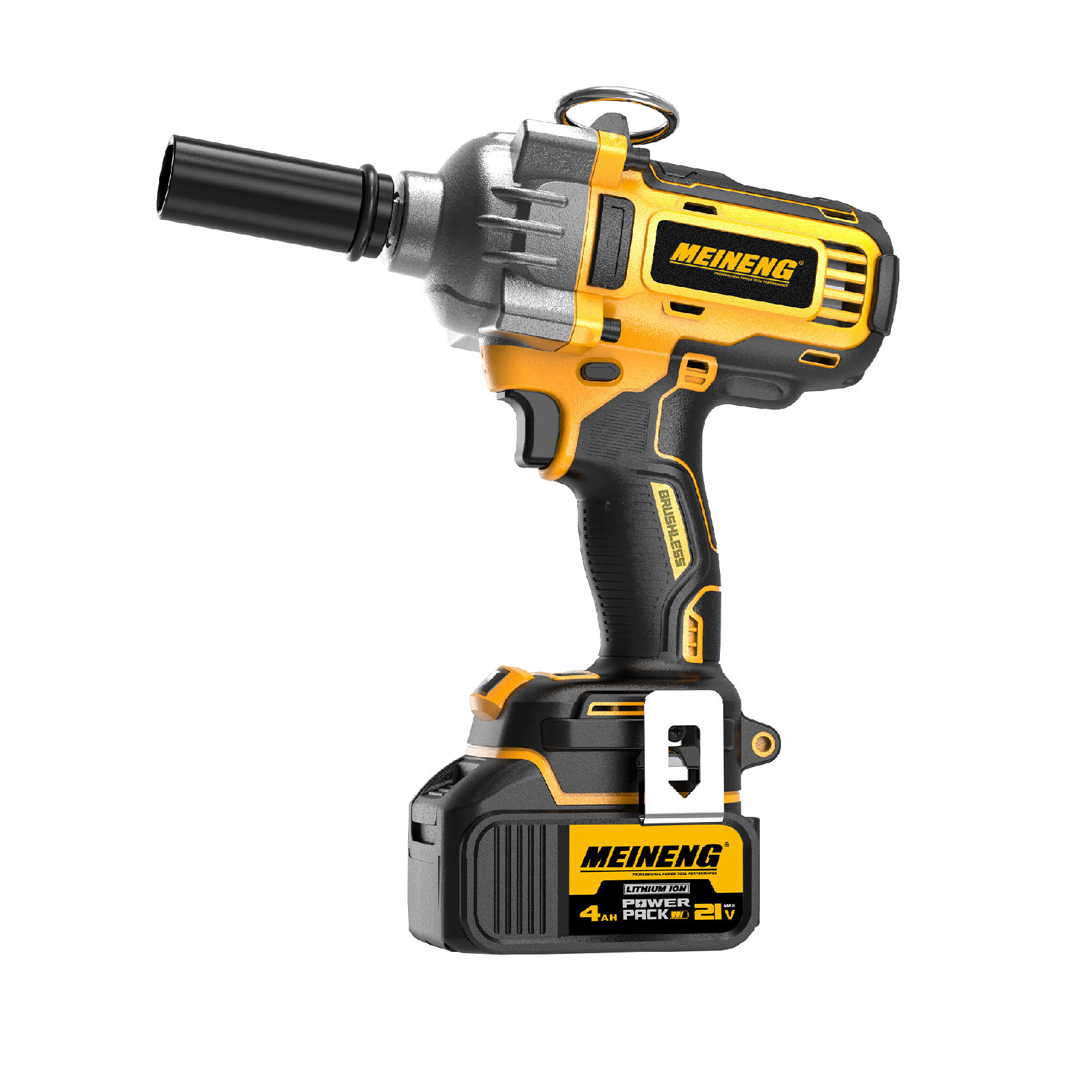 A compact 18V impact driver with integrated LED and fast-charge lithium-ion battery.
Credit: smartbuy.alibaba.com
Key Features That Decide Real-World Performance
Power And Torque: More Than Just a Number
Torque is the twisting force that drives a screw or breaks a bolt loose. Most mid-range impact drivers deliver between 1,200 and 2,000 inch-pounds (in-lbs) of torque. In practice, anything above 1,500 in-lbs handles deck screws and lag bolts with ease, while heavy automotive work often benefits from 2,000 in-lbs or more. Don’t assume the highest number is always best — excessive torque on small fasteners can snap screw heads or strip threads. A common mistake is ignoring the difference between peak torque and sustainable working torque; the peak figure is measured in a burst, not over a continuous operation. If you regularly drive fasteners over 3 inches into hardwood, look for a driver that maintains high torque under load without bogging down. For a deeper look at torque ratings and how they translate to real tasks, check our breakdown of torque requirements for driving fasteners. You can also read our guide on what to look for in a high torque impact driver.
Speed Settings And Variable Control
Most modern impact drivers offer two to three speed ranges, plus a variable-speed trigger. A low speed (0–1,200 RPM) gives you precision for delicate work like small screws in softwood or cabinet hardware, while a high speed (2,800–3,200 RPM) makes quick work of drilling pilot holes or driving deck screws. The real versatility comes from a trigger that lets you modulate speed by how far you squeeze it. In practice, a three-speed switch combined with a good trigger offers far better control than a single-speed tool with only a throttle. For tasks that require finesse — like setting screws flush without overdriving — look for a driver with an electronic brake that stops rotation the instant you release the trigger.
Battery Life, Voltage, And Platform Compatibility
Lithium-ion batteries dominate the market, and for good reason: they’re lighter, hold a charge longer, and don’t develop the memory issues of older nickel-cadmium cells. Most impact drivers use 12V, 18V, or 20V batteries (18V and 20V Max are effectively the same under load — 20V Max is the peak voltage before use). For occasional DIY work, a 2.0Ah battery often suffices; for sustained driving or heavy materials, a 4.0Ah or 5.0Ah pack keeps you working longer. Charging speed matters, too — some chargers replenish a depleted 5.0Ah pack in under 45 minutes, while others take two hours. One of the smartest buying decisions is choosing a battery platform you can stick with across multiple tools. A beginner’s starter kit often includes an impact driver, drill, and charger that share the same batteries, saving significant money over time.
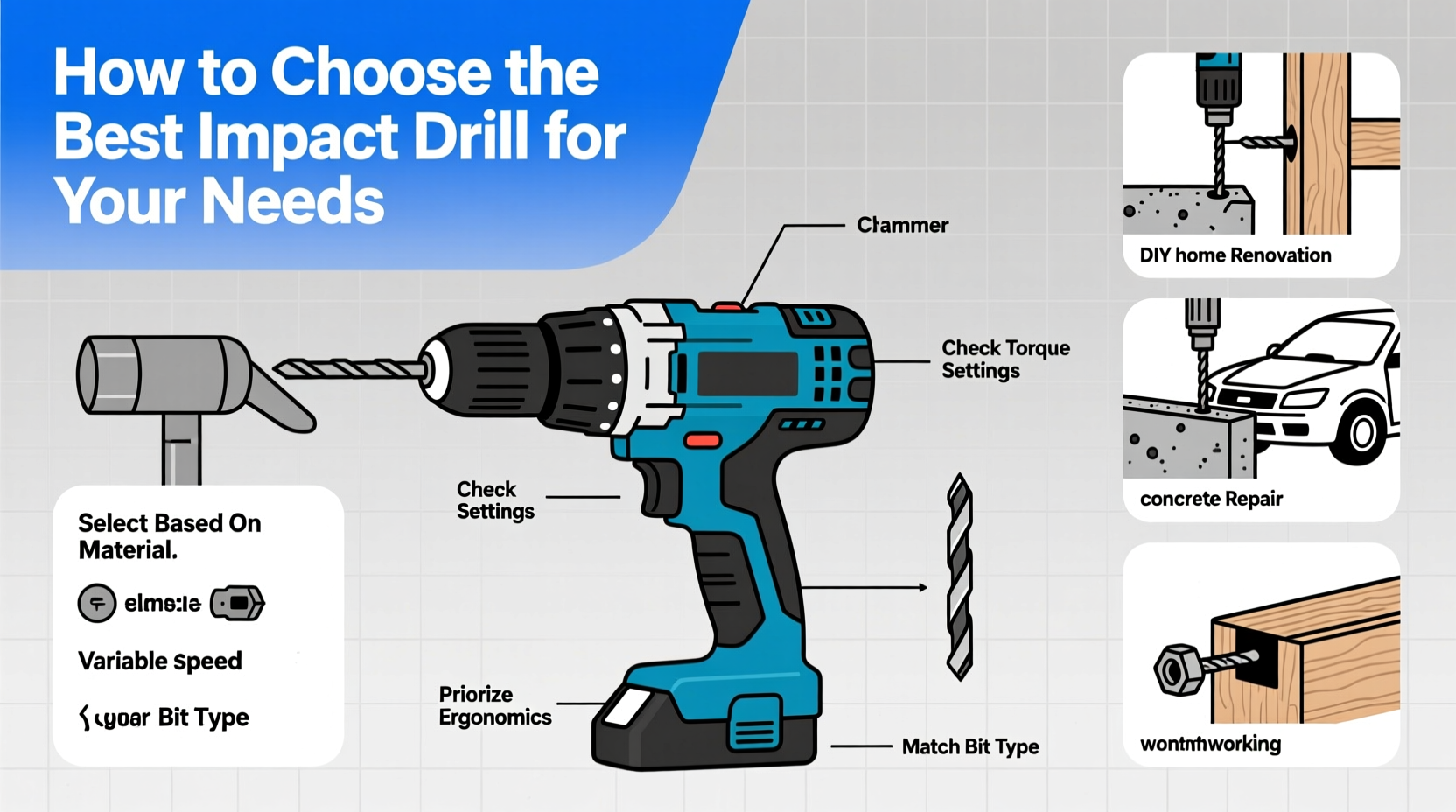 A lightweight model with short head length, ideal for tight corners and overhead work.
Credit: smartbuy.alibaba.com
Ergonomics, Weight, And Grip
Impact drivers get used in awkward positions — overhead, in cabinet corners, or on a ladder — so weight and balance matter far more than spec sheets suggest. Compact models often weigh under 3 pounds with a battery, while heavy-duty versions can exceed 4.5 pounds. A rubber over-molded grip, a textured handle, and a well-placed center of gravity reduce hand fatigue during long repetitive tasks. Equally important is the location of the forward/reverse switch; a one-handed switch you can toggle with your thumb without shifting grip is a genuine productivity booster. If you have smaller hands, some manufacturers now offer slim-handle designs that improve control — and there’s a growing range of tools specifically tailored for comfort and reduced vibration, something we cover when discussing tools built for smaller grips.
Chuck Size And Bit Compatibility
The industry standard is a 1/4-inch quick-release hex chuck, which lets you swap bits in seconds without a key. However, not all bits are created equal. Standard drill bits can shatter under the hammering action of an impact driver, so always use impact-rated bits — they have a thicker shank, a torsion zone that absorbs shock, and a darker, often manganese-phosphate coating. A common misunderstanding is that an impact driver can replace a traditional drill for all tasks; while it excels at driving fasteners, it lacks a keyed chuck for precise hole drilling. Understanding whether an impact driver can substitute for a drill will save you from damaged workpieces. Check that your driver accepts the bit sizes you already own, and consider investing in a magnetic bit holder for faster one-handed changes.
Brushless Motors: Worth The Extra Cost?
Brushless motors use electronic circuitry to eliminate the friction and wear of carbon brushes. The result is longer motor life, more runtime per charge, and noticeably less heat. For a DIYer who uses the tool a few times a month, a brushed motor works fine and costs less. But if you’re framing, building a deck over a weekend, or working in a shop daily, a brushless motor pays for itself in battery efficiency and durability. Most premium models from the industry leaders now ship brushless as standard.
Types Of Impact Drivers And When Each Excels
Corded Vs Cordless
Corded impact drivers plug directly into an outlet and deliver consistent power without battery fade — a real advantage for production-line work or heavy timber framing where you’re driving hundreds of lag screws. The trade-off is mobility: you’re tethered to a cord and often an extension reel. Cordless models dominate the market because they let you move anywhere, from attic to crawlspace to the far end of a yard. If you need help deciding between corded and cordless, our side-by-side comparison of the two power sources walks through maintenance, cost, and real-world convenience.
Compact 12V And Sub-Compact 18V Models
Compact impact drivers have a head length under 6 inches and weigh just over 2 pounds. They’re perfect for cabinet installers, electricians working inside junction boxes, and anyone who frequently works inside tight spaces or overhead. Sub-compact 18V models aim to deliver the power of a full-size driver in a frame nearly as small as a 12V tool. Don’t underestimate these — a modern sub-compact with a brushless motor can drive 3-inch screws into maple without hesitation.
Mid-Range And Heavy-Duty Drivers
For general home improvement — building fences, hanging drywall, assembling heavy furniture — a mid-range 18V driver with 1,500–1,800 in-lbs of torque handles nearly everything. Heavy-duty options push beyond 2,200 in-lbs, often with a 1/2-inch square drive that accepts impact sockets for automotive lug nuts. These are the tool of choice if you work on pickup trucks, tractor pins, or timber framing where a half-second of extra power makes the difference. When you’re ready to compare models built for professional environments, our guide to a high-torque model’s key features breaks down what separates top-tier tools from the pack.
Specialized Impact Drivers For Common Tasks
Not every impact driver is optimized the same way. Woodworkers benefit from precise speed control and a light touch to avoid cam-out; models tailored for joinery often include a self-tapping screw mode that backs off once the screw seats flush. We maintain an updated list of top-rated woodworking drivers that excel at fastening without splitting timber. For automotive work, look for a driver with a high IPM (impacts per minute) rating and a dedicated socket-ready anvil. Our curated picks for garage and engine bay work focus on corrosion-resistant housings and breakaway torque. And if your primary task is driving long construction screws into framing lumber or composite decking, a driver designed for consistent screw tightening with minimal wrist snap is a game-changer.
Top Brands And What They Do Best
Industry Leaders
DeWalt, Makita, and Milwaukee continue to dominate professional job sites because their battery ecosystems are vast and their brushless motors are tuned for durability. Milwaukee’s M18 Fuel line emphasizes extreme torque, Makita’s XDT series focuses on precision and lightweight balance, and DeWalt’s XR line bridges the two with broad compatibility. Each brand offers an app-based tool tracking system, but in practice, the differences come down to hand feel and which battery platform you already own.
Budget-Friendly Picks
Ryobi’s One+ system and Black+Decker’s 20V MAX lineup deliver solid performance for DIY projects at a fraction of the price. These tools are lighter and often less refined in trigger response, but for building raised beds, assembling flat-pack furniture, or occasional deck repairs, they’re completely adequate. The main compromise is shorter battery life under continuous heavy load; keeping a spare battery on hand solves the issue for most weekend users.
New Releases Worth Watching In 2026
The latest models from Bosch and Metabo HPT now include automatic tool-speed adaptation, where the driver senses load and adjusts RPM instantly — ideal for preventing overdriving. Bluetooth-enabled impact drivers that link to a phone app for tool lockout, runtime tracking, and customizable torque profiles are becoming available even in the mid-range segment. If you’re buying now, check for updated battery chemistries that allow faster cooling, which noticeably extends the work cycle during continuous use.
Accessories That Make the Tool Complete
Bits and Sockets
Always choose impact-rated insert bits and sockets. Look for S2 modified steel with a torsion zone — it’s visibly thicker near the shank and designed to flex instead of fracturing. A starter set of Phillips #2, square drive #2, and Torx T25 bits covers 80% of common fasteners. Magnetic nut drivers (1/4″, 3/8″, 1/2″) turn your impact driver into a rapid light-duty wrench for hex-head screws and small bolts.
Battery Chargers And Spare Packs
A rapid charger that supports both 18V and 20V batteries and provides a charge-level indicator is worth the extra investment. If your work stretches across a full day, owning two batteries allows you to keep working while one charges — a simple productivity tip that prevents downtime. Pay attention to chargers with a fan-cooling feature; they protect battery cells from overheating and significantly lengthen overall battery lifespan.
Carrying Cases And Belt Clips
A form-fitted case with molded inserts keeps the driver, charger, and bit sets organized and protected from job-site dust and moisture. Many kits now include soft-sided cases with shoulder straps that are easier to carry on foot. A sturdy belt clip, often made of reinforced steel, lets you hang the tool close by when climbing ladders or moving across a site.
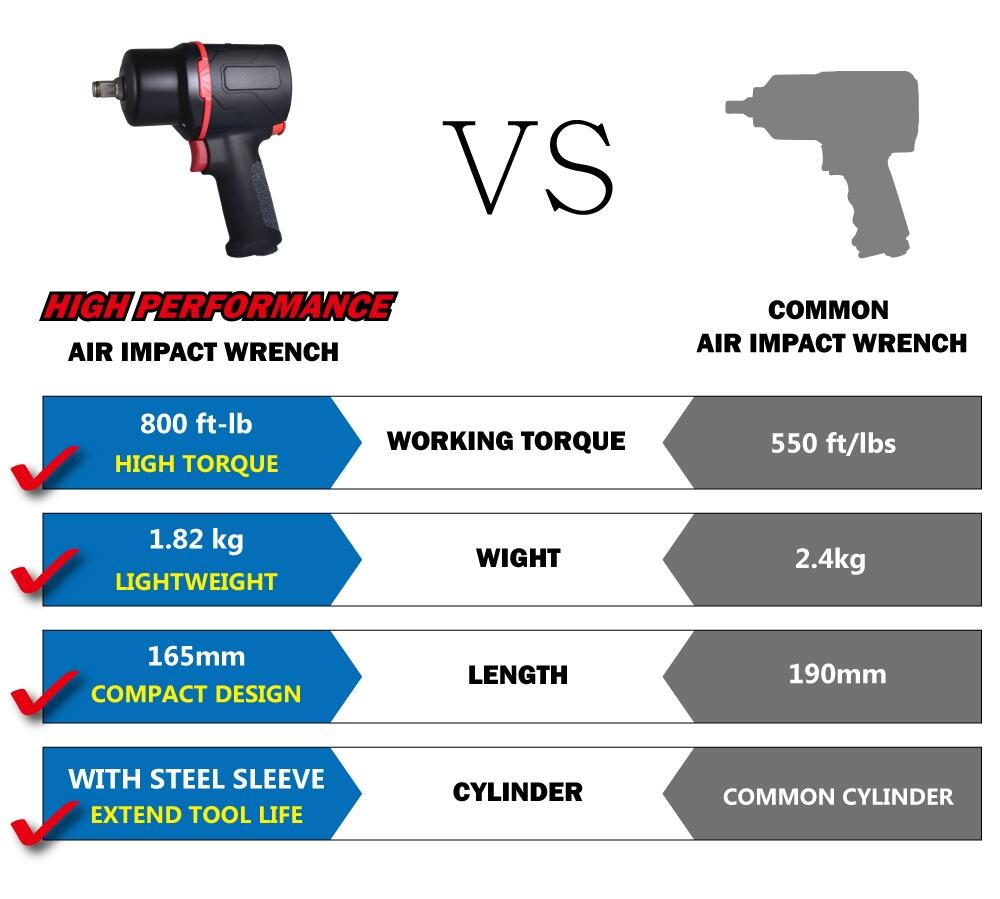
Credit: www.lematec-tools.com
Add-ons That Improve Daily Use
Built-in LED work lights positioned around the chuck are now standard and genuinely useful in dark cabinets or under the dash. Some high-end models offer multiple LED modes — constant on, momentary, or strobe. Belt hooks, adjustable exhaust vents that keep debris away from your face, and replaceable bit holders are small touches that make a big difference during an eight-hour workday.
Budgeting And Long-Term Value
Price Ranges For Core Segments
Entry-level impact driver kits (tool, battery, charger) start around $70–$100, often from house brands or big-box store exclusives. The $120–$200 bracket gets you a well-built brushless tool with a larger battery and a fast charger — this is the sweet spot for most DIYers and semi-pros. Professional-grade kits with high-capacity batteries and advanced electronics run $250–$400, but they’re engineered to endure daily use for years.
Warranty, Service, And Support
Reputable brands back their tools with warranties ranging from three years to a lifetime on the tool body, though batteries typically carry a separate one- to three-year warranty. Before you buy, verify that an authorized service center exists near you; a five-year warranty means little if you have to ship the tool across the country. Good customer support — fast phone response, clear parts availability, and repair tracking — is a sign of a company that stands behind its product.
Total Cost Over The Tool’s Life
A cheap driver with proprietary batteries that cost nearly as much as the tool itself is a false economy. Factor in the price of extra batteries, replacement brushes (if brushed), and the availability of generic-compatible bits. Durable impact drivers last upwards of a decade with proper care, so a modest upfront premium often translates to far lower annual cost than buying a new budget tool every two years.
Safety Tips And Maintenance For Long-Term Reliability
Everyday Safe Use
Wear ANSI-rated safety glasses — an impact driver can shoot debris at high speed, especially when driving near knots or in metal. Secure the workpiece with a clamp or vise whenever possible; holding a piece by hand while driving large fasteners is a common way to get injured. Keep loose clothing, long hair, and jewelry away from the chuck, and never carry the tool by the trigger. For a complete overview of powered tool handling, refer to federal safety guidelines for power tools, which apply to job sites and home workshops alike.
Cleaning, Storage, And Battery Care
After each project, blow out the air vents with compressed air — dust buildup causes overheating. Wipe the body with a dry cloth; avoid solvents that can degrade rubber grips. Store lithium-ion batteries at room temperature and never leave them in direct sunlight or a freezing garage for weeks. A battery stored at roughly 50% charge degrades more slowly than one kept fully charged, which is why many chargers now include a storage-charge mode.
Troubleshooting Common Issues
If the motor hums but the bit doesn’t turn, the trigger or battery contacts may need cleaning. A sticking quick-release collar usually means accumulated debris — a few drops of light machine oil and working the collar back and forth often restores smooth operation. If the driver shuts off during heavy use, the internal overload protection likely tripped; let the tool cool, then try again. Unusual grinding or rattling sounds mean it’s time to inspect the gear case or brush assembly.
Frequently Asked Questions
What features should I look for in an impact driver?
Focus on torque rating (at least 1,500 in-lbs for most tasks), variable speed, brushless motor, and a comfortable grip. Battery compatibility and charger speed are equally important if you use other cordless tools.
How do I choose the right battery for an impact driver?
Pick a lithium-ion pack with at least 2.0Ah for light use, 4.0Ah–5.0Ah for extended work. Stick to one battery platform across your tools so you can share packs and chargers.
What is the difference between impact drivers and drills?
A drill uses constant rotational force and is better for boring clean holes, while an impact driver delivers concussive blows that drive fasteners with vastly more torque and less wrist strain. The key differences between cordless drills and impact drivers affect which tool you grab first for a given job.
Can I use any bits with an impact driver?
No. Always use impact-rated bits with a torsion zone. Standard bits can snap under the rapid blows, causing injury or damaging the workpiece.
Are brushless motors worth it for a DIYer?
If you use the tool regularly or value longer runtime from a single charge, yes. For occasional weekend use, a brushed motor still performs reliably and saves money upfront.
Conclusion
Choosing an impact driver doesn’t have to feel like a gamble. Start by matching torque and speed to the materials you work with most. Prioritize ergonomics and battery platform — the tool that feels balanced in your hand and shares batteries with your existing collection will see far more use than a spec-sheet champion that gathers dust. Pay attention to bit compatibility, invest in a rapid charger and a spare battery, and pick a brand with solid local support. With these criteria in place, you’ll bring home a driver that makes every project faster, safer, and genuinely enjoyable. If you’re ready to compare specific models, explore our roundups for woodworking, automotive work, and professional-grade kits to find the perfect fit for your next job.

Ms.Sultana
Affiliate Marketer | SEO Specialist | Blogger at Elite Global Marketing Agency
Ms.Sultana brings over 16 years of expertise working with global Clients by providing different skills and Services. For the last 5 years working as an Affiliate marketer, specializing in high-ticket campaigns that drive exponential growth. She holds a degree in Computer Science and Engineering as well as achieved many more skills certificates from different institute/academies/Platform. As part of the Elite Global Marketing team, Sultana has helped clients generate millions in revenue through strategic partnerships, innovative funnels, and data-driven insights. She’s passionate about empowering businesses to scale by connecting them with the right affiliate opportunities.
Explore our resources or connect with us on LinkedIn to stay ahead in affiliate marketing.