Choosing the right saw for wood cutting can make all the difference between a smooth, precise cut and a frustrating, messy job. You might think all saws are the same, but picking the wrong one can waste your time and effort.
What if you had a simple way to know exactly which saw fits your project and skill level? You’ll discover how to select the perfect saw that matches your needs, saves you energy, and gives you professional results every time.
Keep reading to unlock the secrets of smart saw shopping and take your woodworking to the next level.
Types Of Saws For Wood
Choosing the right saw for wood cutting starts with knowing the types available. Each saw fits different tasks and skill levels. Understanding these can save time and improve your results.
Some saws are simple and manual, while others are powered and more precise. Each has unique features for specific cuts and wood types. Let’s explore the main types of saws for wood.
Hand Saws
Hand saws are basic tools for simple cuts. They are easy to use and require no power. Ideal for small projects and quick fixes. They give control for straight or curved cuts.
Circular Saws
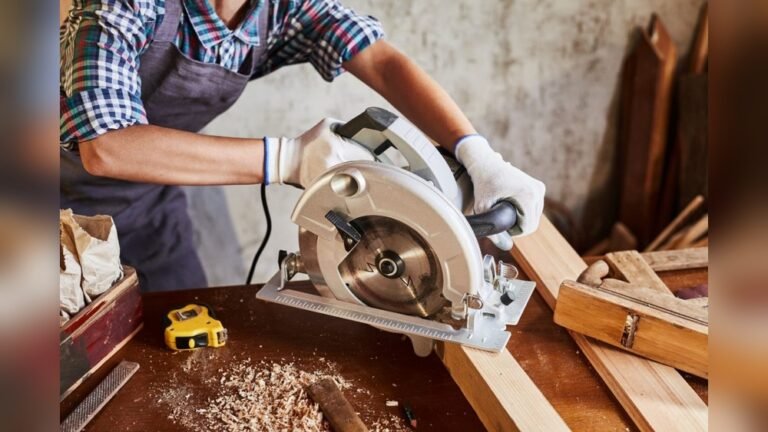
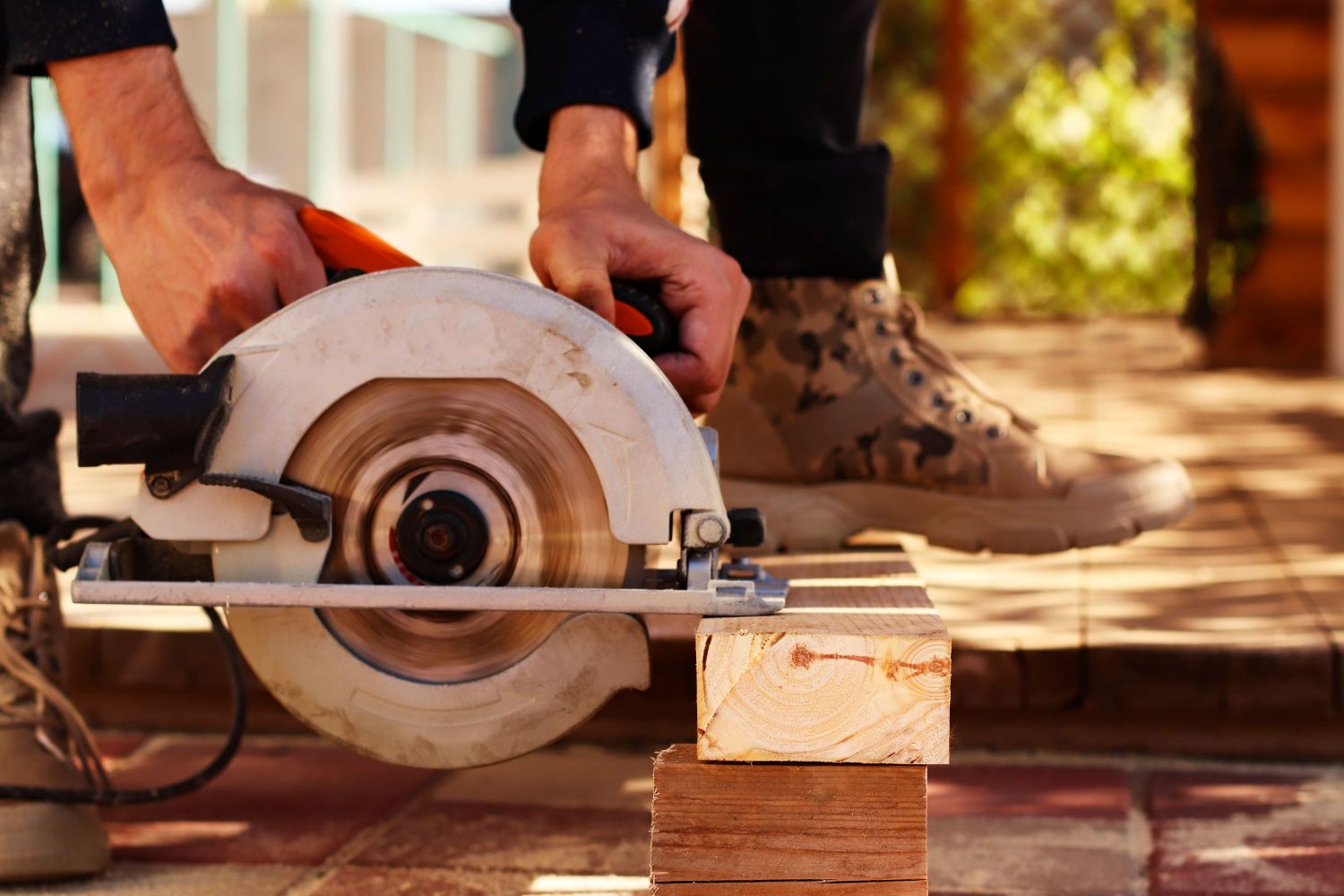
Circular saws use a spinning blade to cut wood fast. They work well for long, straight cuts. Portable and powerful, suitable for various wood thicknesses. Great for cutting plywood and lumber.
Jigsaws
Jigsaws have a small blade that moves up and down. Perfect for detailed cuts and curves. Easy to handle and safe for beginners. Works well on thin wood and complex shapes.
Miter Saws
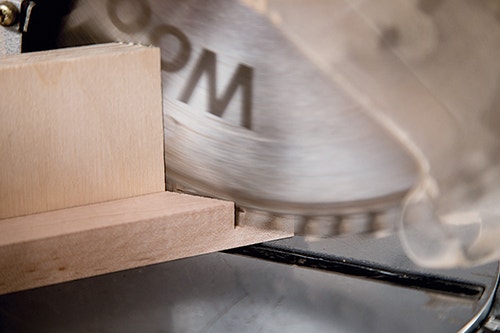
Miter saws cut wood at precise angles. Used mainly for frames and trim work. They swivel to create angled cuts quickly. Ideal for molding and corner joints.
Table Saws
Table saws have a blade fixed on a table surface. Wood is pushed through the blade for straight cuts. Used for large pieces and repeated cuts. Offers accuracy and speed for bigger projects.
Band Saws
Band saws have a long, continuous blade in a loop. They cut curves and irregular shapes easily. Good for resawing thick wood. Useful for detailed and creative woodworking.
Credit: poizatprimeur.fr
Factors To Consider
Choosing the right saw for wood cutting depends on several important factors. These factors help you pick a saw that fits your project needs and skill level. Understanding each one ensures better results and safer work.
Type Of Wood
Different woods need different saws. Hardwoods like oak require strong, durable blades. Softwoods like pine cut easily with lightweight saws. Consider wood thickness and grain. Some saws work better on rough cuts. Others offer smooth finishes for fine woodworking.
Cutting Precision
Precision matters for detailed work. A saw with a thin blade offers cleaner cuts. It helps avoid splintering and waste. For rough cuts, a wider blade works fine. Think about the project’s detail level. Choose a saw that matches your precision needs.
Portability
Portability matters if you move a lot. Cordless saws are easy to carry and use anywhere. They need batteries but offer freedom. Stationary saws are heavier but more stable. Consider where you will work most. Pick a saw that matches your mobility needs.
Power Source
Saws use different power sources: electric, battery, or manual. Electric saws are powerful but need an outlet. Battery saws offer convenience without cords. Manual saws are quiet and simple but need more effort. Choose power based on your work environment and energy access.
Budget
Price affects saw features and quality. Higher-priced saws offer better durability and performance. Budget saws work for light or occasional use. Balance cost with your project demands. Spend wisely to get value and reliability.
Choosing Based On Project
Choosing the right saw depends a lot on the type of project you plan to do. Different projects need different saws to make the job easier and the cuts cleaner. Picking the correct saw helps you save time and get better results. Think about what you want to build or cut first. This will guide your choice of saw.
Each project has its own cutting needs. Some require rough cuts, while others need very fine and precise cuts. Knowing these needs helps you select the saw with the right blade and power.
Furniture Making
Furniture making needs smooth, accurate cuts. Choose saws that offer control and fine cutting. A jigsaw or a fine-tooth handsaw works well for curves and shapes. For straight cuts, a table saw or a miter saw is best. These tools help create neat edges and perfect joints.
Framing And Construction
Framing and construction use large pieces of wood. Saw speed and power are important here. Circular saws and reciprocating saws are good choices. They cut quickly through thick wood. The focus is on speed and rough cuts, not fine detail.
Detail And Craft Work
Small, detailed projects need precision. Scroll saws and coping saws work well for these jobs. They cut tiny shapes and fine lines. These saws let you work slowly and carefully. They help make clean, delicate cuts in thin wood.
Rip Cuts Vs Cross Cuts
Rip cuts go along the wood grain. Use a saw with fewer teeth for rip cuts. It removes wood faster. Cross cuts go across the grain. Saws with more teeth give smoother edges here. Choose a saw based on the type of cut you need.

Credit: www.keybladesfixings.co.uk
Blade Selection Tips
Selecting the right blade for wood cutting is key for clean and efficient cuts. The blade affects speed, smoothness, and control. Understanding blade types helps you make smart choices. Focus on tooth count, blade material, and special blades for best results.
Tooth Count And Size
Blades have different numbers of teeth. More teeth mean smoother cuts but slower work. Fewer teeth cut faster but leave rough edges. Large teeth remove wood quickly but can tear soft wood. Small teeth work well on hard wood and fine cuts. Choose tooth size and count based on the wood type and finish you want.
Blade Material
Blade material affects sharpness and lifespan. High-speed steel blades are sharp but wear out faster. Carbide-tipped blades stay sharp longer and resist heat. Steel blades are cheaper but dull quickly. Carbide blades cost more but save time and effort. Pick a blade material that matches your project and budget.
Specialized Blades
Some blades are made for special tasks. Crosscut blades create smooth cuts across the wood grain. Rip blades cut along the grain for fast work. Combination blades handle both tasks fairly well. There are also blades for plywood, laminates, and fine finishing. Use specialized blades to improve cut quality and ease.
Safety And Maintenance
Safety and maintenance are key when using saws for wood cutting. They keep you safe and extend the life of your tools. Following simple steps can prevent accidents and keep your saw working well. Pay attention to protective gear, handling, blade care, and storage.
Protective Gear
Always wear safety glasses to protect your eyes from wood chips. Use ear protection to reduce noise damage. Gloves help prevent cuts but avoid loose gloves that catch in the saw. Wear a dust mask to avoid breathing sawdust. Dress in snug clothes to stop fabric from getting caught.
Proper Handling
Hold the saw firmly with both hands. Keep your fingers away from the blade path. Use a stable surface to cut wood. Never force the saw; let the blade do the work. Turn off and unplug electric saws before adjusting or cleaning. Stay focused and avoid distractions while cutting.
Blade Care
Check blades for dullness or damage before use. Sharpen blades regularly for clean cuts and less effort. Clean blades after use to remove resin and pitch. Lubricate blades to prevent rust and keep them moving smoothly. Replace blades that are bent or cracked immediately.
Storage Tips
Store saws in a dry, clean place to avoid rust. Use blade covers to protect sharp edges and prevent injuries. Hang saws on hooks or keep them in cases to avoid damage. Keep saws out of reach of children. Check saws before use after storage to ensure safety.
Credit: www.rockler.com
Budget-friendly Options
Choosing the right saw for wood cutting does not have to be expensive. Many budget-friendly options offer good performance and durability. You can find tools that fit your needs without spending too much money. These options work well for beginners and hobbyists who want to save.
Entry-level Saws
Entry-level saws are designed for beginners. They cost less but still cut wood effectively. Brands offer basic models that are lightweight and easy to handle. These saws work well for simple projects around the house. They usually come with fewer features but do the job well.
Used And Refurbished Tools
Used and refurbished saws can save a lot of money. Many sellers offer tools that look and work almost like new. Buying used requires checking the tool’s condition carefully. Refurbished saws are tested and repaired by professionals. These options give good value for the price.
Diy Alternatives
DIY alternatives use simple tools you might already have. For example, a handsaw can cut wood for small projects. You can also modify tools to fit your needs. These methods cost less and teach useful skills. DIY options suit those who want to work slowly and carefully.
Frequently Asked Questions
What Types Of Saws Are Best For Wood Cutting?
Different saws suit different tasks. Hand saws are ideal for small cuts. Circular saws work well for straight cuts. Jigsaws handle curves efficiently. Choose based on your project size and precision needs.
How To Choose A Saw Blade For Wood?
Select blades with more teeth for smoother cuts. Fewer teeth blades cut faster but rougher. Consider blade material and tooth design for durability and efficiency.
Is A Cordless Saw Good For Woodworking?
Cordless saws offer portability and ease of use. They are perfect for light to medium tasks. Battery life and power are key factors when choosing.
What Safety Gear Is Essential When Using Saws?
Always wear safety glasses to protect eyes. Use ear protection against loud noise. Gloves and dust masks help prevent injuries and inhalation of particles.
Conclusion
Choosing the right saw makes wood cutting easier and safer. Think about the type of wood and the cut you need. Consider the saw’s size, power, and ease of use. A good saw fits your project and skill level. Take your time to compare options before buying.
This helps you work better and finish projects faster. The right saw will save effort and give cleaner cuts. Trust your needs and pick a saw that feels right. Woodworking becomes more fun with the right tools.
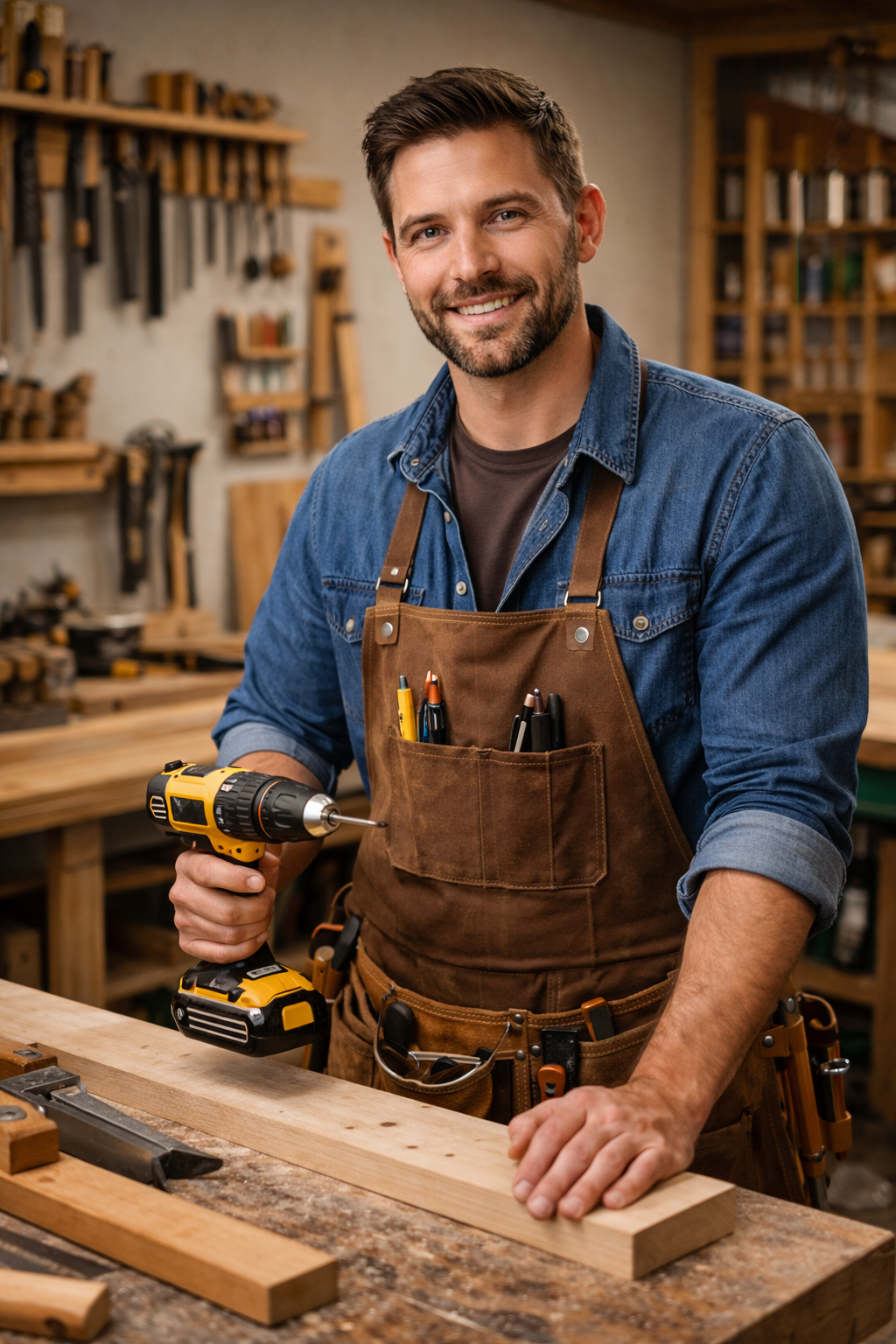
Michael Harris is an experienced woodworker and power tool expert with over 12 years in woodworking. Specializing in functional, high-quality furniture, he offers expert advice on tool selection, maintenance, and sharpening for both beginners and professionals.