Are your tools scattered everywhere, making it hard to find what you need when you need it? Imagine saving time and frustration by having every screwdriver, wrench, and drill perfectly organized and easy to reach.
You don’t have to be a professional to create a tool collection that works for you. You’ll discover simple, effective steps to organize your tools so your workspace stays neat and your projects get done faster. Ready to transform your clutter into order?
Let’s get started!

Credit: compactequip.com
Choosing The Right Storage
Choosing the right storage for your tool collection is important. It keeps tools safe and easy to find. The right storage saves space and protects your tools from damage. Think about the size and type of your tools. Also, consider the space where you will store them. Different storage options work for different needs.
Toolboxes Vs. Cabinets
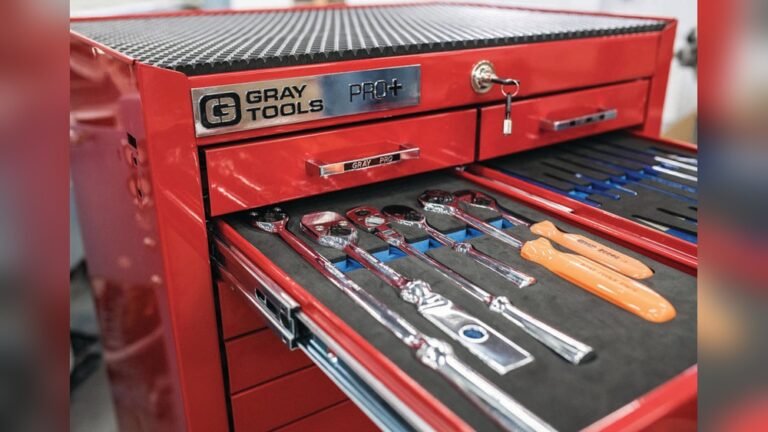
Toolboxes are great for small to medium collections. They are easy to carry and store. You can keep essential tools ready for quick use. Cabinets offer more space and better organization. They are perfect for large tool collections. Cabinets often have drawers and shelves for sorting tools. Choose a toolbox for mobility or a cabinet for more storage.
Wall-mounted Options
Wall-mounted storage saves floor space. Pegboards and hooks keep tools visible and accessible. This option helps organize frequently used tools. It works well in small workshops or garages. Tools stay off the ground and easy to grab. Wall-mounted racks keep work areas clean and safe.
Portable Storage Solutions
Portable storage is ideal for moving tools around. Rolling tool chests and carry cases offer flexibility. They protect tools during transport. Portable storage works well for jobs outside your workshop. Choose lightweight and durable options. These make it simple to bring tools to any job site.

Credit: knowhow.napaonline.com
Sorting Tools By Type
Sorting tools by type makes your collection easier to use and manage. Grouping similar tools helps you find what you need quickly. It also keeps your workspace tidy and saves time during projects. Start by separating tools into main categories. This method creates a clear system for organization.
Hand Tools
Hand tools include hammers, screwdrivers, wrenches, and pliers. These tools do not need power to operate. Keep them in a toolbox or on a pegboard. Organize by function or size for quick access. Use drawer dividers or small bins to avoid clutter.
Power Tools
Power tools use electricity or batteries to work. Examples are drills, saws, and sanders. Store them in sturdy cases to protect from damage. Place chargers and batteries nearby for convenience. Label each tool to avoid confusion during use.
Fasteners And Accessories
Fasteners include nails, screws, bolts, and nuts. Accessories cover drill bits, blades, and sandpaper. Store these small items in clear containers or jars. Sort by size and type to prevent mixing. Use a drawer organizer to keep everything in place.
Labeling And Inventory
Labeling and inventory are key steps to keep your tools organized. Clear labels help you find tools fast. An inventory tracks what you have and what you need. These steps save time and prevent tool loss. Start with simple methods that fit your style. Consistency makes your tool collection easy to manage.
Labeling Techniques
Use clear, easy-to-read labels for every tool. Write the tool name or purpose on each label. Use a permanent marker or printed labels to avoid fading. Color coding groups similar tools together. For example, red labels for electrical tools, blue for plumbing. Attach labels with tape, stickers, or tags. Label storage bins and drawers too. Keep labels simple and visible.
Creating A Tool Inventory
List every tool in your collection. Include tool name, quantity, and condition. Note where each tool is stored. Update the list when you add or remove tools. Use a notebook or spreadsheet to keep the list. Check the inventory regularly to track missing items. This helps you plan for repairs or replacements. A good inventory reduces clutter and confusion.
Using Digital Tools For Tracking
Digital tools make managing your inventory easier. Use apps or software designed for tool tracking. Enter tool details and storage locations. Take photos for easy identification. Set reminders for maintenance or loaned tools. Sync the inventory across your devices. Digital lists are easy to update and search. They save time and keep your tool collection organized.
Maximizing Workspace
Maximizing workspace is key to organizing tools effectively. A well-planned space helps you find tools fast. It also keeps your work area neat. Small changes can make a big difference in how you use your space.
Efficient Layout Planning
Start by grouping tools by type or use. Keep often-used tools within arm’s reach. Less-used tools can go in harder-to-reach spots. Clear surfaces help you work faster. Avoid clutter by only storing what you need. Plan a flow that matches your work style.
Utilizing Vertical Space
Use walls for storage to free up floor space. Pegboards are great for hanging tools. Shelves can hold boxes or bins for small items. Hooks and magnetic strips keep tools visible and easy to grab. Think up, not just out, to gain space. Vertical storage keeps tools safe and organized.
Ergonomic Considerations
Place heavy tools at waist height to avoid strain. Keep your workspace at a comfortable height. Use stools or mats to reduce fatigue. Arrange tools so you don’t bend or stretch too much. Ergonomics helps you work longer without pain. A safe setup protects your body every day.
Maintenance And Care
Taking care of your tools helps them last longer and work better. Regular maintenance keeps tools safe and ready for use. It also saves money by avoiding early replacements. Simple daily habits make a big difference. Follow these tips to maintain and care for your tool collection.
Regular Cleaning Routines
Clean your tools after every use. Wipe off dirt, dust, and grease with a dry cloth. For stubborn grime, use a mild soap and water solution. Dry tools thoroughly to prevent rust. Avoid leaving tools wet or dirty for long.
Remove rust spots quickly using steel wool or sandpaper. Keep cleaning supplies handy near your work area. A clean tool collection looks neat and works smoothly.
Tool Sharpening And Repairs
Dull tools can cause accidents and poor results. Sharpen blades, chisels, and cutting edges regularly. Use the right sharpening stone or tool for each item. Check handles and joints for cracks or damage. Fix loose parts with glue or screws.
Replace broken parts instead of ignoring them. Small repairs prevent bigger problems later. Well-maintained tools perform better and last longer.
Proper Storage Conditions
Store tools in a dry, cool place to avoid rust and damage. Use toolboxes, pegboards, or shelves to keep tools organized. Keep sharp items covered or sheathed for safety. Avoid overcrowding to prevent scratches and dents.
Use silica gel packs or rust inhibitors in enclosed spaces. Label storage spots to find tools quickly. Proper storage protects your tools and saves time searching.
Safety Tips
Safety is key when organizing your tool collection. Keeping tools safe protects you and others from accidents. Simple safety tips help create a secure workspace. Follow these steps to handle and store tools safely.
Safe Handling Practices
Always wear gloves and eye protection while using tools. Hold tools firmly to avoid slips and injuries. Use the right tool for each task to prevent damage. Keep blades sharp to reduce the force needed. Never carry sharp tools with the blade pointing out.
Secure Storage For Dangerous Tools
Store sharp and heavy tools in locked cabinets or boxes. Use tool racks or pegboards to keep tools visible and off the floor. Label storage areas clearly to avoid confusion. Check locks and storage regularly to ensure safety. Avoid leaving dangerous tools unattended in common areas.
Childproofing Your Tool Area
Keep tools out of reach of children at all times. Use childproof locks on all tool storage units. Teach children that tools are not toys and can hurt them. Store batteries, chemicals, and sharp objects separately. Create a safe zone where kids cannot enter without permission.
Credit: zerotools.com.au
Frequently Asked Questions
What Is The Best Way To Sort Tools By Type?
Sorting tools by type helps in quick identification and access. Group similar tools like wrenches, screwdrivers, and hammers. Use labeled bins or drawers to keep each category separate and organized. This method saves time and reduces clutter in your workspace.
How Can I Maximize Space For Tool Storage?
Maximize space by using vertical storage solutions like pegboards and wall-mounted racks. Use stackable bins and drawer organizers to keep smaller tools tidy. Efficient use of space keeps your tool collection accessible and neat.
What Are Effective Labeling Tips For Tools?
Label tools clearly using durable tags or stickers. Use large, readable fonts and consistent colors for categories. Proper labeling speeds up tool retrieval and maintains organization over time.
How Often Should I Declutter My Tool Collection?
Declutter tools every 6 to 12 months. Remove broken, duplicate, or unused tools. Regular decluttering prevents overcrowding and ensures your collection stays manageable and functional.
Conclusion
Organizing your tool collection makes finding tools quick and easy. A neat space saves time and reduces frustration. Sort tools by type and size to keep order. Use clear labels and proper storage solutions for best results. Regularly check and tidy your collection to maintain order.
A well-organized tool area helps you work better and enjoy projects more. Start small and build your system step by step. Keep it simple, and your tools will always be ready when you need them.

Michael Harris is an experienced woodworker and power tool expert with over 12 years in woodworking. Specializing in functional, high-quality furniture, he offers expert advice on tool selection, maintenance, and sharpening for both beginners and professionals.