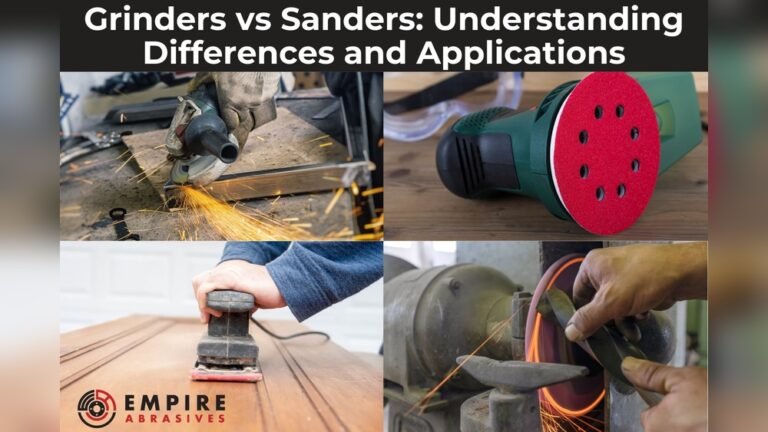
When it comes to grinding tools, you might be wondering which one suits your needs better: an angle grinder or a bench grinder. Both have their strengths, but choosing the right one can save you time, effort, and frustration.
If you want to get the best results for your projects and avoid costly mistakes, this guide will help you understand the key differences. Keep reading to discover which grinder fits your work style and how to make the most out of your investment.
Your perfect tool is closer than you think.
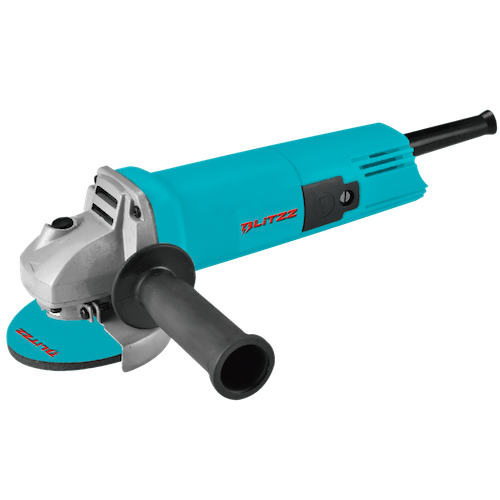
Credit: powerblitzz.com
Angle Grinder Features
Angle grinders are versatile tools that many people keep in their toolkits. They work well for cutting, grinding, and polishing various materials. Understanding their key features can help you decide if an angle grinder suits your needs.
Design And Portability
Angle grinders have a compact design. They are handheld tools with a rotating disc on the front. This design makes them easy to carry and use in tight spaces. You can take them to different job sites without trouble. Their lightweight build helps reduce fatigue during long tasks.
Power And Speed
These tools come with motors that run at high speeds. Most angle grinders spin between 6,000 and 10,000 RPM. This speed allows quick cutting and grinding. The power ranges from 500 to 2,500 watts. Higher power means the tool can handle tougher materials.
Common Attachments
Angle grinders use different attachments for varied jobs. Cutting discs slice through metal and tile. Grinding wheels smooth rough edges or welds. Wire brushes remove rust or paint. Sanding pads prepare surfaces for painting or finishing. Changing attachments is simple and fast.
Safety Considerations
Using an angle grinder requires care. Always wear eye protection to guard against sparks and debris. Use gloves to protect your hands. Keep the guard in place to shield against accidental contact. Work in a well-ventilated area to avoid dust build-up. Follow manufacturer instructions for safe operation.

Credit: www.seesiius.com
Bench Grinder Features
Bench grinders are powerful tools made for sharpening, shaping, and polishing metal. They sit on a workbench and offer steady support during use. Their design and features help users work with precision and safety. Understanding these features helps in choosing the right grinder for your needs.
Design And Stability
Bench grinders have a strong base to prevent movement during use. This stable design reduces vibrations, making grinding smoother. The tool usually has adjustable tool rests to hold materials steady. It helps keep hands safe and work accurate. The compact shape fits well on most workbenches.
Grinding Wheels And Types
Bench grinders come with two wheels, often of different types. Common wheels include coarse for rough grinding and fine for smooth finishing. You can swap wheels to match specific tasks. Some grinders allow different wheel sizes for more flexibility. This variety lets users handle many metalwork jobs easily.
Power And Speed
Bench grinders typically have motors between 1/3 to 1 horsepower. They operate at speeds from 1,700 to 3,600 RPM. Higher speed means faster material removal but less control. Lower speed offers more precision and safety. Choosing the right power and speed depends on the project needs.
Safety Features
Safety is key in bench grinders. Most models include clear eye shields to protect from sparks and debris. Spark guards help keep the work area clean and safe. Some have automatic shut-off switches for emergencies. Tool rests and wheel guards reduce the risk of accidents. These features make bench grinders safer for regular use.
Key Differences
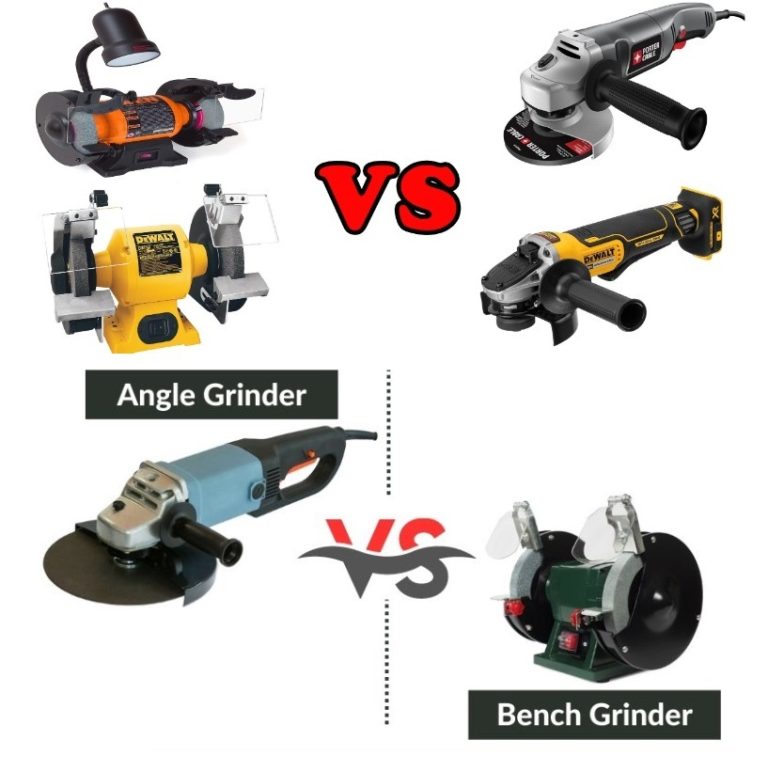
Understanding the key differences between an angle grinder and a bench grinder helps you choose the right tool. Each tool suits different tasks and work environments. Knowing their strengths and limits improves your work quality and safety.
Mobility And Use Cases
Angle grinders are portable and easy to move around. You can use them on walls, pipes, and metal sheets. Bench grinders stay fixed on a workbench. They work best for sharpening tools and shaping small metal parts.
Precision And Control
Bench grinders offer better control for detailed work. They have a steady base that reduces vibrations. Angle grinders can be harder to control during fine tasks. They work well for quick cuts and rough grinding.
Versatility And Attachments
Angle grinders accept many attachments like cutting wheels and brushes. This makes them useful for cutting, grinding, and polishing. Bench grinders mostly use grinding wheels. They focus on sharpening and smoothing tasks.
Maintenance Requirements
Bench grinders need regular wheel dressing to keep them sharp. Angle grinders require checking discs for wear or damage. Both tools need cleaning and occasional part replacement. Proper care extends tool life and ensures safety.
Credit: www.rockpower.com.cn
Choosing The Right Grinder
Choosing the right grinder is important for your work quality and safety. Both angle grinders and bench grinders serve different purposes. Picking the best one depends on what you plan to do, your budget, and your workspace. Understanding these factors helps you get the right tool for your needs.
Project Types And Applications
Angle grinders work well for cutting, grinding, and polishing metal, stone, or tile. They are great for outdoor or mobile jobs. Bench grinders are best for sharpening tools and shaping metal. They stay in one place and provide steady power. Choose based on the tasks you do most often.
Budget Considerations
Angle grinders usually cost less but may need extra discs for different jobs. Bench grinders are more expensive but last longer and handle heavy work. Think about how often you will use the grinder. A higher price may be worth it for daily use.
Space And Setup
Angle grinders are small and easy to carry. They need less space and no fixed setup. Bench grinders require a stable surface and more room. They are heavier and stay in one spot. Your workspace size affects which grinder fits best.
Skill Level And Safety
Angle grinders need careful handling to avoid accidents. They spin very fast and can kick back. Bench grinders are safer for beginners due to steady speed and fixed position. Always wear safety gear and follow instructions to work safely.
Tips For Effective Grinding
Grinding is a task that needs care and skill. Using the right methods improves results and keeps you safe. Follow these tips for effective grinding. They help you work better and protect your tools.
Proper Handling Techniques
Hold the grinder firmly to control it well. Keep your hands steady and avoid sudden moves. Always wear safety gear like goggles and gloves. Let the tool do the work; do not press hard. Move the grinder smoothly over the surface. Stop if you feel the tool is overheating.
Selecting The Right Wheel
Choose a wheel that fits your grinder and job type. Use softer wheels for delicate materials. Harder wheels suit tough metals and heavy tasks. Check the wheel’s size and speed rating before use. Replace worn or damaged wheels immediately to avoid accidents.
Maintenance And Care
Clean the grinder regularly to remove dust and debris. Inspect the power cord and switches for damage. Lubricate moving parts as per the manual’s instructions. Store the grinder in a dry place to prevent rust. Regular checks keep the tool safe and efficient.
Maximizing Grinder Lifespan
Use the grinder only for its intended purpose. Avoid overworking the motor by taking breaks. Replace worn parts like brushes and wheels promptly. Keep the tool clean and dry after each use. Proper care helps your grinder last longer and perform well.
Frequently Asked Questions
What Is The Main Difference Between Angle Grinder And Bench Grinder?
An angle grinder is handheld and versatile for cutting and grinding. A bench grinder is stationary, ideal for sharpening and shaping tools. Each serves different purposes based on mobility and task precision.
Which Grinder Is Better For Metal Sharpening?
Bench grinders are better for metal sharpening. They provide stability and control for precise sharpening. Angle grinders are less suited for sharpening due to their speed and portability.
Can Angle Grinders Replace Bench Grinders?
Angle grinders cannot fully replace bench grinders. They excel in cutting and grinding but lack the stability for detailed sharpening tasks. Both tools complement each other depending on the job.
Are Bench Grinders Safer Than Angle Grinders?
Bench grinders are generally safer for stationary tasks due to fixed placement. Angle grinders require careful handling because of their high speed and mobility, increasing accident risk if misused.
Conclusion
Choosing between an angle grinder and a bench grinder depends on your needs. Angle grinders work well for quick, portable tasks. Bench grinders are best for steady, precise work at a fixed spot. Both have unique uses and safety tips.
Think about the projects you do most. Consider space, power, and ease of use. The right tool makes your work easier and safer. Now, you can decide which grinder suits you best. Simple tools, smart choices.
Michael Harris is an experienced woodworker and power tool expert with over 12 years in woodworking. Specializing in functional, high-quality furniture, he offers expert advice on tool selection, maintenance, and sharpening for both beginners and professionals.