

Sparks are an iconic part of angle grinder work, but they’re rarely harmless. Every flying particle represents a fire hazard, a potential burn, or tiny shards of abrasive and metal that can lodge in your skin or eyes. The good news is that with the right knowledge, you can dramatically reduce the volume and danger of sparks—even if you can’t eliminate them completely on certain materials. This guide lays out practical, field-tested strategies to control spark generation, protect yourself, and keep your workspace safe.
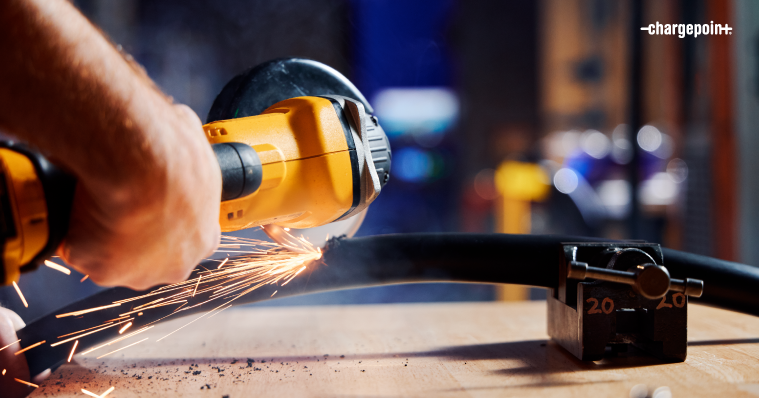
Credit: www.chargepoint.com
Heavy-duty protective gear and a stable stance are the first steps toward safer grinding.
Understanding Why Sparks Occur During Grinding
You cannot manage sparks effectively unless you know what creates them. An angle grinder operates by rotating an abrasive disc at high speed. When that disc contacts metal, it tears away microscopic particles. The immense friction heats those fragments until they glow and ignite as they fly off. The result is a stream of hot, rapidly moving metal shavings—sparks. You can also read our guide on angle grinder safety tips.
Material Composition Matters
Not all metals behave the same way. Hard, high-carbon steels and iron-based alloys produce copious, long‑trailing sparks because they are brittle enough to shatter into fine, heat‑prone dust. Softer metals like aluminum, brass, or magnesium create fewer visible sparks, but they can clog your disc and generate just as much heat. Rusty, painted, or dirty surfaces also increase sparking because the disc has to fight through a uneven, oxidized layer that fractures unpredictably. Whenever possible, clean the workpiece beforehand with a wire brush to cut down on unnecessary spark showers.
How the Abrasive Disc Contributes
The disc itself is a consumable abrasive that wears down with use. A dull, glazed disc stops cutting cleanly and begins to rub instead. That rubbing friction generates an enormous amount of excess sparking and heat. In practice, a common observation is that operators push harder when they feel the grinder slowing down, which only accelerates disc wear and sparks. Swapping to a fresh, sharp disc for the material instantly reduces the spark volume and makes the cut noticeably cleaner.
Selecting the Right Angle Grinder and Accessories
The decisions you make before pulling the trigger are just as important as your technique. Choosing a tool and attachments that match the task not only improves results but naturally suppresses spark output.
Picking a Grinder with Good Guarding and Control
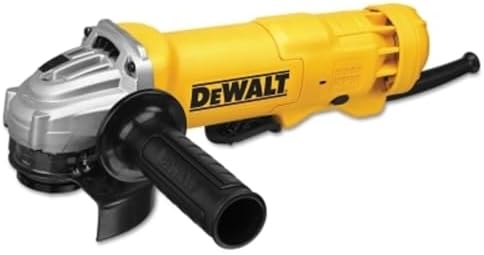
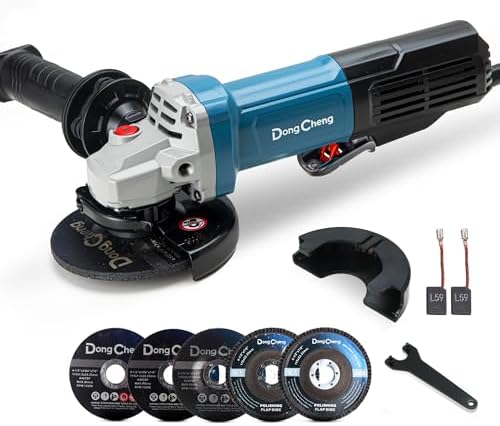
All modern grinders include a safety guard, but their designs vary. A well‑constructed guard that you can adjust without tools encourages you to position it correctly every time. Look for models where the guard clicks firmly into place and offers at least 180 degrees of coverage. While exploring affordable DIY-focused models, you’ll find that even budget‑friendly grinders today often come with robust guards and paddle switches that cut power instantly if you let go—an essential spark‑management feature.
compact, value‑priced grinders
Check from amazon below






Disc Choice: The Core of Spark Control
The type and condition of the disc directly determine how many sparks you’ll see.
- Abrasive grain type: Aluminum oxide discs are common but generate more friction and sparks on ferrous metals. Zirconia alumina blend discs stay sharper longer and cut cooler, which noticeably reduces glowing debris. Ceramic abrasive discs are also highly efficient at self‑sharpening and produce fewer sparks over a long job.
- Grit and thickness: A thick, coarse grinding disc (24–36 grit) will remove material aggressively but throw substantial sparks. When task versatility allows, use a flap disc for light grinding—it creates a shearing action instead of a grinding action, dramatically limiting sparks.
- Cut‑off wheels vs. grinding wheels: People often grab a thick grinding wheel for everything, but if you’re cutting a bolt or sheet metal, a thin cut‑off disc produces far fewer sparks. The trade‑off is that cut‑off discs are more fragile, so never twist the tool while they’re in the cut.

Credit: www.ebay.com
A modern, high‑performance abrasive disc can lower spark generation just by staying sharp longer.
Safety Guards Are Non‑Negotiable
Never remove or bypass the guard. It’s the simplest barrier between the spark stream and your body. Adjust the guard so that sparks are deflected away from you and toward a safe direction—typically down and to one side. Regulations from OSHA’s abrasive wheel grinder standard underline that guards must remain in position during all operations, and that simple rule alone prevents countless injuries each year.
OSHA abrasive wheel grinder guarding requirements
Safe Operating Techniques That Minimize Sparks
Even with perfect gear, how you handle the tool dictates how many sparks fly. Small technique changes often deliver instant, visible reductions.
Hold Steady and Use Both Hands
Always grip the grinder with two hands—one on the main handle, one on the side handle. A two‑handed stance stabilizes the disc and prevents it from bouncing off the surface, which is when spark bursts intensify. Before you start, be sure you’re thoroughly comfortable with the tool’s handling for cutting metal, because uncertain movements translate directly into erratic spark streams.
the tool’s handling for cutting metal
Work at the Correct Angle
Maintain the disc at a 15‑ to 30‑degree angle to the workpiece. With a grinding disc, dragging the edge at a shallow angle removes material without over‑engaging the abrasive, keeping sparks short and controlled. Laying the disc flat or digging it in at a steep angle instantly multiplies friction and spark production. Changing the disc diameter also influences how sparks are thrown, so matching the grinder size to the job avoids having an oversized disc tear into the work.
disc diameter influences how sparks are thrown
Control Speed, Pressure, and Movement
Use the grinder’s speed settings—if you have variable speed—to stay in the disc’s optimal range. For most metal grinding, running at full RPM with light pressure works best. The instinct to press down hard is one of the most common mistakes we see. It overheats the disc, glazes the abrasive, and turns small sparks into a bright orange torrent. Instead, let the weight of the tool do the work. Keep the grinder moving in smooth, consistent passes; dwelling in one spot not only gouges the surface but also throws off a prolonged, dangerous spark curtain.
Controlling the Work Environment
Your surroundings can either contain sparks or fuel a disaster. Preparation is everything.
Clear Flammable and Combustible Materials
Walk around the work area and remove anything that can burn: rags, cardboard, paper packing, sawdust, paint cans, and solvents. A single unnoticed spark landing on a pile of oily shop towels can smolder for minutes before erupting. Vacuum or sweep up metal dust and combustible debris before you start. If you’re working in a garage or basement, push flammable cleaning chemicals at least 10 metres away.
Spark Barriers, Shields, and Containment
Position a welding blanket or fire‑resistant screen behind your workpiece to trap sparks before they travel. Some fabricators bolt a simple steel sheet in front of the grinding zone to block hot particles from reaching walls or stored items. If you work in one spot, a stationary bench grinder offers far better spark containment, but if portability is essential, portable shields that clamp to a workbench are a worthwhile add‑on. For horizontal grinding, aim the spark stream toward a floor free of debris and, if possible, a shallow metal tray filled with a little sand.
stationary bench grinder offers far better spark containment
Ventilation and Dust Management
Grinding creates fine metallic dust and abrasive particles that hang in the air, some of which are combustible. Work with doors open or use a fan to exhaust the air, but direct airflow so it doesn’t spread sparks into new areas. Never grind in an enclosed space full of stagnant, dust‑laden air. A smoke detector and a small extinguisher rated for class A/B/C fires should be within reach before the first spark flies. This level of preparation is part of the broader safety habits that translate to other spinning tools in your shop.
broader safety habits that translate to other spinning tools
Personal Protective Equipment That Shields From Sparks
Your clothing and gear are the last line of defense. They must be non‑synthetic, close‑fitting, and cover as much skin as possible.
- Eye and face protection: Safety glasses alone aren’t enough. Use a full‑face shield rated for impact over your glasses. Sparks can bounce off the workpiece and slip behind standard spectacles.
- Clothing: Wear long‑sleeved denim or leather jackets; cotton canvas holds up well. Avoid polyester, fleece, or nylon—these melt on contact with sparks and cause deep burns. A leather apron adds another layer.
- Gloves: Choose snug‑fitting, seamless‑knit gloves with a leather palm. Loose ends can get caught in the disc.
- Footwear: High‑top leather boots shield your ankles from falling hot debris. Shoes with mesh panels are a hazard.

Credit: www.shutterstock.com
Full PPE—especially a face shield and non‑synthetic clothing—drastically lowers the injury risk from spark showers.
Routine Maintenance and Pre‑Use Inspections
A poorly maintained grinder is a spark generator. Build a quick check into your daily routine.
- Power cord and plug: Look for cuts, burns, or exposed wires. Damaged insulation can arc and ignite surrounding dust.
- Guard and handle: Make sure the guard isn’t bent or loose, and that the side handle is tight.
- Disc inspection: Before mounting, ring‑test a vitrified wheel by gently tapping it; a clear ring means it’s intact, a dull thud signals a crack. Discard any disc with visible chips or uneven wear. A cracked disc can disintegrate at speed, throwing chunks and a massive shower of sparks.
- Air vents and dust buildup: Blow out the motor intakes with dry compressed air. When vents are blocked, the motor overheats and you get erratic speed—compounding spark issues.
- Brushes and switches: If your grinder sounds weak or the switch feels sticky, open it up or have a professional service it. Faulty brushes arc internally, sometimes sparking through the cooling slots.
When Sparks Become an Emergency: Quick Response
Even with all precautions, sparks can ignite a fire. Be ready to act without hesitation.
- Small ignition: Stop the grinder immediately. Smother flames with a fire blanket or a non‑flammable cloth. Do not blow on them.
- Using an extinguisher: Pick up the extinguisher, pull the pin, and aim at the base of the fire, sweeping side to side. If the fire involves a battery, evacuate and call emergency services—extinguishers may not stop a battery thermal runaway.
- Burn care: Cool any skin burns under cold, running water for at least 10 minutes. Cover with a clean, dry dressing. Never apply ice, butter, or creams. Seek medical attention for burns larger than a coin or on the face and joints.
Frequently Asked Questions
Can I really stop all sparks when using an angle grinder?
No. Sparks are a natural by‑product of abrasive cutting and grinding on metal. However, you can dramatically reduce their intensity, volume, and distance by using sharp, material‑appropriate discs, correct technique, and low‑pressure operation. The goal is to manage sparks safely rather than eliminate them.
What type of disc produces the fewest sparks?
Flap discs and ceramic abrasive discs run cooler and create fewer visible sparks than standard aluminum oxide grinding wheels. Thin cut‑off discs also generate fewer sparks than thick grinding discs when used for cutting, because they slice rather than grind.
Do cordless grinders produce fewer sparks than corded ones?
The spark output depends primarily on disc and technique, not the power source. However, cordless grinders often reach slightly lower continuous RPM and require a different touch. Some people find they apply less sustained force with cordless tools, which can indirectly limit sparking. Still, always consider your overall work style before picking a platform, especially if you do a lot of heavy grinding.
How do I protect walls and floors from grinding sparks?
Position a flame‑resistant welding blanket or a metal screen between the grinder and vulnerable surfaces. For floor protection, keep a shallow metal tray filled with dry sand directly under the work area to catch hot particles. Wetting the floor slightly can also reduce spark bounce, but be cautious of electric shock risks.
Is it safe to grind near a car or fuel container?
Never. Sparks can travel up to 10 metres, and fuel vapours or a damp fuel tank pose an instant explosion risk. Always move vehicles and fuel containers out of the grinding zone completely, and ventilate the space thoroughly if any fuel smell lingers.
Conclusion
Preventing sparks on an angle grinder starts long before you touch the trigger: select the correct disc, set up a flame‑free environment, suit up in non‑melting PPE, and adopt a light, controlled technique. In practice, a few minutes of preparation and a focus on steady, low‑pressure passes transform a dangerous spray into a short, directed cascade you can manage. Always work as if one stray spark could change everything—because it can. For more guidance on kitting out a safe, efficient workshop, take a look at our recommendations for reliable entry‑level power tool sets that include essential safety accessories.
reliable entry‑level power tool sets

Michael Harris is an experienced woodworker and power tool expert with over 12 years in woodworking. Specializing in functional, high-quality furniture, he offers expert advice on tool selection, maintenance, and sharpening for both beginners and professionals.

