
Are you trying to decide between a brad nailer and a finish nailer but feel overwhelmed by the options? Choosing the right tool can save you time, improve your work quality, and make your projects much easier.
Whether you’re working on delicate trim or sturdy woodwork, knowing which nailer fits your needs is key. You’ll discover the differences, benefits, and best uses of both brad nailers and finish nailers. By the end, you’ll know exactly which one is right for your next project—no guesswork involved.
Keep reading to make the smartest choice for your tools and your work.
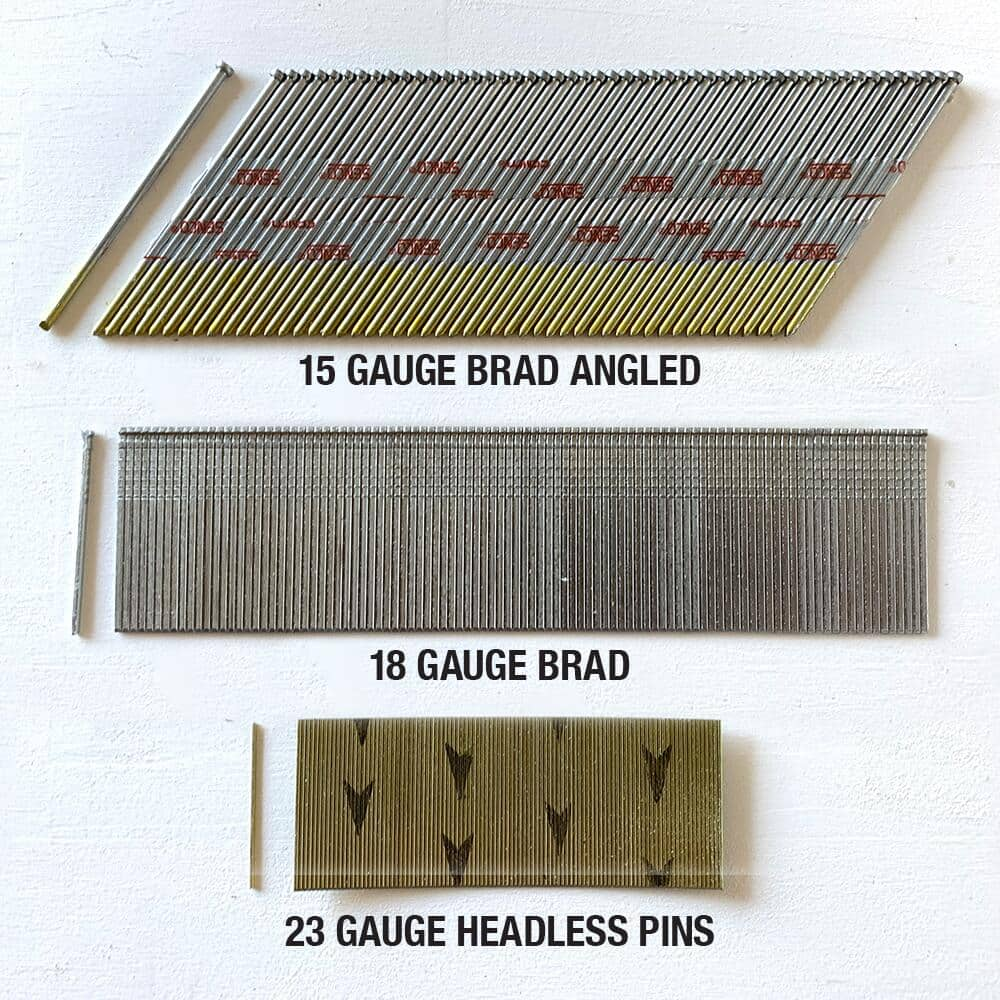
Credit: www.homedepot.com
Brad Nailer Basics
Understanding the basics of a brad nailer helps you choose the right tool. This tool is popular for light woodworking projects. It shoots small, thin nails called brads. These nails hold delicate pieces without splitting the wood. Knowing its features, uses, and benefits helps in making the best choice.
Design And Features
A brad nailer is small and lightweight. It uses thin nails, usually 18-gauge. Nails range from 5/8 to 2 inches long. The tool has a narrow nose to place nails precisely. It often works with air or electricity. Many have adjustable depth settings for neat finishes.
Common Uses
Brad nailers are great for trim work and molding. They secure delicate pieces without damaging them. Ideal for crafting, cabinetry, and furniture assembly. They work well on thin or soft wood. Perfect for small projects needing a clean look.
Advantages
Brad nailers cause less wood splitting than bigger nailers. They leave smaller holes, reducing wood repair work. Easy to handle due to lightweight design. Fast and efficient for repetitive nailing tasks. Suitable for beginners and hobbyists alike.
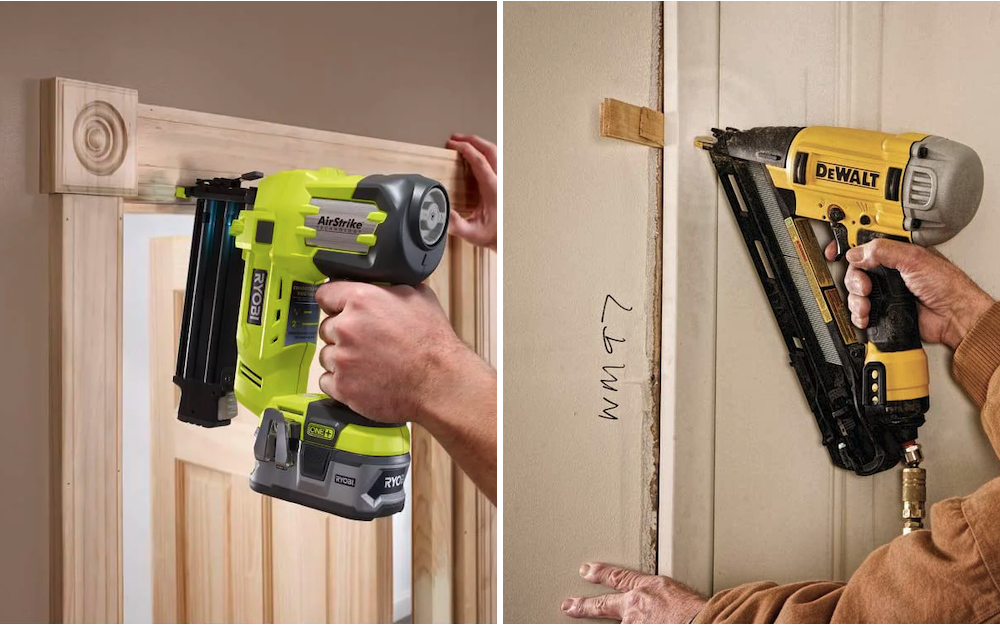
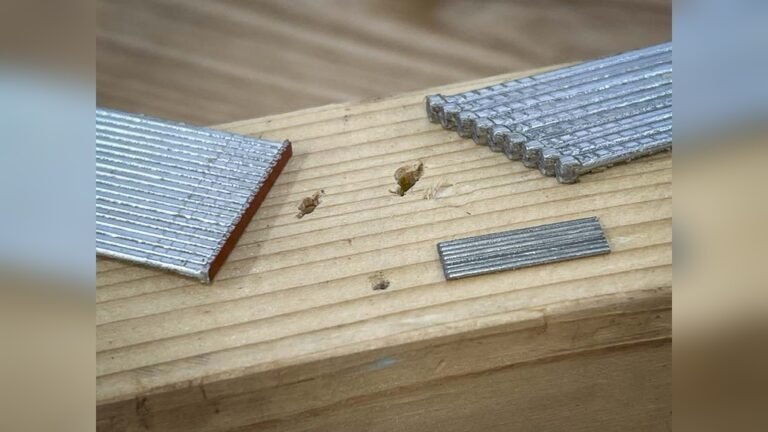
Credit: www.bobvila.com
Finish Nailer Essentials
Finish nailers are essential tools for many woodworking and home improvement projects. They offer precision and ease, making them a popular choice for detailed work. Understanding their design, uses, and benefits helps you pick the right tool for your needs.
Design And Features
Finish nailers use thin, small nails called finish nails. These nails leave a small hole, which hides well with wood filler. The tool is lightweight and easy to handle. Many models have adjustable depth settings to control nail placement. Some finish nailers use air pressure, while others are battery-powered or electric. The slim nose design helps reach tight corners and edges.
Common Uses
Finish nailers work best on trim, molding, and baseboards. They secure cabinets and furniture parts without splitting the wood. They are ideal for installing crown molding or window casings. The small nails hold materials firmly without damaging surfaces. Finish nailers also help in assembling wooden frames and crafts.
Advantages
Finish nailers provide neat, clean results with less damage. They speed up work compared to hammering nails by hand. The small nail heads are easy to cover and hide. These tools reduce user fatigue due to their lightweight design. Finish nailers offer better control and accuracy. They help create professional-looking projects quickly and efficiently.
Key Differences
The key differences between a brad nailer and a finish nailer affect your project results. Understanding these differences helps you pick the right tool. Each nailer serves specific tasks based on nail size, precision, and material use. These factors impact your work’s strength and look.
Nail Size And Strength
Brad nailers use thin, small nails, usually 18-gauge. These nails hold light materials gently. Finish nailers use thicker nails, often 15 or 16-gauge. These nails provide stronger hold for heavier materials. Smaller nails leave less visible holes. Larger nails give more support but need filling.
Application Precision
Brad nailers offer high precision for delicate work. They reduce wood splitting and leave tiny holes. Finish nailers deliver power for tougher jobs. They work well on trim, molding, and cabinetry. Brad nailers suit small crafts and thin wood pieces. Finish nailers handle larger wood and stronger joints.
Material Compatibility
Brad nailers fit thin, soft wood and delicate materials. They prevent damage during fastening. Finish nailers suit hardwood and thick trim. They secure heavy wood pieces firmly. Using the correct nailer protects your materials. It keeps your work neat and long-lasting.
Choosing The Right Tool
Choosing the right tool for your project can save time and improve results. Both brad nailers and finish nailers have unique strengths. Knowing which one fits your needs helps you work smarter. This section breaks down key factors to guide your choice.
Project Types
Brad nailers work best for small, delicate projects. They handle thin trims, moldings, and craftwork well. Finish nailers suit larger tasks like baseboards and door frames. They hold thicker wood firmly. Pick the tool based on the size and detail of your job.
Material Considerations
Brad nailers use thinner nails that don’t split wood easily. They are ideal for soft or fragile materials. Finish nailers use thicker nails for hardwoods and dense materials. They provide stronger hold for heavy pieces. Match the nail size to the material strength.
Budget Factors
Brad nailers usually cost less and use cheaper nails. They are good for hobbyists or light work. Finish nailers are pricier but offer more power and versatility. Consider how often you will use the tool before buying. Balance cost with the type of projects you plan.
Tips For Effective Use
Using a Brad Nailer or Finish Nailer correctly makes your work smoother. Simple tips help avoid problems and keep tools safe. Follow these tips for better results and longer tool life.
Safety Practices
Always wear safety glasses to protect your eyes. Keep your fingers away from the nail path. Use ear protection if noise is loud. Check the tool before use to ensure it works well. Never point the nailer at yourself or others. Work on a stable surface for better control. Unplug or remove the battery when not in use.
Maintenance Advice
Clean your nailer after each use to remove dust and debris. Lubricate moving parts as recommended by the manufacturer. Check nails for rust or damage before loading. Store the nailer in a dry place to avoid rust. Tighten screws and bolts regularly to keep parts secure. Replace worn or broken parts quickly to prevent damage.
Troubleshooting Common Issues
Jammed nails often block the nailer. Remove the jam carefully following the manual steps. Nails not firing could mean low power or empty magazine. Check the air pressure or battery charge. Misfiring nails might need cleaning or part replacement. If nails go too deep, adjust the depth setting. Keep the tool clean to reduce common problems.

Credit: cohosmarket.com
Frequently Asked Questions
What Is The Main Difference Between Brad And Finish Nailers?
Brad nailers use 18-gauge nails for delicate trim work. Finish nailers use thicker 15 or 16-gauge nails for heavier tasks. Brad nailers leave smaller holes, ideal for fine woodworking. Finish nailers provide stronger holding power for baseboards and crown molding.
Which Nailer Is Best For Woodworking Projects?
Brad nailers are best for woodworking with thin or fragile materials. They prevent splitting and produce less visible holes. Finish nailers are better for sturdier wood and structural trim work. Choose based on nail size and project strength requirements.
Can A Brad Nailer Replace A Finish Nailer?
A Brad nailer cannot fully replace a Finish nailer. Brad nailers work well for light trim but lack holding strength for heavy-duty jobs. Finish nailers are more versatile for larger projects and thicker materials.
Are Finish Nailers Suitable For Furniture Assembly?
Yes, Finish nailers are suitable for furniture assembly. They provide strong joints with 15 or 16-gauge nails. Brad nailers may be used for finer trim on furniture but offer less holding power.
Conclusion
Choosing between a brad nailer and a finish nailer depends on your project needs. Brad nailers work well for small, delicate tasks. Finish nailers handle bigger, stronger jobs with thicker nails. Think about the material and nail size before deciding.
Both tools have clear uses and benefits. Pick the one that fits your work best. This choice helps you get neat, lasting results every time.

Ms.Sultana
Affiliate Marketer | SEO Specialist | Blogger at Elite Global Marketing Agency
Ms.Sultana brings over 16 years of expertise working with global Clients by providing different skills and Services. For the last 5 years working as an Affiliate marketer, specializing in high-ticket campaigns that drive exponential growth. She holds a degree in Computer Science and Engineering as well as achieved many more skills certificates from different institute/academies/Platform. As part of the Elite Global Marketing team, Sultana has helped clients generate millions in revenue through strategic partnerships, innovative funnels, and data-driven insights. She’s passionate about empowering businesses to scale by connecting them with the right affiliate opportunities.
Explore our resources or connect with us on LinkedIn to stay ahead in affiliate marketing.