
If you’re working on a building or woodworking project, you might have heard about a framing nailer but aren’t quite sure what it does. Imagine a tool that helps you join big pieces of wood quickly and securely, saving you time and effort.
That’s exactly what a framing nailer is for. Whether you’re building a deck, a fence, or even a house frame, this tool can make your job easier and your results stronger. Keep reading to discover how a framing nailer works and why it might become your best friend on your next project.
Purpose Of A Framing Nailer
A framing nailer is a powerful tool designed for heavy-duty nailing tasks. Its main purpose is to join large pieces of wood quickly and securely. This tool helps builders and DIYers save time and effort during construction. It drives thick nails deep into wood, creating strong frames and structures. Understanding its purpose reveals why it is essential in many building projects.
Key Functions
A framing nailer drives nails with high force. It can nail wood pieces together fast and accurately. This tool reduces manual hammering, which lowers hand strain. It helps build solid frames by ensuring nails go in straight and deep. The nailer works best on softwood and hardwood. It speeds up framing, decking, and fencing jobs. Its power and speed make tough nailing tasks easier.
Types Of Projects
Framing nailers are perfect for building house frames. They fasten studs, joists, and beams efficiently. This tool also works well on decks and fences. It helps secure plywood sheathing and subflooring quickly. Many use it for outdoor projects needing strong wood joints. Home renovations involving wood framing benefit from this nailer. It suits projects that require heavy, durable wood connections.
Credit: www.stapleheadquarters.com
How A Framing Nailer Works
A framing nailer is a power tool used in construction to join large pieces of wood. It speeds up building projects by driving nails quickly and firmly. Understanding how it works helps you use it safely and effectively.
Basic Mechanism
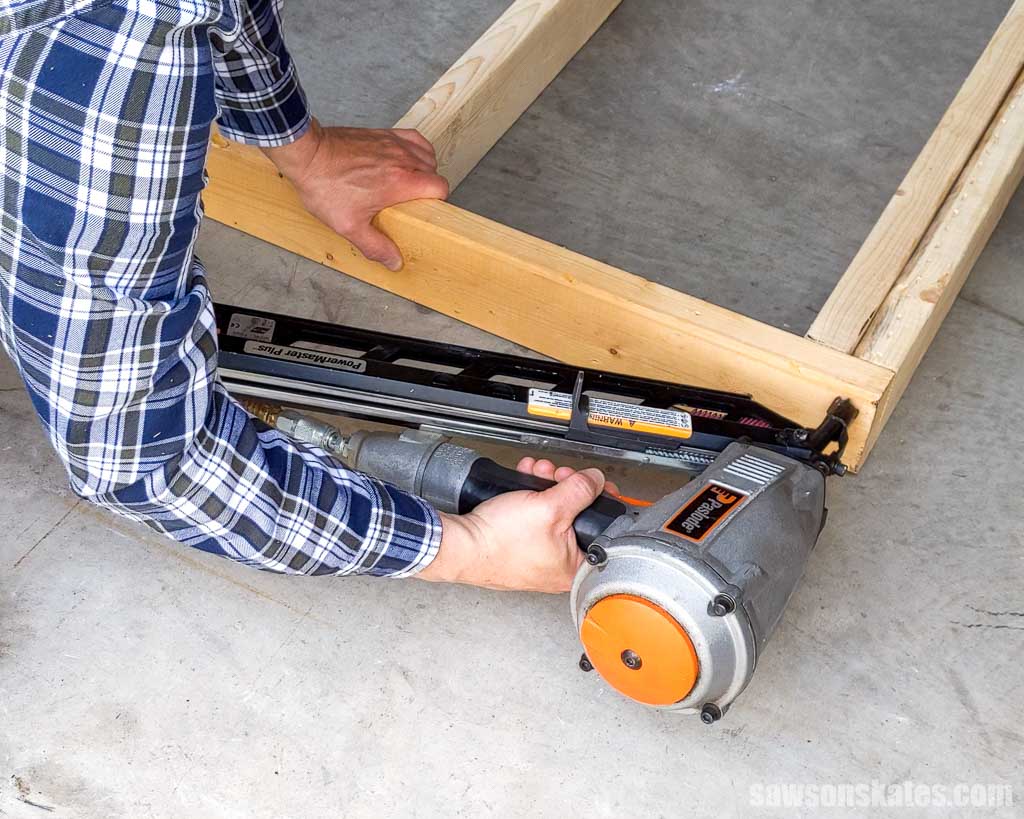
A framing nailer works by using air pressure or gas to push nails into wood. You load a strip of nails into the tool. When you press the trigger, the tool fires a nail fast. This action saves time and effort compared to hammering nails by hand. The nailer also controls the depth of the nail to avoid damage to the wood.
Nail Sizes And Types
Framing nailers use nails that are longer and thicker than regular nails. These nails range from 2 inches to 3.5 inches in length. The nails usually have a ring or spiral shank for better grip. Different jobs may need different nail sizes and types. Choosing the right nails ensures strong and lasting joints.
Common Uses In Construction
A framing nailer is a powerful tool in construction. It speeds up nailing tasks and ensures strong joints. Builders use it to connect large pieces of wood quickly. This tool saves time and effort on many building projects.
Below are some common uses of a framing nailer in construction work.
Building Frames
Framing nailers are best for building wooden frames. These frames form the skeleton of houses and buildings. The nailer drives nails fast into thick wood pieces. It holds studs and joists firmly in place. This strength is important for safe structures.
Installing Subfloors
Subfloors need strong attachment to the floor joists. A framing nailer fixes plywood or OSB panels quickly. It reduces gaps and squeaks underfoot. Proper nailing keeps the floor stable and durable. The tool makes this job much faster than hammering.
Assembling Decks
Deck building involves many wood boards and posts. A framing nailer helps join these parts tightly. It ensures the deck can hold weight and resist weather. Nailing deck boards fast keeps the work moving smoothly. This tool is essential for deck construction.
Benefits For Diy Enthusiasts
Framing nailers offer many benefits for DIY enthusiasts. They make building projects easier and faster. These tools help save time and effort on tasks like framing walls or building decks. Using a framing nailer can improve your work quality and make your projects more enjoyable.
Speed And Efficiency
A framing nailer drives nails quickly and with less effort. This speeds up construction tasks a lot. You can complete projects faster than using a hammer. Less time spent nailing means more time for other tasks. It helps keep your project moving smoothly.
Precision And Strength
Framing nailers place nails exactly where you want them. This accuracy improves the strength of your build. Nails go in deep and hold materials tightly together. It reduces mistakes and the need for rework. Strong joints lead to safer and longer-lasting structures.
Choosing The Right Framing Nailer
Choosing the right framing nailer is important for any woodworking or construction job. The right tool can save time and effort. It also helps make clean and strong joints. Knowing the differences between types of framing nailers makes the choice easier. Consider how and where you will use the nailer before buying one.
Corded Vs. Cordless
Corded framing nailers need to be plugged into power outlets. They offer constant power without worrying about battery life. These nailers are usually lighter because they do not carry batteries. They work best in workshops or places with easy access to power.
Cordless framing nailers use batteries for power. They offer great freedom of movement. No cords to get tangled or limit reach. Ideal for outdoor sites or large areas. Battery life is a key factor. Choose one with long-lasting batteries for longer work sessions.
Power Source Options
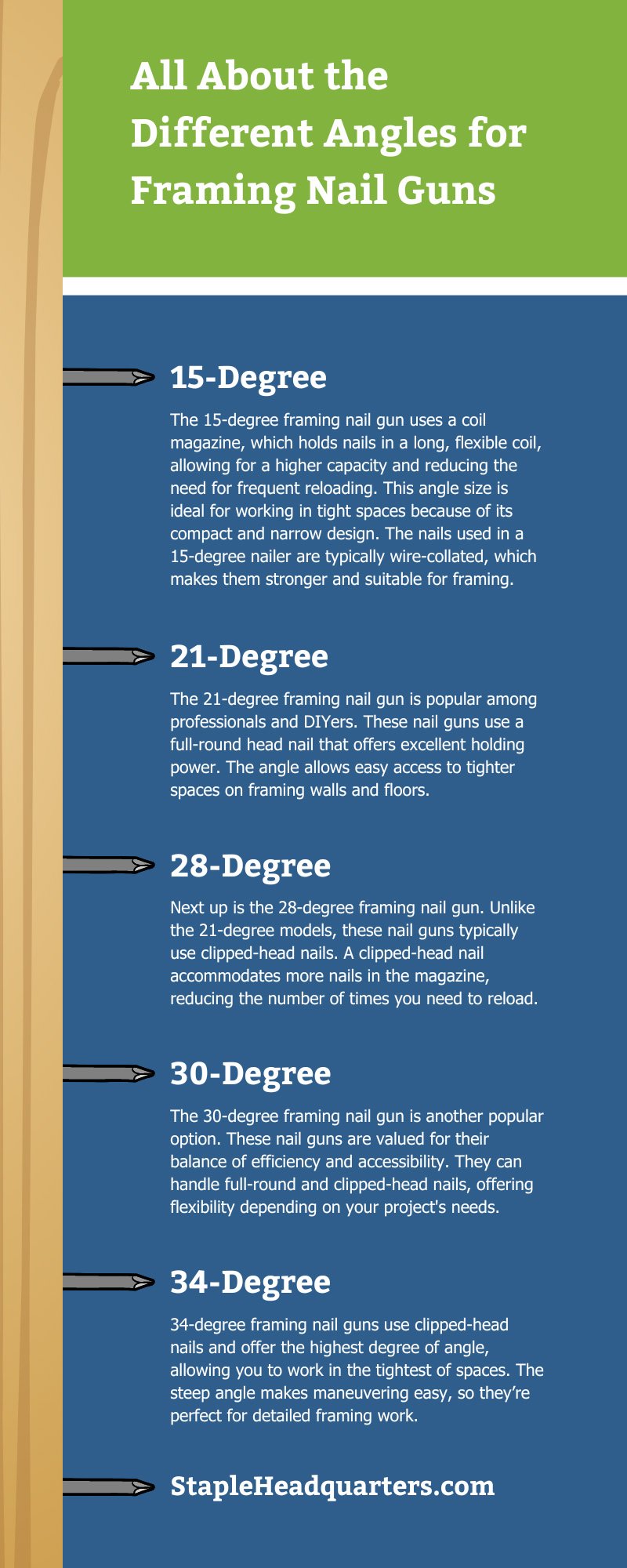
Framing nailers can use different power sources: pneumatic, gas, or electric.
Pneumatic nailers run on compressed air. They are very powerful and fast. Need an air compressor to work. Great for heavy-duty framing tasks.
Gas-powered nailers use small fuel cells. They provide good power and portability. No hoses or cords needed. Require regular refilling of fuel cells.
Electric nailers run on batteries or direct power. They are quieter and cleaner. Less powerful than pneumatic but good for light to medium work.
Choose a power source that fits your work style and site conditions. Consider noise, power needs, and ease of use.
Safety Tips For Operation
Using a framing nailer can speed up your work, but safety is key. Nailers are powerful tools that need careful handling. Following safety tips helps avoid accidents and injuries. Always prepare before starting any job with this tool.
Protective Gear
Wear safety glasses to shield your eyes from flying nails and debris. Use ear protection to reduce noise from the nailer. Gloves protect your hands from sharp nails and splinters. Choose sturdy shoes to protect your feet from dropped tools or materials.
Proper Handling
Hold the nailer firmly with both hands for better control. Keep your fingers away from the nail exit point. Do not point the nailer at yourself or others. Always disconnect the nailer from power when not in use. Check the nailer for damage before starting work. Use the right nails and pressure for your project.
Maintenance And Care
Proper maintenance and care keep your framing nailer working well. Regular attention helps avoid breakdowns. It also extends the tool’s life. Simple steps prevent costly repairs and downtime.
Cleaning Tips
Clean the nailer after every use. Remove dust and debris from the magazine and nosepiece. Use a soft brush or compressed air for cleaning. Wipe the exterior with a dry cloth. Avoid water or harsh chemicals. Lubricate moving parts with recommended oil. This reduces friction and wear.
Troubleshooting Common Issues
Check for jammed nails if the tool stops firing. Clear jams carefully using a nail remover or pliers. Inspect the air hose and connections for leaks. Tighten loose fittings to keep air pressure steady. Replace worn or broken parts quickly. Test the trigger and safety mechanism often. Proper care keeps your framing nailer reliable on every job.
Credit: sawsonskates.com
Credit: sawsonskates.com
Frequently Asked Questions
What Materials Can A Framing Nailer Handle?
A framing nailer can drive nails into wood, plywood, and softwoods. It’s ideal for framing walls, building decks, and constructing fences.
How Does A Framing Nailer Improve Construction Speed?
It quickly and securely fastens large wood pieces. This reduces manual hammering, saves time, and boosts overall work efficiency on job sites.
Can A Framing Nailer Be Used For Finishing Work?
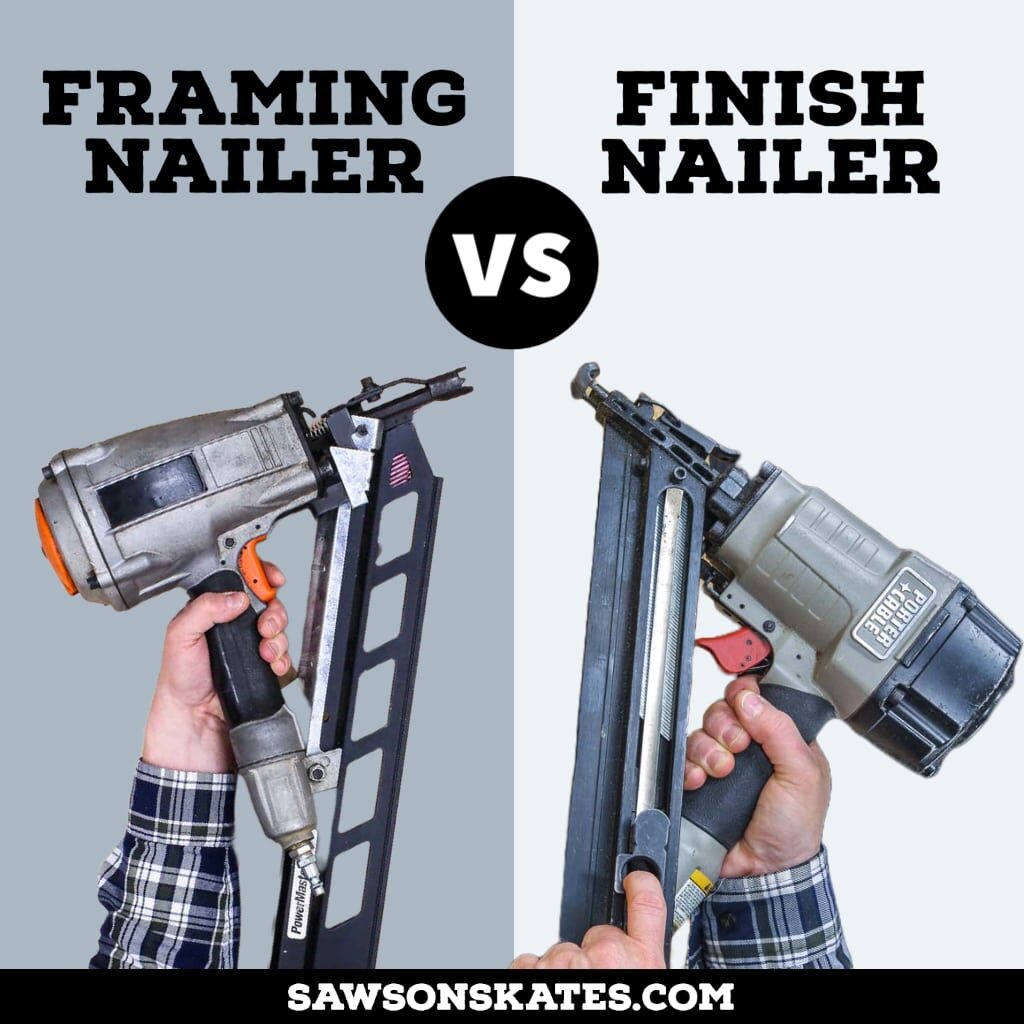
No, framing nailers are designed for heavy-duty tasks. For finishing, a finish nailer or brad nailer is better suited for delicate wood trim.
What Nail Sizes Are Compatible With Framing Nailers?
Framing nailers typically use nails ranging from 2 to 3. 5 inches. These nails offer strong holding power for structural framing projects.
Conclusion
A framing nailer helps build strong wooden structures fast. It drives large nails deep into wood easily. Many builders use it for walls, decks, and frames. This tool saves time and effort on tough jobs. Knowing how to use it can improve your work.
Choose the right nailer for your project needs. Practice safety and proper handling every time. A framing nailer is a useful tool for many tasks. Simple, strong, and efficient — it makes building easier.