If you want your framing nailer to work smoothly every time, taking care of it is a must. Ignoring simple maintenance steps can lead to jams, poor performance, or even costly repairs.
But don’t worry—keeping your tool in top shape is easier than you think. You’ll discover practical tips that save you time, money, and frustration. Ready to make your framing nailer last longer and perform better? Let’s dive in.

Credit: openeyesfoundation.nl
Choosing The Right Framing Nailer
Choosing the right framing nailer is key for any woodworking or construction project. The right tool makes work easier and safer. It also helps finish jobs faster and with better results.
Different projects need different nailers. Picking one that fits your needs saves time and effort. It also reduces wear on the tool, helping it last longer. Understanding types and features helps you make a smart choice.
Types Of Framing Nailers
There are three main types of framing nailers: pneumatic, cordless, and gas-powered. Pneumatic nailers use air pressure from a compressor. They are powerful and common on job sites.
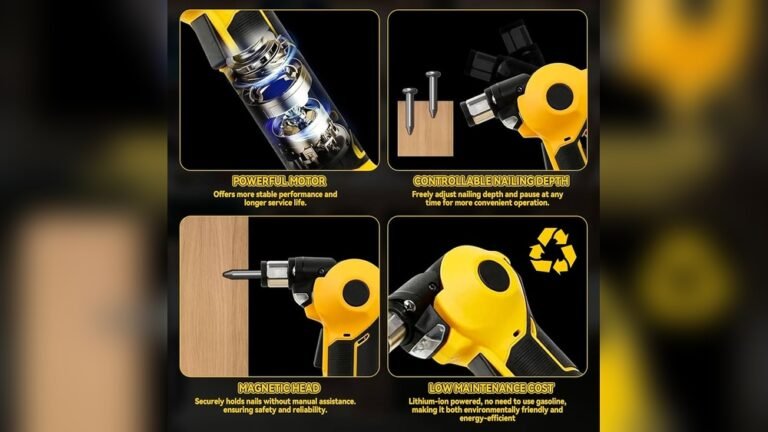
Cordless nailers run on batteries. They offer more freedom to move without cords. Good for jobs with limited access to power.
Gas-powered nailers use fuel cells. They are lightweight and portable. Suitable for outdoor work where air compressors are not available.
Features To Look For
Look for a framing nailer with adjustable depth control. It helps set nails at the right depth every time. A lightweight design reduces fatigue during long use.
A good nailer has an easy jam clearing system. It saves time fixing stuck nails. Check the nail capacity to reduce frequent reloads.
Ergonomic handles improve comfort and grip. Safety features like a trigger lock prevent accidents. Choose a nailer that fits your hand well.
Daily Cleaning Routine
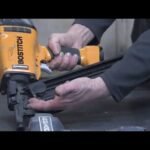
Keeping your framing nailer clean every day helps it last longer and work better. Dirt and dust can cause jams and slow down your work. A simple cleaning routine takes only a few minutes but makes a big difference. Follow these steps to keep your tool in top shape.
Removing Dust And Debris
Start by unplugging or removing the battery from your nailer. Use a soft brush or compressed air to clear dust from the surface and inside parts. Pay attention to the magazine and the nose where nails come out. Clean these areas carefully to avoid damage. Removing debris stops clogs and keeps nails feeding smoothly.
Lubricating Moving Parts
Apply a few drops of oil on the moving parts like the piston and trigger. Use oil made for nailers or light machine oil. Wipe off any excess oil to prevent dirt build-up. Regular lubrication reduces friction and wear. This helps the nailer operate quietly and efficiently every time you use it.
Checking And Replacing Parts
Checking and replacing parts of your framing nailer is key to keeping it working well. Regular checks help spot worn or damaged components early. This saves time and prevents bigger problems later. Simple maintenance tasks can extend your tool’s life and ensure safety during use.
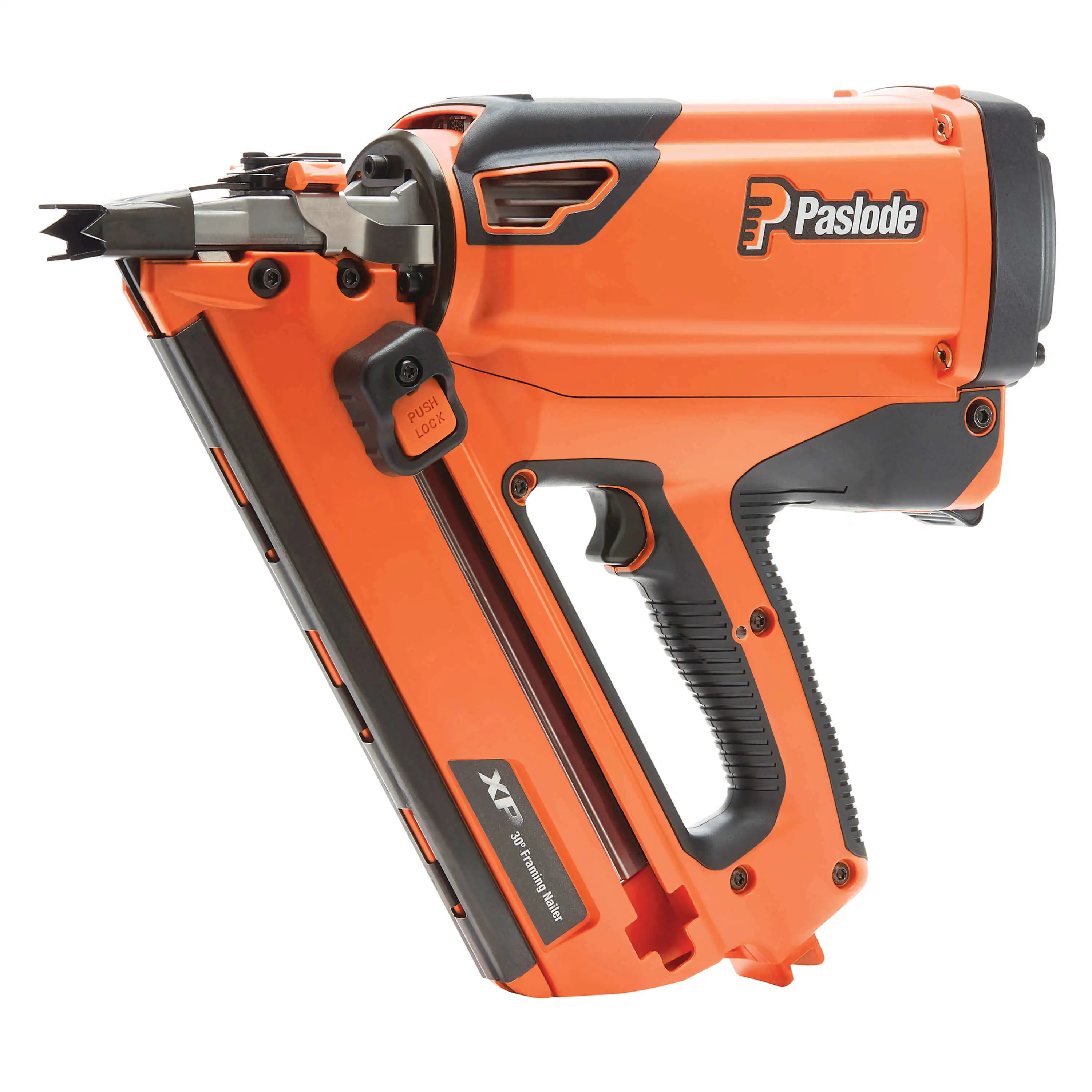
Focus on key parts like the driver blade, seals, and magazine. These parts often wear out due to heavy use. Replacing them at the right time keeps your nailer firing smoothly and accurately.
Inspecting The Driver Blade
The driver blade pushes nails into wood. Over time, it can become dull or bent. A damaged blade causes missed nails or jams. Check the blade for cracks, chips, or wear. Replace it if it looks damaged or worn down. Use only the correct replacement part to avoid further damage.
Replacing Worn Seals And O-rings
Seals and O-rings keep air pressure tight inside the nailer. Worn seals cause air leaks and weak shots. Inspect seals for cracks or stiffness. Replace them if they look dry or broken. Use lubricant to keep seals soft and working well. Proper seal maintenance improves nailer power and efficiency.
Maintaining The Magazine
The magazine holds nails and feeds them into the nailer. Dirt and debris can block nail movement. Clean the magazine regularly to remove dust and residue. Check for bent or broken parts inside the magazine. Replace any damaged pieces to avoid nail jams. A clean magazine ensures smooth nail feeding and fewer interruptions.
Credit: www.paslode.com
Proper Storage Techniques
Proper storage techniques keep your framing nailer in top shape. Storing it right prevents damage and extends its life. Simple habits protect the tool from rust, dirt, and wear. Follow these easy steps to maintain your framing nailer.
Protecting From Moisture
Moisture causes rust and weakens your framing nailer. Store the tool in a dry place. Avoid damp basements or outdoor sheds. Use a plastic case or toolbox to shield from humidity. Silica gel packs help absorb moisture inside storage boxes. Wipe the nailer dry after use to remove any water.
Safe Handling And Transport
Handle your framing nailer with care during transport. Use a sturdy case to avoid drops and bumps. Keep the nailer secured to prevent movement inside the case. Remove nails from the magazine before carrying. This reduces the risk of jams and accidents. Carry the tool by its handle to avoid strain.
Troubleshooting Common Issues
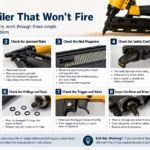
Framing nailers are powerful tools that can face common problems. These issues slow down your work and cause frustration. Knowing how to fix them helps you stay on track. This section covers simple steps to troubleshoot framing nailer problems.
Fixing Jams
A jam happens when nails get stuck inside the nailer. Stop using the tool right away. Remove the magazine to access the jammed nails. Use pliers to pull out bent or stuck nails carefully. Check for any debris blocking the nail path. Clean the area before reloading the nails. Test the nailer on scrap wood to ensure it works smoothly.
Addressing Misfires
Misfires occur when the nailer does not fire a nail properly. Check the air pressure or battery charge first. Low power can cause misfires. Inspect the nails for damage or wrong size. Replace nails if they are bent or too large. Clean the trigger and safety mechanism from dust and dirt. Test fire the tool several times to confirm the issue is fixed.
Resolving Air Leaks
Air leaks reduce the nailer’s power and cause poor performance. Listen closely for hissing sounds during operation. Check all connections and hoses for loose fittings. Tighten any screws or connectors that feel loose. Examine the O-rings and seals for cracks or wear. Replace damaged seals to stop leaks. Keep the tool lubricated to maintain a good air seal.
Using The Right Air Pressure
Using the right air pressure is key to keeping your framing nailer in good shape. Air pressure controls how well the nails shoot out. Too much or too little pressure can cause problems. Knowing the correct pressure helps your tool work smoothly and last longer.
Optimal Psi Settings
Most framing nailers work best between 70 and 120 PSI. Check your nailer’s manual for exact numbers. Adjust the pressure based on nail size and wood thickness. Use a pressure gauge to set the air compressor correctly. Keep the pressure steady for consistent nailing.
Effects Of Incorrect Pressure
Too high pressure can damage the nailer’s parts. It may cause nails to go too deep or split the wood. Low pressure can make nails stop short or jam inside the tool. Both issues slow down your work and increase repair costs. Regularly check and adjust pressure for best results.
Seasonal Maintenance Tips
Seasonal changes affect how your framing nailer works. Proper care during different times of the year keeps it in top shape. Follow these simple tips to avoid common problems and extend your tool’s life.
Winter Care
Cold temperatures make your framing nailer less efficient. Oil thickens and parts may freeze. Use lighter oil designed for low temperatures to keep the tool running smoothly. Store your nailer in a warm, dry place to avoid moisture build-up. Check seals and O-rings for cracks caused by cold. Replace any damaged parts before starting work. Run a few test nails to ensure proper function before a big job.
Summer Adjustments
Heat and humidity can cause your framing nailer to overheat. Clean the air vents regularly to prevent dust and debris build-up. Use thicker oil to protect moving parts from wear. Avoid leaving the tool in direct sunlight for long periods. Store the nailer in a cool, shaded area when not in use. Inspect the tool more often, as heat speeds up wear and tear. Tighten loose screws and check for air leaks frequently.
Safety Precautions During Maintenance
Maintaining a framing nailer requires careful attention to safety. Neglecting safety can cause accidents or damage. Taking simple safety steps protects you and your tool. Always focus on safety before starting any maintenance work.
Disconnecting Power Sources
Always unplug the framing nailer before maintenance. Remove the battery if it uses one. For pneumatic nailers, disconnect the air hose. This stops accidental firing during cleaning or repairs. Never assume the tool is off without checking.
Using Protective Gear
Wear safety glasses to protect your eyes from debris. Gloves help protect your hands from sharp parts and dirt. Use a mask if cleaning with chemicals or compressed air. Protective gear reduces injury risks during maintenance tasks.
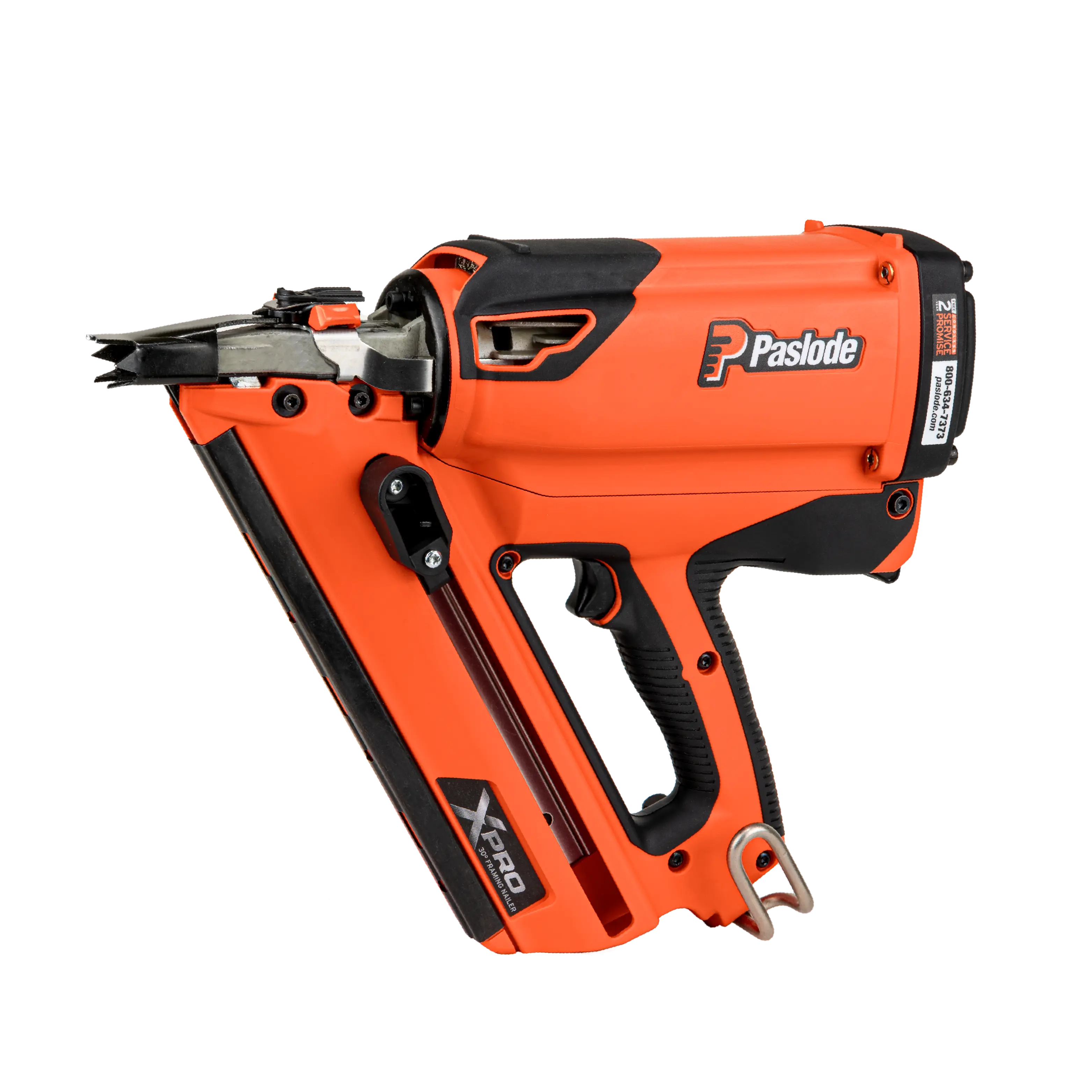
Credit: www.paslode.com
Frequently Asked Questions
How Often Should I Clean My Framing Nailer?
Clean your framing nailer after every use. This prevents dirt buildup and ensures smooth operation. Regular cleaning extends the tool’s lifespan and improves performance.
What Is The Best Lubricant For Framing Nailers?
Use pneumatic tool oil specifically designed for nailers. Avoid using heavy oils or grease. Proper lubrication reduces wear and keeps the tool running efficiently.
How Do I Check For Air Leaks In My Nailer?
Listen for hissing sounds when connected to air supply. Inspect all seals and fittings for cracks or damage. Fix any leaks promptly to maintain pressure and nailer performance.
Why Is Proper Storage Important For Framing Nailers?
Storing your nailer in a dry, clean place prevents rust and damage. Proper storage protects internal parts and keeps the tool ready for use.
Conclusion
Regular care keeps your framing nailer working well and longer. Clean it after each use to avoid jams and rust. Check for loose parts and tighten them as needed. Use the right nails and oil to keep it smooth. Small steps protect your tool and save money on repairs.
A well-maintained nailer makes your work easier and faster. Keep these tips in mind for better results every time. Simple habits lead to big benefits. Your framing nailer will thank you.
Michael Harris is an experienced woodworker and power tool expert with over 12 years in woodworking. Specializing in functional, high-quality furniture, he offers expert advice on tool selection, maintenance, and sharpening for both beginners and professionals.