

Are you wondering how much pressure you should use when washing your car? Using the right PSI (pounds per square inch) can make a huge difference in getting your car clean without causing damage.
Too much pressure might scratch or dent your paint, while too little pressure won’t remove dirt effectively. You’ll discover the perfect PSI range for washing your car safely and efficiently. Keep reading to learn simple tips that will help you protect your vehicle and get it sparkling every time.

Credit: www.turtlewax.com
Car Wash Pressure Basics
Understanding the right pressure for washing cars is important. Pressure affects how well dirt and grime are removed. Too little pressure may not clean well. Too much pressure can damage the paint or windows.
Knowing the basics of car wash pressure helps keep your car safe and clean. Let’s explore what PSI means and how it impacts car cleaning.
What Psi Means
PSI stands for pounds per square inch. It measures how strong the water pushes out of the washer. The higher the PSI, the stronger the spray.
Car washes usually use PSI between 1200 and 1900. This range cleans dirt without harming the car’s surface. Household pressure washers may have higher PSI, which can be risky for cars.
How Psi Affects Cleaning
Low PSI may leave dirt or grime behind. It might take longer to clean. Higher PSI removes tough dirt quickly.
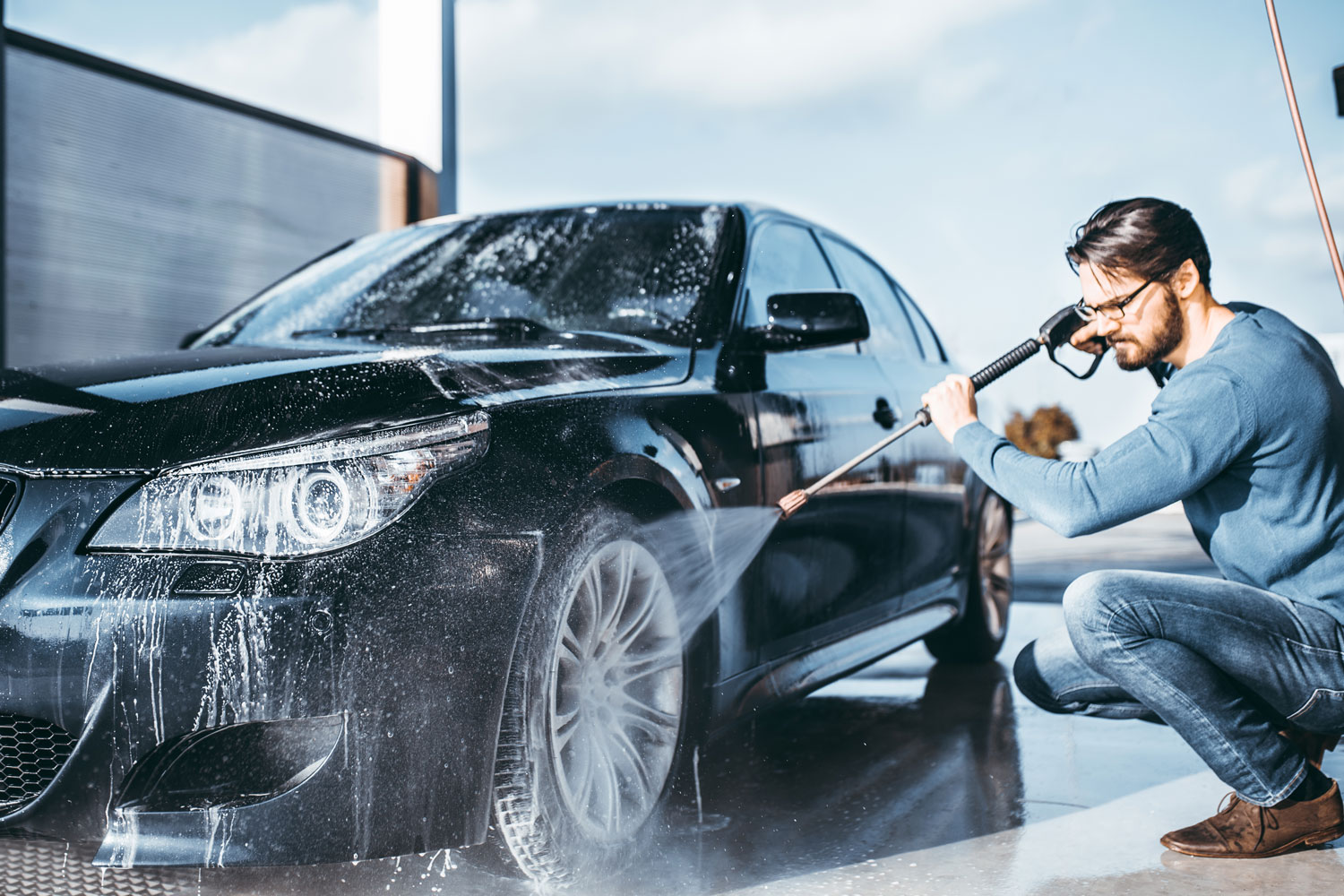
Too much pressure can cause scratches or chip paint. It may also damage seals around windows and doors. Using the correct PSI keeps the car safe while cleaning well.
Credit: www.capitalone.com
Ideal Psi For Different Car Surfaces
Choosing the right PSI (pounds per square inch) for washing your car protects its surface. Different car parts and finishes need different pressure levels. Using too much pressure can cause damage. Too little pressure might not clean well. Understanding the ideal PSI helps keep your car clean and safe.
Delicate Paint And Finishes
Delicate paint needs low pressure to avoid scratches or chips. Keep PSI between 1200 and 1600 for gentle cleaning. Use a wide spray nozzle to spread the water evenly. Avoid direct, strong streams on the paint. This protects clear coats and custom finishes.
Standard Car Exteriors
Most cars have durable paint that handles moderate pressure. Set your washer between 1600 and 1900 PSI. This range cleans dirt and grime without harming the surface. Use a fan spray nozzle for even cleaning. It balances power and safety for regular washes.
Heavy-duty Cleaning Needs
Stubborn dirt, mud, or grease requires higher pressure. Set PSI around 2000 to 2300 for tough cleaning tasks. Use caution to avoid damage to paint and trim. Keep the nozzle moving quickly over the surface. This removes grime while protecting the car’s finish.
Choosing The Right Pressure Washer
Choosing the right pressure washer is important for washing cars safely and effectively. Using too much pressure can damage the paint or trim. Too little pressure might not clean the dirt well. Understanding the types and settings helps pick the best tool for the job.
Types Of Pressure Washers
Pressure washers come in electric and gas models. Electric washers are lightweight and easy to use. They work well for light cleaning, like washing cars. Gas washers are stronger and better for heavy tasks. They offer higher pressure but can be harder to control.
For cars, electric washers usually provide enough power. They are quieter and produce no fumes. Gas washers might be too strong, risking damage to the paint.
Adjustable Psi Settings
PSI means pounds per square inch. It measures the water pressure from the washer. Car washing needs a PSI between 1200 and 1900. Too high a PSI can harm the car’s surface. Many washers have adjustable PSI settings.
Adjustable settings allow users to reduce pressure for delicate areas. This feature helps clean without scratching or peeling paint. Choosing a washer with adjustable PSI adds safety and control.
Avoiding Damage During Washing
Washing a car with the right pressure is key to keeping its paint and parts safe. Too much force can cause scratches or dents. Knowing how to avoid damage helps keep your car looking new for longer. Small steps make a big difference in protecting your vehicle.
Safe Distance And Angle
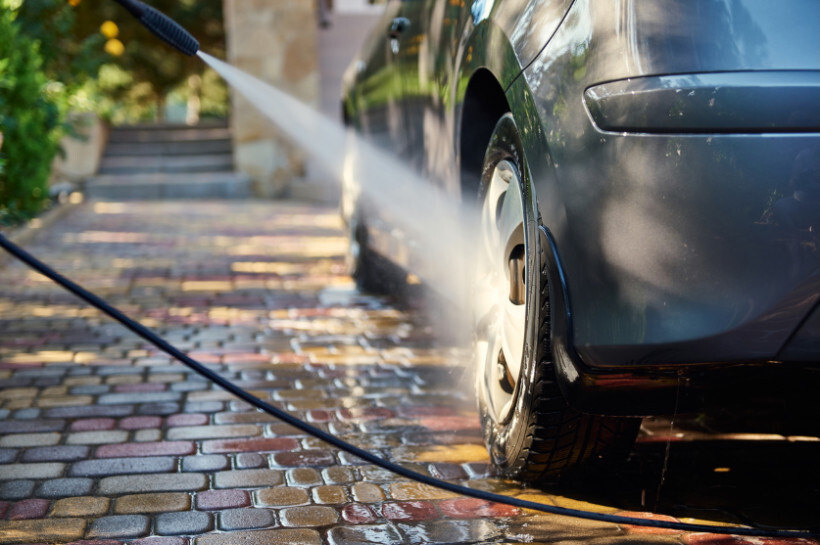
Hold the pressure washer at least 12 inches from the car surface. Closer distance can strip paint or harm the finish. Spray at a 45-degree angle to reduce direct impact. This angle helps wash away dirt gently without pushing it deeper.
Recommended Psi Limits
Use a pressure washer with PSI between 1200 and 1900 for cars. Above 2000 PSI risks damaging paint and trim. Lower PSI settings clean dirt without harming surfaces. Adjust pressure based on dirt level and vehicle type for best results.
Additional Tips For Effective Car Washing
Effective car washing requires more than just water pressure. Proper care helps protect your car’s paint and finish. Follow these tips to improve your washing routine and keep your car looking fresh.
Proper Soap And Detergents
Use soap made for cars only. Household cleaners can damage paint and strip wax. Choose a pH-balanced car shampoo for gentle cleaning. Avoid harsh chemicals that can cause fading or rust.
Mix soap with water as instructed. Too much soap leaves residue. Too little soap won’t clean well. Use a soft sponge or microfiber cloth to apply soap. This prevents scratches on the surface.
Pre-wash And Post-wash Steps
Start with a rinse to remove loose dirt. This prevents scratching during scrubbing. Use a low-pressure setting for this step. After washing, rinse thoroughly to remove all soap.
Dry the car with a clean microfiber towel. Avoid air drying to stop water spots. Check for missed dirt spots and clean them gently. Apply wax or sealant for extra protection and shine.
Credit: www.airtasker.com
Frequently Asked Questions
What Is The Ideal Psi For Washing Cars Safely?
The ideal PSI for washing cars ranges between 1200 and 1900 PSI. This pressure is strong enough to remove dirt without damaging paint or decals. Using higher PSI can risk stripping paint or causing dents, so it’s important to stay within this safe range.
Can Too Much Psi Damage Car Paint?
Yes, excessive PSI can damage car paint by stripping away the clear coat or causing scratches. It can also force water into seals and cracks. Always use moderate PSI levels to protect your car’s finish while still effectively cleaning.
What Psi Is Best For Removing Tough Dirt On Cars?
A PSI between 1500 and 1900 is best for removing tough dirt and grime. This level provides enough power to dislodge stubborn debris without harming the vehicle’s surface. Pair with a proper nozzle and detergent for best results.
Is Low Psi Effective For Washing Cars?
Low PSI under 1200 may not effectively remove heavy dirt or grime. It can clean light dust but might require more scrubbing. For thorough cleaning, moderate PSI combined with soap and good technique is recommended.
Conclusion
Choosing the right PSI is key for washing cars safely. Too high pressure can damage paint and trim. Too low pressure might not clean well. A range between 1200 and 1900 PSI usually works best. Always test a small area first.
Use the right nozzle to control water flow. Gentle pressure keeps your car looking nice longer. Clean cars better with care and the right tools. Keep these tips in mind for a great wash every time.

Michael Harris is an experienced woodworker and power tool expert with over 12 years in woodworking. Specializing in functional, high-quality furniture, he offers expert advice on tool selection, maintenance, and sharpening for both beginners and professionals.

