
Choosing between an electric pressure washer and a gas pressure washer can feel confusing. You want the best tool to get your cleaning tasks done quickly and easily.
But which one fits your needs better? This article will help you understand the key differences, pros, and cons of each option. By the end, you’ll know exactly which pressure washer suits your home and lifestyle. Keep reading to make a choice that saves you time, effort, and money.
Electric Pressure Washer Features
Electric pressure washers offer many features that suit home cleaning tasks. They are designed to be user-friendly and efficient. These washers work well for small to medium jobs around the house. Understanding their features helps you choose the right model.
Power And Performance
Electric pressure washers have moderate power. They provide enough pressure for cleaning cars, patios, and decks. They usually have a PSI between 1300 and 2000. This power is less than gas models but enough for common tasks. Water flow rates are also lower, making them ideal for light to medium dirt.
Portability And Weight
Electric pressure washers are lighter than gas models. They weigh between 15 to 30 pounds. Their compact design makes them easy to carry and store. Many models have wheels for simple movement. Portability suits users who need to clean different areas around their home.
Noise Levels
Electric models run much quieter than gas washers. They produce low noise, usually under 70 decibels. This makes them good for use in neighborhoods. Quiet operation reduces disturbance to family and neighbors. It also allows you to work longer without noise fatigue.
Maintenance Requirements
Electric washers require very little maintenance. There is no need to change oil or fuel filters. Users only need to clean nozzles and check hoses. The electric motor is sealed and protected from dust. This means fewer breakdowns and less repair cost over time.
Cost And Energy Efficiency
Electric pressure washers are usually cheaper than gas models. They cost less to buy and operate. Electricity is cheaper than gasoline for regular use. These washers use energy efficiently, cutting overall expenses. Low running costs make them a budget-friendly choice.
Gas Pressure Washer Features
Gas pressure washers offer strong cleaning power for tough jobs. These machines use gasoline engines to deliver high pressure. They work well for large outdoor spaces and heavy dirt. Understanding their features helps choose the right washer for your needs.
Power And Performance
Gas pressure washers have powerful engines. They produce higher pressure than electric models. This makes them ideal for cleaning driveways, decks, and vehicles. They handle stubborn dirt and grime easily. Their performance suits heavy-duty cleaning tasks.
Portability And Weight
Gas washers are heavier due to the engine and fuel tank. They may be harder to move around. Most come with wheels and handles for easier transport. Portability depends on the model size and design. They do not need a power outlet to operate.
Noise Levels
Gas pressure washers are louder than electric ones. The engine produces noise during operation. This can be a disturbance in quiet areas. Using ear protection is advisable for long use. Noise can limit usage in noise-sensitive locations.
Maintenance Requirements
Gas washers need regular upkeep. Engine oil, air filters, and spark plugs require checks. Fuel must be stored safely and replaced often. Maintenance keeps the machine running smoothly. Neglect can cause engine problems and reduce lifespan.
Cost And Fuel Consumption
Gas pressure washers cost more upfront than electric models. Fuel expenses add to operating costs. Gasoline prices vary and affect running costs. These washers can be more expensive to maintain. Budgeting for fuel and repairs is important.
Comparing Cleaning Power
Cleaning power is a key factor when choosing between electric and gas pressure washers. It affects how well each machine removes dirt, grime, and stains. Understanding their differences helps you pick the right tool for your needs.
Both types offer strong cleaning, but their power levels and uses vary. Here is a detailed comparison of their cleaning power.
Psi And Gpm Differences
PSI means pounds per square inch. It measures water pressure. GPM means gallons per minute. It shows water flow. Gas pressure washers often have higher PSI and GPM. This means they spray water harder and faster.
Electric pressure washers usually have lower PSI and GPM. They still clean well but work better on lighter jobs. High PSI and GPM give gas washers an edge for tough stains.
Suitable Cleaning Tasks
Electric washers fit small to medium jobs. Washing cars, patios, and outdoor furniture works well. They handle dirt and light mold easily.
Gas washers suit big and tough tasks. Cleaning driveways, decks, and house siding is easier. They remove thick grime and paint better.
Surface Compatibility
Electric washers are gentle on delicate surfaces. Wood, vinyl, and painted surfaces stay safe. Their lower pressure reduces damage risk.
Gas washers work on hard surfaces like concrete and metal. Their strong spray can harm soft materials. Use them carefully to avoid surface damage.
Ease Of Use And Convenience
Choosing between an electric pressure washer and a gas pressure washer often comes down to ease of use and convenience. These factors affect how quickly you can start cleaning and how comfortable the experience will be. Understanding these differences helps you pick the right tool for your needs.
Starting Mechanism
Electric pressure washers start with a simple push of a button or flip of a switch. There is no need to pull a cord or prime an engine. This makes them very user-friendly, especially for beginners.
Gas pressure washers require pulling a recoil starter cord to get the engine running. This can be hard for some people and may take a few tries. The gas engine also needs fuel and oil checks before starting.
Mobility And Setup
Electric pressure washers are usually lighter and smaller. You just plug them into an electrical outlet and connect the hose. This setup is quick and easy for small to medium jobs.
Gas pressure washers are heavier and bulkier. They don’t need an electrical outlet, so they work well far from power sources. Setting up the fuel and checking oil takes extra time.
Storage Considerations
Electric pressure washers take up less space. Their compact size fits well in garages or sheds. They require less maintenance, making storage simple.
Gas pressure washers need more room. Gas and oil must be drained before long storage to avoid damage. Regular maintenance is necessary to keep them ready for use.
Environmental Impact
Choosing between an electric pressure washer and a gas pressure washer involves thinking about the environment. Both types affect nature differently. Understanding their impact helps make a better choice for the planet.
Emissions And Pollution
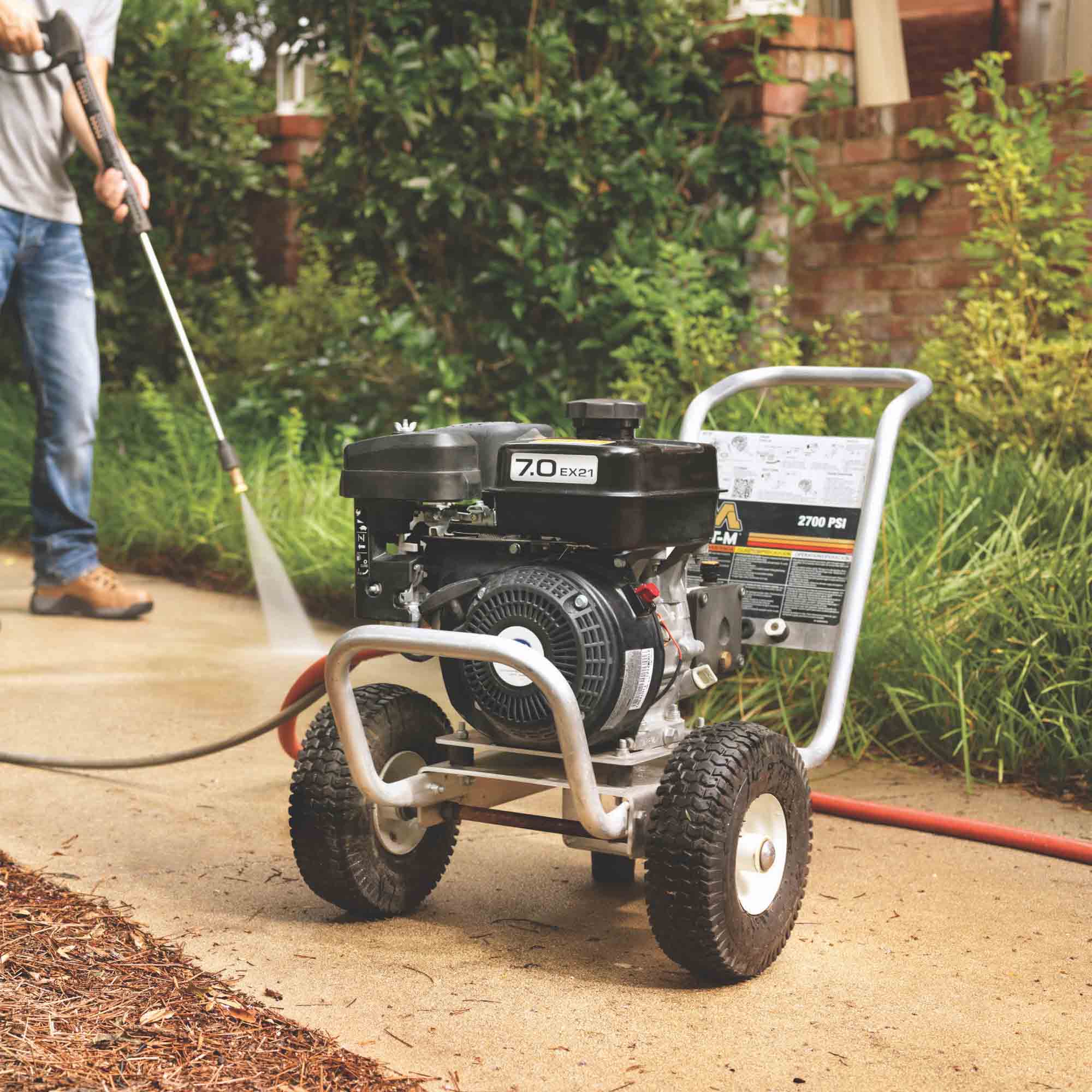
Gas pressure washers burn fuel. This process releases harmful gases into the air. These gases include carbon monoxide and nitrogen oxides. They contribute to air pollution and climate change. Electric pressure washers run on electricity. They produce no direct emissions while running. Their environmental impact depends on how the electricity is made.
Noise Pollution
Gas pressure washers are usually loud. Their engines create high noise levels. This noise can disturb neighbors and wildlife. Electric pressure washers operate much quieter. They cause less noise pollution in your area. This makes them better for use in residential zones.
Energy Consumption
Gas pressure washers consume gasoline. Gas is a non-renewable resource. Its extraction and use harm the environment. Electric pressure washers use electric power. The source of this power matters. Renewable energy sources reduce the environmental footprint. Electric washers tend to be more energy-efficient overall.
Credit: www.homedepot.com
Safety And Durability
Safety and durability are key factors when choosing between electric and gas pressure washers. Both types have unique features that affect how safe they are to use and how long they last. Understanding these differences helps you pick the right tool for your cleaning needs.
Operating Risks
Electric pressure washers carry less risk of harmful fumes. They run on electricity, so no gas or exhaust is involved. This makes them safer for indoor or enclosed areas.
Gas pressure washers produce exhaust fumes. These fumes can be dangerous if used in poorly ventilated spaces. Their engines also run hotter, which adds risk during operation.
Both types can cause injury if handled carelessly. High water pressure can cut skin or damage surfaces. Always wear protective gear and read the instructions carefully.
Build Quality
Electric models often have simpler designs. They use fewer moving parts, which means less can go wrong. Their lightweight build makes them easy to carry and store.
Gas washers are built with tougher materials. They have strong metal frames and heavy-duty engines. This makes them more rugged and better for tough jobs.
Electric washers suit light to medium cleaning tasks. Gas washers handle heavy-duty work and rough conditions better.
Longevity
Electric pressure washers need less maintenance. No oil changes or fuel refills are required. This can extend their lifespan if cared for properly.
Gas pressure washers require regular upkeep. Engine oil, spark plugs, and filters need attention. Proper care can make them last many years.
Electric washers may wear out faster under heavy use. Gas models usually last longer but require more effort to maintain.
Cost Analysis
Cost plays a big role in choosing between electric and gas pressure washers. Understanding the expenses involved helps make a smart choice. This section breaks down the costs into three parts: the initial price, operating costs, and long-term value. Each part shows the financial impact of each type.
Initial Purchase Price
Electric pressure washers usually cost less to buy. They have simpler motors and fewer parts. Gas pressure washers cost more because of their powerful engines. This means a higher upfront investment for gas models. Budget buyers often prefer electric washers for this reason.
Operating Costs
Electric washers use electricity, which is cheaper than gas. They need less maintenance, saving money over time. Gas washers require fuel and regular engine care. Oil changes and spark plugs add to the cost. These costs build up with frequent use.
Long-term Value
Electric washers last long with less upkeep. They work well for small to medium jobs. Gas washers handle tough tasks and last if maintained well. Their higher running costs might pay off in heavy-duty use. Consider how often and what you clean to decide value.
Best Uses For Each Type
Choosing between an electric pressure washer and a gas pressure washer depends on the type of cleaning tasks. Each type suits different jobs better. Understanding their best uses helps pick the right tool for your needs.
Residential Use
Electric pressure washers work well for home cleaning tasks. They are quiet, lightweight, and easy to use. Perfect for washing cars, patios, decks, and garden furniture. They provide enough power for most household dirt and grime.
Gas pressure washers are strong and good for bigger home jobs. They handle tough stains on driveways and large surfaces. Ideal for people with large yards or heavy-duty cleaning needs.
Commercial Use
Gas pressure washers dominate commercial jobs. They offer higher pressure and longer run times. Useful for construction sites, large buildings, and industrial cleaning. They can operate far from power outlets without issues.
Electric washers suit small businesses with light to medium cleaning tasks. They need less maintenance and are easier to transport. Great for indoor cleaning and noise-sensitive areas.
Specialized Cleaning Jobs
Electric washers excel in delicate cleaning jobs. They provide gentle pressure that protects fragile surfaces. Useful for cleaning windows, boats, and outdoor furniture without damage.
Gas washers handle stubborn dirt and heavy grease well. They work best on concrete, machinery, and equipment with tough grime. Suitable for deep cleaning tasks where power matters most.
Choosing The Right Pressure Washer
Choosing the right pressure washer can make your cleaning tasks easier and faster. Understanding your needs and what each type offers helps you pick the best option. Both electric and gas pressure washers have strengths. Knowing these will guide you to the right choice for your home or work.
Assessing Your Needs
Think about the jobs you want to do. Small jobs like washing cars or patios work well with electric washers. They are lighter and quieter. For heavy tasks like cleaning driveways or decks, gas washers offer more power. Also, consider how often you will use it. Regular use may need a stronger machine.
Budget Considerations
Electric pressure washers usually cost less upfront. They use less fuel and need less maintenance. Gas pressure washers are pricier but work better for tough jobs. Keep in mind fuel costs and repairs. Choose a model that fits your budget both now and later.
Future Maintenance
Electric washers need little upkeep. No oil changes or fuel storage needed. Gas washers require regular engine care. You must change oil and clean filters. Think about your willingness to do maintenance. This can affect how long your washer lasts.
:strip_icc()/BHG-Gas-Electric-pressure-washer_103089703_957382570--7e1abd1121094722a557e43f47504f95.jpg)
Credit: www.bhg.com

Credit: www.youtube.com
Frequently Asked Questions
What Are The Main Differences Between Electric And Gas Pressure Washers?
Electric washers are quieter, lighter, and easier to maintain. Gas washers provide more power and mobility but are noisier and heavier.
Which Pressure Washer Is Better For Home Use?
Electric pressure washers suit most home tasks due to their convenience and low noise. Gas washers are ideal for heavy-duty cleaning.
How Do Operating Costs Compare For Electric Vs Gas Washers?
Electric washers cost less to operate since electricity is cheaper than gas. Gas washers require fuel and more maintenance, increasing costs.
Are Electric Pressure Washers Less Powerful Than Gas Models?
Generally, yes. Gas washers deliver higher PSI and GPM, making them better for tough jobs. Electric washers handle light to medium cleaning well.
Conclusion
Choosing between electric and gas pressure washers depends on your needs. Electric washers work well for small jobs and are quiet. Gas washers offer more power and move freely without cords. Consider where you will use it and how often.
Think about noise and maintenance too. Each type has its strengths and limits. Pick the one that fits your tasks best. This way, you get the job done right and easy.

Michael Harris is an experienced woodworker and power tool expert with over 12 years in woodworking. Specializing in functional, high-quality furniture, he offers expert advice on tool selection, maintenance, and sharpening for both beginners and professionals.