
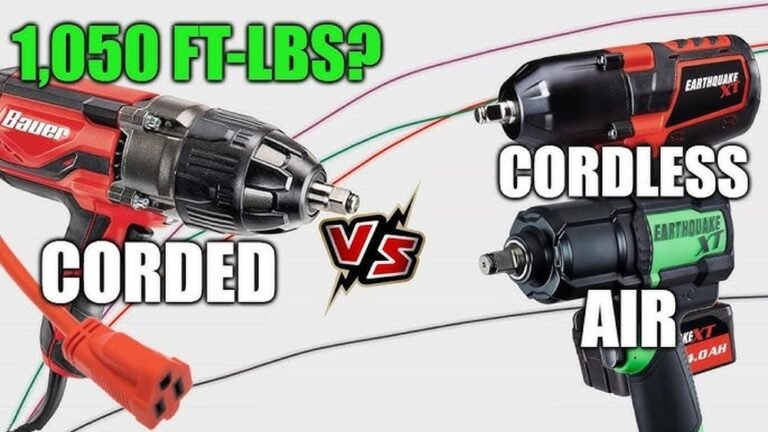
Are you trying to decide between a cordless and a corded impact driver but feeling stuck? Choosing the right tool can make your projects faster, easier, and even more enjoyable.
But which one truly fits your needs? You’ll discover the key differences, advantages, and drawbacks of both types. By the end, you’ll know exactly which impact driver is the best match for your work style and budget. Keep reading—your perfect tool is just a few minutes away.
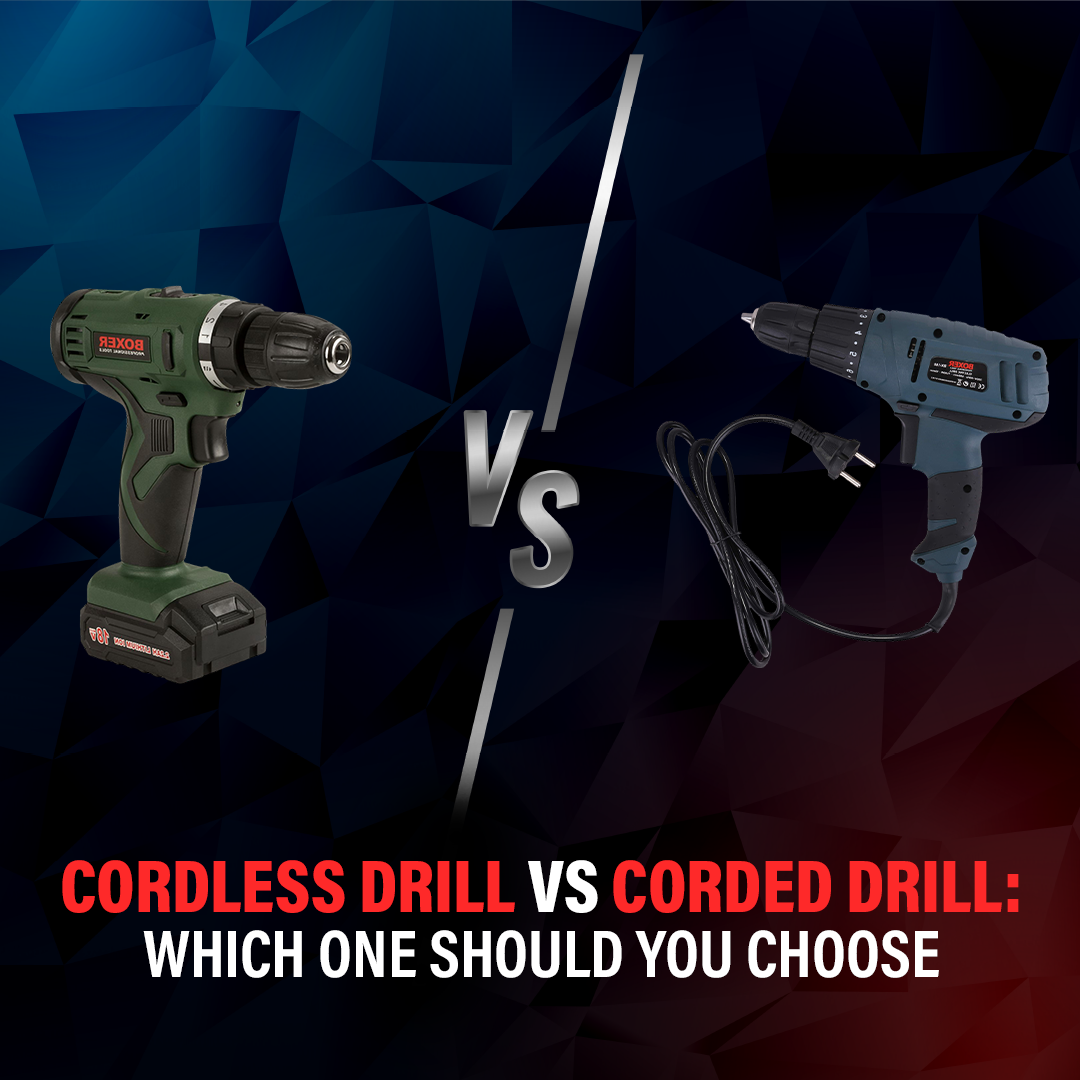
Credit: boxertools.eu
Key Features Of Impact Drivers
Impact drivers are essential tools for many projects. They deliver high force to drive screws and bolts easily. Understanding their key features helps choose the right one for your needs. Power, speed, and design affect how well the tool performs and feels during use.
Power And Torque
Power shows how strong an impact driver is. Torque measures the twisting force it produces. Higher torque means the driver can handle tougher jobs. Corded models often provide constant power. Cordless ones depend on battery strength but offer mobility.
Speed And Control
Speed affects how fast the driver spins. Variable speed settings let you adjust control. Lower speed suits delicate work. Higher speed works for quick driving. Good control prevents damage to materials and fasteners.
Ergonomics And Design
Ergonomics means how comfortable the tool feels. A well-designed grip reduces hand fatigue. Lightweight models are easier to handle for long tasks. Balance and size also impact ease of use. Compact designs fit tight spaces better.
Advantages Of Cordless Impact Drivers
Cordless impact drivers offer many advantages for both professionals and DIYers. They remove the limits of power cords, making work easier and faster. These tools provide flexibility that corded models cannot match. Their design focuses on user comfort and efficiency, enhancing overall job performance.
Portability And Convenience
Cordless impact drivers are easy to carry around. Without a cord, moving from place to place is simple. They fit in tight spaces and allow work outdoors without power outlets. This freedom improves productivity and reduces setup time.
Battery Life And Charging
Modern batteries last long enough for most tasks. Quick charging technology gets you back to work faster. Some batteries allow you to swap and keep going without waiting. This means less downtime and more completed jobs.
Versatility On Job Sites
Cordless impact drivers handle many materials like wood, metal, and plastic. They adapt well to different screw sizes and fasteners. Their compact size helps in awkward or hard-to-reach places. This versatility makes them valuable on any job site.
Benefits Of Corded Impact Drivers
Corded impact drivers offer several advantages that suit many users. These tools provide steady power, reliable performance, and often cost less than their cordless peers. Their design also tends to favor balance and lighter weight, which helps reduce fatigue during use. Below are some key benefits that make corded impact drivers a solid choice for various tasks.
Consistent Power Supply
Corded impact drivers plug directly into an electrical outlet. This connection gives them a constant flow of power. Users do not need to stop and recharge batteries. The tool runs at full strength from start to finish. This makes them ideal for long jobs or heavy-duty work.
Lighter Weight And Balance
Without a battery pack, corded drivers are often lighter. This reduces strain on the wrist and arm. Their weight is usually balanced well around the handle. This balance helps with control and precision. Users can work longer without feeling tired.
Cost-effectiveness
Corded impact drivers generally cost less upfront. There is no need to buy extra batteries or chargers. They also tend to have fewer parts that wear out quickly. This lowers maintenance expenses. For those on a budget, corded models offer good value.
Limitations Of Cordless Impact Drivers
Cordless impact drivers offer great freedom and convenience. Yet, they come with some limits that users must consider. Understanding these drawbacks helps in choosing the right tool for the job.
Battery Dependency
Cordless impact drivers rely completely on batteries. If the battery runs out, the tool stops working. This can interrupt work, especially on long projects. Always carrying extra batteries is necessary for continuous use.
Potential Downtime
Charging batteries takes time. During charging, the tool cannot be used. This downtime can slow down work progress. It requires planning to avoid delays on important tasks.
Higher Initial Investment
Cordless models usually cost more upfront. Batteries and chargers add to the price. This higher cost might not fit all budgets. It is important to weigh cost against convenience and portability.
Drawbacks Of Corded Impact Drivers
Corded impact drivers have been a staple in workshops and construction sites for years. They offer reliable power and continuous use without battery worries. Yet, they come with some clear drawbacks. These issues can affect how well you work and your overall experience.
Restricted Mobility
The cord limits your movement and reach. You must stay near a power outlet. This restriction can slow down your work. Moving around a large job site becomes harder. The cord can also get tangled or caught on objects. This limits your freedom and efficiency.
Cord Management Issues
Handling the cord can be frustrating. It may twist or knot during use. Untangling the cord wastes time and disrupts your work. The cord can wear out or get damaged over time. This can lead to unsafe situations or power loss. Proper storage is necessary but takes extra effort.
Safety Concerns
The cord can pose tripping hazards. Workers might accidentally pull the tool off a surface. Damaged cords risk electric shocks or short circuits. Using corded tools near water increases danger. Careful attention is needed to avoid accidents. These safety issues require constant awareness.
Performance Comparison In Different Tasks
Choosing between cordless and corded impact drivers depends on the tasks you perform. Each type offers different strengths in power, mobility, and ease of use. This section compares their performance across various jobs.
Diy And Home Improvement
Cordless impact drivers are popular for home projects. They provide freedom to move without a cord. Most DIY tasks do not need constant high power. Battery life usually lasts long enough for small jobs.
Corded models deliver steady power without battery worry. They work well for heavy screwing or drilling tasks. However, the cord can limit movement around the house. For simple repairs and furniture assembly, cordless tools are easier.
Professional Construction Work
Construction sites demand high power and durability. Corded impact drivers offer consistent torque for tough materials. They run continuously without downtime. This suits long hours and heavy-duty tasks.
Cordless tools have improved with strong batteries. Professionals appreciate their portability on large sites. Battery swaps reduce delays, but power may drop as batteries drain. Corded drivers remain preferred for maximum reliability and strength.
Automotive Repairs
Automotive work requires precision and power. Cordless impact drivers allow easy access in tight spaces. Their compact size helps reach hard spots under the hood.
Corded drivers provide reliable torque for stubborn bolts. They keep working without battery changes. For quick repairs, cordless tools offer convenience. For extended jobs, corded models ensure steady performance.
Maintenance And Longevity
Maintenance and longevity are key factors in choosing between cordless and corded impact drivers. Proper care extends the tool’s life and keeps performance strong. Both types need regular attention but differ in what to focus on.
Battery Care Tips
Cordless impact drivers rely on batteries that need good care. Always charge batteries fully before use. Avoid letting them drain completely. Store batteries in a cool, dry place. Keep battery contacts clean and free from dirt. Use the charger made for your battery type. Replace batteries if they no longer hold a charge well.
Cord And Motor Maintenance
Corded impact drivers need care for both the cord and motor. Check the power cord for cuts or frays. Replace damaged cords immediately to avoid hazards. Keep the motor vents clear of dust and debris. Wipe the tool clean after each use. Lubricate moving parts as the manual suggests. Proper motor care prevents overheating and extends tool life.
Troubleshooting Common Issues
Both cordless and corded drivers can face common problems. If a cordless driver won’t start, check the battery charge first. For corded models, ensure the cord is plugged in and intact. If the driver stalls or slows, clean the motor vents. Loose bits or worn-out brushes might cause poor performance. Regular checks help catch issues early and keep your tool working well.
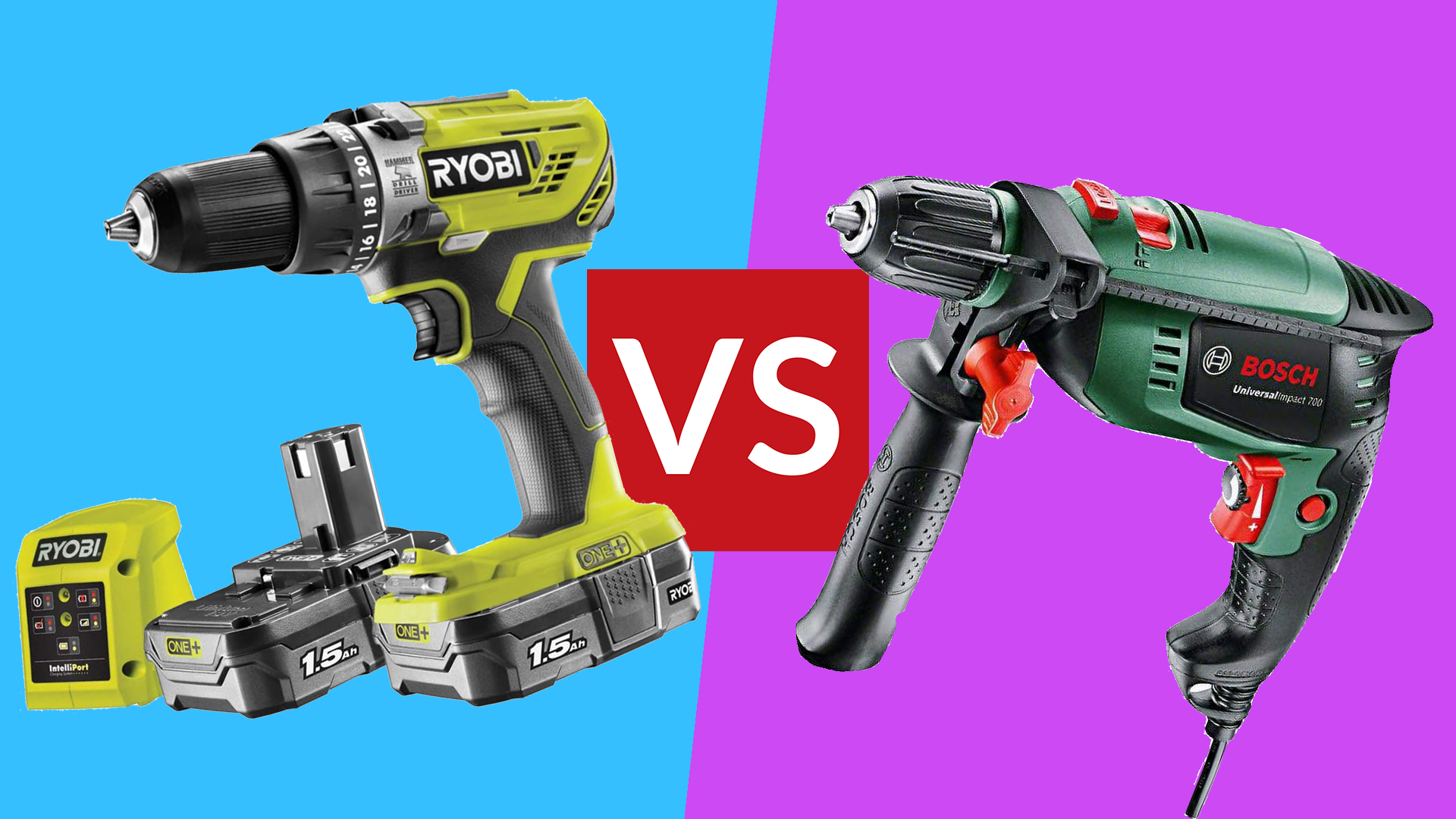
Credit: www.t3.com
Cost Analysis And Value
Choosing between a cordless and a corded impact driver involves understanding costs and value. Both types have unique price points and expenses over time. Knowing these details helps pick the right tool for your budget and needs.
Initial Purchase Price
Corded impact drivers usually cost less upfront. They need no batteries or chargers, lowering the price. Cordless models come with batteries and chargers, raising the starting cost. The price depends on battery quality and brand reputation. Spending more initially on cordless tools might offer better convenience.
Long-term Expenses
Cordless drivers require battery replacements after a few years. Batteries lose charge capacity and need buying again. Chargers and extra batteries add to the total cost. Corded drivers have fewer parts to replace, so they cost less over time. Yet, corded tools limit movement, possibly affecting work speed.
Resale And Upgrade Potential
Cordless impact drivers often hold better resale value. Buyers like tools with modern battery systems. Upgrading batteries or the tool itself is easier with cordless models. Corded tools have less appeal in resale markets. Upgrades mean more flexibility but can increase overall investment.
Making The Right Choice
Choosing between a cordless and a corded impact driver can feel tricky. Both have clear benefits. Picking the right one depends on your specific needs and work conditions. This section helps you decide which tool suits you best. Consider these key points before buying.
Assessing Your Needs
Think about the types of projects you do. Small home tasks might need less power. Big construction jobs require more strength. Cordless drivers offer freedom to move anywhere. Corded models provide constant power without battery worries. Match the tool to your project size and frequency.
Work Environment Factors
Look at the place you work most. Outdoor jobs may lack power outlets. Cordless drivers work well without cords in these spots. Indoor or workshop settings often have easy access to electricity. Corded drivers deliver steady power in such places. Safety is key. Avoid tripping hazards with cordless in tight spaces.
Future-proofing Your Toolkit
Think about tool upgrades and battery life. Cordless tools improve with better batteries and chargers. You can add more tools using the same battery system. Corded tools stay the same but don’t need charging. Choose a system that grows with your needs. This saves money and hassle later on.
Credit: jpttools.com
Frequently Asked Questions
What Are The Main Differences Between Cordless And Corded Impact Drivers?
Cordless drivers offer portability and convenience without a power cord. Corded drivers provide consistent power without battery limitations. Corded models are often lighter. Cordless tools rely on battery life and require charging.
Which Impact Driver Is Better For Heavy-duty Projects?
Corded impact drivers are generally better for heavy-duty tasks. They offer continuous power without interruptions. Cordless models may lose power as batteries drain. Heavy users prefer corded for sustained performance.
How Long Do Cordless Impact Driver Batteries Typically Last?
Battery life varies by model and usage. Most cordless impact drivers run 1-3 hours per charge. Higher capacity batteries last longer. Frequent use may require extra batteries for continuous work.
Are Cordless Impact Drivers More Convenient For Outdoor Jobs?
Yes, cordless impact drivers excel outdoors due to portability. No power outlet or extension cord is needed. They allow freedom of movement and quick tasks in remote areas.
Conclusion
Choosing between cordless and corded impact drivers depends on your needs. Cordless offers freedom to move without wires. Corded provides constant power for long tasks. Think about your work style and where you use the tool. Battery life and power are key factors.
Both types have strengths and fit different jobs. Pick the one that suits your projects best. The right tool makes work easier and faster. Simple as that.

Michael Harris is an experienced woodworker and power tool expert with over 12 years in woodworking. Specializing in functional, high-quality furniture, he offers expert advice on tool selection, maintenance, and sharpening for both beginners and professionals.