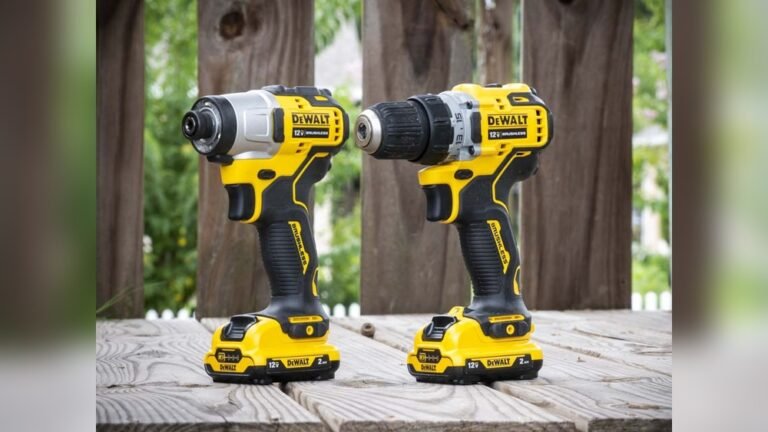

Are you trying to figure out whether a cordless drill or an impact driver is the right tool for your next project? It’s easy to get confused since both look similar and seem to do the same job.
But knowing the differences between them can save you time, effort, and even money. You’ll discover exactly how these two tools work, when to use each one, and which one fits your needs best. Keep reading—you’re about to make your tool choices a whole lot clearer.
Cordless Drill Basics
A cordless drill is a popular power tool in many homes and workshops. It offers flexibility and ease of use without the need for a power outlet. Understanding the basics of a cordless drill helps in choosing the right tool for your tasks.
This tool is designed to drill holes and drive screws with varying speed and torque. It works on a rechargeable battery, making it portable and convenient for many projects.
Design And Function
A cordless drill has a pistol-like shape with a handle and trigger. It includes a chuck that holds drill bits or screwdriver bits securely. The motor inside powers the rotation of the chuck.
The drill can adjust speed and torque to suit different materials and tasks. It usually has two or more speed settings and a clutch to control torque. This helps prevent over-driving screws or damaging surfaces.
Common Uses
Cordless drills are great for drilling holes in wood, metal, and plastic. They also drive screws into various materials easily. Homeowners use them for furniture assembly, hanging shelves, and small repairs.
They work well for light to medium-duty tasks. Many DIY projects and basic construction jobs rely on cordless drills for their versatility.
Key Features
Most cordless drills come with adjustable speed control. This allows the user to slow down for precision or speed up for faster drilling. The torque clutch helps protect screws and materials from damage.
Rechargeable lithium-ion batteries provide longer run time and quick charging. Lightweight design reduces user fatigue during extended use. LED lights are common to improve visibility in dark areas.
Credit: www.kokido.com
Impact Driver Essentials
Understanding the basics of an impact driver helps you see how it differs from a cordless drill. This tool offers unique power and control for certain tasks. It is a must-have for many builders and DIYers.
Below are key points about impact drivers that explain how they work, where to use them, and what makes them special.
How It Works
An impact driver uses a motor to spin the bit quickly. It also delivers strong bursts of force. This force, called “impacts,” helps drive screws deeper and faster.
Inside, a spring and hammer mechanism create these impacts. This action reduces strain on your wrist and stops the bit from slipping.
Typical Applications
Impact drivers excel at driving long screws and bolts. They handle tough materials like wood, metal, and concrete well. They work best for building decks, installing cabinets, and fastening heavy materials.
They are less ideal for delicate drilling tasks or precise hole making. For those jobs, a cordless drill is better.
Distinct Characteristics
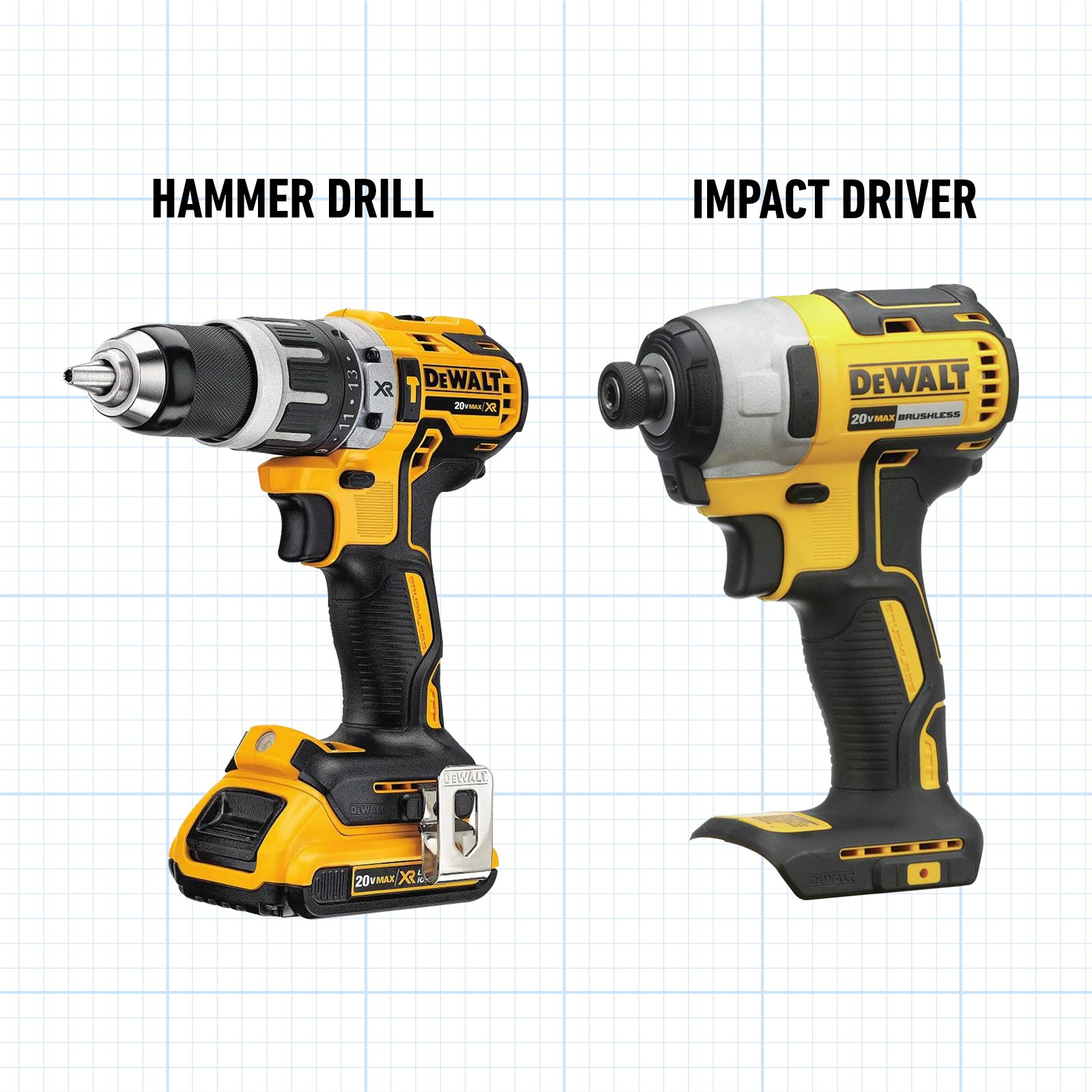
Impact drivers have a compact and lightweight design. This makes them easier to use in tight spaces. They use a hex chuck instead of a round one. This allows quick bit changes.
The tool makes a loud tapping sound during use. This noise comes from the impact mechanism. The high torque output sets impact drivers apart from drills. They provide more power for tough fastening jobs.
Power And Torque Comparison
Power and torque are key factors when choosing between a cordless drill and an impact driver. These two tools serve different purposes, and their strength levels reflect that. Understanding their power and torque helps pick the right tool for the job.
Power Output Of Cordless Drills
Cordless drills offer steady power suitable for drilling holes and light fastening. Their motor runs smoothly, delivering consistent speed. Most cordless drills have power ratings between 12V and 20V. This power level handles wood, plastic, and thin metal easily.
Power Output Of Impact Drivers
Impact drivers provide bursts of high power for tough tasks. They use a hammering action that adds extra force. Impact drivers usually have power ratings from 18V to 20V. This makes them ideal for driving large screws and bolts quickly.
Torque Levels In Cordless Drills
Cordless drills generate moderate torque. This torque is enough for drilling and light screw-driving. The torque range typically falls between 300 and 600 inch-pounds. It works well for small to medium projects around the home.
Torque Levels In Impact Drivers
Impact drivers deliver high torque, often between 1,200 and 2,000 inch-pounds. The hammering action multiplies torque without straining the user. This high torque helps drive long screws and lag bolts into hard materials.
Size And Weight Differences
Size and weight play a big role in choosing between a cordless drill and an impact driver. These tools look similar but feel different in your hand. Understanding their size and weight helps you pick the right tool for the job.
Both tools are made to be easy to carry. Yet, their design goals change how heavy and big they are. This affects comfort during work and the kind of tasks each tool can handle well.
Cordless Drill Size And Weight
Cordless drills usually have a larger body. This is because they include a chuck for different drill bits. The weight is spread evenly for balance.
Most cordless drills weigh between 3 to 5 pounds. They feel solid but can get tiring if used for a long time. Their bigger size can make them harder to fit in tight spaces.
Impact Driver Size And Weight
Impact drivers are more compact and lighter. They have a smaller head since they use quick-change hex chucks. This design makes them easier to handle.
Weight usually ranges from 2 to 4 pounds. This lightness helps reduce hand fatigue. Smaller size lets you work in narrow spots more easily.
How Size And Weight Affect Use
Heavier drills offer power but can tire your arms fast. Lighter impact drivers help with quick, repetitive tasks. Size affects where each tool fits best.
Choose a tool that feels right in your hand. Think about how long you will use it and where you will work. Size and weight matter for comfort and control.
Versatility And Attachments
Understanding the versatility and attachments of cordless drills and impact drivers helps choose the right tool. Each tool has unique uses and works best with specific attachments. Knowing these differences saves time and effort during projects.
Versatility Of Cordless Drills
Cordless drills are multipurpose tools. They can drill holes in wood, metal, and plastic. They also drive screws with ease. Speed and torque settings vary for different tasks. This makes cordless drills suitable for many home and DIY jobs.
Versatility Of Impact Drivers
Impact drivers are strong and made for tough jobs. They deliver high torque in short bursts. This power helps drive large screws and bolts quickly. Impact drivers work well on dense materials like hardwood and metal. They are less useful for delicate drilling.
Common Attachments For Cordless Drills
Cordless drills use many attachments. Drill bits come in various sizes for different holes. Screwdriver bits fit many screw types. Some drills use sanding or mixing attachments. This variety adds to their flexibility for many tasks.
Common Attachments For Impact Drivers
Impact drivers use special bits designed for strong force. These bits include hex shanks for quick changes. They handle long screws and lag bolts well. Impact-rated bits last longer under heavy use. Fewer attachment types suit impact drivers compared to drills.
:max_bytes(150000):strip_icc()/SPR-impact-driver-vs-drill-5116867-hero-37b95592c1a44e97baa3de9f859fbd0a.jpg)
Credit: www.thespruce.com
Battery Life And Performance
Battery life and performance are key factors when choosing between a cordless drill and an impact driver. Both tools rely on batteries to provide power and mobility. Understanding how each performs helps you pick the right tool for your tasks.
Battery Life Of Cordless Drills
Cordless drills often have longer battery life during light to medium tasks. They use less power when drilling holes or driving screws. This efficiency helps the battery last through several projects. Most drills come with batteries that support hours of work before needing a recharge.
Battery Life Of Impact Drivers
Impact drivers use more power because they deliver extra torque. This high power drains the battery faster during heavy-duty jobs. Despite this, many modern impact drivers have batteries designed to last for tough tasks. Their batteries recharge quickly, so downtime stays low.
Performance Of Cordless Drills
Cordless drills offer steady power for drilling and light screwdriving. They work well on wood, plastic, and metal. Drills spin at a constant speed, making them perfect for precise work. Their performance is reliable for most household and DIY projects.
Performance Of Impact Drivers
Impact drivers excel at driving large screws and bolts quickly. They use strong bursts of torque to handle tough materials. This power makes them ideal for construction and heavy fastening jobs. Impact drivers reduce hand strain by delivering force efficiently.
Ease Of Use And Comfort
Ease of use and comfort are key when choosing between a cordless drill and an impact driver. These tools often feel different in your hand. Comfort affects how long you can work without feeling tired.
Both tools have unique designs that change how they handle. Understanding these differences helps you pick the best tool for your project and your comfort.
Weight And Size
Cordless drills tend to be lighter and smaller. This makes them easier to hold for long periods. Impact drivers are usually bulkier. They have more power but can feel heavier. This might cause fatigue during long use.
Grip And Handling
Drills have a straight handle, making them simple to control. Impact drivers have a more compact grip. This helps with torque but can feel tight for bigger hands. Both tools often have rubber grips to reduce slipping.
Noise And Vibration
Impact drivers produce more noise and vibration. This can be uncomfortable without ear protection. Cordless drills run quieter with less vibration. They are better for delicate tasks or long work sessions.
Ease Of Bit Change
Cordless drills often use a keyless chuck. This makes changing bits quick and easy. Impact drivers use a quick-release collet. This lets you swap bits fast but may need more force to insert bits properly.
Choosing The Right Tool
Choosing the right tool between a cordless drill and an impact driver is key for any task. Each tool suits different jobs and users. Picking the right one saves time and effort. It also helps you finish projects with better results.
Consider the type of project, your skill level, and your budget. These factors guide you to the best choice for your needs.
Project Types
A cordless drill works well for drilling holes and driving small screws. It handles light to medium tasks easily. An impact driver excels at driving large screws and bolts. It offers more power and torque. Choose based on the work you do most often.
User Skill Level
Beginners find cordless drills easier to control. They offer more precision and slower speeds. Impact drivers are better for users with some experience. They require a steady hand due to high torque. Match the tool to your comfort and skill.
Budget Considerations
Cordless drills often cost less than impact drivers. They are a good start for basic needs. Impact drivers tend to be pricier but provide more power. Think about how often you will use the tool. Invest wisely based on your budget and tasks.
Maintenance Tips
Proper maintenance keeps both cordless drills and impact drivers working well. It helps them last longer and perform better. Simple care steps make a big difference.
Cleaning The Tool Regularly
Dust and dirt can harm your tool’s parts. Use a dry cloth to wipe the drill or driver after use. Avoid water or harsh cleaners. Keep the vents clear for good airflow.
Checking And Charging The Battery
Battery care is key for cordless tools. Charge batteries fully before use. Don’t leave them empty for long periods. Store batteries in a cool, dry place.
Inspecting The Chuck And Bits
Look at the chuck and bits often. Tighten loose parts to prevent damage. Replace worn bits to keep drilling smooth. This stops the tool from slipping or jamming.
Lubricating Moving Parts
Some parts need light oil to stay smooth. Use tool oil on the chuck and joints. Avoid over-oiling, which can attract dirt. Regular lubrication reduces wear and noise.
Storing The Tool Properly
Keep your drill or driver in a dry case. Avoid leaving it in damp or hot places. Proper storage protects the battery and metal parts. It also prevents accidental damage.

Credit: www.youtube.com
Frequently Asked Questions
What Is The Main Difference Between A Cordless Drill And Impact Driver?
A cordless drill uses rotational force for drilling and driving screws. An impact driver adds concussive force, ideal for tightening tough screws and bolts quickly. The impact driver offers more torque, while the drill is versatile for various tasks.
When Should I Use A Cordless Drill Over An Impact Driver?
Use a cordless drill for drilling holes and light screwdriving. It’s best for precision and delicate tasks. Choose an impact driver for heavy-duty fastening, especially with long or thick screws needing extra torque and power.
Are Cordless Drills Or Impact Drivers Better For Diy Projects?
Cordless drills are better for general DIY tasks due to versatility. Impact drivers excel in heavy fastening jobs but can be harder to control for beginners. Many DIYers benefit from having both tools for different needs.
Can I Use Drill Bits In An Impact Driver?
Impact drivers are designed mainly for hex-shank driver bits. Standard drill bits often don’t fit securely. Special impact-rated drill bits are available but using a cordless drill is safer and more effective for drilling holes.
Conclusion
Both cordless drills and impact drivers have clear uses. Drills work well for drilling holes and light screws. Impact drivers handle tough screws and bolts better. Choose the tool that fits your project needs. Using the right tool saves time and effort.
Keep both handy for a versatile toolbox. Understanding their differences helps you work smarter. Simple tools, big results.

Ms.Sultana
Affiliate Marketer | SEO Specialist | Blogger at Elite Global Marketing Agency
Ms.Sultana brings over 16 years of expertise working with global Clients by providing different skills and Services. For the last 5 years working as an Affiliate marketer, specializing in high-ticket campaigns that drive exponential growth. She holds a degree in Computer Science and Engineering as well as achieved many more skills certificates from different institute/academies/Platform. As part of the Elite Global Marketing team, Sultana has helped clients generate millions in revenue through strategic partnerships, innovative funnels, and data-driven insights. She’s passionate about empowering businesses to scale by connecting them with the right affiliate opportunities.
Explore our resources or connect with us on LinkedIn to stay ahead in affiliate marketing.