
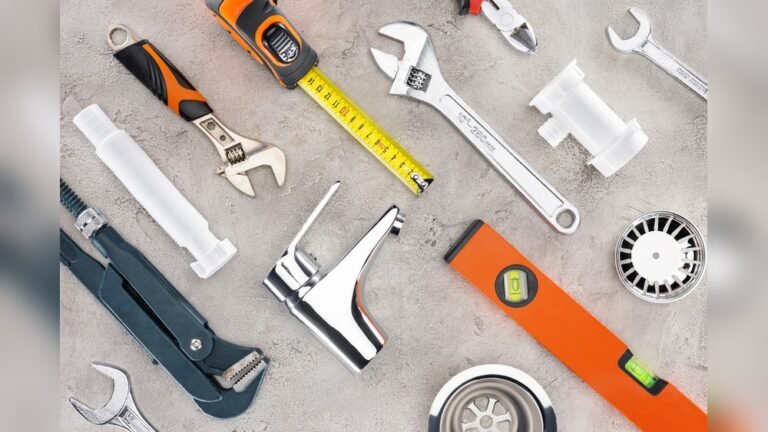
Your hand tools are more than just metal and wood—they’re your trusted partners in every project. If you want them to last longer and work better every time you pick them up, proper care is key.
Imagine grabbing your favorite wrench or hammer, and it feels just right—smooth, sharp, and ready to go. That’s what you get when you know how to care for your hand tools the right way. You’ll discover simple, effective tips that save you time and money while keeping your tools in top shape.
Ready to make your tools last a lifetime? Let’s dive in.

Credit: www.axminstertools.com
Choosing Quality Tools
Choosing quality tools is the first step to caring for them well. Good tools last longer and work better. They save time and effort. Poor tools break easily and cause frustration. Invest in tools that offer value and reliability. This helps keep your work smooth and safe.
Material Matters
The material of a tool affects its strength and durability. Steel tools resist rust and wear. Look for high-carbon steel or stainless steel. These materials stay sharp and strong over time. Plastic handles should be sturdy, not brittle. Avoid cheap metals that bend or break easily. Quality materials mean tools stay useful for years.
Ergonomic Designs
Ergonomic tools fit comfortably in your hand. They reduce strain and improve grip. Soft, non-slip handles help prevent accidents. Tools with balanced weight feel easier to control. Choose tools that match your hand size. Comfortable tools make work less tiring. This encourages careful, precise use. Ergonomic design protects your hands during long tasks.
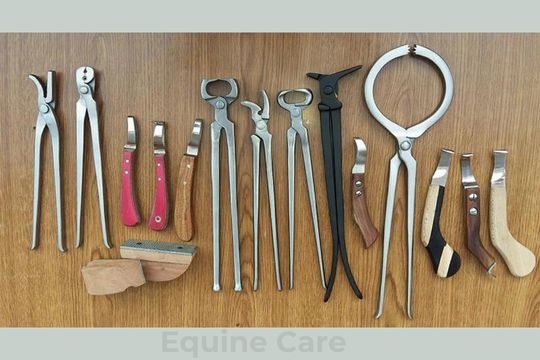
Credit: equinecares.com
Cleaning Your Tools
Cleaning your hand tools is a key step in keeping them useful and safe. Dirt and rust can damage the metal and make tools hard to use. Regular cleaning keeps tools sharp and working well. It also helps tools last longer. The process is simple and takes only a few minutes.
Removing Dirt And Rust
Start by wiping off dirt with a dry cloth. Use a brush to clean stuck debris. For rust, use fine steel wool or sandpaper. Rub gently until the rust is gone. You can also apply a rust remover. Let it sit for a few minutes before wiping. Clean all parts of the tool, including handles and joints.
Proper Drying Techniques
After cleaning, dry tools completely to stop rust. Use a clean, dry cloth to wipe off water. Leave tools in a warm, dry place for a while. Avoid leaving tools in damp or cold areas. Moisture causes rust and weakens metal. For extra protection, apply a light oil coat. This keeps tools dry and ready to use.
Lubricating Moving Parts
Lubricating moving parts is essential for hand tools. It keeps them working smoothly. Without oil or grease, parts can stick or wear out fast. Proper lubrication reduces friction and prevents rust. This care step helps tools last longer and work better.
Best Lubricants To Use
Light machine oil works well on most tools. It flows easily into small spaces. Silicone spray is good for metal and plastic parts. Grease suits heavy-duty tools with larger joints. Avoid thick oils that attract dirt and dust.
Frequency Of Application
Lubricate tools after every few uses. Check moving parts for dryness or noise. Tools stored in humid places need more care. A quick oil drop keeps parts moving freely. Regular checks prevent damage and improve tool life.
Sharpening Blades
Keeping your hand tools sharp makes your work easier and safer. Dull blades slow down tasks and can cause accidents. Regular sharpening keeps blades precise and effective. It also extends the life of your tools. Understanding which tools need sharpening and how to sharpen them helps maintain your toolkit well.
Tools That Need Sharpening
Many hand tools require sharp blades to work well. These include knives, chisels, scissors, and garden pruners. Axes and plane blades also need regular sharpening. Tools with cutting edges lose their sharpness with use. Checking these tools often helps keep them ready for use.
Sharpening Methods
Several ways exist to sharpen blades, each suited to different tools. A sharpening stone is common and effective for many edges. It smooths out roughness and restores sharpness. Files are good for larger blades like axes. Honing rods help keep knives sharp between major sharpenings. Electric sharpeners offer quick results but use carefully to avoid damage. Choose the right method based on your tool and skill level.
Storing Tools Safely
Storing tools safely protects them from damage and keeps your workspace tidy. Proper storage extends the life of your tools and makes them easy to find. Tools that are well stored stay sharp and work better over time.
Organized Storage Solutions
Use shelves, pegboards, or tool chests to keep tools organized. Each tool should have its own place. Group similar tools together for quick access. Labeling storage spots helps prevent clutter. Avoid piling tools on top of each other. Neat storage saves time and reduces accidents.
Protecting Against Moisture
Moisture causes rust and damages tools. Store tools in a dry place with good airflow. Use silica gel packs or moisture absorbers inside toolboxes. Wipe tools dry before storing them. Consider using rust-resistant sprays for extra protection. Keeping tools dry keeps them strong and reliable.
Regular Inspections
Regular inspections are key to keeping hand tools in good shape. Checking your tools often helps catch small problems early. This saves time and money. It also keeps your tools safe to use. A quick look over your tools can show signs of damage or wear. Knowing what to spot makes a big difference.
Identifying Wear And Tear
Look closely at the tool’s surface. Rust spots or cracks mean the tool is aging. Check handles for splits or looseness. Blades and edges should be sharp and clean. Dull or bent parts reduce tool performance. Loose screws or bolts need tightening. Small issues can turn into big problems fast.
When To Repair Or Replace
Fix minor problems like loose handles or small rust patches. Sand and oil metal parts to stop rust. Replace parts that do not work well anymore. If a tool is cracked or badly bent, it is unsafe. Broken tools should be replaced to avoid accidents. Keeping your tools in top shape saves effort later.
Handling Tools Properly
Handling tools properly helps keep them safe and working well. It also protects you from injuries. Using the right method extends the life of your hand tools. Learning how to handle them with care is simple and useful.
Safe Usage Practices
Always hold tools firmly. Keep your grip steady but not too tight. Use both hands if the tool is large or heavy. Make sure your work area is clear of obstacles. Wear safety gear like gloves and goggles for protection. Use tools only for their intended purpose. Check tools for damage before each use. Replace or repair broken tools to avoid accidents.
Avoiding Common Mistakes
Do not use tools with slippery handles. Avoid using tools with loose parts or cracks. Never carry tools by their cords or blades. Do not apply too much force; it can break tools or cause slips. Avoid distractions while working. Keep tools clean and dry to prevent rust. Store tools in their proper place after use. Teach others how to use tools safely.
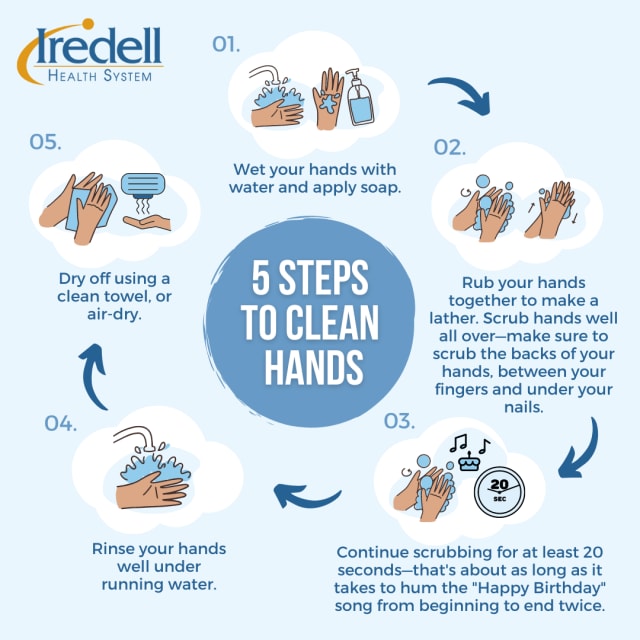
Credit: www.iredellhealth.org
Frequently Asked Questions
How Often Should I Clean My Hand Tools?
Clean your hand tools after every use to remove dirt and debris. Regular cleaning prevents rust and extends tool life. Use a dry cloth or brush for best results.
What Is The Best Way To Prevent Rust On Hand Tools?
Apply a light coat of oil or rust inhibitor to metal parts. Store tools in a dry, well-ventilated area. Avoid moisture exposure to keep tools rust-free.
How Do I Sharpen Hand Tools Safely?
Use the correct sharpening stone or file for each tool type. Maintain a consistent angle while sharpening. Always wear safety gloves to protect your hands.
Can I Use Household Items To Maintain My Hand Tools?
Yes, household items like vinegar can remove rust. Sandpaper or steel wool works for cleaning surfaces. However, specialized products offer better, longer-lasting results.
Conclusion
Caring for your hand tools keeps them working well and lasting long. Clean tools after use to stop rust and damage. Store them in a dry place to avoid moisture problems. Sharpen blades and oil moving parts regularly for smooth work.
Small habits make a big difference over time. Well-kept tools help you finish projects faster and easier. Take time to care for your tools today. Your future self will thank you.

Michael Harris is an experienced woodworker and power tool expert with over 12 years in woodworking. Specializing in functional, high-quality furniture, he offers expert advice on tool selection, maintenance, and sharpening for both beginners and professionals.