

If you use a circular saw, you know how important it is to have a sharp, properly installed blade. But when was the last time you changed yours?
Knowing how to change a circular saw blade yourself can save you time, money, and frustration. In this guide, you’ll get clear, simple steps to swap out your blade safely and quickly. Whether you’re a beginner or just need a refresher, this article will help you get your saw cutting like new again.
Ready to take control of your tool? Let’s get started.
Tools You’ll Need
Changing a circular saw blade needs some basic tools. Having the right tools makes the job quick and safe. It also helps avoid damage to the saw or blade. Below are the tools you must have before starting.
Wrench Or Allen Key
Most circular saws come with a special wrench or Allen key. This tool loosens and tightens the blade bolt. Without it, the blade won’t come off easily. Check your saw’s manual to find the correct size.
Blade Lock Button
The blade lock button holds the blade in place. Press this button before using the wrench. It stops the blade from turning and keeps you safe. Some saws have this feature built-in, others need manual locking.
Work Gloves
Wear gloves to protect your hands from sharp blade edges. Gloves give you a better grip on the blade. Safety first. Never skip this step to avoid cuts and injuries.
Safety Glasses
Safety glasses shield your eyes from dust and metal shards. Changing blades can release tiny particles. Protect your eyes to prevent any accidents or irritation.
New Circular Saw Blade
Always use the right blade for your saw and project. A dull or wrong blade can cause poor cuts or damage. Check blade size, teeth count, and material before buying.
Safety Precautions
Always unplug the saw before starting to change the blade. Wear safety gloves to protect your hands from sharp edges. Check that the new blade is the correct size and securely fastened before use.
Wear Protective Gear
Always wear safety glasses to protect your eyes from flying debris. Use gloves to avoid cuts and improve grip. Hearing protection helps reduce noise damage. Wear a dust mask if you work indoors or with dusty materials.
Disconnect The Power Source
Unplug the circular saw before changing the blade. For battery-powered saws, remove the battery pack. This prevents accidental starts and serious injuries during blade replacement.
Secure The Saw Properly
Place the saw on a flat, stable surface. Hold the saw firmly or clamp it down. This stops the saw from moving while changing the blade, making the process safer and easier.
Use The Correct Tools
Use the wrench or tool that comes with your saw. Avoid using makeshift tools to remove or tighten the blade. Proper tools ensure a secure fit and prevent damage to the saw.
Check The Blade Condition
Inspect the new blade for cracks, rust, or damage. Do not use a damaged blade. A good blade cuts better and reduces the risk of accidents.
Preparing The Saw
Preparing the saw is the first step before changing the circular saw blade. This step ensures safety and makes the blade change easier. Always take time to get ready properly. It saves effort and prevents accidents.
Before starting, unplug the saw from the power source. This stops the saw from turning on by mistake. Safety first.
Clear The Work Area
Remove any objects near the saw. A clean space helps avoid distractions and accidents. Keep tools and materials organized and away from the blade.
Lock The Blade
Use the blade lock button to stop the blade from moving. This lock holds the blade steady. It makes loosening the blade nut easier and safer.
Wear Safety Gear
Put on safety glasses and gloves. They protect your eyes and hands from dust and sharp edges. Safety gear is important for every step.
Removing The Old Blade
Removing the old blade from a circular saw is the first step to installing a new one. This process requires care and the right tools to ensure safety. Follow these clear steps to remove the blade without damage or injury.
Unlocking The Blade Guard
The blade guard covers the saw blade for safety. It must move freely to access the blade. Push the guard back gently to expose the blade. Some models have a lock that holds the guard in place. Press or slide this lock to keep the guard open.
Keep your fingers clear of the blade while handling the guard. Moving the guard carefully helps prevent accidents. Once the blade is fully visible, you can move to the next step.
Loosening The Arbor Nut
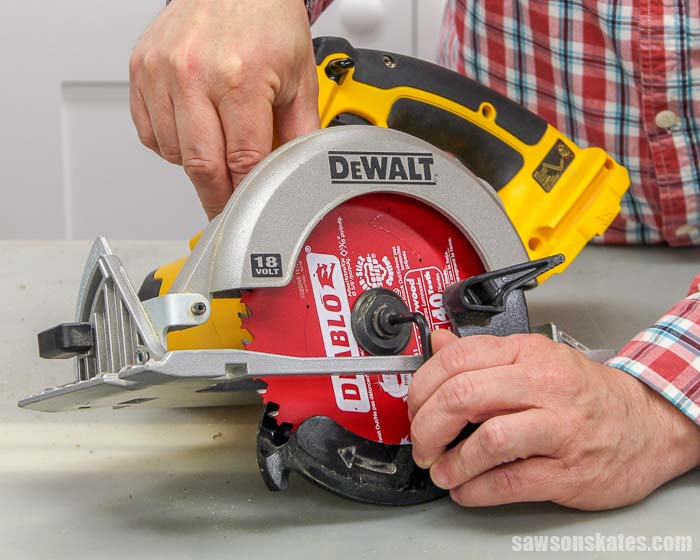
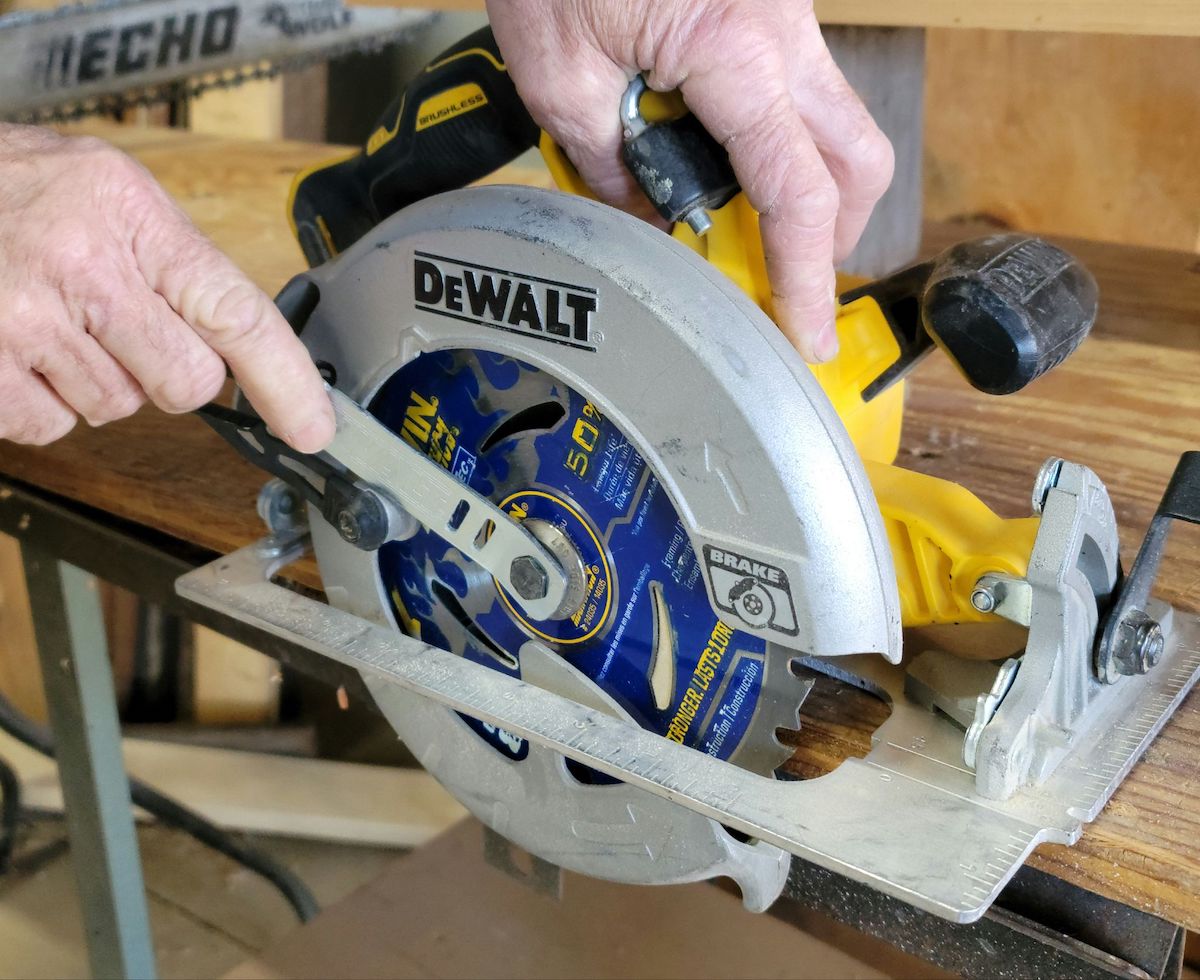
The arbor nut holds the blade firmly on the saw. To remove the blade, this nut must be loosened. Use the correct wrench that fits the nut size. Press the spindle lock button to stop the blade from turning.
Turn the wrench counterclockwise to loosen the nut. Sometimes, the nut can be tight. Use steady pressure and avoid forcing it. After loosening, remove the nut and any washers carefully. The blade should slide off easily now.
Choosing The Right Replacement Blade
Choosing the right replacement blade is key for your circular saw’s performance. The correct blade improves cutting speed and safety. It also extends the tool’s life. Understanding blade size and types helps pick the best one for your tasks.
Blade Size And Compatibility
Blade size must match your saw’s specifications. Most circular saws use 7-1/4 inch blades. Check your saw’s manual or the blade guard for exact size. The arbor hole size is also important. This hole fits the blade onto the saw’s motor shaft. Using the wrong size can cause vibration or damage.
Make sure the blade’s teeth count fits your project. More teeth give smoother cuts. Fewer teeth cut faster but rougher. Match the blade to the material type and thickness.
Blade Types And Materials
Blade types vary by use and material. Carbide-tipped blades last longer and cut wood cleanly. Steel blades are cheaper but dull faster. Diamond blades cut hard materials like tile and concrete. Choose the blade material based on your cutting job.
Some blades are for specific materials like plywood, metal, or plastic. Using the right blade prevents damage to the saw and the material. It also keeps your cuts precise and safe.
Credit: www.dentalhousecr.com
Installing The New Blade
Installing the new blade on your circular saw is an important step. It needs care and attention to ensure safe and smooth cutting. Follow the steps carefully to place the blade correctly.
Aligning The Blade Teeth
Place the new blade on the saw’s arbor. Make sure the teeth point in the right direction. The cutting edge should face forward, matching the saw’s rotation. Check the arrow on the blade and the saw housing to confirm alignment.
Tightening The Arbor Nut
Hold the blade firmly in place. Use the wrench that came with your saw to tighten the arbor nut. Turn the nut clockwise to secure the blade. Do not overtighten; just make it snug enough to hold the blade firmly. Double-check the blade to ensure it doesn’t move.
Final Safety Checks
Final safety checks are important before using your circular saw. They help prevent accidents and ensure the blade works correctly. Take time to review all parts and your setup for safe operation.
Check Blade Tightness
Make sure the blade is firmly secured. Use the wrench to tighten the bolt properly. A loose blade can cause wobbling and dangerous kickbacks.
Inspect Blade Guard
Confirm the blade guard moves freely and covers the blade fully. The guard protects your hands from accidental contact. Do not use the saw if the guard is stuck or damaged.
Test Saw Stability
Hold the saw and turn it on briefly without cutting. Listen for unusual sounds or vibrations. Any odd noise may signal a problem with the blade or motor.
Wear Protective Gear
Always put on safety goggles and gloves before use. Protect your eyes from flying debris and hands from sharp edges. Consider ear protection to reduce noise impact.
Clear Work Area
Remove any objects or debris near your cutting space. Keep the area clean to avoid tripping or distractions. Ensure good lighting to see your cutting line clearly.

Credit: www.youtube.com
Tips For Maintaining Your Circular Saw Blade
Maintaining your circular saw blade keeps it sharp and safe. Clean blades cut better and last longer. Proper care prevents damage and saves money on replacements.
Follow simple steps to care for your blade. Regular checks help catch problems early. A well-maintained blade makes every cut smooth and accurate.
Cleaning The Blade After Each Use
Remove sawdust and resin buildup on the blade. Use a soft brush or cloth for cleaning. Avoid harsh chemicals that can damage the blade.
Light cleaning keeps teeth sharp and prevents rust. Clean blades reduce friction and heat during cuts.
Checking For Damage And Wear
Inspect the blade before every use. Look for chipped or missing teeth and cracks. Replace the blade if damage is visible to avoid accidents.
Worn blades cause rough cuts and strain the saw motor. Timely replacement improves cutting quality and safety.
Sharpening The Blade Regularly
Keep the teeth sharp for clean cuts. Use a sharpening tool or take the blade to a professional. Dull blades increase kickback risk and damage the wood.
Regular sharpening extends the blade’s life and improves performance. Sharp blades use less power and cut faster.
Storing The Blade Properly
Store blades in a dry, safe place. Avoid contact with hard objects that can damage teeth. Use blade covers or hang blades on a pegboard.
Proper storage prevents rust and physical damage. It keeps blades ready for the next job.
Credit: www.spec-school.org
Frequently Asked Questions
How Do I Safely Change A Circular Saw Blade?
First, unplug the saw or remove the battery. Use a wrench to loosen the arbor nut. Carefully remove the old blade and replace it with a new one. Tighten the nut securely and ensure the blade spins freely before use.
What Tools Are Needed To Change A Circular Saw Blade?
You typically need a wrench or an Allen key. Some saws come with a blade-changing tool. Always check your saw’s manual for the exact tool required. Having safety gloves is also recommended to protect your hands during the process.
How Often Should I Replace My Circular Saw Blade?
Replace the blade when it becomes dull, chipped, or damaged. Frequent heavy use may require blade changes every few months. Proper maintenance and cleaning can extend blade life. Always monitor cutting quality to know when replacement is needed.
Can I Use Any Blade On My Circular Saw?
No, use blades that match your saw’s size and arbor specifications. Check the diameter and arbor hole size before buying a blade. Using the wrong blade can damage the saw and reduce cutting efficiency.
Conclusion
Changing a circular saw blade is simple and safe. Always unplug the saw before starting. Use the right tools to loosen and remove the old blade. Fit the new blade carefully and tighten it well. Check the blade’s direction before use.
Regular blade changes keep your saw cutting smoothly. This saves time and avoids accidents. Practice these steps to feel confident and work better. Small care makes a big difference in your projects.

Michael Harris is an experienced woodworker and power tool expert with over 12 years in woodworking. Specializing in functional, high-quality furniture, he offers expert advice on tool selection, maintenance, and sharpening for both beginners and professionals.