How to Choose the Best Power Sander: Ultimate Buying Guide 2026
Choosing the best power sander can feel overwhelming with so many options out there. But finding the right one makes your work easier, faster, and more precise.
Whether you’re fixing up old furniture or tackling a big DIY project, the right sander can save you time and frustration. In this guide, you’ll discover simple tips to pick the perfect power sander that fits your needs and skill level.
Keep reading, and you’ll be ready to take your sanding game to the next level.
Types Of Power Sanders
Power sanders come in several types. Each type fits different jobs and surfaces. Knowing these types helps you pick the right tool for your work. Some are best for large areas, others for small, detailed spots. Let’s explore the main types of power sanders and their uses.
Orbital Sanders
Orbital sanders have a square or rectangular base. The sanding pad moves in small circles. This movement helps avoid deep scratches. They work well for light sanding and finishing. Ideal for flat surfaces and edges.
Belt Sanders
Belt sanders use a continuous loop of sandpaper. The belt spins fast to remove material quickly. They are powerful and good for rough sanding. Best for large, flat surfaces like floors and decks. Not suited for delicate or detailed work.
Detail Sanders
Detail sanders have a small, triangular pad. This shape fits into tight corners and small areas. They are perfect for fine, precise sanding. Use them to reach edges and detailed woodwork. Less powerful but very handy for accuracy.
Random Orbital Sanders
Random orbital sanders combine circular and orbital motions. This reduces swirl marks on the surface. They work well for both rough and fine sanding. Suitable for a variety of materials and projects. Popular among DIYers for smooth finishes.

Credit: cf-t.com
Key Features To Consider
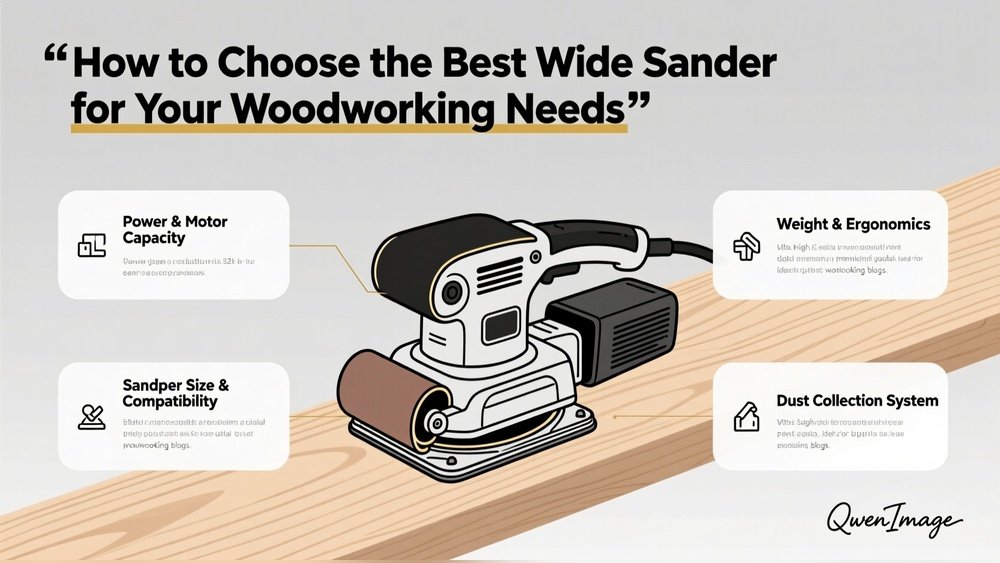
Choosing the right power sander depends on key features. These features affect how well the sander works and how comfortable it is to use. Understanding these points helps pick the best tool for your needs.
Power And Speed
Power determines how fast the sander removes material. Higher power means quicker sanding but uses more energy. Speed control lets you adjust sanding for different surfaces. Variable speed is useful for delicate or rough jobs.
Dust Collection System
A good dust collection system keeps your workspace clean. It traps dust and prevents it from spreading in the air. This system helps protect your lungs and improves visibility. Look for models with built-in dust bags or ports for vacuum attachment.
Ergonomics And Weight
Comfort matters during long sanding sessions. A lightweight sander reduces fatigue and is easier to handle. Ergonomic grips provide better control and less strain on your hands. Choose a design that fits well in your hand.
Pad Size And Shape
Pad size affects the area you can sand at once. Larger pads cover more surface quickly but may be harder to control. Smaller pads work well in tight spaces. The pad shape also matters. Round pads are good for detail work. Square or rectangular pads suit flat surfaces.
Material And Surface Compatibility
Choosing the right power sander depends greatly on the material you plan to work on. Different surfaces need different sanding tools and techniques. Using the wrong sander can damage your project or waste your time. Understanding material and surface compatibility helps you pick the best sander for your job.
Wood
Wood is the most common material for sanding projects. Orbital sanders work well on wood because they create a smooth finish. Belt sanders are good for removing rough layers quickly. Choose sandpaper grit based on the wood type and desired smoothness. Softer woods need finer grits to avoid damage. Hardwood requires coarser grits for shaping before finishing.
Metal
Metal surfaces need special care. Use sanders with metal-compatible sanding pads. Flap sanders or angle grinders with sanding discs work best. They remove rust, paint, and smooth rough edges. Use coarse grit to start and finer grit to polish. Avoid sanding too hard to prevent overheating and warping metal.
Plastic
Plastic is delicate and can melt under heat. Use low-speed sanders to avoid damage. Fine grit sandpaper is ideal for smoothing plastic surfaces. Orbital sanders provide control and prevent scratches. Test on a small piece first to check results. Patience is key when sanding plastic to keep it intact.
Corded Vs Cordless Sanders
Choosing between corded and cordless sanders is a key step in buying the right power sander. Both types have unique features. Understanding these can help you pick a sander that fits your needs.
Battery Life And Charging
Cordless sanders run on batteries. Battery life limits how long you can use the tool without recharging. Some batteries last longer than others. Charging time varies too. Corded sanders don’t need charging. They plug directly into power outlets. This means you can work continuously without stopping.
Power Consistency
Corded sanders deliver steady power. They keep the same speed during use. Cordless sanders may lose power as the battery drains. This can affect sanding quality. For heavy or long tasks, corded sanders are better. Cordless models suit smaller or quick jobs.
Portability
Cordless sanders offer great freedom of movement. No cords to limit your reach. You can work outdoors or in tight spaces easily. Corded sanders depend on a nearby power source. Cords can get in the way or cause trips. Portability is a big plus for cordless tools.
Budget And Brand Considerations
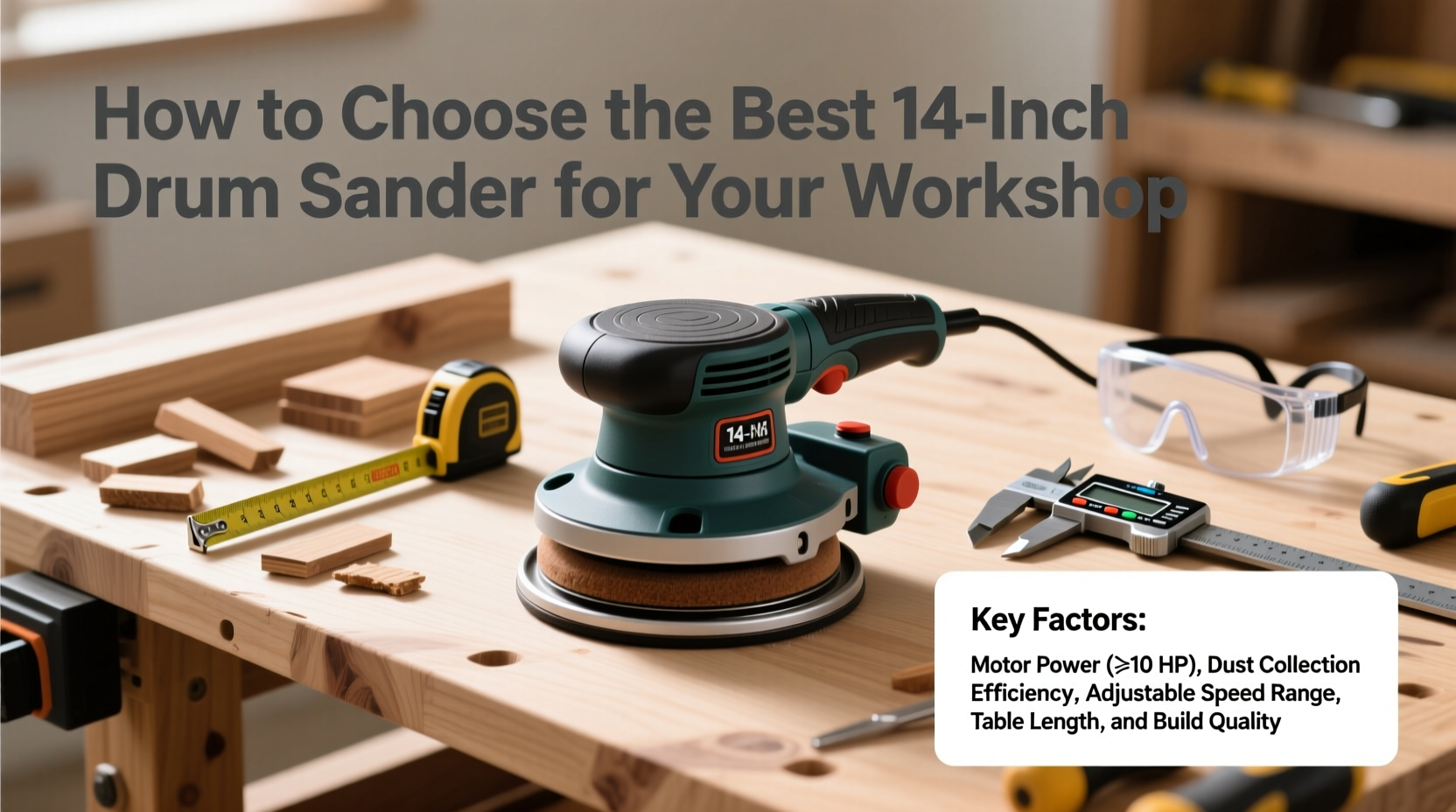
Choosing the best power sander depends a lot on your budget and brand preference. Knowing how much you want to spend helps narrow down your options. Trusted brands often offer better quality and longer-lasting tools. It pays to balance cost with reliability. This section covers key points about budget and brand choices for power sanders.
Top Brands In 2026
Some brands stand out for quality and performance in 2026. Bosch offers durable sanders with user-friendly features. DeWalt is popular for powerful, reliable models. Makita provides a range of options for beginners and pros. Each brand has unique strengths worth considering. Choosing a well-known brand can lead to better results and fewer issues.
Price Ranges
Power sanders come in many price ranges. Budget models start around $30 and suit simple jobs. Mid-range sanders, $70 to $150, offer better power and features. High-end tools can cost over $200 and deliver top performance. Decide your needs first. Spending a bit more often means better durability and efficiency.
Warranty And Support
Warranty protects your purchase from defects. Most brands offer at least one year of coverage. Some premium brands provide longer warranties up to three years. Good customer support helps with repairs and questions. Check warranty terms before buying. Strong support saves money and frustration later.
Credit: smartbuy.alibaba.com
Safety Tips And Maintenance
Safety and proper maintenance are key to using a power sander effectively. They protect you from injury and keep the tool working well for a long time.
Following safety tips reduces accidents. Regular maintenance helps avoid breakdowns and costly repairs. Both are important for smooth sanding jobs.
Proper Usage Techniques
Always wear safety glasses and a dust mask. Keep your hands away from the sanding pad. Hold the sander firmly to control it during use. Do not force the sander; let it do the work. Use the correct sandpaper grit for each project. Turn off and unplug the tool before changing sandpaper. Work in a well-ventilated area to avoid inhaling dust.
Cleaning And Storage
After use, clean dust from the sander with a soft brush. Check and clean air vents to prevent overheating. Wipe the tool with a dry cloth to remove dirt and debris. Store the sander in a dry place to avoid rust. Keep it in its case or on a shelf away from moisture. Avoid wrapping the power cord tightly to prevent damage.
Troubleshooting Common Issues
If the sander stops working, check the power source first. Inspect the power cord for cuts or damage. Replace worn or torn sandpaper to maintain performance. If the sander vibrates more than usual, check for loose parts. Clean dust build-up from the motor and vents. Contact a professional for electrical or motor problems beyond basic fixes.
:max_bytes(150000):strip_icc()/SPR-types-of-electric-sanders-for-your-remodel-project-1822680-horizontalhero2-0e868f9d615c4ac6b702fd04b582e8b1.jpg)
Credit: www.thespruce.com
Frequently Asked Questions
What Types Of Power Sanders Are Best For Woodworking?
Orbital and random orbital sanders work best for woodworking. They offer smooth finishes and control, ideal for detailed and flat surfaces. Choose based on your project’s needs and budget for optimal results.
How To Choose The Right Grit For Power Sanding?
Start with coarse grit for heavy material removal. Progress to finer grits for smooth finishes. Match grit to project type to avoid damage and achieve the best finish.
What Features Should I Look For In A Power Sander?
Look for variable speed control, ergonomic design, dust collection system, and power rating. These features improve comfort, efficiency, and clean workspaces while sanding.
Can Power Sanders Be Used On Metal Surfaces?
Yes, specific sanders with appropriate sanding discs work on metal. Use caution to avoid overheating and damaging the metal surface. Always wear safety gear.
Conclusion
Choosing the right power sander makes your work easier and faster. Think about your project needs and how often you will use it. Consider size, type, and power for the best fit. A good sander saves time and gives smooth results.
Take your time to compare features and prices. The right choice brings better results and less frustration. Ready to start your sanding project with confidence?

Michael Harris is an experienced woodworker and power tool expert with over 12 years in woodworking. Specializing in functional, high-quality furniture, he offers expert advice on tool selection, maintenance, and sharpening for both beginners and professionals.