How to Properly Store Your Power Tools: Ultimate Guide for Longevity
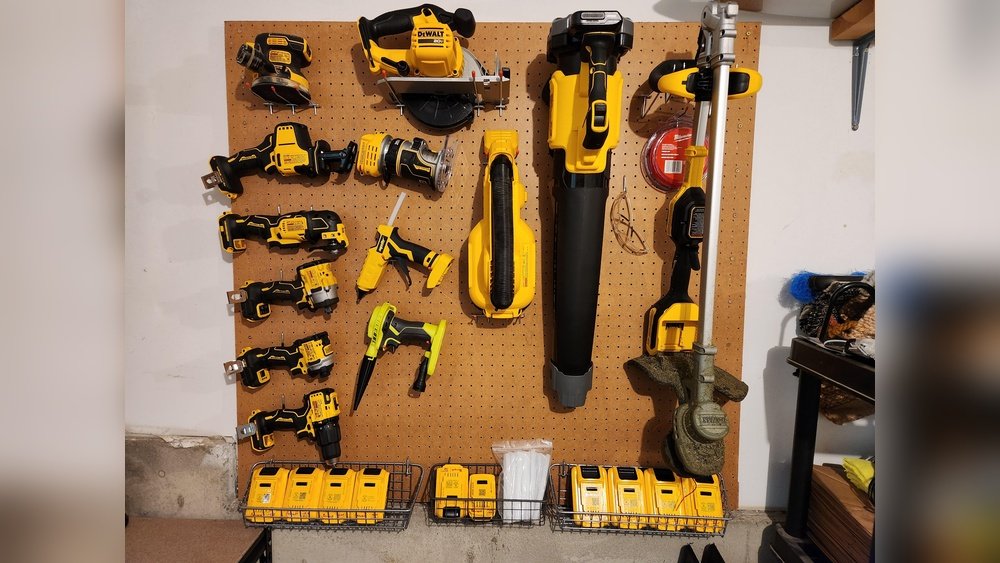
Are your power tools sitting in a messy pile or scattered all over your workspace? If so, you could be risking damage and shortening their lifespan.
Properly storing your power tools isn’t just about keeping things tidy—it protects your investment and makes your projects easier and faster. You’ll discover simple, effective ways to store your tools so they stay sharp, safe, and ready to use whenever you need them.
Keep reading to unlock easy tips that will save you time, money, and frustration.
Choosing The Right Storage Space
Choosing the right storage space for your power tools is important. It protects your tools and keeps them working well. A good storage area stops rust, damage, and loss. This section covers key points to help you pick the best spot.
Indoor Vs Outdoor Storage
Indoor storage is usually better for power tools. It keeps tools safe from rain, dust, and sun. A garage or basement works well. Outdoor storage exposes tools to weather changes. This can cause rust and wear. If you must use outdoor storage, use a waterproof box or shed.
Temperature And Humidity Considerations
Power tools last longer in steady temperatures. Avoid places that get very hot or cold. High humidity causes metal parts to rust quickly. Use a dehumidifier in damp spaces. Keep tools away from direct heat sources. A cool, dry room is best for storage.
Ventilation And Lighting
Good ventilation helps stop moisture build-up. It keeps air fresh and reduces rust risk. Choose a space with windows or vents. Proper lighting helps you find tools easily. Bright light also helps check tools for damage. Use LED bulbs for clear, energy-saving light.

Credit: www.reddit.com
Cleaning Tools Before Storage
Cleaning your power tools before storage keeps them in good shape. Dirt and dust can damage parts over time. Proper cleaning helps tools last longer and work better next time.
Removing Dirt And Debris
Start by wiping your tools with a dry cloth. Use a brush to clean hard-to-reach areas. Blow out dust from vents with compressed air. Make sure no dirt stays on the surface.
Lubricating Moving Parts
Apply a small amount of oil to hinges and joints. This stops parts from sticking or squeaking. Use the lubricant recommended by the tool maker. Wipe off extra oil to avoid attracting dirt.
Preventing Rust And Corrosion
Rust can ruin your tools quickly. Use a rust-preventive spray on metal parts. Store tools in a dry place to avoid moisture. Keep silica gel packs nearby to absorb humidity.
Organizing Your Power Tools
Organizing your power tools helps keep your workspace clean and safe. It saves time by letting you find tools quickly. Proper storage also protects tools from damage and dust. A good system makes your work more efficient and enjoyable.
Using Shelves And Cabinets
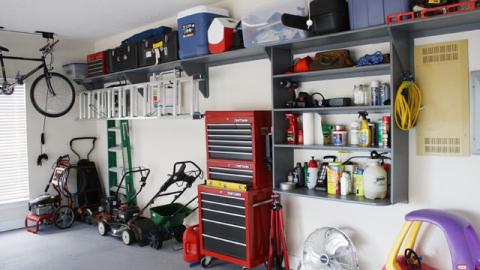
Shelves and cabinets create dedicated spots for each tool. Choose sturdy shelves that hold the weight of heavy tools. Cabinets with doors protect tools from dust and moisture. Arrange tools by size or type for better order. Use adjustable shelves to fit different tools easily.
Toolboxes And Carrying Cases
Toolboxes keep smaller power tools in one place. Carrying cases protect tools during transport. Use foam inserts to keep tools secure inside cases. Separate toolboxes for different tool types reduce clutter. Portable cases help you take tools to any job site.
Labeling For Easy Access
Label shelves, drawers, and boxes clearly. Use large, simple fonts for easy reading. Labels save time by showing where each tool belongs. Color-coded labels add an extra layer of organization. Keep labels updated as you add or remove tools.
Credit: www.homesteadstructures.com
Protecting Electrical Components
Protecting the electrical parts of your power tools is very important. These parts include batteries, cords, and sensitive circuits. Damage to these can stop your tools from working well. Proper care keeps tools safe and ready for use.
Battery Care And Storage
Remove batteries from tools before storing them. Store batteries in a cool, dry place away from direct sunlight. Keep batteries at about 40-60% charge for longer life. Avoid extreme temperatures to prevent damage. Check batteries regularly for signs of wear or swelling. Use the charger made for your battery type only.
Cord Management Tips
Wrap cords loosely to avoid bending or breaking wires inside. Use velcro straps or cord organizers to keep cords neat. Do not pull cords from the plug; hold the plug to unplug. Inspect cords often for cuts, cracks, or frays. Replace damaged cords immediately to avoid electrical hazards. Store cords away from sharp objects and heavy items.
Avoiding Moisture Damage
Keep power tools in a dry place to stop rust and electrical problems. Use sealed containers or toolboxes with moisture-absorbing packets. Wipe tools dry before storage if they get wet. Avoid storing tools directly on concrete floors, as moisture can seep in. Check stored tools regularly for any signs of moisture damage. Proper ventilation in storage areas helps reduce dampness.
Safety Measures For Storage
Safety is key when storing power tools. Proper storage keeps your tools in good shape and protects everyone around. Taking simple safety steps helps avoid accidents and damage. Follow these safety measures to store your power tools safely.
Securing Tools From Children
Keep power tools out of children’s reach. Use locked cabinets or high shelves to store tools. Teach children that power tools are not toys. Always lock storage areas after use. This prevents curious kids from accessing dangerous tools.
Preventing Accidental Starts
Unplug tools before storing them. Remove batteries from cordless tools. This stops tools from turning on by mistake. Store tools with the switch in the off position. Check cords for damage and wrap them neatly to avoid hazards.
Proper Handling Of Sharp Accessories
Store blades, bits, and other sharp parts safely. Use blade guards or covers to protect sharp edges. Keep accessories in labeled containers or cases. Handle sharp items carefully to avoid cuts. Regularly inspect accessories for damage or wear before storage.
Maintenance Tips During Storage
Proper maintenance during storage keeps your power tools in top shape. It prevents damage and extends their life. Small efforts now save big repair costs later. Follow these simple tips to maintain your tools while stored safely.
Regular Inspection Schedules
Check your tools every few weeks. Look for rust, dirt, or damage. Clean them with a dry cloth to remove dust. Ensure moving parts work smoothly. Early checks catch problems before they grow.
Recharging Batteries Periodically
Remove batteries from tools before storing. Charge them every month to keep power. Avoid letting batteries fully drain. Proper charging stops battery damage and loss of power. Store batteries in a cool, dry place.
Replacing Worn Parts
Look for worn or broken parts during inspections. Replace blades, cords, or bits as needed. Using worn parts can harm your tool. Keep spare parts handy for quick fixes. This keeps your tools ready for the next job.
Storing Different Types Of Power Tools
Power tools come in many types, and each needs special care when stored. Proper storage keeps tools safe and ready to use. It also helps tools last longer and work better.
Different power tools have different parts and shapes. Each type needs its own storage method. Knowing how to store each kind will protect your tools from damage and dirt.
Cordless Tools
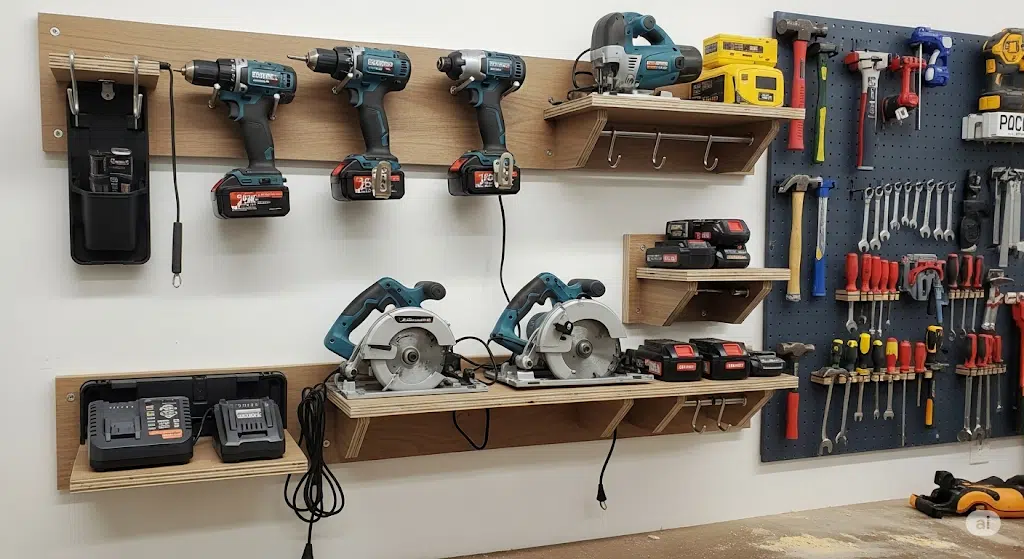
Cordless tools rely on batteries. Store them in a dry place away from extreme heat or cold. Remove batteries if you won’t use the tool for a long time. Charge batteries before storing to keep them healthy. Use cases or bins to keep tools organized and dust-free.
Corded Tools
Corded tools have power cords that can tangle or break. Coil cords loosely to avoid damage. Hang tools on hooks or place them on shelves. Keep cords away from sharp edges. Store tools in a clean, dry area to prevent rust and dirt buildup.
Heavy-duty Equipment
Heavy-duty tools are larger and heavier. Use strong shelves or cabinets to hold their weight. Keep them off the floor to prevent moisture damage. Clean tools after use before storing. Cover them with cloths or tarps to protect from dust and scratches.
Credit: nistools.com
Frequently Asked Questions
How Should I Clean Power Tools Before Storage?
Clean power tools by wiping off dust and debris with a dry cloth. Use compressed air for hard-to-reach areas. Removing dirt prevents damage and rust during storage, ensuring tools stay in good working condition.
What Is The Best Temperature For Storing Power Tools?
Store power tools in a dry place with temperatures between 50°F and 85°F. Avoid extreme heat or cold, which can damage batteries and electronic parts. Stable temperature extends the tool’s lifespan and maintains performance.
Should Power Tools Be Stored With Batteries Installed?
Remove batteries before storing power tools to prevent corrosion and damage. Store batteries separately in a cool, dry place. This practice helps maintain battery life and ensures safety during long-term storage.
How Can I Protect Power Tools From Rust?
Apply a light coat of oil or rust inhibitor on metal parts before storage. Keep tools in a dry, ventilated space to reduce moisture exposure. These steps prevent rust and keep tools functioning smoothly.
Conclusion
Storing power tools properly keeps them safe and working well. Clean tools before storing to avoid rust and damage. Use dry, cool places to stop moisture build-up. Organize tools so you can find them easily. Regular checks help catch problems early.
Simple steps protect your tools and save money. A little effort keeps your tools ready for any job. Safe storage means longer tool life and better performance.

Michael Harris is an experienced woodworker and power tool expert with over 12 years in woodworking. Specializing in functional, high-quality furniture, he offers expert advice on tool selection, maintenance, and sharpening for both beginners and professionals.