
Choosing the right drill for your woodworking projects can make all the difference between a smooth job and a frustrating experience. You want a tool that fits your needs, feels comfortable in your hand, and delivers the power to get the job done quickly and accurately.
But with so many options out there, how do you pick the best one? You’ll discover simple, clear tips to help you find the perfect drill for your woodwork. Keep reading, and you’ll be confident in your choice before you even pick up the drill.

Credit: woodandshop.com
Types Of Drills For Woodwork
Selecting the right drill for woodwork depends on understanding the types of drills available. Each drill type offers unique features suited for specific tasks. Knowing these differences helps in choosing the best tool for your project. This guide covers popular drill types used in woodworking.
Corded Vs Cordless Drills
Corded drills provide constant power through an electrical outlet. They are powerful and good for long projects without breaks. Cordless drills run on batteries, offering freedom to move around. They are lighter and easier to handle but need charging. Both types work well for drilling holes and driving screws in wood.
Hammer Drills
Hammer drills have a special function that creates a hammering action. This helps to drill through hard materials like concrete. For woodwork, hammer mode is rarely used. You can turn off the hammer feature and use it as a regular drill. They are heavier but useful if you work with mixed materials.
Impact Drivers
Impact drivers deliver strong twisting force. They are great for driving large screws quickly. These drills produce less torque but more impact force. For woodworking, they work well when assembling furniture or building decks. They are compact and easy to control in tight spaces.
Drill Presses
Drill presses are stationary machines mounted on a workbench. They offer precise control and consistent drilling depth. Perfect for repetitive tasks like making dowel holes or drilling at exact angles. Drill presses are ideal for serious woodworkers or shops with space. They increase accuracy and safety compared to hand drills.
Key Features To Consider
Choosing the right drill for woodworking needs careful thought. Some features affect how well the drill works. Knowing these features helps you pick the best tool for your projects. This section explains the key features to consider before buying a drill.
Power And Speed Settings
Power controls how easily the drill handles tough wood. More power means it can drill through harder materials. Speed settings let you adjust how fast the drill spins. Different speeds are good for different tasks. Slower speeds work better for large holes. Faster speeds suit small holes and screws.
Chuck Size And Type
The chuck holds the drill bit in place. Common sizes are 3/8 inch and 1/2 inch. Larger chucks fit bigger drill bits. Keyless chucks let you change bits quickly without tools. This saves time during work. A strong chuck keeps bits tight and safe.
Battery Life And Charging
Cordless drills need good battery life for long use. Longer battery life means less stopping to recharge. Look for drills with fast charging times. Some batteries work with other tools from the same brand. This adds convenience and saves money.
Ergonomics And Weight
Comfort matters during long work sessions. A drill with good grip reduces hand strain. Lighter drills are easier to hold and control. Balanced weight helps with precision and comfort. Try holding the drill before buying to feel its weight.
Choosing The Right Drill Bits
Choosing the right drill bits is key for woodworking success. The right bits make clean holes and save time. They also protect your wood and drill from damage. Understanding bit types, materials, and care helps you pick the best tools for your projects.
Material Compatibility
Wood comes in many types: soft, hard, and composite. Each needs a specific drill bit material. High-speed steel (HSS) bits work well for softwoods. Carbide-tipped bits handle hardwoods better. Using the right material stops bits from dulling quickly. It also prevents burning the wood.
Bit Types For Wood
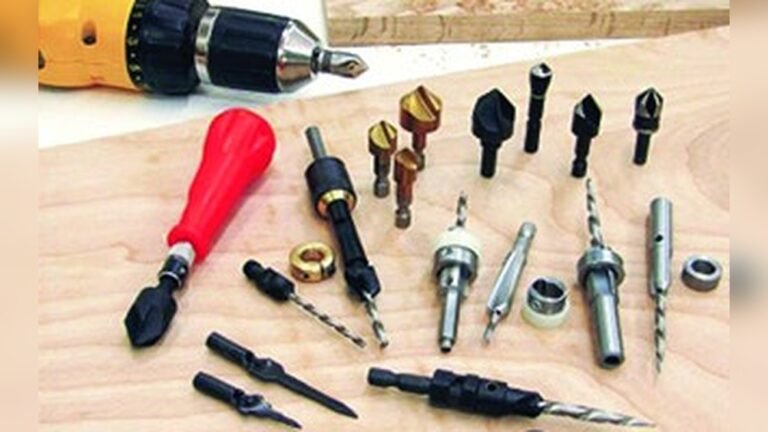
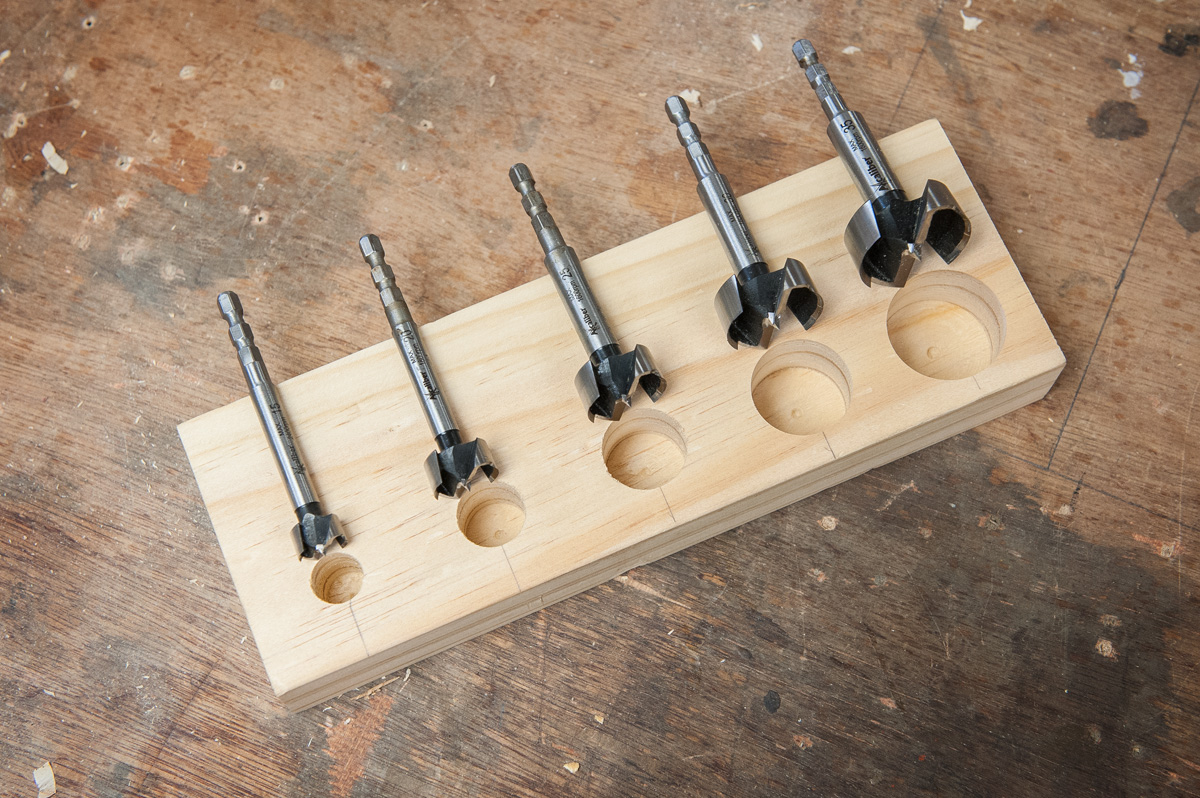
Different bits serve different drilling needs. Twist bits are common and good for general holes. Spade bits create large, rough holes quickly. For clean and precise holes, brad point bits work best. Hole saws cut big holes for pipes or wiring. Pick the bit type that fits your project goals.
Maintenance And Longevity
Keep your drill bits sharp for smooth work. Dull bits cause splintering and require more effort. Clean bits after use to remove wood dust and resin. Store bits in a dry place to avoid rust. Regular maintenance extends bit life and improves results.
Credit: www.axminstertools.com
Budget And Brand Selection
Choosing the right drill for woodworking starts with setting a clear budget. Woodwork drills come in many price points. Picking a brand that fits your budget and needs is key. This helps avoid spending too much or ending up with a poor tool. The next sections explain price ranges, top brands, and warranty details. These factors make choosing easier and safer.
Price Ranges
Woodworking drills range from low-cost to premium models. Entry-level drills cost between $30 and $70. These are good for light, occasional work. Mid-range drills usually cost $70 to $150. They offer better power and durability. High-end drills can go beyond $150. They have advanced features and strong motors. Decide your budget based on how often you will use the drill.
Top Brands For Woodworking
Some brands are known for quality woodworking drills. DeWalt, Makita, and Bosch are popular choices. They offer reliable performance and long life. Milwaukee also makes solid, trusted drills. These brands focus on tools that handle wood well. Choosing a well-known brand reduces risk of early failure. It also means easier access to parts and accessories.
Warranty And Support
A good warranty protects your investment. Most top brands offer at least one year of coverage. Some provide up to three years or more. Check if the warranty covers parts and labor. Good customer support helps fix issues fast. Look for brands with easy repair services and helpful support teams. This keeps your woodworking projects on track without extra stress.
Safety Tips When Using Drills
Using a drill for woodwork can be safe with the right precautions. Safety keeps accidents away and work smooth. Follow simple rules to protect yourself and others.
Proper Handling
Hold the drill firmly with both hands. Keep your fingers away from the spinning bit. Use a steady speed and avoid forcing the drill. Always drill straight to prevent slips. Never carry a drill by the cord.
Protective Gear
Wear safety glasses to protect your eyes from dust and chips. Use earplugs if the drill is loud. Gloves can protect your hands from splinters. Avoid loose clothing that can get caught. Tie back long hair before starting.
Maintenance Checks
Inspect the drill before each use. Check the cord for cuts or frays. Make sure the bit is sharp and tight. Clean dust and debris from vents. Replace worn parts immediately to avoid hazards.
Additional Accessories To Enhance Woodwork
Choosing the right drill is just the start of good woodwork. Accessories make your work easier and more precise. They help keep your projects clean and professional.
Drill Guides And Jigs
Drill guides and jigs help you drill straight and even holes. They keep the drill steady, so holes come out perfect every time. These tools are useful for making repeatable cuts and holes.
Depth Stops
Depth stops control how deep your drill bit goes into the wood. They prevent drilling too far, protecting your workpiece. Using depth stops improves accuracy and avoids damage.
Dust Collection Attachments
Dust collection attachments keep your workspace clean by catching wood dust. They help you see your work clearly and keep the air healthier. These attachments connect to your drill or vacuum system easily.

Credit: www.youtube.com
Frequently Asked Questions
What Features Matter In A Drill For Woodwork?
Key features include variable speed, adjustable clutch, and ergonomic design. A cordless drill offers mobility, while brushless motors ensure durability and efficiency. Choose based on your project size and frequency of use.
How Important Is Drill Speed For Woodworking?
Drill speed controls cutting precision and prevents wood damage. Lower speeds suit hardwood; higher speeds work for softwood. Variable speed drills provide flexibility for various wood types and tasks.
Should I Choose Cordless Or Corded Drills For Woodwork?
Cordless drills offer portability and convenience for small projects. Corded drills provide consistent power for heavy-duty tasks. Consider your project needs and workspace accessibility before deciding.
What Drill Bit Types Are Best For Wood?
Spade bits, brad point bits, and auger bits are ideal for wood. They provide clean holes and reduce splintering. Match bit type to hole size and wood hardness for best results.
Conclusion
Choosing the right drill makes woodworking easier and more fun. Think about the drill’s power, size, and features. Pick one that fits your project and skill level. A good drill helps you work faster and with more control. Taking time to select the best drill saves effort later.
Start with what you need, then explore your options. This way, every woodworking task feels smoother and more satisfying.