
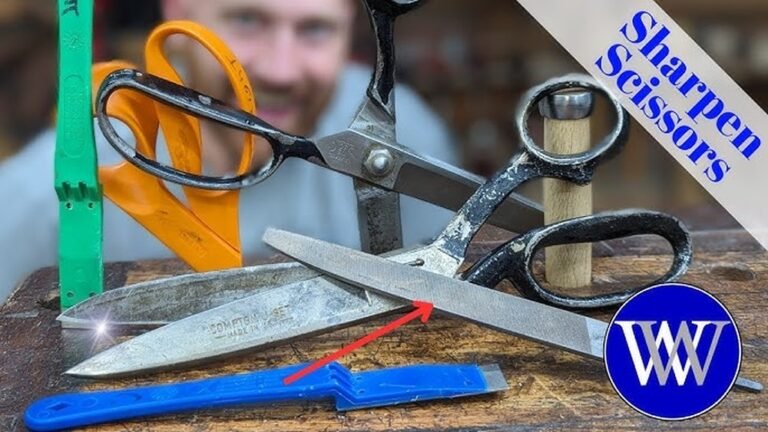
Are your tools starting to feel dull and hard to use? Imagine finishing your next project faster, with less effort, just because your tools are razor-sharp.
You don’t need expensive equipment or a trip to the shop to get there. You’ll discover simple, effective ways to sharpen your tools right at home. By the end, you’ll have the confidence and skills to keep every blade and edge in perfect shape.
Ready to make your tools work like new again? Let’s get started!
Essential Tools For Sharpening
Sharpening tools at home requires the right equipment. Having essential sharpening tools helps keep blades sharp and safe. These tools make the process easier and more effective. You do not need many items, just a few basics that suit your needs.
Understanding the types of sharpening tools can save time and effort. Choose tools that match the type of blade you want to sharpen. Proper tools also extend the life of your knives and other cutting tools.
Types Of Sharpening Stones
Sharpening stones come in different materials and grits. Common types include whetstones, diamond stones, and ceramic stones. Whetstones are popular for their smooth finish. They use water or oil as a lubricant. Diamond stones are very hard and cut fast. Ceramic stones provide a fine edge and last long. Choose a stone grit based on the blade’s dullness. Coarse grit fixes chips, while fine grit polishes the edge.
Using Honing Rods
Honing rods realign blade edges without removing much metal. They work well for quick touch-ups. Steel honing rods are common and affordable. Ceramic rods offer a smoother finish and last longer. Use a honing rod regularly to keep blades sharp. Hold the rod steady and slide the blade at a 20-degree angle. Repeat on both sides for even results.
Electric Sharpeners And Alternatives
Electric sharpeners offer speed and ease for busy users. They use rotating abrasive belts or wheels to sharpen blades. Many models have adjustable settings for different blades. Some electric sharpeners can damage thin or soft blades. Manual alternatives like pull-through sharpeners are safer for beginners. These devices have preset angles to guide the blade. Choose a tool that fits your skill level and blade type.
Preparing Your Workspace
Preparing your workspace is the first step to sharpening tools at home. A clean and organized area makes the task easier and safer. This section guides you on choosing the right surface and following safety measures.
Choosing The Right Surface
Select a flat, stable surface to work on. A sturdy table or workbench works best. Avoid surfaces that wobble or tilt. Ensure the area has enough space for your tools and sharpening equipment. A well-lit place helps you see edges clearly. Cover the surface with a cloth or rubber mat to prevent slipping. This also protects your table from scratches or damage.
Safety Measures To Follow
Wear safety glasses to protect your eyes from metal particles. Use gloves to avoid cuts from sharp tools. Keep your hands dry and clean to maintain grip. Remove loose clothing and tie back long hair. Work in a ventilated area to avoid inhaling dust. Keep children and pets away from the workspace. Always check your tools for damage before sharpening. Stop immediately if a tool slips or feels unsafe.
Step-by-step Sharpening Process
Sharpening tools at home requires careful steps to restore their cutting edge. This step-by-step process helps you sharpen tools safely and effectively. Each step prepares the blade for a sharp, clean cut. Follow the instructions closely for the best results.
Cleaning The Blade
Start by cleaning the blade to remove dirt and rust. Use a brush or cloth with warm, soapy water. Dry the blade completely to avoid slipping. Clean blades sharpen more evenly and last longer.
Setting The Correct Angle
Hold the blade at the right angle against the sharpening stone. Most tools need a 20-degree angle for sharp edges. Keep this angle steady throughout sharpening. Angles that are too steep or flat damage the blade.
Sharpening Techniques For Different Tools
Use different methods for knives, scissors, and garden tools. Knives require smooth, even strokes along the edge. Scissors need sharpening both inside and outside the blades. Garden tools benefit from firm, slow strokes on the bevel side. Match the technique to the tool for sharpness and safety.

Credit: www.youtube.com
Maintaining Sharpness Between Uses
Keeping your tools sharp between uses saves time and effort. Dull tools make work harder and less safe. Simple habits help maintain sharpness longer. Focus on proper storage and regular honing. These steps protect the edges and keep tools ready.
Proper Storage Tips
Store tools in a dry place to prevent rust. Use blade guards or sheaths to protect edges. Avoid tossing tools in a drawer where they can hit each other. Hang tools or place them in a toolbox with dividers. Clean tools before storing to remove dirt and moisture.
Routine Honing Practices
Honing realigns the blade edge without removing much metal. Use a honing steel or fine sharpening stone. Hold the tool at the correct angle, usually 20 degrees. Stroke the blade evenly on both sides. Hone tools before each use for best results.
Troubleshooting Common Issues
Troubleshooting common issues is key to effective tool sharpening at home. Problems like nicks, chips, or dull edges can affect tool performance. Understanding how to fix these issues saves time and money. It also keeps your tools safe and ready for use. Below are simple tips to handle common sharpening problems.
Dealing With Nicks And Chips
Nicks and chips damage the cutting edge of tools. These small dents reduce cutting power and cause rough cuts. To fix them, use a coarse sharpening stone or file first. Gently grind the damaged area until it is smooth. Work slowly and check progress often. After removing nicks, switch to a finer stone for a sharp edge. Keep the tool steady and maintain the correct angle.
When To Replace Your Tools
Some tools cannot be fixed by sharpening. Deep cracks, large chips, or bent blades mean replacement is needed. Using damaged tools can be dangerous and cause poor results. Inspect your tools regularly for signs of wear. If sharpening does not restore the edge, consider buying a new tool. Proper care and timely replacement improve your work quality and safety.

Credit: www.amazon.com
Advanced Sharpening Tips
Advanced sharpening tips help improve your tool’s edge beyond basic methods. These techniques make sharpening easier and more precise. Using the right approach extends your tools’ life and performance. Focus on details that many overlook.
Using Lubricants For Smooth Sharpening
Lubricants reduce friction between the stone and blade. Water, oil, or special sharpening fluids work well. They help remove metal particles during sharpening. This keeps the stone clean and effective. Use a small amount; too much can cause slipping. Lubricants make strokes smoother and protect the blade’s edge. They also reduce heat caused by friction, which can damage tools.
Sharpening Curved And Specialty Blades
Curved blades need a different touch than straight edges. Use smaller stones or flexible sharpening rods. Match the stone shape to the blade curve. Work slowly to keep the blade’s original shape. Specialty blades, like serrated knives, require precise care. Use tools made for serrations to avoid damage. Sharpen each notch carefully for a clean edge. Practice patience to get the best results.

Credit: www.airtasker.com
Frequently Asked Questions
How Often Should I Sharpen My Tools At Home?
Sharpen your tools when they start to dull or resist cutting. Regular maintenance ensures better performance and safety. For frequent users, sharpening every few weeks is ideal. For occasional use, check blades before each project to decide if sharpening is needed.
What Are The Best Tools For Sharpening At Home?
Common sharpening tools include whetstones, sharpening steels, and diamond files. Whetstones offer precise control and smooth edges. Sharpening steels realign blades between uses. Diamond files are great for tougher metals. Choose based on your tool type and sharpening skill level.
Can I Sharpen Any Tool At Home Safely?
Yes, most hand tools like knives, scissors, and chisels can be sharpened safely. Use the right sharpening method and protective gear. Avoid power tools unless experienced, as they risk damage or injury. Proper technique ensures sharpness without harming the tool.
What Is The Easiest Sharpening Method For Beginners?
Using a whetstone with water or oil is beginner-friendly and effective. It offers control over the sharpening angle and pressure. Start with a coarse grit, then progress to finer grits for a smooth edge. Practice on old or inexpensive tools first.
Conclusion
Sharpening tools at home saves time and money. It keeps your tools working well and safe. You just need simple steps and the right tools. Regular sharpening makes your tasks easier and faster. Practice a bit to get good at it.
Start small and stay patient with the process. Soon, your tools will cut like new. Keep them sharp to enjoy better results every time.

Michael Harris is an experienced woodworker and power tool expert with over 12 years in woodworking. Specializing in functional, high-quality furniture, he offers expert advice on tool selection, maintenance, and sharpening for both beginners and professionals.