
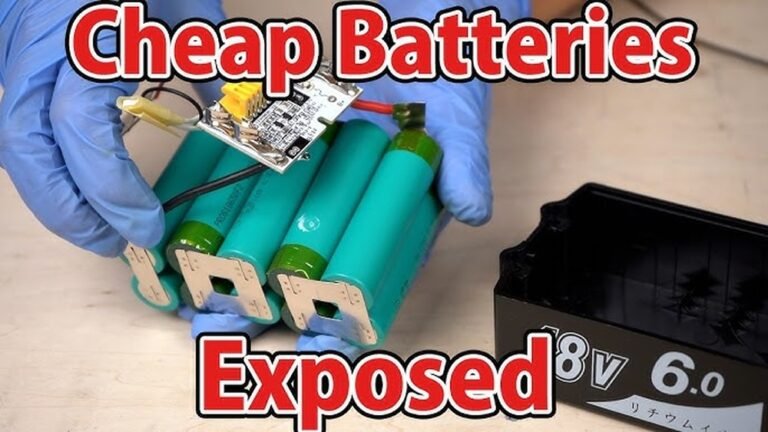
Is your power tool not working like it used to? Before rushing to buy a new battery or tool, you need to check if the battery is the real problem.
Knowing how to test a power tool battery can save you time, money, and frustration. In this guide, you’ll discover simple steps you can follow right now to find out if your battery still has life or if it’s time for a replacement.
Keep reading—you’ll be glad you did when your tools are back to full power.
Signs Of A Weak Battery
Knowing the signs of a weak power tool battery helps you avoid work delays. Batteries lose power over time and show clear symptoms. Spotting these early keeps your tools running well. Here are common signs to watch for.
Reduced Run Time
A weak battery cannot hold a charge long. Your tool stops working sooner than before. Tasks take longer because the battery drains fast. This is often the first sign of battery trouble.
Slow Charging
Charging takes much longer than usual. The battery may stay at low power despite being plugged in. Slow charging means the battery’s cells are wearing out. It can affect your tool’s overall performance.
Overheating Issues
The battery feels hot during use or charging. Overheating can damage the battery permanently. It may cause safety risks too. Heat is a strong warning to test the battery soon.
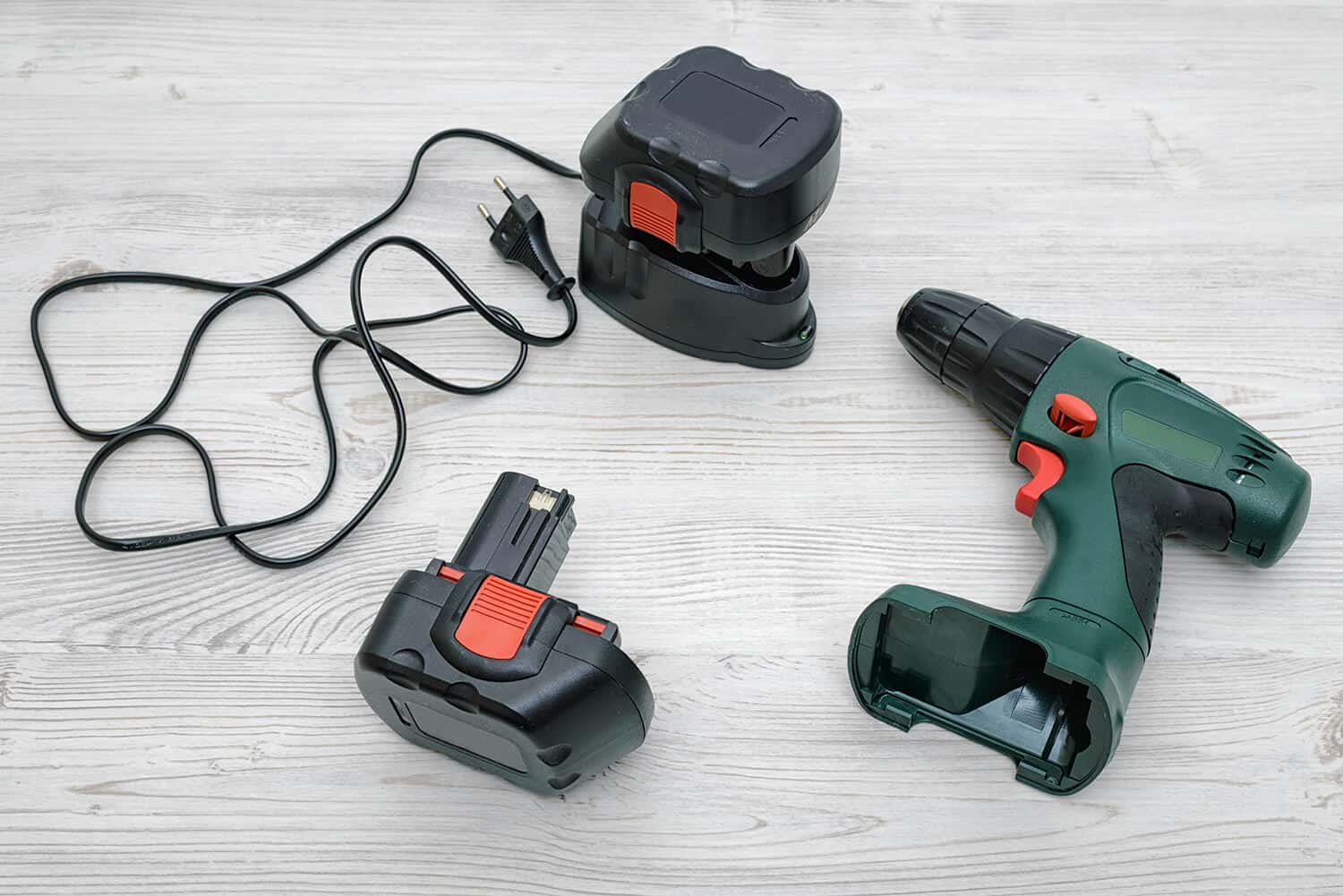
Credit: www.ejgpropertymanagement.com
Tools Needed For Testing
Testing a power tool battery needs the right tools. These tools help check the battery’s health and performance. Using proper equipment ensures accurate results. It also helps avoid mistakes when testing your battery.
Multimeter Basics
A multimeter measures voltage, current, and resistance. It is useful for checking battery voltage. You can see if the battery holds a charge. Multimeters are easy to use and widely available. They give a quick idea of battery condition.
Battery Tester Devices
Battery testers are made for power tool batteries. They show the battery’s charge level clearly. Some testers check battery capacity and health. These devices help find weak or dead batteries fast. They work by connecting directly to the battery terminals.
Load Testing Equipment
Load testers check how a battery performs under real use. They apply a controlled load to the battery. This tests if the battery can deliver power properly. Load testing shows if the battery can run your tool well. It is the most accurate way to test battery strength.
Voltage Testing Method
The voltage testing method is a simple way to check a power tool battery’s health. It measures the electrical pressure inside the battery. This pressure shows if the battery still holds a charge. The test uses a tool called a multimeter. A multimeter reads the voltage level of the battery. This method helps find weak or dead batteries fast.
Setting Up The Multimeter
First, turn on the multimeter. Set it to measure DC voltage. Look for the “V” symbol with a straight line above it. This setting measures battery voltage correctly. Next, connect the multimeter probes. The red probe goes to the positive terminal. The black probe touches the negative terminal. Make sure the probes do not touch each other. This can cause a short circuit.
Measuring Battery Voltage
Hold the probes steady on the battery terminals. Wait a few seconds for the reading to stabilize. Read the number shown on the multimeter screen. This number is the battery voltage in volts (V). Note the voltage value before removing the probes. Test the battery at room temperature for best results.
Interpreting Voltage Readings
Compare the reading to the battery’s rated voltage. A healthy battery shows a voltage close to its rated value. A low voltage reading means the battery is weak or discharged. If the voltage is very low, the battery may be dead. Slightly low voltage means the battery needs charging. Use this information to decide on battery repair or replacement.
Credit: www.reddit.com
Load Testing Technique
Load testing is a simple way to check a power tool battery’s real condition. It shows how the battery works under actual use. This test helps find weak spots that simple voltage checks might miss. Proper load testing can tell you if the battery still holds power or needs replacement.
Applying A Load To The Battery
Start by connecting the battery to a load tester or a tool that uses similar power. The load should match the battery’s usual working conditions. This step forces the battery to deliver power like it does during tool use. Avoid using too much load as it can damage the battery.
Monitoring Voltage Drop
Watch the voltage as the battery works under load. A healthy battery keeps voltage steady for a while. A quick drop means the battery cannot hold charge well. Take note of how low the voltage falls and how fast it drops. This shows the battery’s real power capacity.
Assessing Battery Health
Use the voltage drop data to judge battery health. Batteries with small drops are still strong. Large or fast drops mean the battery is weak or old. This test gives a clear picture of battery life left. It helps decide if the battery needs recharging or replacement.
Using Battery Analyzers
Using a battery analyzer helps check a power tool battery’s health accurately. It tests battery charge, capacity, and internal resistance. This device gives clear information about battery condition and performance. Testing with an analyzer avoids guesswork and helps decide if a battery needs replacement or recharge.
Connecting The Analyzer
First, turn off the power tool and remove the battery. Attach the analyzer’s clips or connectors to the battery terminals. Make sure to match positive with positive and negative with negative. Secure connections prevent errors during testing and ensure safety. Follow the analyzer’s instructions for proper setup.
Running Diagnostic Tests
Power on the analyzer and select the test mode. Choose the appropriate test based on battery type and size. The analyzer will run checks on voltage, current, and resistance. Wait for the device to complete the test fully. Avoid moving or disconnecting the battery during the test.
Reading The Results
The analyzer displays test results on its screen. Look for key data like voltage level, capacity percentage, and internal resistance. Compare the results with the battery’s specifications or reference values. A healthy battery shows stable voltage and low resistance. High resistance or low capacity indicates battery wear or damage.
Safety Tips During Testing
Testing a power tool battery requires care. Safety is the top priority during testing. Batteries store electricity and can be dangerous without proper handling. Follow these safety tips to protect yourself and your tools.
Proper Handling Of Batteries
Always hold batteries by their sides. Avoid touching the terminals with your fingers. Keep batteries dry and clean. Do not drop or shake them. Use only recommended chargers and testers. Inspect batteries for cracks or leaks before testing.
Avoiding Short Circuits
Short circuits cause sparks and heat. Do not let metal objects touch both battery terminals. Remove rings, watches, and bracelets before testing. Use insulated tools to prevent accidental contact. Keep batteries away from conductive surfaces like metal tables.
Working In A Safe Environment
Test batteries in a well-ventilated area. Keep your workspace clean and free of clutter. Avoid testing near flammable materials. Have a fire extinguisher nearby just in case. Wear safety goggles and gloves for extra protection.
When To Replace Your Battery
Knowing when to replace your power tool battery saves time and money. A battery that no longer holds a charge well can slow down your work. It can also cause damage to your tool or lead to frustration. Watch for signs that your battery needs replacement. Regular testing helps catch problems early. Here are key points to consider.
Identifying Irreparable Damage
Look for physical damage like cracks or leaks on the battery case. Swollen or misshapen batteries are unsafe and must be replaced. If the battery overheats during charging or use, it may be damaged. Batteries with corrosion on the terminals often fail to work properly. These signs mean the battery cannot be fixed and needs disposal.
Comparing Test Results Over Time
Test your battery regularly using a voltmeter or battery tester. Write down the voltage and charge capacity each time. If test results drop steadily over weeks, the battery is weakening. A healthy battery holds close to its rated voltage after a full charge. Batteries showing sharp declines in performance need replacement soon.
Choosing The Right Replacement
Match the new battery to your tool’s brand and model. Using the correct voltage and type ensures safety and efficiency. Avoid cheap generic batteries that may not last or fit well. Check manufacturer recommendations for the best battery options. Proper replacement keeps your power tool running at peak performance.

Credit: www.youtube.com
Frequently Asked Questions
How Do I Check A Power Tool Battery’s Charge Level?
Use a multimeter to measure the voltage output of the battery. Compare the reading with the battery’s rated voltage to assess its charge level. Fully charged batteries will match or slightly exceed the rated voltage.
Can I Test A Power Tool Battery Without Special Tools?
Yes, you can perform a basic test by inserting the battery into the tool and checking if it powers on. However, a multimeter provides a more accurate charge and health assessment.
What Causes A Power Tool Battery To Lose Charge Quickly?
Battery degradation, improper storage, and frequent deep discharges cause rapid charge loss. Heat and age also reduce battery capacity over time. Proper care extends battery life.
How Often Should I Test My Power Tool Battery?
Test your battery every few months or before heavy use. Regular testing ensures reliable performance and early detection of battery issues.
Conclusion
Testing a power tool battery helps keep your tools ready to use. Simple steps can show if the battery holds a charge. Regular checks avoid surprises during work. Use a voltmeter or test in the tool itself. Safe handling extends battery life and performance.
Keep batteries clean and store them properly. Small efforts save money and time in the long run. Stay prepared and keep your power tools running strong.

Michael Harris is an experienced woodworker and power tool expert with over 12 years in woodworking. Specializing in functional, high-quality furniture, he offers expert advice on tool selection, maintenance, and sharpening for both beginners and professionals.

