Why is My Circular Saw Blade Binding? Top Causes & Fixes
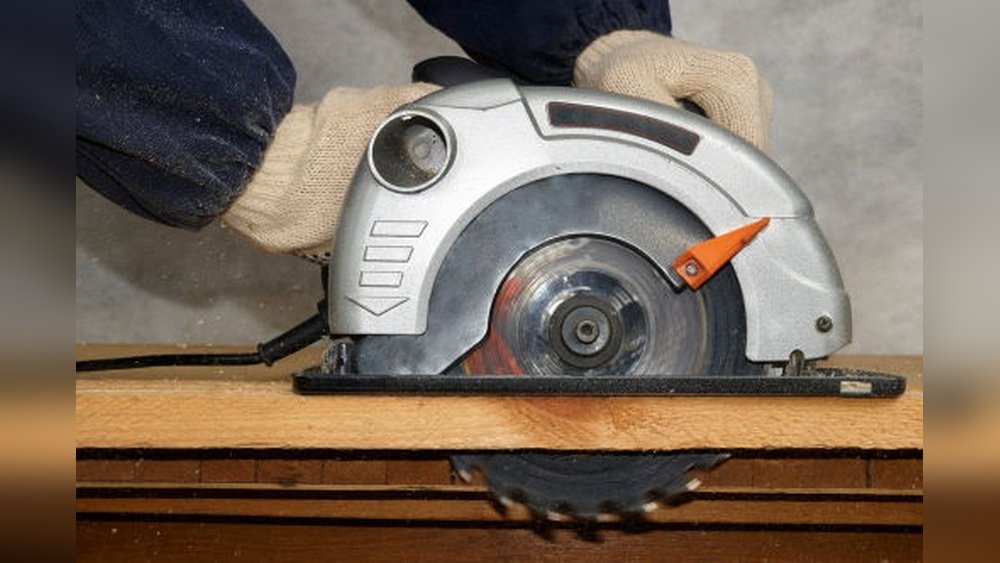
Have you ever been in the middle of a project when your circular saw blade suddenly binds, stopping you dead in your tracks? It’s frustrating, annoying, and can even be dangerous.
You might wonder why it’s happening and how to fix it quickly. Understanding why your blade binds is key to keeping your work smooth and safe. You’ll discover the common reasons behind blade binding and simple solutions you can use right away.
Keep reading to get your saw running like new and avoid costly mistakes.

Credit: www.youtube.com
Common Causes Of Blade Binding
Blade binding in a circular saw interrupts your work and can cause safety risks. Understanding common causes helps fix this problem quickly. Most binding issues come from simple mistakes or worn parts. Fixing these can improve your saw’s performance and make cuts smoother. Here are the main reasons why your blade might bind.
Blade Dullness
A dull blade struggles to cut through material. It causes more friction and heat. The saw blade can get stuck or bind easily. Regularly check your blade’s sharpness. Replace or sharpen dull blades to avoid binding issues.
Incorrect Blade Type
Using the wrong blade for your material causes binding. Each blade suits specific materials like wood, metal, or plastic. A blade not designed for your material may catch or stall. Always use the proper blade type for clean cuts.
Improper Blade Installation
Blade binding can happen if the blade is installed wrong. Incorrect direction or loose mounting causes poor cutting action. Always follow the manufacturer’s instructions for blade installation. Tighten bolts securely and check the blade’s rotation direction.
Material Pinching
Material can pinch the blade during cutting, causing binding. This occurs if the cut is too tight or the material is not supported. Use a proper cutting technique and support the workpiece. Avoid forcing the saw through tight spaces.
Motor Or Arbor Issues
Problems with the motor or arbor can cause blade binding. A bent arbor or worn bearings increase friction. The motor may not spin the blade at the right speed. Inspect these parts regularly and repair or replace if needed.
Effects Of Blade Binding
Blade binding in a circular saw causes several problems. It stops the blade from spinning smoothly. This issue affects your work and the tool itself. Understanding the effects helps you spot problems early. It also protects your safety and materials.
Overheating
Binding makes the blade work harder than usual. This extra effort creates heat quickly. Overheating can damage the blade’s teeth and metal. It also harms the motor inside the saw. Too much heat lowers the tool’s life span.
Kickback Risks
When the blade binds, the saw can jerk suddenly. This sudden movement is called kickback. Kickback can push the saw toward you. It increases the chance of injury. Proper handling and sharp blades reduce this risk.
Damage To Material
Binding stops the blade from cutting cleanly. It causes rough edges and splinters on wood. The material may crack or split during cutting. These problems waste your supplies and money. Smooth cuts need a free-spinning blade.
Wear On Saw Components
Binding puts stress on the saw’s parts. Bearings and motor parts wear out faster. The saw may need repairs or replacement soon. Keeping the blade sharp and clean helps avoid this. Regular maintenance keeps your saw working well.
Fixing Blade Binding Problems
Blade binding can stop your circular saw from working well. Fixing this problem helps you cut smoothly and safely. Several simple steps can solve binding issues fast.
Sharpen Or Replace The Blade
Dull blades cause binding by not cutting properly. Sharpen the blade often to keep it sharp. Replace the blade if it is damaged or worn out. A sharp blade cuts easier and prevents binding.
Choose The Right Blade For Material
Different materials need different blades. Wood, metal, and plastic blades have different teeth shapes. Use the correct blade for the material you cut. This choice reduces binding and improves cutting quality.
Check And Secure Blade Installation
A loose blade can cause binding during cuts. Make sure the blade fits tightly on the arbor. Tighten the blade bolt securely before cutting. Proper installation keeps the blade stable and safe.
Use Proper Cutting Techniques
Cut with steady speed and pressure. Pushing too hard or too fast causes binding. Let the saw do the work and guide it gently. Correct cutting methods prevent the blade from sticking.
Maintain Saw Motor And Arbor
Clean and lubricate the motor and arbor regularly. Dirt or rust can cause blade binding. Check for worn parts and replace if needed. Well-maintained saw parts help the blade run smoothly.

Credit: www.youtube.com
Preventive Tips For Smooth Cuts
Binding in circular saw blades causes rough cuts and can be dangerous. Smooth cuts need care and attention. Follow some simple tips to keep your saw working well and safe.
Regular Blade Maintenance
Clean the blade often to remove pitch and resin. Dull blades cause binding. Sharpen or replace blades as needed. Check teeth for damage before each use.
Use Correct Feed Speed
Push the saw steadily and not too fast. Too much force makes the blade bind. Let the blade do the cutting. Slow and steady gives cleaner cuts.
Keep Work Area Clear
Remove debris and scraps near the cut line. A clear path stops the wood from pinching the blade. Support long pieces to avoid bending or twisting.
Inspect Saw Before Use
Check the saw for loose parts or damage. Make sure the blade is tight and aligned properly. Test the saw on scrap wood first to ensure smooth operation.

Credit: woodworking.stackexchange.com
Frequently Asked Questions
Why Does My Circular Saw Blade Keep Binding?
Binding occurs when the blade gets pinched in the cut due to wood compression or blade dullness. It can also happen if the saw is misaligned or the material is not properly supported during cutting.
How Can I Prevent My Circular Saw Blade From Binding?
Use a sharp blade and ensure proper alignment of the saw. Support the material fully and avoid cutting warped or wet wood. Also, maintain a steady feed rate to prevent pinching or overloading the blade.
Can A Dull Blade Cause Circular Saw Blade Binding?
Yes, a dull blade struggles to cut cleanly, causing the wood fibers to pinch the blade. This increases resistance and leads to binding. Regularly sharpening or replacing the blade helps maintain smooth cutting and prevents binding.
Does Wood Type Affect Circular Saw Blade Binding?
Hardwoods and wet or green wood are more prone to causing binding. Their density and moisture content increase friction, which can pinch the blade. Choosing the right blade type for the wood improves cutting efficiency and reduces binding.
Conclusion
A binding circular saw blade can slow your work and cause frustration. Check the blade sharpness and alignment often. Use the right blade for the material you cut. Keep your saw clean and avoid forcing it through the wood. Small fixes can stop binding and improve safety.
Regular care helps your saw run smoothly every time. Stay patient and take time to maintain your tool well. This makes cutting easier and protects your work.

Michael Harris is an experienced woodworker and power tool expert with over 12 years in woodworking. Specializing in functional, high-quality furniture, he offers expert advice on tool selection, maintenance, and sharpening for both beginners and professionals.