Choosing the right drill speed can make all the difference between a smooth job and a frustrating mess. If you’ve ever struggled with drills that overheat, damage materials, or just don’t work the way you want, this guide is for you.
Understanding how to match your drill speed to your task will save you time, protect your tools, and give you professional results every time. Keep reading, and you’ll learn simple tips that anyone can use to get the perfect drill speed for any project.
Types Of Drill Speeds
Drill speed plays a key role in how well you complete a task. Different jobs need different speeds to work best. Choosing the right speed helps you drill clean holes and avoid damage. Drill speeds fall into three main types. Each type suits certain materials and tasks.
Low Speed Drills
Low speed drills run between 0 and 500 RPM. These speeds suit hard materials like metal or hardwood. Slow speed gives better control and less heat. It stops the drill bit from wearing out fast. Use low speed for drilling large holes or tough surfaces.
Medium Speed Drills
Medium speed drills operate from 500 to 1,500 RPM. This speed fits many common tasks with wood or plastic. It balances power and control well. Medium speed works best for most household projects. It helps create smooth holes without splintering.
High Speed Drills
High speed drills spin above 1,500 RPM. These speeds are ideal for soft materials like softwood or thin metal. High speed drills cut quickly but need careful handling. Use them for small holes or fast drilling jobs. Watch out for overheating at high speed.
Material And Drill Speed
Choosing the right drill speed depends a lot on the material you are working with. Different materials need different speeds to drill clean holes and avoid damage. Using the wrong speed can cause the drill bit to wear out fast or the material to crack.
Understanding how drill speed affects each material helps you work better and safer. Below are the common materials and their recommended drill speeds.
Wood Drilling Speeds
Wood is soft and easy to drill. High speeds work best for wood. Speeds between 1500 and 3000 RPM usually give clean holes.
Hardwoods need slower speeds than softwoods. Too fast can burn the wood or dull the bit. Start slow and increase speed if needed.
Metal Drilling Speeds
Metal is tough and needs slower drill speeds. Around 300 to 1000 RPM works well for most metals. Harder metals need even slower speeds.
Using slow speed prevents heat build-up. Heat can damage the bit and metal surface. Use cutting oil to keep things cool.
Plastic Drilling Speeds
Plastic melts easily with heat. Use medium to low speeds, about 500 to 1500 RPM. Go slower for thick or hard plastics.
Drill slowly and steady to avoid cracking. Sharp bits help make smooth holes without melting the plastic.
Bit Size And Speed Relation
The size of the drill bit affects the speed you should use. Choosing the right speed helps you work faster and avoid damage. Small bits need more speed for clean holes. Large bits require slower speeds to prevent overheating and breakage.
Small Bits And High Speeds
Small drill bits spin faster to cut through material easily. High speeds create less pressure on the bit. This reduces the chance of the bit bending or breaking. Use high speeds for bits under 1/8 inch in diameter. It helps to make smooth and precise holes.
Large Bits And Low Speeds
Large bits need slower speeds to work safely. Slower speeds prevent the bit from getting too hot. Heat can dull the bit or damage the material. For bits over 1/4 inch, use low speeds. This keeps control and extends the life of the bit.

Credit: www.kafuwell.com
Impact Of Drill Speed On Accuracy
Drill speed plays a key role in the accuracy of your work. Choosing the right speed helps you control the drill better. It also prevents mistakes and damage to the material. Fast speeds can cause the drill bit to slip or wander. Slow speeds give more control but may take longer to finish.
Understanding how speed affects accuracy helps you pick the best setting for each task. This knowledge makes your drilling cleaner and more precise.
Effect Of High Speed On Drill Accuracy
High speed makes the drill spin very fast. This can heat the drill bit quickly. Heat may dull the bit and reduce accuracy. Fast spinning bits can slip off the mark. This causes uneven or wrong holes. High speed works best for soft materials like wood.
How Low Speed Improves Control
Low speed means slower drill rotation. It allows better handling of the tool. You can guide the bit more carefully. This reduces mistakes and ensures straight holes. Low speed is good for hard materials like metal or tile. It also helps when using large drill bits.
Balancing Speed And Pressure For Accuracy
Speed alone does not guarantee accuracy. You must also apply the right pressure. Too much pressure at high speed can cause slipping. Too little pressure at low speed may waste time. Find a balance to keep the drill steady and sharp. This balance creates clean, precise holes every time.
Safety Tips For Choosing Drill Speed
Choosing the right drill speed is important for safety. Wrong speed can cause accidents or damage the material. Follow these safety tips to keep your work safe and smooth.
Use The Correct Speed For The Material
Hard materials need slower speeds. Soft materials can handle faster speeds. Match the speed to the material to avoid slipping or breaking.
Wear Safety Gear
Always wear safety glasses and gloves. Dust and debris can fly during drilling. Protect your eyes and hands from injury.
Check The Drill Bit Condition
Use sharp, undamaged drill bits. Dull bits need more force and can slip. Inspect bits before starting your work.
Secure The Workpiece
Clamp the material firmly. Loose pieces can spin or jump. A steady workpiece helps control the drill safely.
Start At A Low Speed
Begin drilling slowly to gain control. Increase speed only if the drill and material allow. This prevents sudden jerks or slips.
Keep Hands Away From The Drill
Hold the drill with both hands on the handle. Never touch the drill bit while it spins. Keep fingers clear to avoid cuts.
Credit: www.walmart.com
Adjusting Speed For Different Drill Types
Adjusting drill speed is key to getting the best results from your tool. Each drill type works best at certain speeds. Matching speed to the drill type helps prevent damage and makes the job easier. Understanding how to adjust speed improves your drilling experience and results.
Corded Drills
Corded drills offer steady power and constant speed. They work well at higher speeds for wood and metal. Use slower speeds for tougher materials like metal or plastic. Adjust speed using the trigger or a built-in dial. Keep speed low for precision and control on delicate tasks.
Cordless Drills
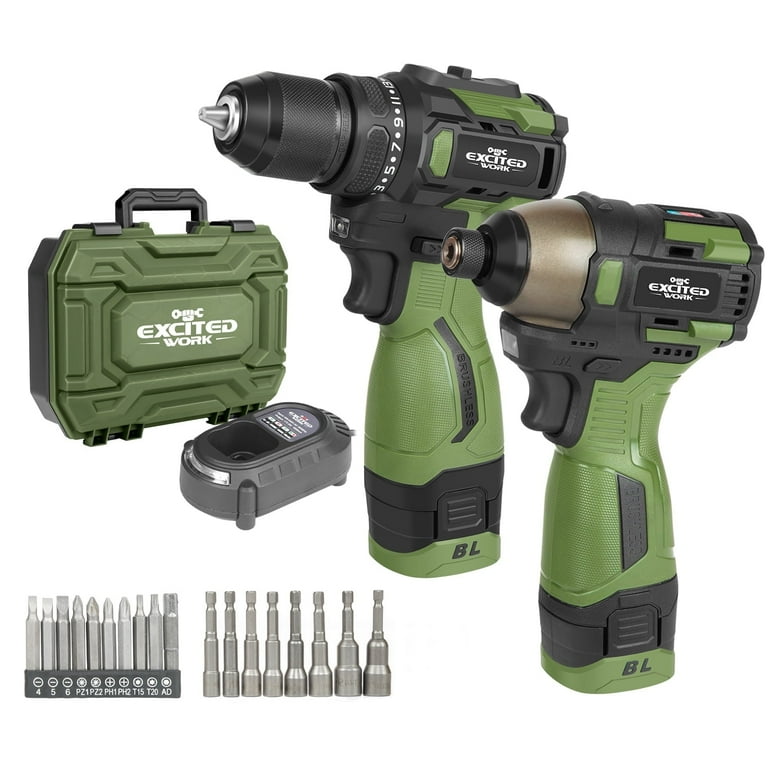
Cordless drills give flexibility and portability. Their speed varies with battery charge and model. Use lower speeds for driving screws to avoid stripping. Higher speeds work best for drilling holes. Some models have speed settings or a variable trigger. Adjust speed to match the task and battery level.
Hammer Drills
Hammer drills combine rotation with a hammering action. Use low speeds for hammer mode on masonry and concrete. Higher speeds suit regular drilling on wood or metal. Switch off hammer mode for smooth materials. Adjust speed carefully to avoid damage and ensure clean holes.
Common Mistakes To Avoid
Choosing the right drill speed is key to a good job. Many people make simple mistakes that hurt their work and tools. Avoid these errors to save time and keep your drill safe.
Using One Speed For All Materials
Different materials need different speeds. Wood drills best at higher speeds. Metal needs slower speeds to avoid damage. Using one speed wastes effort and can break bits.
Applying Too Much Pressure
Pressing hard does not make drilling faster. It can cause the drill to slip or overheat. Let the drill do the work. Light, steady pressure is best.
Ignoring Drill Bit Condition
Dull or damaged bits need more speed to work. This ruins the material and the bit. Always check bits before starting. Replace worn bits to drill smoothly.
Not Adjusting Speed For Drill Size
Large drill bits require slower speeds. Small bits work well at higher speeds. Using the wrong speed can break the bit or ruin the hole.
Maintenance Tips For Optimal Speed
Maintaining the right drill speed is key for smooth work and tool longevity. Proper care keeps your drill running efficiently. It helps avoid damage and costly repairs. Follow simple maintenance tips to keep your drill speed optimal.
Cleaning The Drill Regularly
Dirt and dust can slow your drill down. Clean the drill after every use. Use a dry cloth to wipe the surface. Blow out dust from vents and moving parts. This prevents overheating and speed loss.
Lubricating Moving Parts
Lubrication reduces friction inside the drill. Apply oil to gears and bearings as per the manual. Smooth parts work faster and last longer. Avoid over-lubricating, which can attract dust.
Checking And Replacing Brushes
Brushes wear out with use and affect speed. Inspect brushes regularly for wear or damage. Replace worn brushes to keep speed steady. Good brushes ensure consistent power and speed control.
Inspecting The Power Cord And Battery
Damaged cords or weak batteries reduce drill speed. Check cords for cuts or frays before use. Charge batteries fully and store them properly. Healthy power sources keep the drill running at the right speed.
Credit: smartbuy.alibaba.com
Frequently Asked Questions
What Drill Speed Is Best For Wood Drilling?
Use a medium to high speed for wood. This prevents burning and ensures smooth holes. Softer woods require higher speeds, while hardwoods need slower speeds to avoid damage.
How Do I Adjust Drill Speed For Metal?
Use low to medium speeds for metal. Slower speeds prevent overheating and dulling of bits. Hard metals need slower speeds, while softer metals allow slightly faster drilling.
Why Choose Different Speeds For Different Materials?
Different materials have varying hardness and heat tolerance. Adjusting speed prevents damage and extends bit life. Proper speed ensures efficient, clean drilling without wear or safety risks.
Can High Speed Damage Drill Bits?
Yes, high speed can cause overheating and dull bits quickly. It reduces bit life and damages materials. Always match speed to material type for optimal performance and durability.
Conclusion
Choosing the right drill speed makes your work easier and safer. Always match speed to the material and drill bit. Use slower speeds for hard materials and faster for soft ones. Check your drill’s settings before starting. This helps prevent damage to your tools and workpiece.
Practice helps you get a feel for the right speed. With patience, your projects will look cleaner and last longer. Keep these tips in mind for better results every time you drill. Simple steps lead to better work.
Michael Harris is an experienced woodworker and power tool expert with over 12 years in woodworking. Specializing in functional, high-quality furniture, he offers expert advice on tool selection, maintenance, and sharpening for both beginners and professionals.