
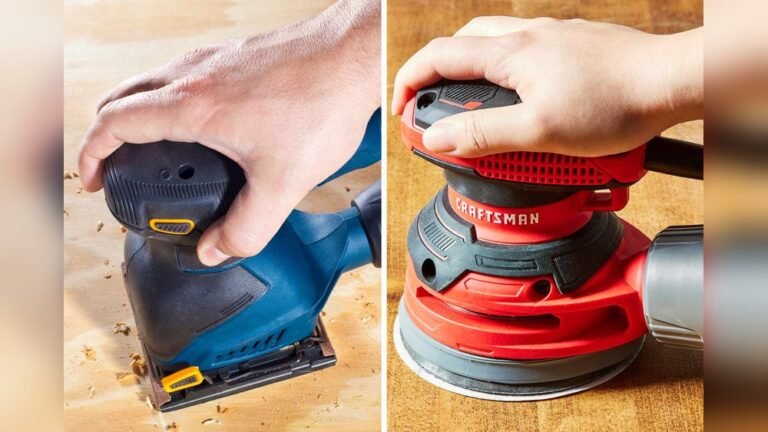
Choosing between an orbital sander vs palm sander can be confusing because both tools look simple, but they work best for different jobs.
A random orbital sander is faster, smoother, and better for large surfaces like doors, cabinets, tabletops, and furniture. A palm sander is lighter, cheaper, and easier to control on corners, edges, and small finishing jobs.
In this guide, you’ll see the real difference between both sanders, when to use each one, and which sander makes more sense to buy first.
Orbital Sander vs Palm Sander: Quick Answer
Choose an orbital sander if you need faster sanding, smoother results, and better coverage on large flat surfaces like doors, tables, cabinets, and furniture. Choose a palm sander if you need a cheaper, lighter tool for corners, edges, small furniture, and light finish sanding. For most DIY users buying only one, a random orbital sander is usually more versatile.
small product recommendation table
| Use Case | Recommended Product Type | Product Example |
|---|---|---|
| Best all-around choice | Random orbital sander | DEWALT DWE6423K |
| Smooth woodworking finish | Random orbital sander | Makita BO5030K |
| Budget/light finish sanding | 1/4 sheet palm sander | DEWALT DWE6411K |
| Corners and tight spaces | Detail/palm sander | BLACK+DECKER Mouse BDEMS600 |

Credit: mrsander.co.uk
Orbital Sander Basics
An orbital sander is a popular power tool for smoothing wood and other materials. It works by moving a sanding pad in small circles. This motion helps prevent scratches and gives a smooth finish. Many DIYers and professionals use orbital sanders for various projects.
Understanding the basics of an orbital sander helps you choose the right tool. This section explains its design, common uses, and pros and cons. You will learn how it differs from other sanders like palm sanders.
Design And Features
An orbital sander has a round or square sanding pad. The pad moves in tiny orbits, combining spinning and vibrating actions. This design reduces swirl marks on surfaces. Most orbital sanders have a dust collection system to keep the workspace clean. They are lightweight and easy to handle. Some models offer variable speed control for better sanding precision.
Common Uses
Orbital sanders work well on wood, plastic, and metal surfaces. They are ideal for removing paint, smoothing rough edges, and finishing surfaces. Woodworkers use them for furniture and cabinetry. They can sand curved and flat surfaces with ease. Orbital sanders also prepare surfaces before painting or staining. Their gentle sanding action helps avoid damage to delicate materials.
Pros And Cons
Orbital sanders are easy to use and versatile. They provide a smooth finish without deep scratches. The dust collection feature helps keep the area clean. They work well on both small and large projects. On the downside, they may not remove heavy material quickly. Orbital sanders can sometimes leave swirl marks if used incorrectly. They require some practice to achieve the best results.
Palm Sander Essentials
Palm sanders are compact tools designed for smooth sanding tasks. They fit well in your hand and are easy to control. These sanders work best on flat or slightly curved surfaces. Ideal for small projects, they offer precision and comfort.
Design And Features
Palm sanders have a flat, square or rectangular sanding pad. The pad vibrates rapidly to smooth surfaces. They usually have a dust collection system to keep work areas clean. Lightweight design reduces user fatigue during use. Easy to change sandpaper sheets with simple clips or Velcro.
Common Uses
Great for finishing wood furniture and cabinets. Often used to prepare surfaces before painting. Perfect for sanding edges and corners that need detail work. Handy for small to medium-sized projects around the house. Works well on softwoods and light sanding tasks.
Pros And Cons
Pros: Easy to handle and control. Produces a smooth finish without deep scratches. Good dust collection helps keep workspace clean. Affordable and widely available.
Cons: Not suitable for heavy material removal. Limited to flat or gently curved surfaces. Slower than orbital sanders on large projects. Can leave swirl marks if used improperly.
Performance Comparison
Comparing the performance of orbital and palm sanders helps you pick the right tool. Both have strengths and suit different tasks. Knowing their differences saves time and effort.
Sanding Speed And Efficiency
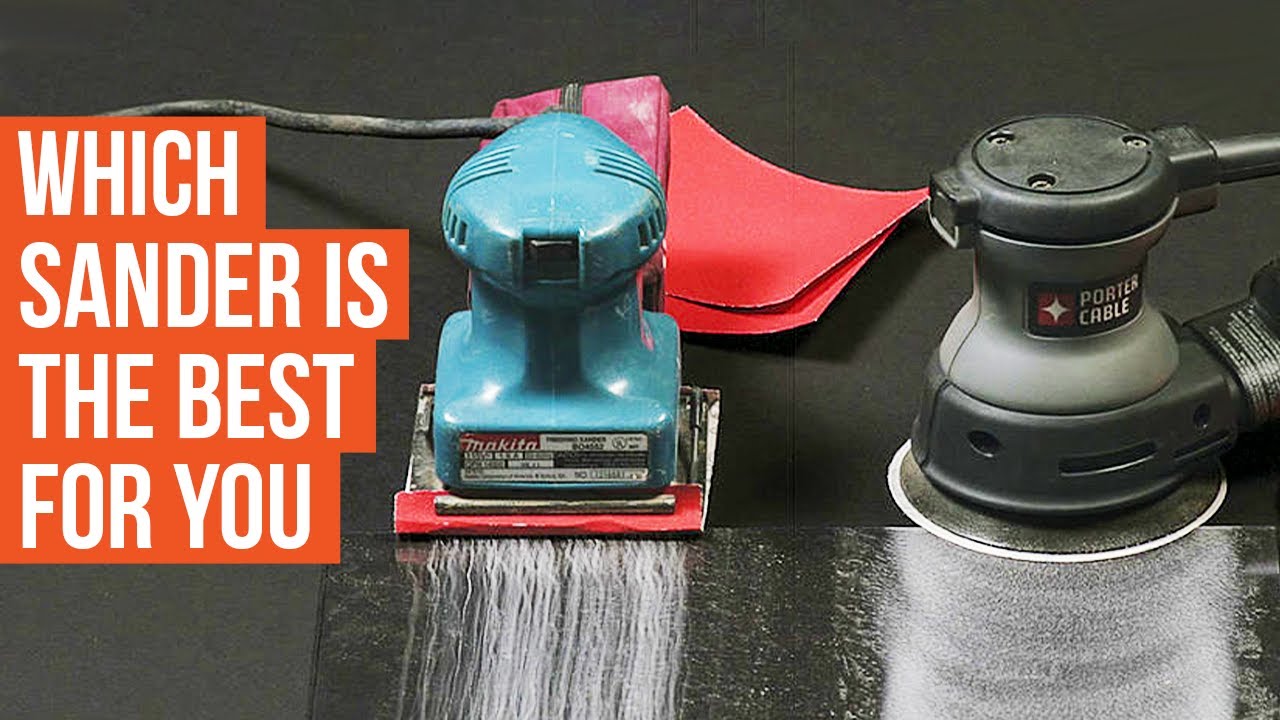
Orbital sanders cover large areas quickly. Their round sanding pad moves in a fast orbital pattern. This helps remove material evenly and fast. Palm sanders use a smaller square pad. They work slower but reach corners better. Orbital sanders suit big projects. Palm sanders fit small, detailed jobs.
Surface Finish Quality
Orbital sanders create a smooth, swirl-free finish. Their random motion prevents visible sanding marks. Palm sanders leave slight scratches due to their linear movement. They are good for prepping surfaces before finishing. For fine finish, orbital sanders perform better. Palm sanders are useful for rough sanding.
Ease Of Use
Palm sanders are lightweight and easy to hold. Their small size offers good control. Orbital sanders are bigger and a bit heavier. They need both hands for steady use. Beginners find palm sanders simpler to manage. Experienced users prefer orbital sanders for bigger jobs.
:max_bytes(150000):strip_icc()/SPR-palm-sander-vs-orbital-sander-8610618-hero-a279efa0b9fc44aeb1aad6aa7d70263e.jpg)
Credit: www.thespruce.com
Best Sanders to Buy Based on Your Project
Choosing between an orbital sander and a palm sander becomes easier when you know what kind of project you are working on. Some sanders are better for large flat surfaces. Some are better for corners, edges, and detail work.
If you want one sander for most DIY jobs, a random orbital sander is usually the better first choice. It removes material faster, gives a smoother finish, and works well on furniture, cabinets, doors, tabletops, and general woodworking projects.
A palm sander is better when you need more control, lighter sanding, and a simple tool for finishing work. If your project has corners, trim, narrow edges, or small wooden parts, a palm sander or detail sander can be more useful.
Below are four sanders worth considering based on different project needs.
1. DEWALT DWE6423K Random Orbit Sander: Best Overall for DIY and Furniture
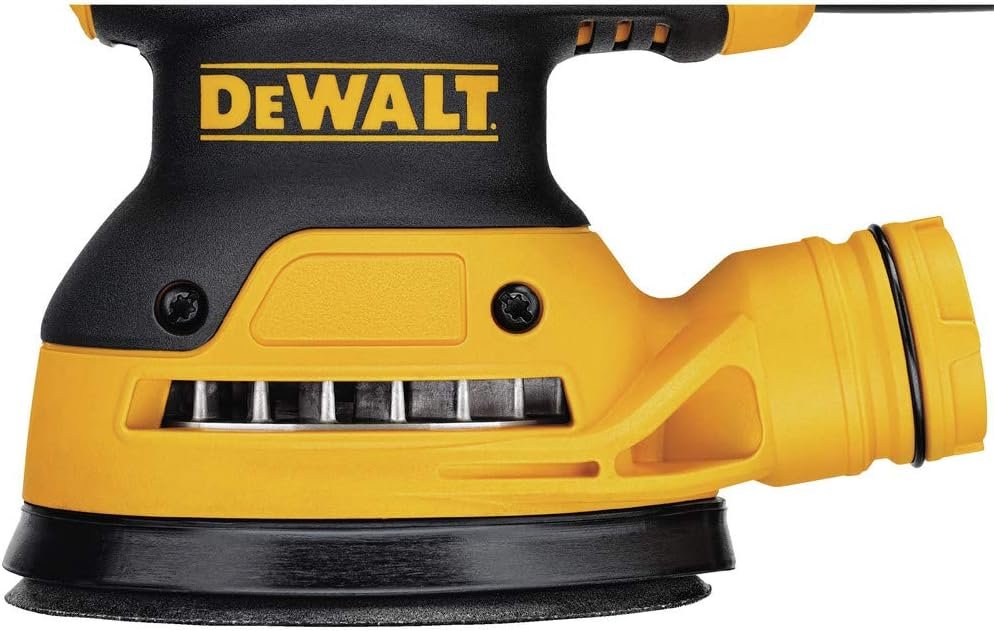
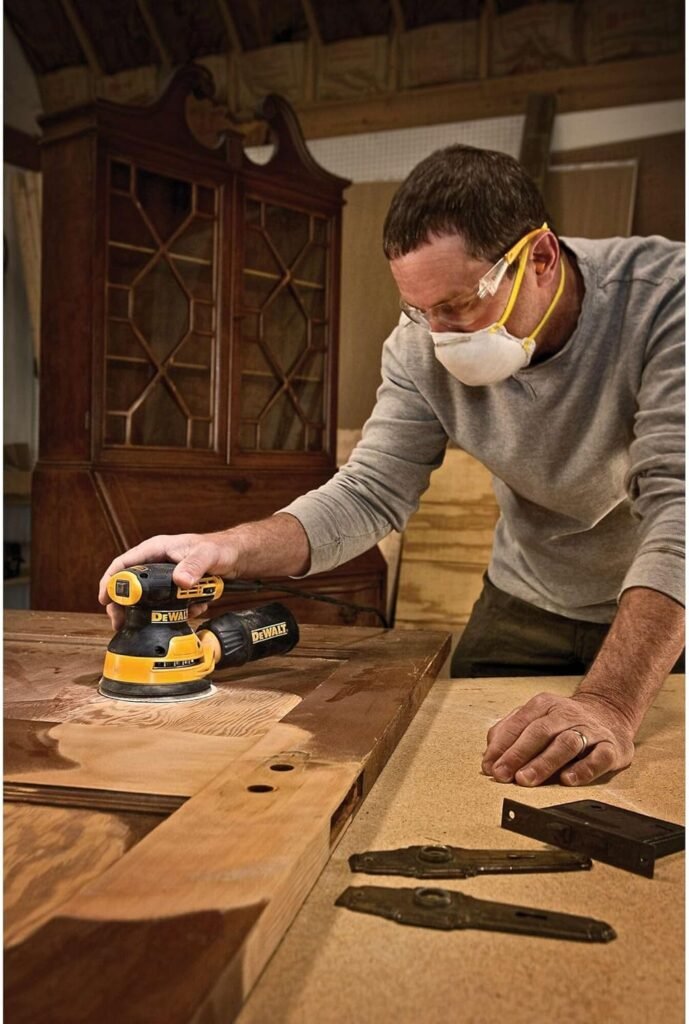
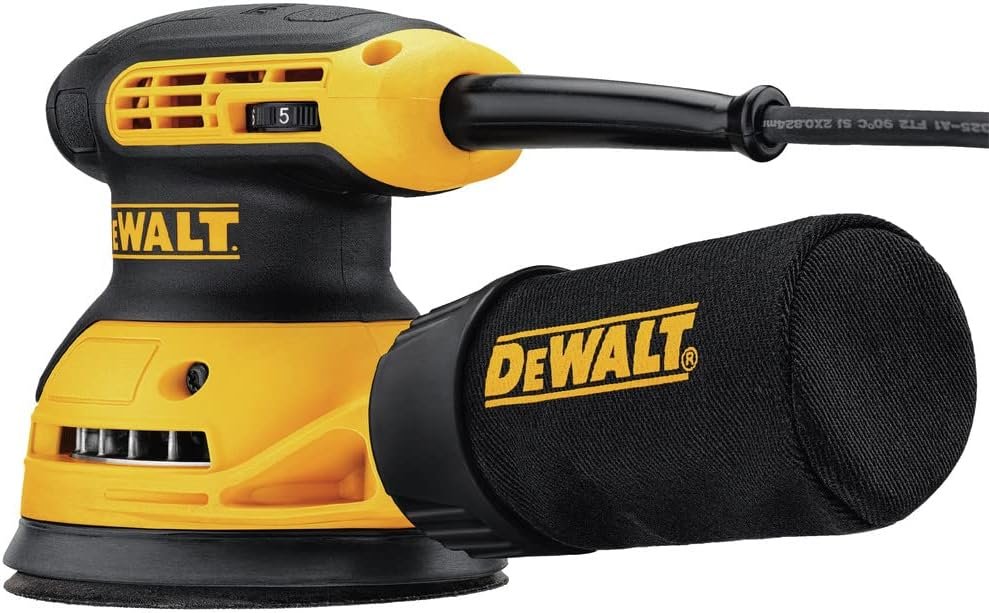
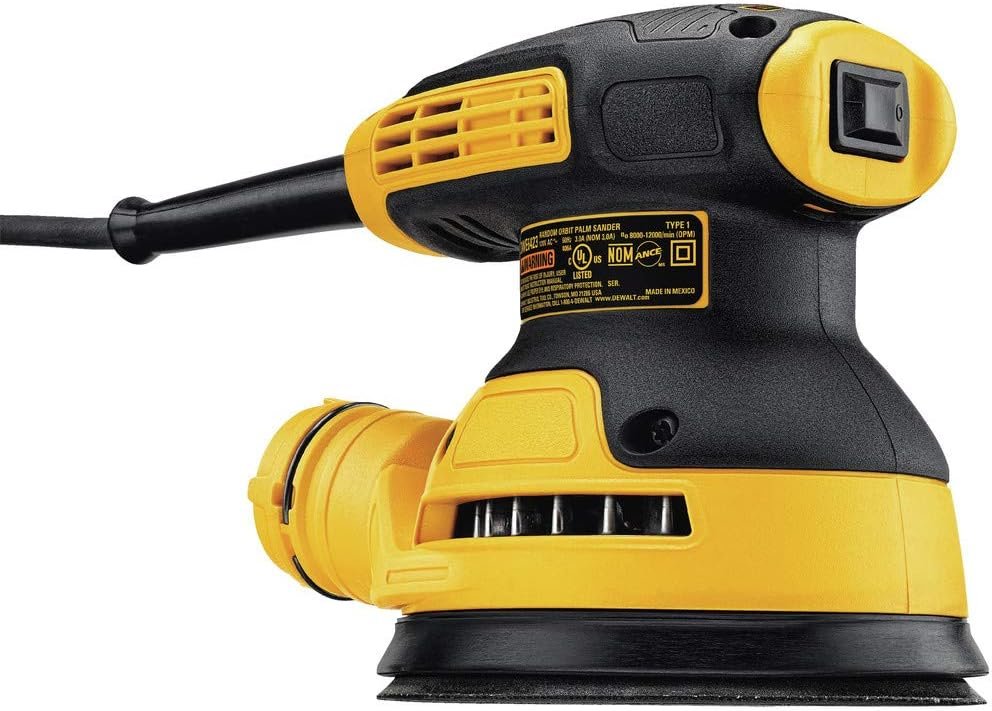
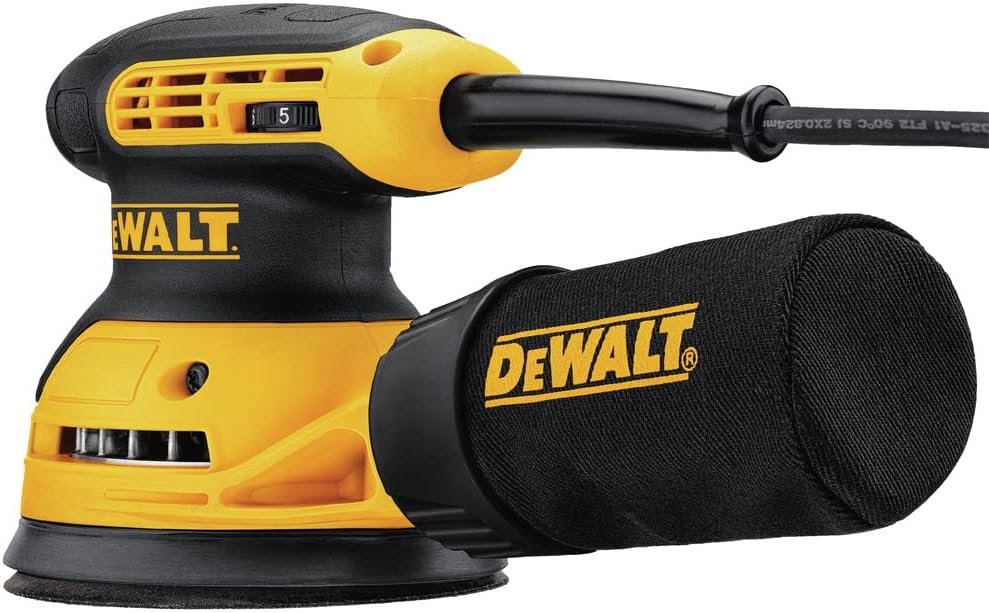
The DEWALT DWE6423K is a strong choice for DIY users, homeowners, and woodworkers who want one reliable sander for many projects. It is a random orbit sander, so it moves in a way that helps reduce visible sanding marks while still removing material quickly.
This sander works well on large flat surfaces such as tabletops, cabinet doors, shelves, wooden panels, and furniture pieces. If you are refinishing old furniture or preparing wood before staining or painting, this model gives a good balance of speed, control, and finish quality.
One of the biggest advantages of the DEWALT DWE6423K is its variable speed control. It has a 3 amp motor and runs from 8,000 to 12,000 OPM. That means you can use a lower speed for more controlled sanding and a higher speed when you need faster material removal.
It also has a rubber overmold grip, reduced vibration design, and a dust bag system. These features make it more comfortable for longer sanding sessions and help keep the work area cleaner.
Why this sander is a good choice
The DEWALT DWE6423K is best for users who want a dependable all-around sander. It is not only for one type of job. You can use it for furniture, cabinets, doors, wooden boards, and general DIY projects.
It is especially useful if you want to buy only one sander first. Compared to a palm sander, it works faster and handles bigger surfaces better. For most people comparing an orbital sander vs palm sander, this type of random orbital sander is the better starting point.
Best for
- Furniture refinishing
- Cabinet sanding
- Door sanding
- Tabletops and shelves
- Paint or stain preparation
- General DIY woodworking
Pros
- Good all-around performance
- Variable speed control
- Faster than most palm sanders
- Comfortable grip
- Good for large flat surfaces
- Helps reduce swirl marks when used correctly
Things to consider
This is not the best tool for tight inside corners. Since it uses a round sanding pad, it cannot reach square corners as well as a palm sander or detail sander.
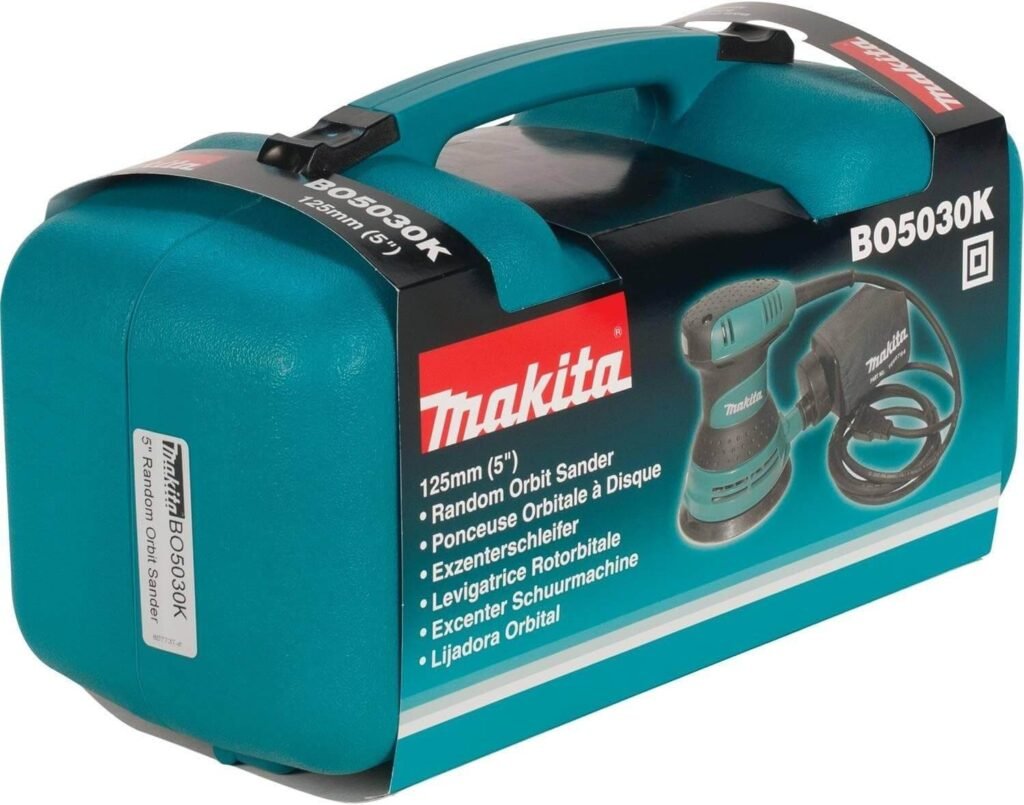
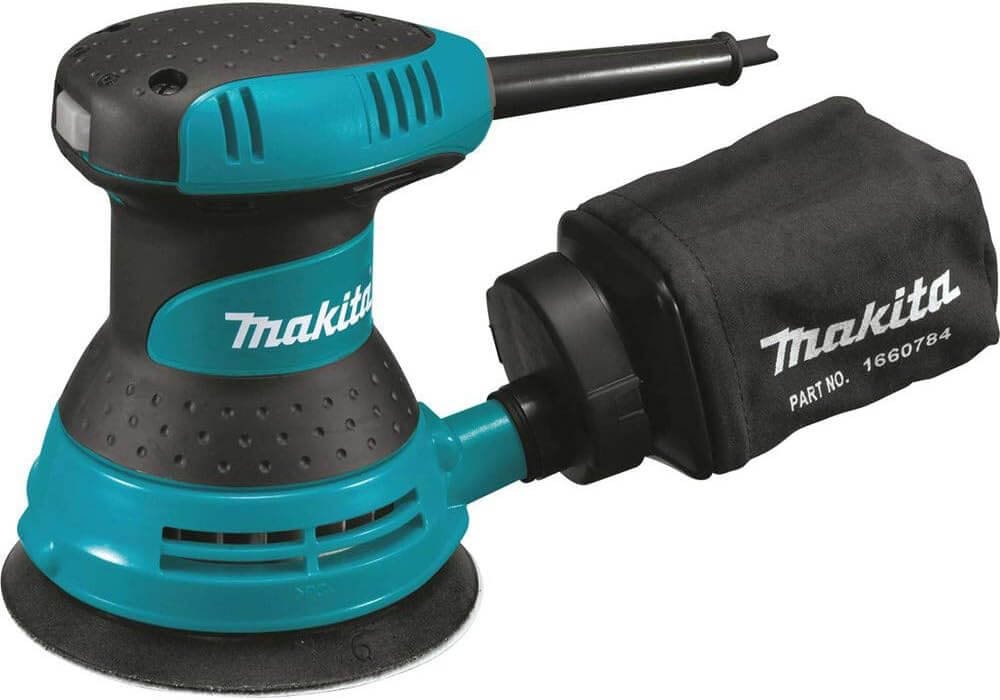
2. Makita BO5030K Random Orbit Sander: Best for Smooth Wood Finish
The Makita BO5030K is another great random orbit sander, especially for users who care about smooth finishing. It is a good choice for woodworking, furniture projects, and surface preparation where the final look matters.
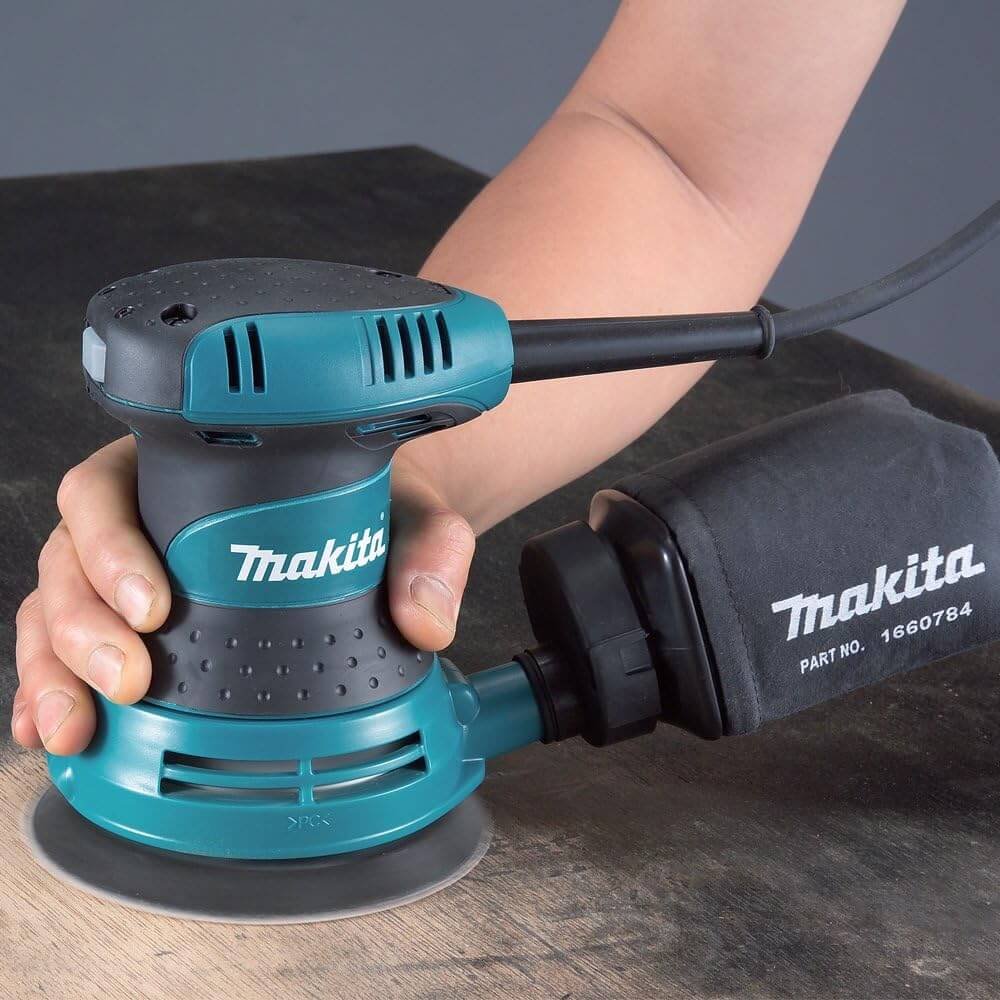
This sander has a 3 amp motor and runs at 12,000 OPM. It also has a 1/8-inch random orbit action, which helps it sand quickly while leaving a smoother surface. That makes it useful for wood surfaces that need to be painted, stained, sealed, or finished.
The Makita BO5030K also includes a rubberized grip and through-the-pad dust collection. The grip helps with comfort and control, while the dust collection system helps remove sanding dust from the surface as you work.
This model is best for people who want a simple, consistent random orbital sander without overcomplicating the sanding process.
Why this sander is a good choice
The Makita BO5030K is a strong option if your main goal is a clean wood finish. It can remove sanding marks, smooth rough wood, and prepare surfaces before applying stain or paint.
It is a better choice than a palm sander for larger wood surfaces because it covers more area and works faster. If you are sanding furniture, wooden boards, shelves, or cabinet faces, this sander can save time while still giving a polished result.
Best for
- Smooth woodworking finish
- Furniture sanding
- Cabinet faces
- Wood surface preparation
- Removing light imperfections
- Sanding before staining or painting
Pros
- Smooth sanding performance
- Strong 3 amp motor
- Good for finish work
- Comfortable rubberized grip
- Through-the-pad dust collection
- Good balance of speed and control
Things to consider
This model does not reach tight corners well because of its round sanding pad. If your project has many corners, small gaps, or detailed trim, pair it with a palm sander or detail sander.
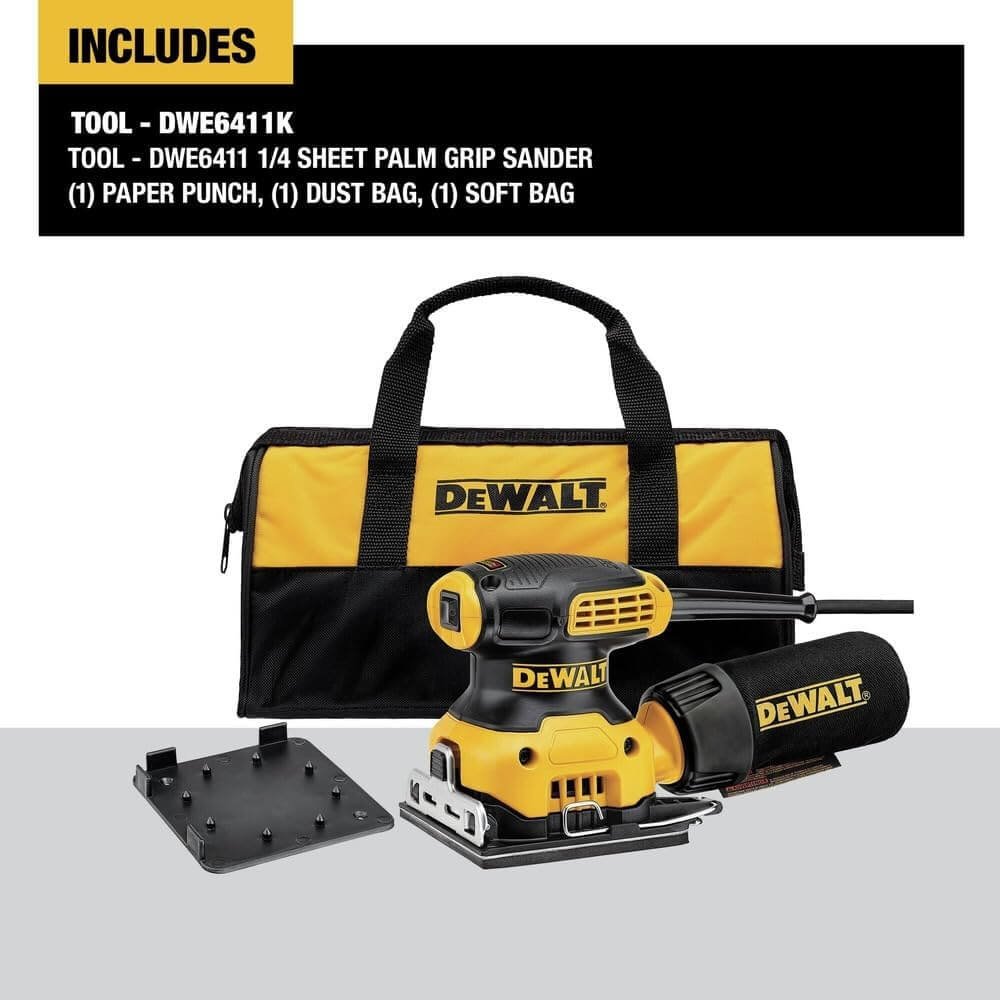
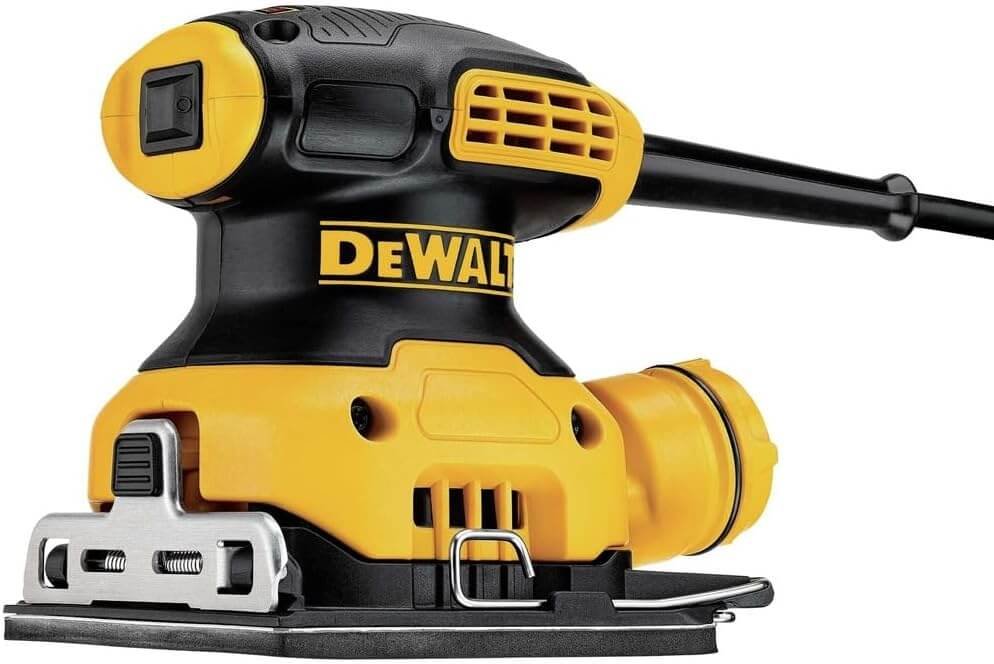
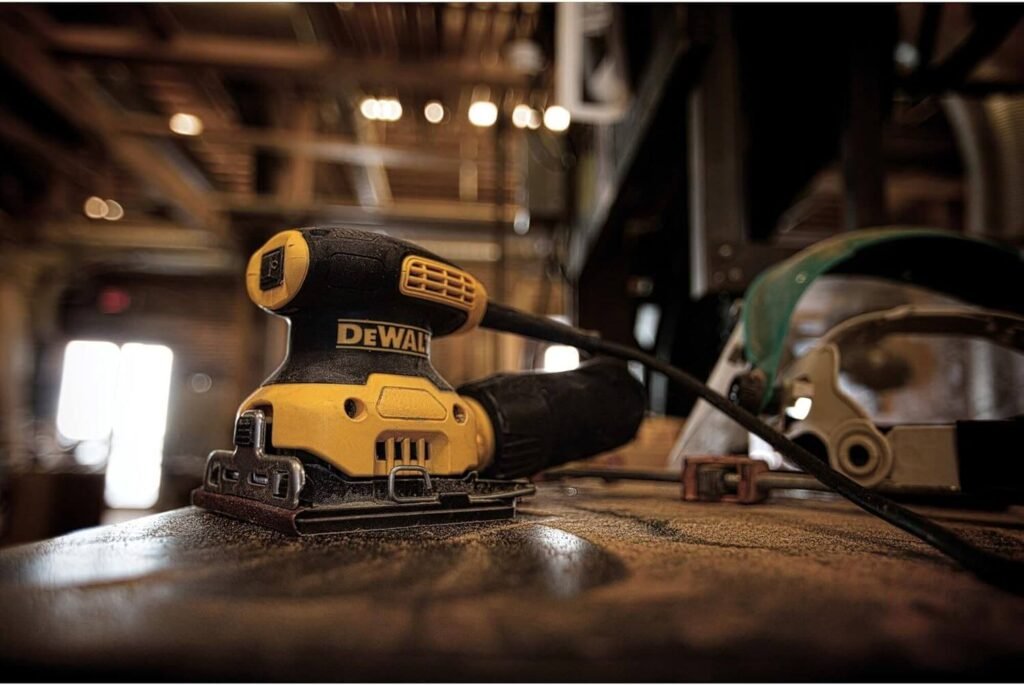
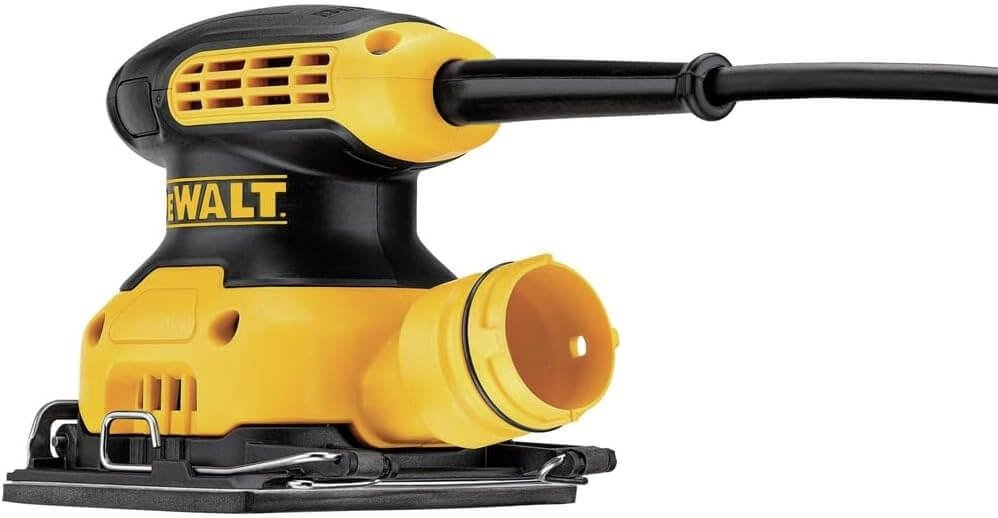
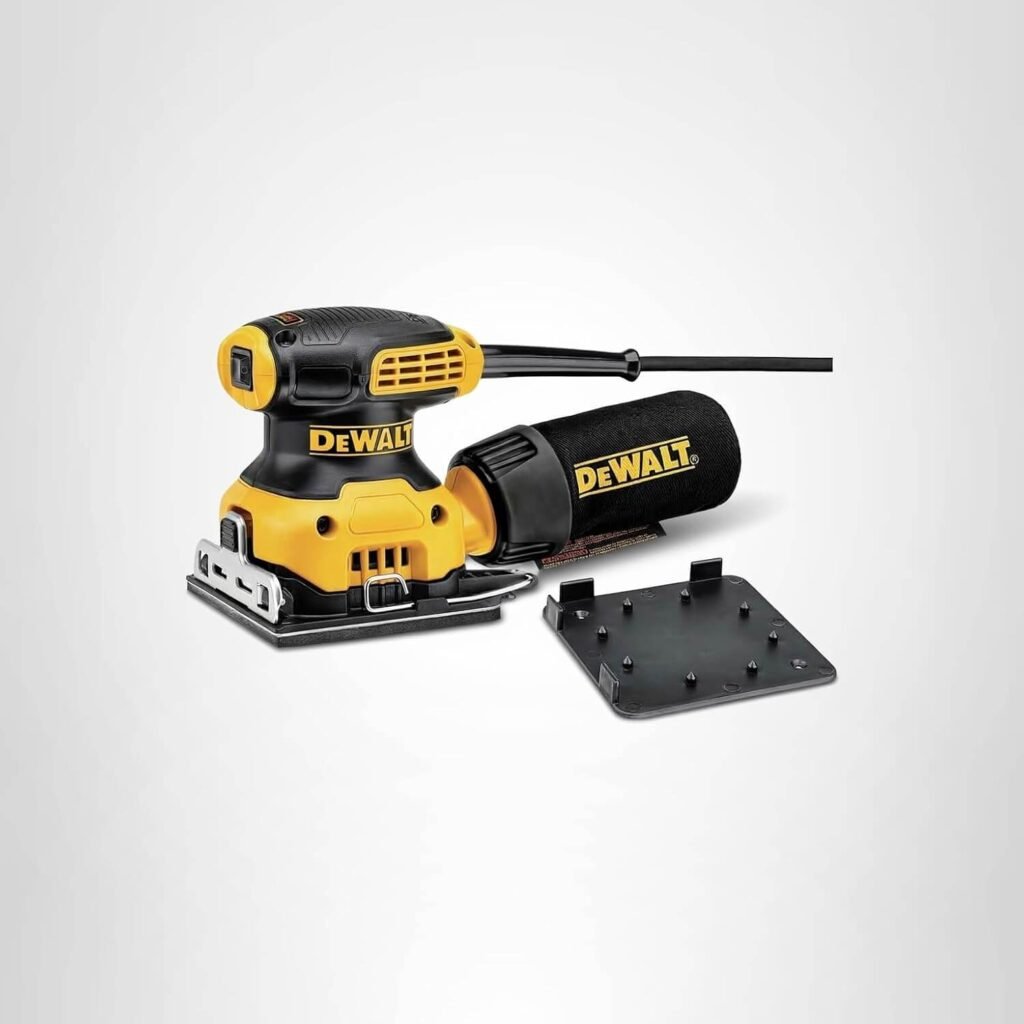
3. DEWALT DWE6411K Palm Sander: Best Palm Sander for Light Finishing
The DEWALT DWE6411K is a 1/4 sheet palm sander made for light sanding and finishing work. It is a good option if you want a simple, easy-to-control sander for smaller surfaces, edges, and final smoothing.
This palm sander has a 2.3 amp motor and runs at 14,000 OPM. It uses regular sandpaper sheets, which can be more budget-friendly than round sanding discs. The square sanding pad also helps it get closer to corners than a random orbital sander.
This model is useful when you do not need aggressive sanding power. It works best for light surface smoothing, final finish sanding, and smaller DIY projects.
Why this sander is a good choice
The DEWALT DWE6411K is a good choice for users who want control more than speed. It is easier to manage on small surfaces and works well when you are sanding carefully.
If your project includes small furniture, wooden trim, narrow boards, or light finishing work, this palm sander makes sense. It is also a good second sander to own if you already have a random orbital sander.
For the orbital sander vs palm sander comparison, this tool shows where palm sanders are useful. They may not be as fast as random orbital sanders, but they are simple, affordable, and better for controlled finishing.
Best for
- Light finish sanding
- Small furniture
- Edges and trim
- Sanding between paint coats
- Sanding between stain or finish coats
- DIY users who want a simple sander
Pros
- Easy to control
- Good for light finishing
- Uses standard sandpaper sheets
- Better for corners than round-pad sanders
- Comfortable grip
- Good option for beginners
Things to consider
This sander is not the best choice for heavy material removal. If you need to sand large tabletops, doors, or rough boards quickly, a random orbital sander will usually work better.
4. BLACK+DECKER Mouse BDEMS600 Detail Sander: Best for Corners and Tight Spaces
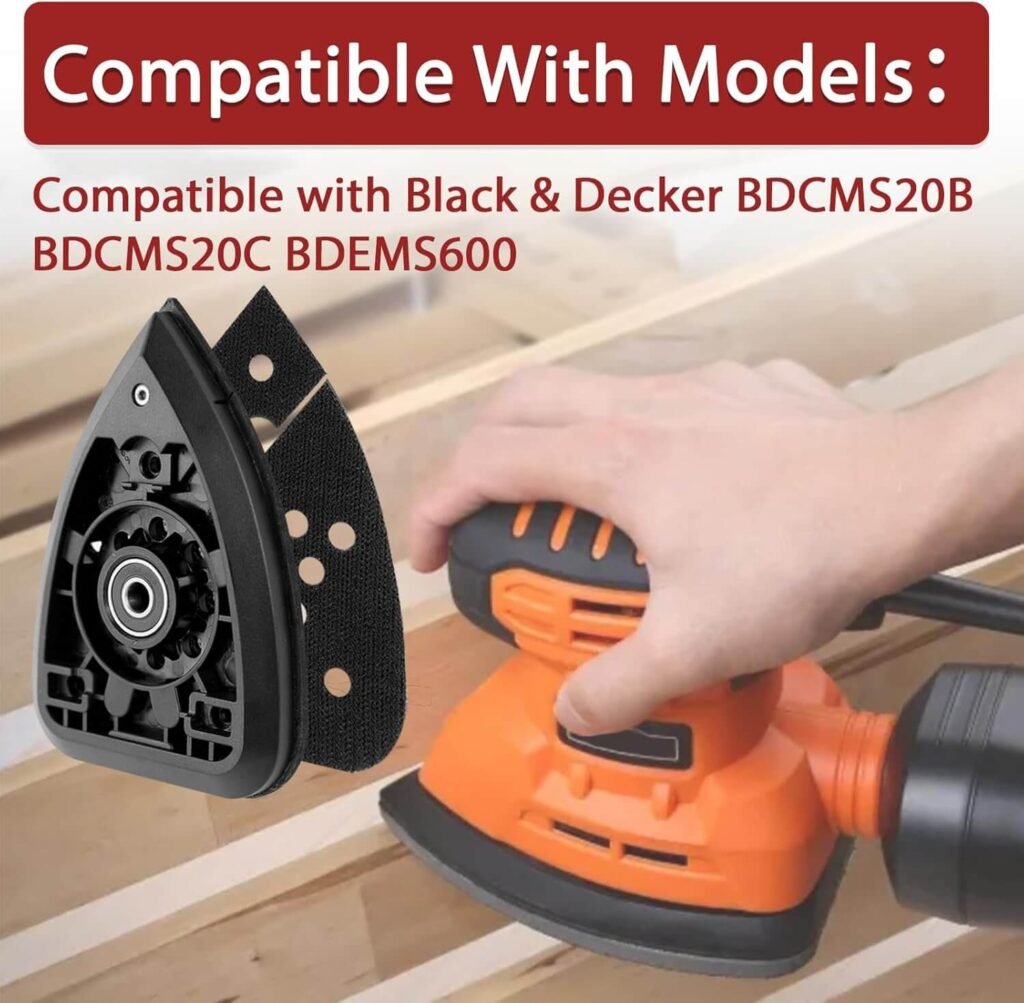
The BLACK+DECKER Mouse BDEMS600 is a compact detail sander made for tight spaces, corners, and small sanding jobs. It is not the same as a standard palm sander, but it is useful for the areas where round orbital sanders struggle.
This sander has a compact body, a detail sanding pad, and a detail finger attachment. These features help it reach narrow areas, inside corners, furniture details, and other hard-to-sand spots.
It is a good choice for small projects, paint removal, surface preparation, and finishing tasks where precision matters more than power.
Why this sander is a good choice
The DEWALT DWE6411K is a good choice for users who want control more than speed. It is easier to manage on small surfaces and works well when you are sanding carefully.
If your project includes small furniture, wooden trim, narrow boards, or light finishing work, this palm sander makes sense. It is also a good second sander to own if you already have a random orbital sander.
For the orbital sander vs palm sander comparison, this tool shows where palm sanders are useful. They may not be as fast as random orbital sanders, but they are simple, affordable, and better for controlled finishing.
Best for
- Light finish sanding
- Small furniture
- Edges and trim
- Sanding between paint coats
- Sanding between stain or finish coats
- DIY users who want a simple sander
Pros
- Easy to control
- Good for light finishing
- Uses standard sandpaper sheets
- Better for corners than round-pad sanders
- Comfortable grip
- Good option for beginners
Things to consider
This sander is not the best choice for heavy material removal. If you need to sand large tabletops, doors, or rough boards quickly, a random orbital sander will usually work better.
Project Suitability
Choosing the right sander depends on the type of project you plan to do. Both orbital and palm sanders have unique strengths. Understanding their project suitability helps you pick the best tool. This section explains which sander fits your project needs.
Best For Large Surfaces
Orbital sanders cover large areas quickly. Their round, spinning motion removes material fast. They work well on floors, tables, and doors. The wide sanding pad makes the job easier. Use an orbital sander for sanding big, flat surfaces.
Ideal For Detail Work
Palm sanders are smaller and lighter. They fit comfortably in your hand for better control. This makes them perfect for detail work. Sand edges, corners, and small pieces with ease. Palm sanders help you reach tight spots smoothly.
Material Compatibility
Both sanders handle wood well. Orbital sanders also work on metal and plastic surfaces. Palm sanders excel on delicate materials because they are gentle. Choose the sander based on your material’s hardness and finish needs.
Cost And Maintenance
Cost and maintenance play a big role in choosing between an orbital sander and a palm sander. Knowing the price and upkeep helps you pick the right tool for your budget and needs. This section breaks down the costs and care for both sanders.
Price Differences
Orbital sanders usually cost more than palm sanders. This is because orbital sanders have more complex parts. Palm sanders are simpler and cheaper. You can find palm sanders at lower prices, making them good for small projects. Orbital sanders suit bigger jobs and last longer, justifying their higher price.
Durability And Lifespan
Orbital sanders tend to last longer than palm sanders. Their parts are made for tough use. Palm sanders work well but wear out faster. How long a sander lasts depends on how often you use it. Taking care of the tool can extend its life, no matter the type.
Maintenance Tips
Clean the sander after each use. Remove dust from vents and pads. Check the power cord for damage. Change sanding pads when worn out. Store the sander in a dry place. Regular checks keep the sander working well. Simple care saves money on repairs or replacements.
Credit: www.youtube.com
Safety Tips
Safety is very important when using orbital or palm sanders. Both tools can cause injuries if not handled properly. Following safety tips helps prevent accidents and keeps your work smooth and safe.
Proper Handling
Hold the sander firmly with both hands. Keep a steady grip to control the tool well. Always switch off the sander before changing sandpaper. Avoid forcing the tool into the surface. Let the sander do the work. Move the sander in slow, even strokes for the best results.
Protective Gear
Wear safety glasses to protect your eyes from dust and debris. Use a dust mask or respirator to avoid breathing in particles. Gloves can protect your hands from vibration and accidental scrapes. Ear protection is important to reduce noise exposure. Dress in long sleeves to protect your skin from dust.
Common Hazards
Dust inhalation can cause health problems. Avoid sanding in poorly ventilated areas. Loose clothing or jewelry can get caught in the sander. Keep your work area clean to prevent slips and falls. Electrical cords can be tripping hazards—keep them away from the sanding path. Always check the sander for damage before use.
Making The Right Choice
Choosing between an orbital sander and a palm sander can feel tricky. Each tool has strengths that fit different tasks. Understanding your needs helps you pick the right one. Think about what you want to do with the sander. This way, you get a tool that works well and lasts long.
Assessing Your Needs
Think about the projects you plan to do. Orbital sanders are good for larger surfaces and rough sanding. Palm sanders work well on small areas and fine finishes. Consider the type of wood or material you will sand. Also, think about how smooth you want the finish to be. This helps you choose a sander that fits your projects.
Budget Considerations
Set a clear budget before buying a sander. Orbital sanders often cost more than palm sanders. But they offer more power and speed. Palm sanders are usually cheaper and easier to handle. Choose a sander that fits your budget and meets your needs. Spending a bit more might save money later on repairs or upgrades.
Long-term Use
Think about how often you will use the sander. If you plan many projects, durability matters. Orbital sanders tend to last longer with heavy use. Palm sanders are lighter and better for quick jobs. Also, check the ease of changing sandpaper and cleaning. A tool that is easy to maintain saves time and effort.
Frequently Asked Questions
What Are The Main Differences Between Orbital And Palm Sanders?
Orbital sanders use a random orbit motion for smooth finishes. Palm sanders vibrate in a straight line, ideal for small, detailed work. Orbital sanders cover larger areas faster, while palm sanders provide better control for precise sanding.
Which Sander Is Better For Woodworking Projects?
Orbital sanders are better for large woodworking surfaces due to their smooth finish. Palm sanders excel in detail work and corners. Choose based on project size and detail requirements for best results.
Can I Use A Palm Sander For Furniture Refinishing?
Yes, palm sanders work well for furniture refinishing, especially on edges and small areas. However, for large flat surfaces, an orbital sander is more efficient and provides a smoother finish.
Are Orbital Sanders Easier To Handle Than Palm Sanders?
Palm sanders are generally easier to handle because of their compact size and lightweight design. Orbital sanders require more control but offer better results on bigger surfaces.
Which is better, orbital sander or palm sander?
An orbital sander is better for most DIY and woodworking projects because it sands faster, covers larger areas, and leaves a smoother finish. A palm sander is better for corners, edges, and light finishing work where control matters more than speed.
Is a palm sander good for furniture?
Yes, a palm sander is good for small furniture, edges, corners, and light finish sanding. For large tabletops, cabinets, or paint removal, a random orbital sander is usually faster and more efficient.
Can I use an orbital sander instead of a palm sander?
Yes, you can use an orbital sander for many palm sander tasks, especially on flat surfaces. But it may not reach tight corners as well as a palm sander or detail sander.
Still unsure? For most DIY users, start with a random orbital sander. Add a palm or detail sander later if you often work on corners, trim, or small furniture.
Conclusion
Choosing between an orbital sander and a palm sander depends on your project. Orbital sanders work well for larger, rough surfaces. Palm sanders fit better in small spaces and detailed work. Both tools have strengths and fit different needs. Think about your tasks and comfort with the tool.
Either way, sanding becomes easier with the right choice. Simple and smart decisions lead to better results. Your project will thank you.

Michael Harris is an experienced woodworker and power tool expert with over 12 years in woodworking. Specializing in functional, high-quality furniture, he offers expert advice on tool selection, maintenance, and sharpening for both beginners and professionals.